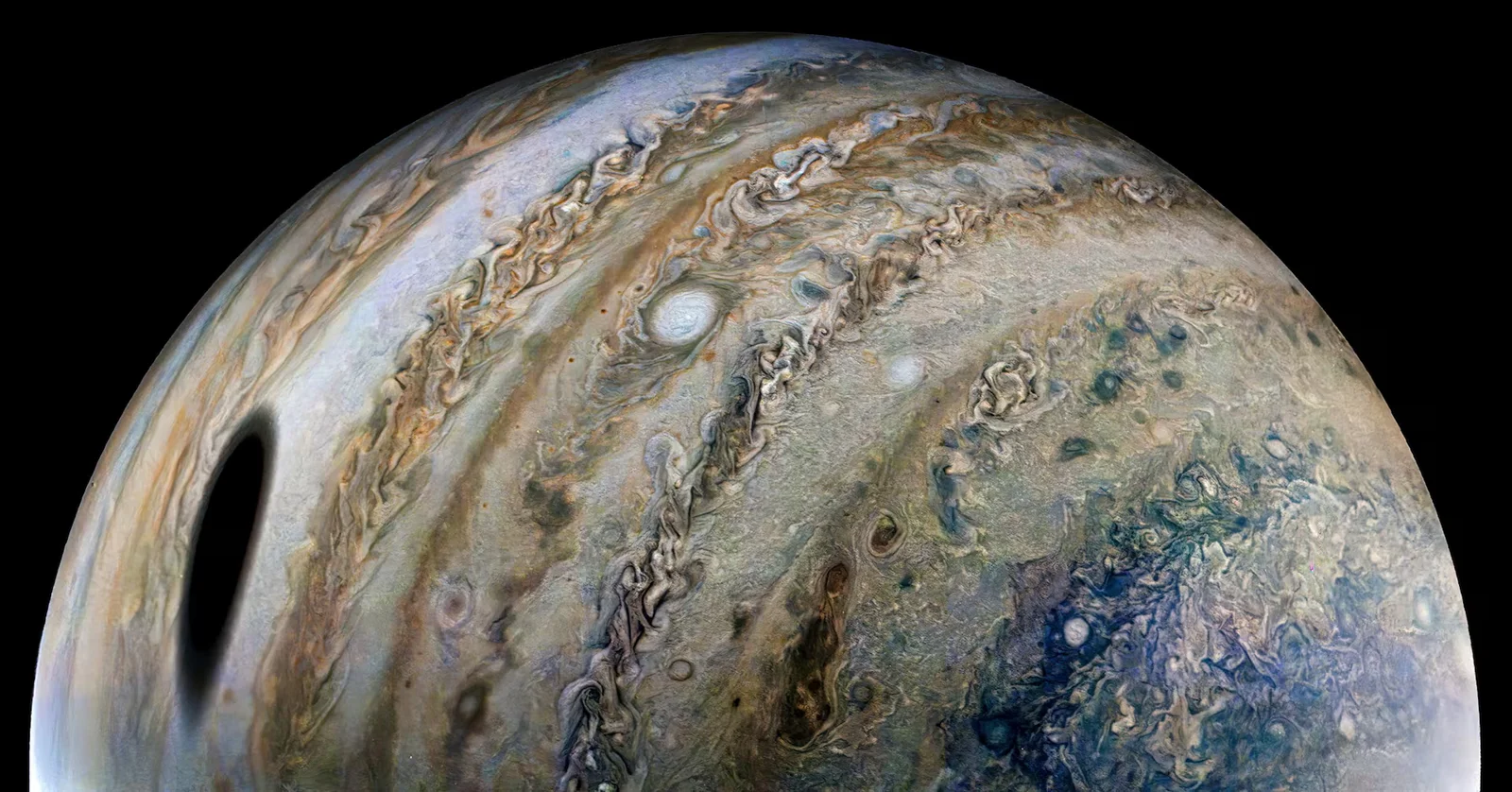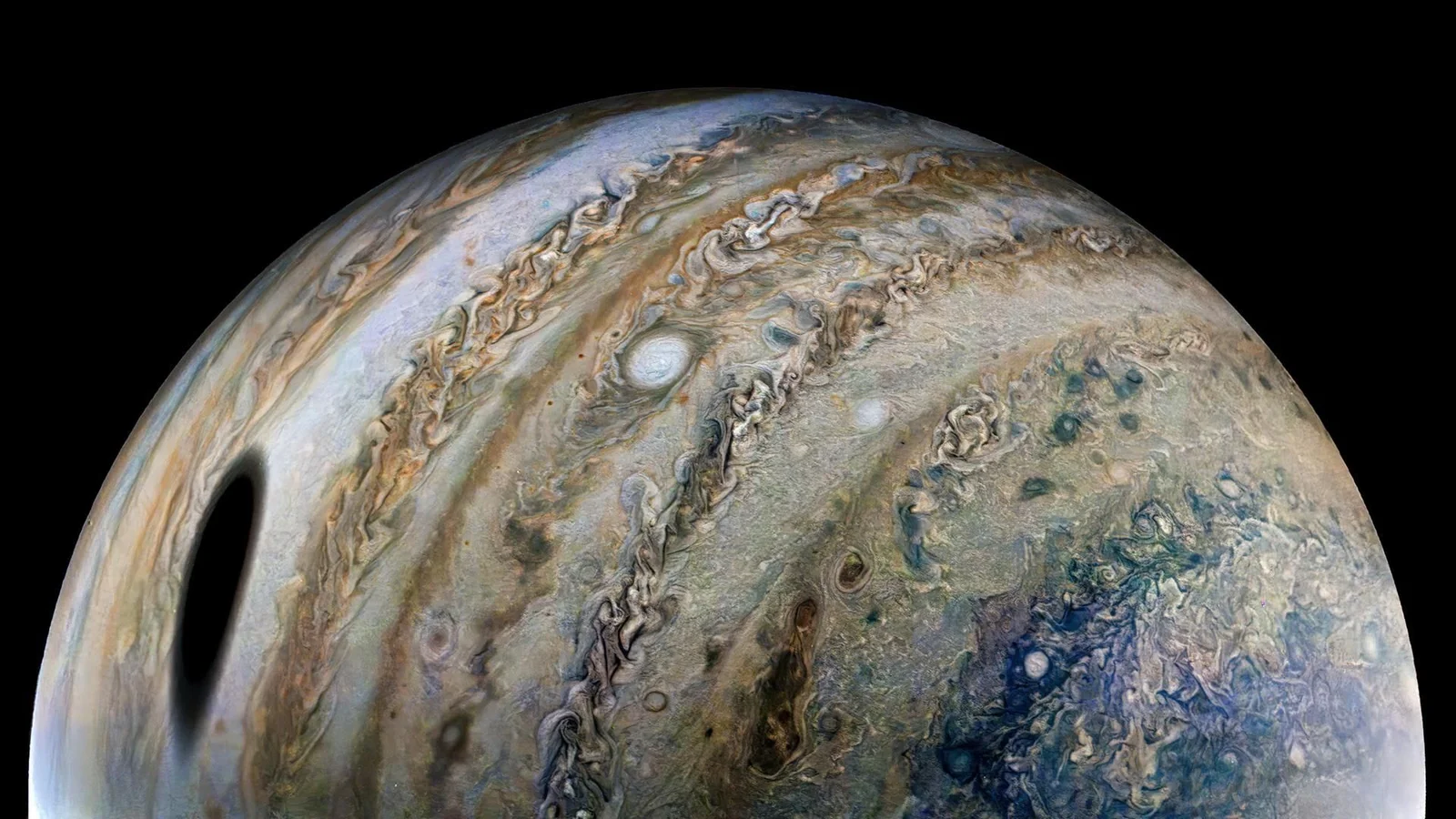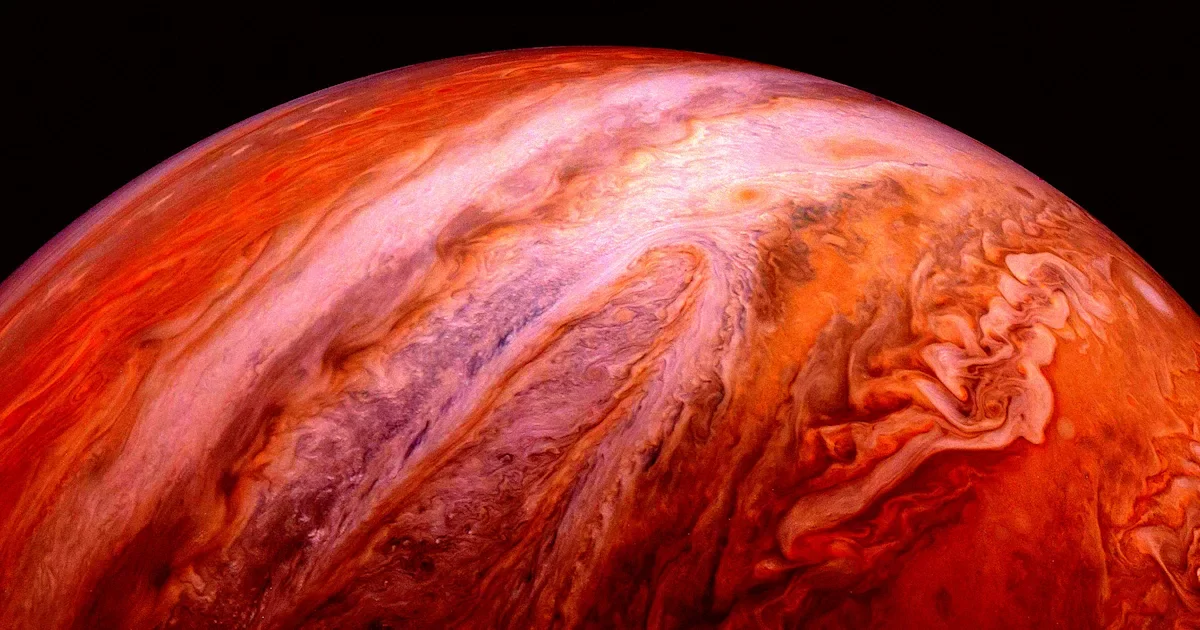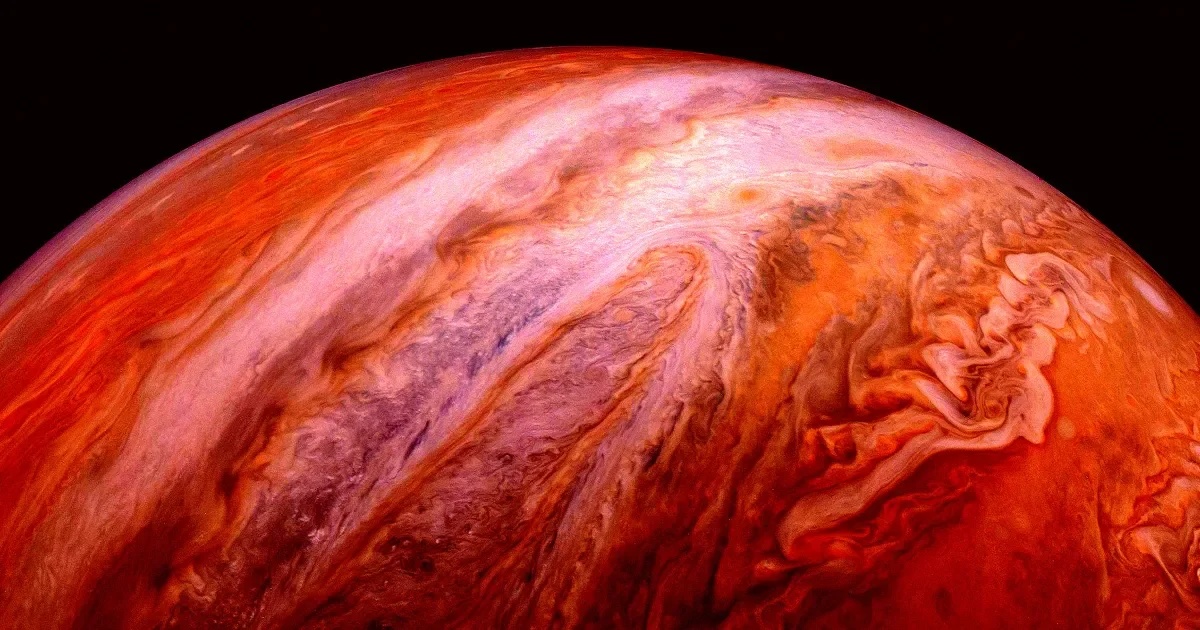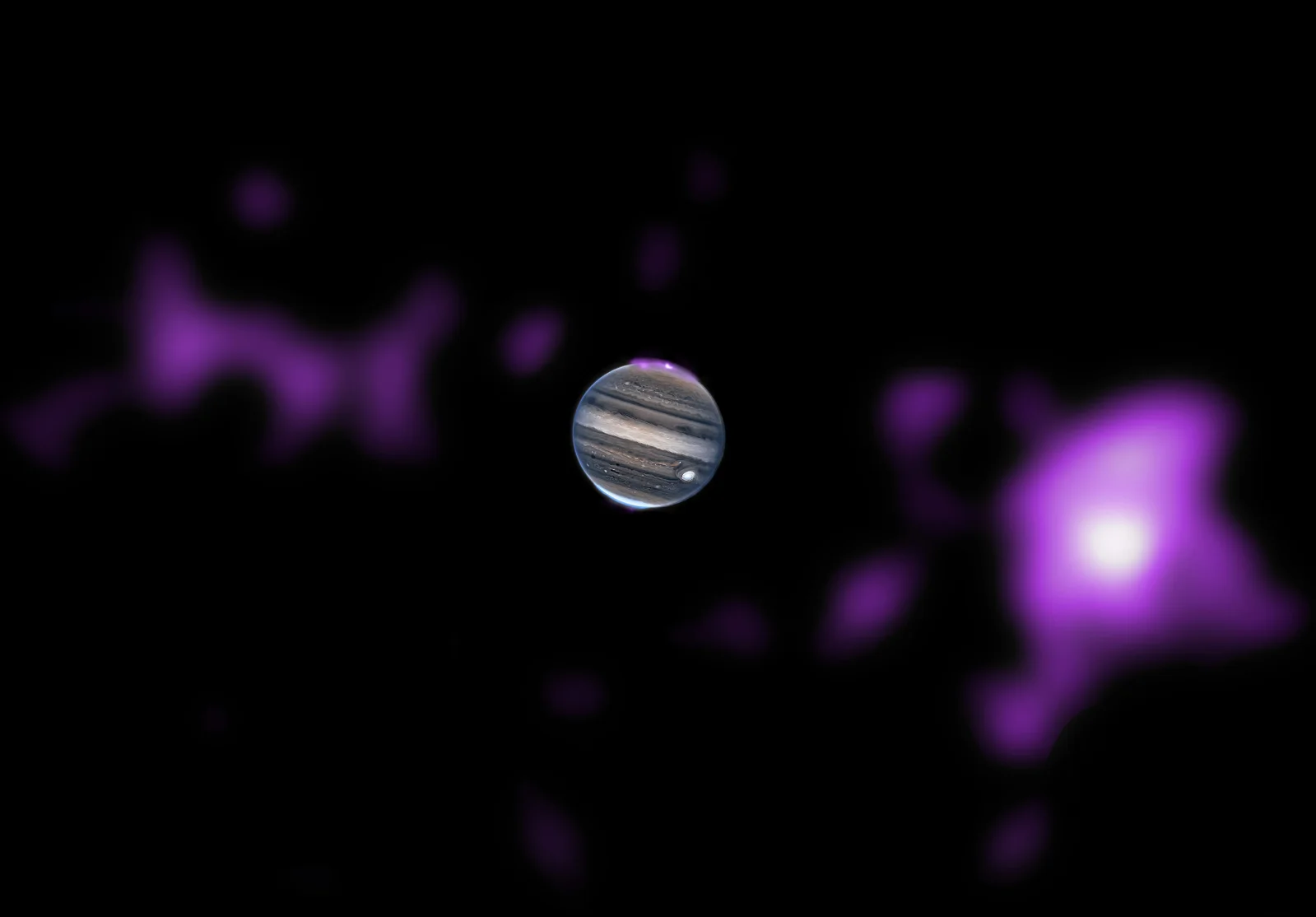
Jupiter will be at its brightest and most spectacular in 2026 during opposition on January 10, when it appears larger and brighter in the night sky, especially in the constellation Gemini, offering a great opportunity for observation with telescopes and the naked eye.
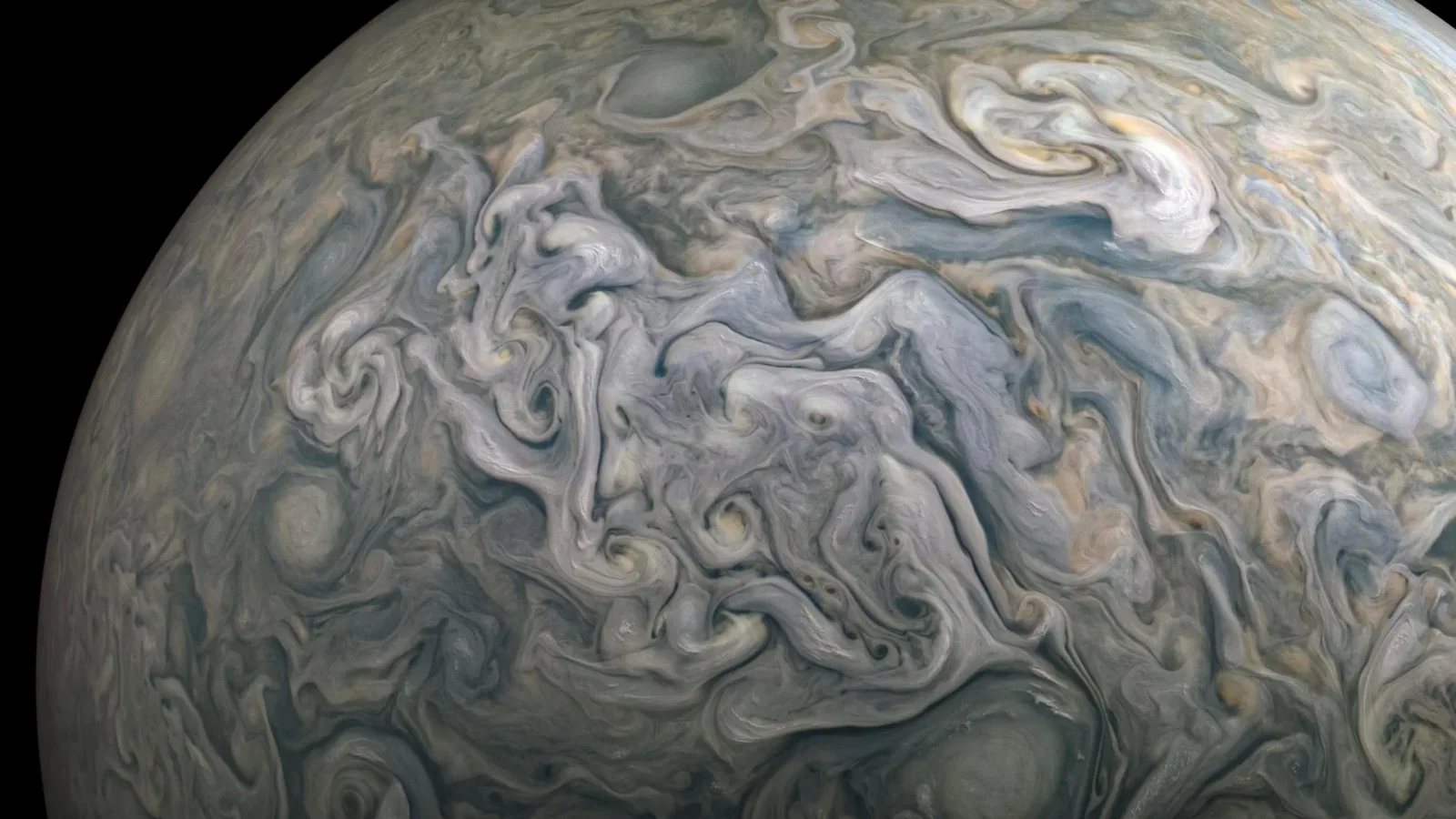
This weekend, Jupiter reaches opposition, making it the brightest and most visible in the night sky all year, especially near the constellation Gemini, offering a prime viewing opportunity with binoculars or telescopes to see its moons and cloud bands, and it will remain visible throughout January and into February.
A recent study suggests that the search for life on Europa, a moon of Jupiter with a subsurface ocean, may be futile due to lack of sufficient internal heat and tectonic activity, casting doubt on the presence of habitable conditions despite upcoming missions like NASA's Europa Clipper and ESA's Juice.
NASA's Europa Clipper mission observed interstellar comet 3I/ATLAS using its ultraviolet spectrograph, revealing unexpected details about its tails and composition, and providing valuable insights into this intriguing object as it moves away from the Solar System.
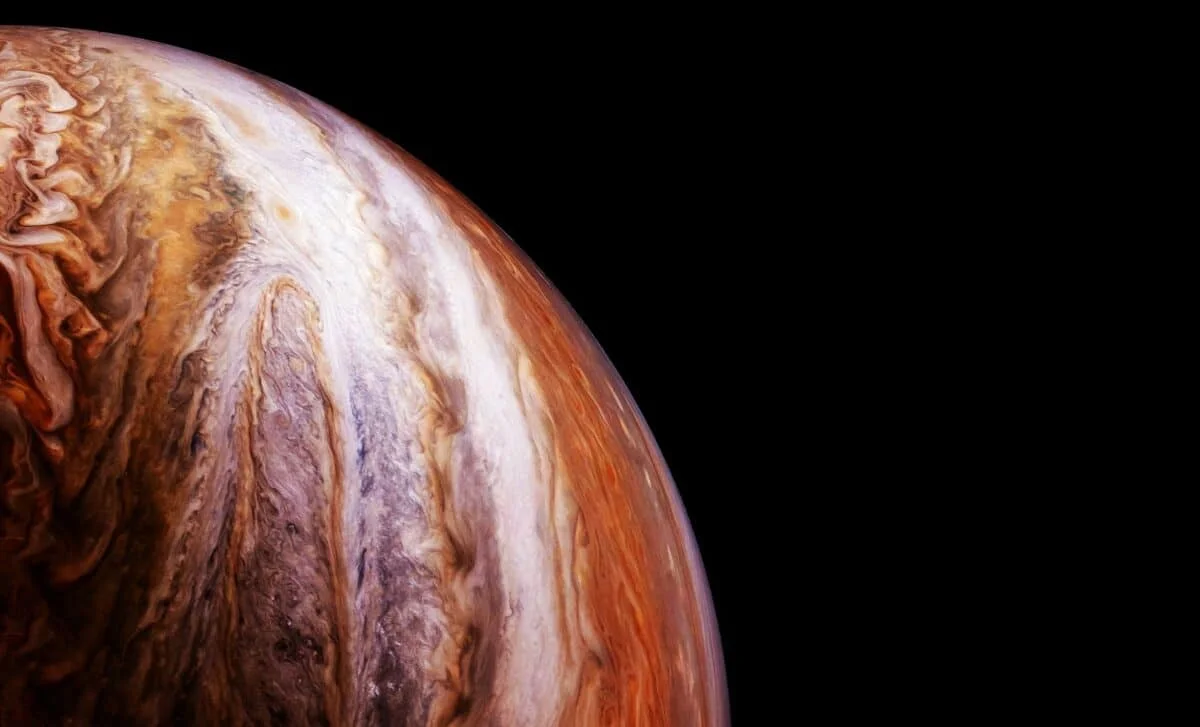
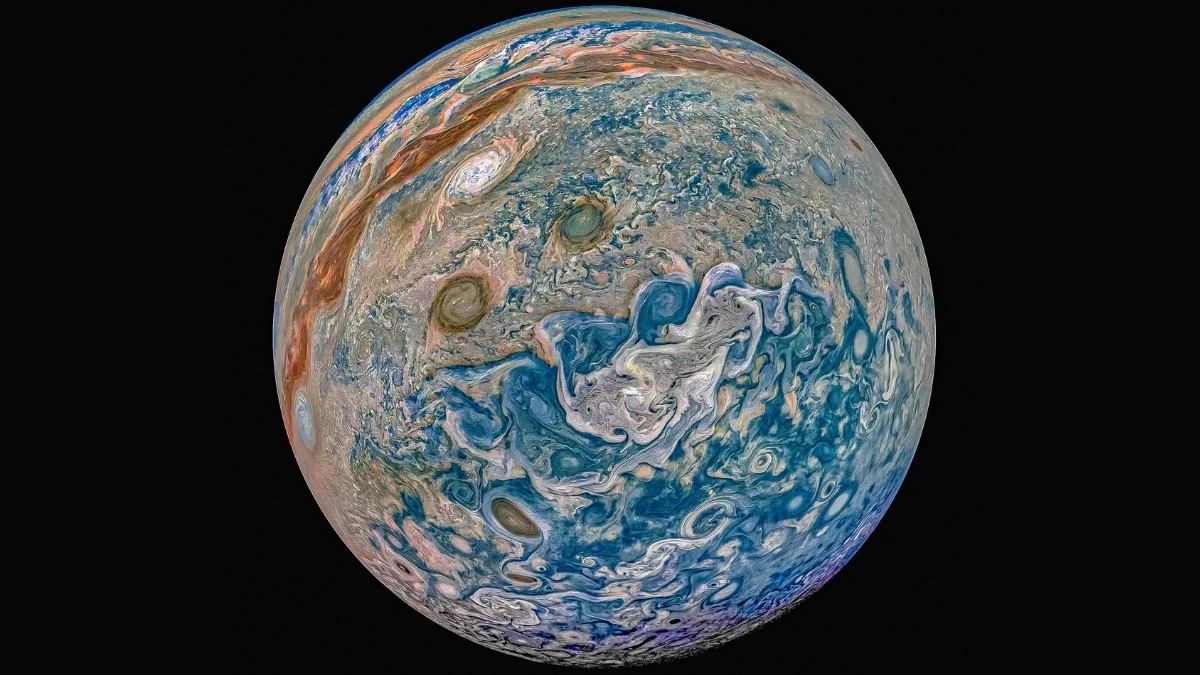
Jupiter, the largest planet in the solar system, will be at its closest approach to Earth in 2026, making it highly visible and bright in the night sky, especially in Gemini, and can be observed with binoculars or small telescopes.
This January, Jupiter is at its brightest and most visible due to its opposition, making it an excellent month for stargazing, especially with the added spectacle of the Quadrantids meteor shower and prominent winter constellations like Orion and Taurus.
In January, only Jupiter and Saturn are visible to the naked eye, with Jupiter reaching opposition on Jan. 10 and shining brightly, while Venus, Mercury, and Mars are hidden behind the sun for most of the month. The best viewing times are around these events, with Jupiter being the highlight of the month.
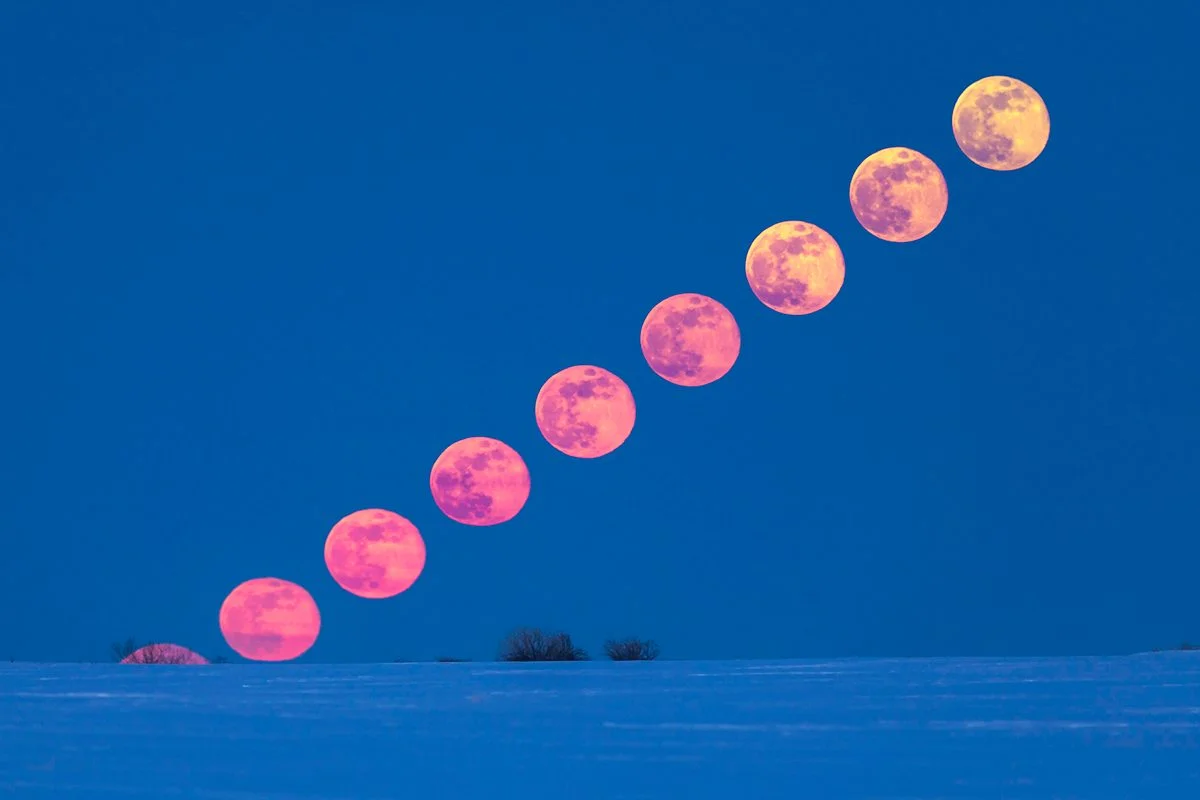
The Wolf Moon, a bright and large supermoon, will be visible on January 3, 2026, rising at dusk and positioned near Jupiter and a bright star, offering a spectacular night sky view, especially in the Northern Hemisphere.
New telescope owners should start by familiarizing themselves with setup, focusing on bright targets like the moon and planets such as Jupiter and Saturn, and learning the night sky's constellations to navigate and find deep-sky objects gradually, practicing patience and regular observation.
Astronomer Avi Loeb discusses the interstellar object 3I/ATLAS, which recently passed Earth without incident, highlighting its long journey through the galaxy, unique features like a long anti-tail, and the importance of continued space exploration beyond the Moon and Mars. He emphasizes that 3I/ATLAS is likely a natural comet from another star, and underscores the need for vigilance against AI-generated fake content in science communication.
The Geminid meteor shower peaks on December 13-14, offering up to 100 meteors per hour, best viewed in the early morning hours near Gemini the Twins, with Jupiter visible nearby, and debris originating from asteroid 3200 Phaethon.
To see Saturn and Jupiter clearly through a telescope, a refractor with at least 50mm aperture is recommended, with larger apertures like 102mm or 125mm providing more detail such as Saturn's rings and Jupiter's Great Red Spot. For higher detail, pricier catadioptric telescopes are ideal. Viewing Uranus and Neptune requires even larger telescopes, around 200mm, and a motorized mount can help locate these distant planets.
A new study suggests that Jupiter's early growth played a crucial role in shaping the solar system by creating gaps and rings in the protoplanetary disk, preventing material from falling into the sun and influencing the formation of Earth and other planets, as well as the timing of meteorite formation.
New research suggests that Jupiter's early rapid growth influenced the formation of the solar system by creating rings and gaps that led to the late formation of primitive meteorites called chondrites, and also helped shape the orbits of Earth, Venus, and Mars.
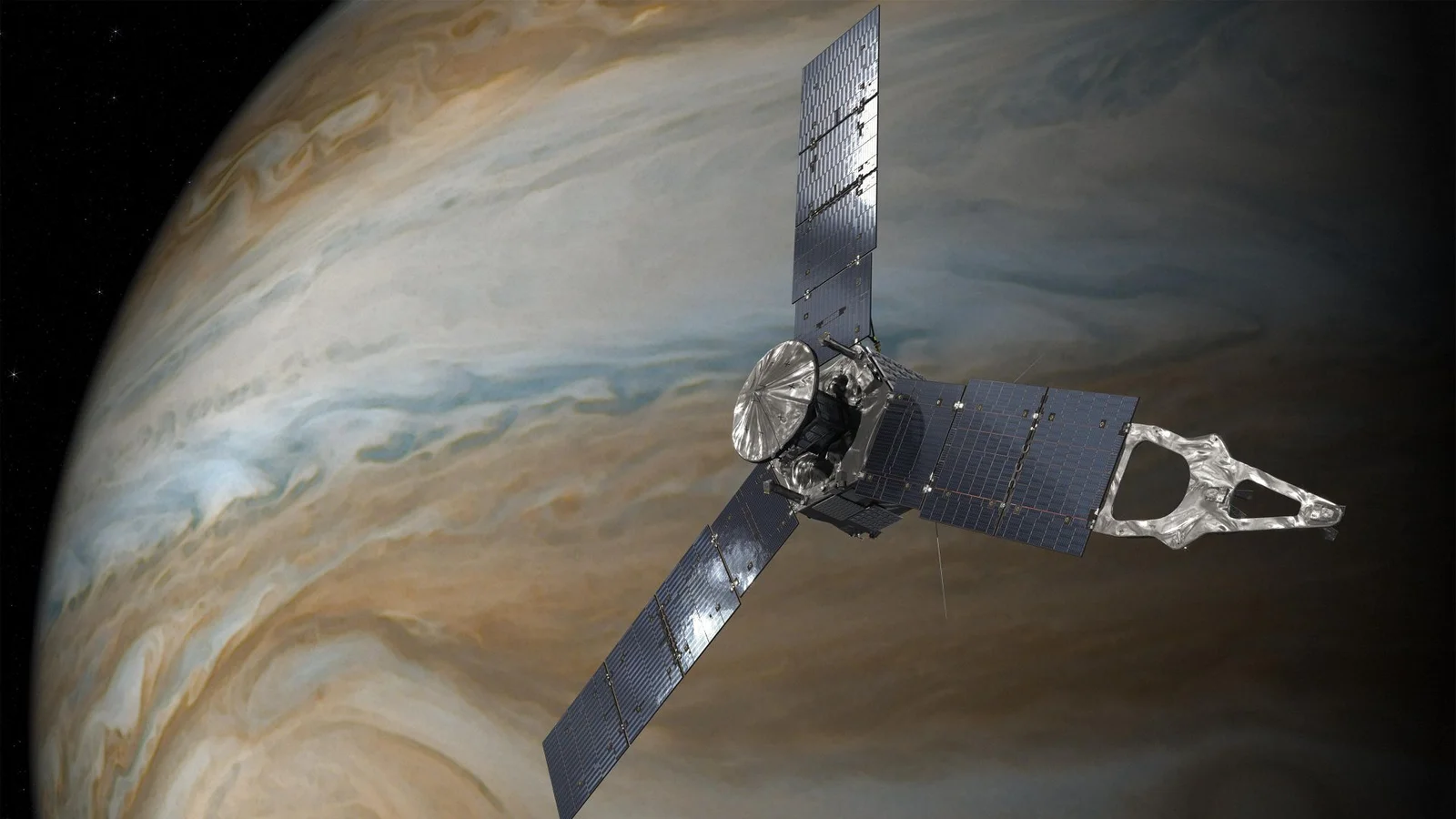
Scientists are preparing for multiple observations of the interstellar comet 3I/ATLAS using various spacecraft, including ESA's Hera, Europa Clipper, JUICE, and NASA's Juno, as the comet approaches its closest point to the Sun in late October, offering unique opportunities to study its properties and tail.