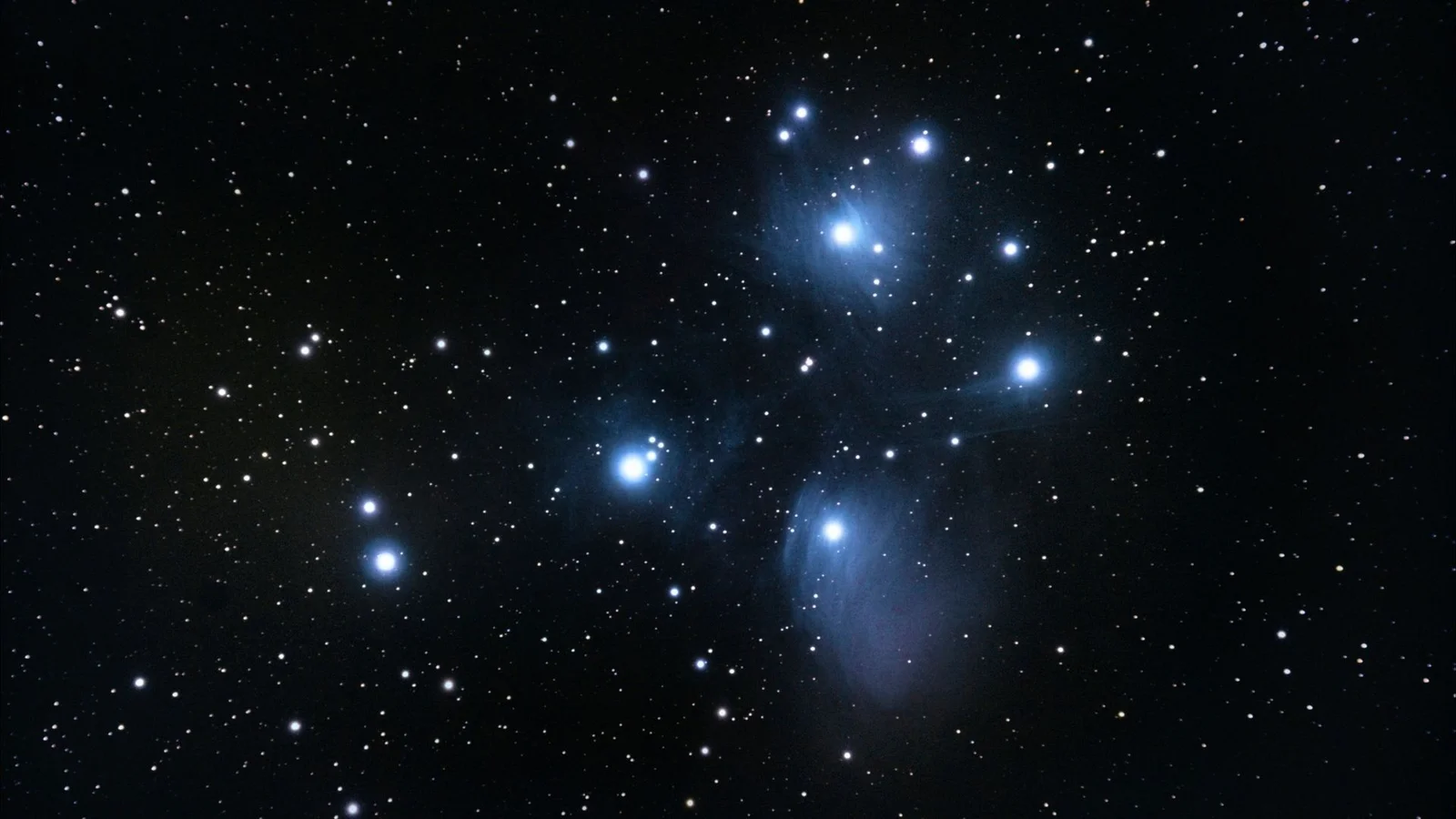
Astronomers using NASA's TESS and ESA's Gaia have discovered that the Pleiades star cluster is about 20 times larger than previously thought, containing thousands of stars instead of just seven, which could reshape our understanding of star formation and the galaxy's structure.
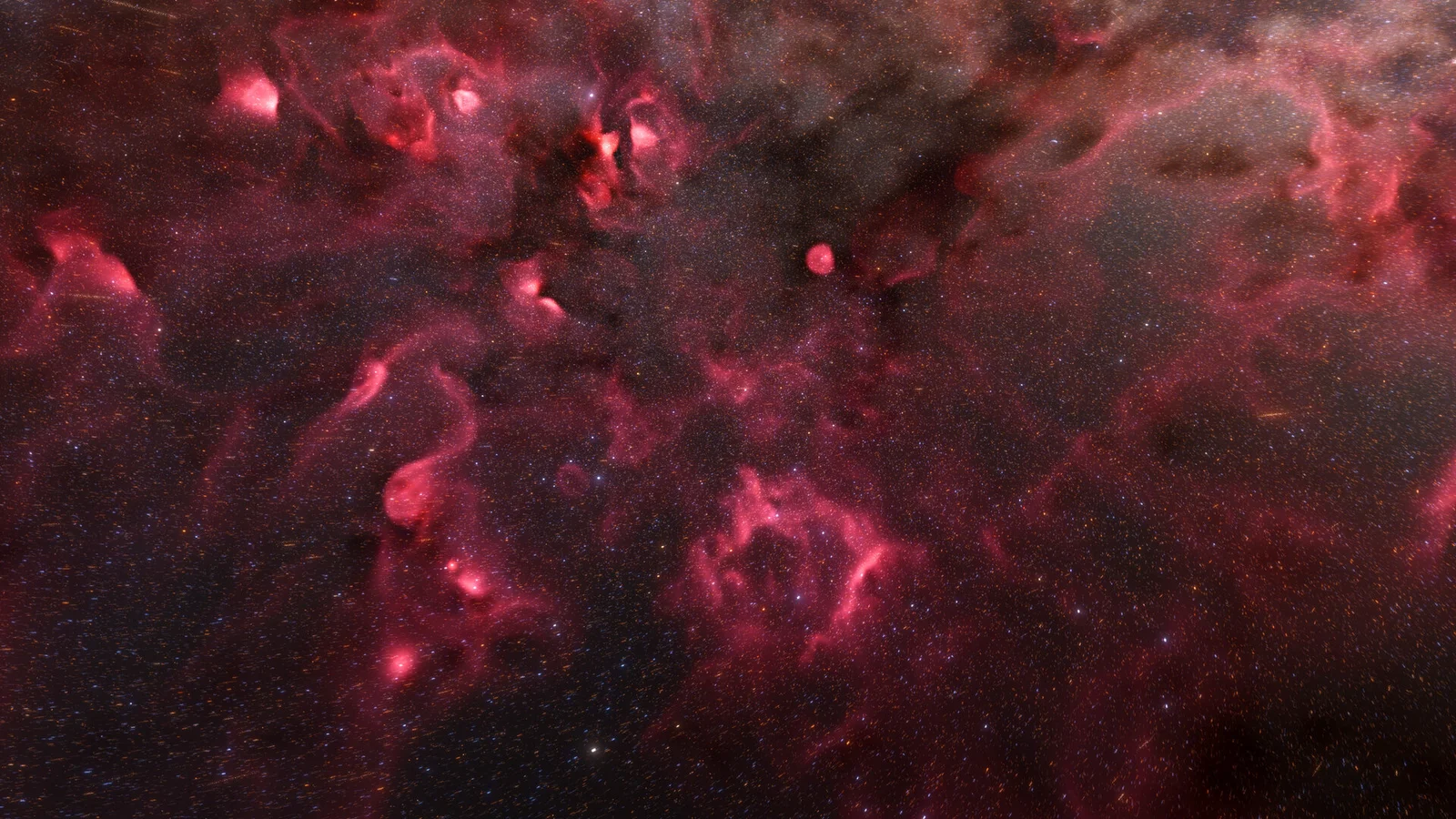
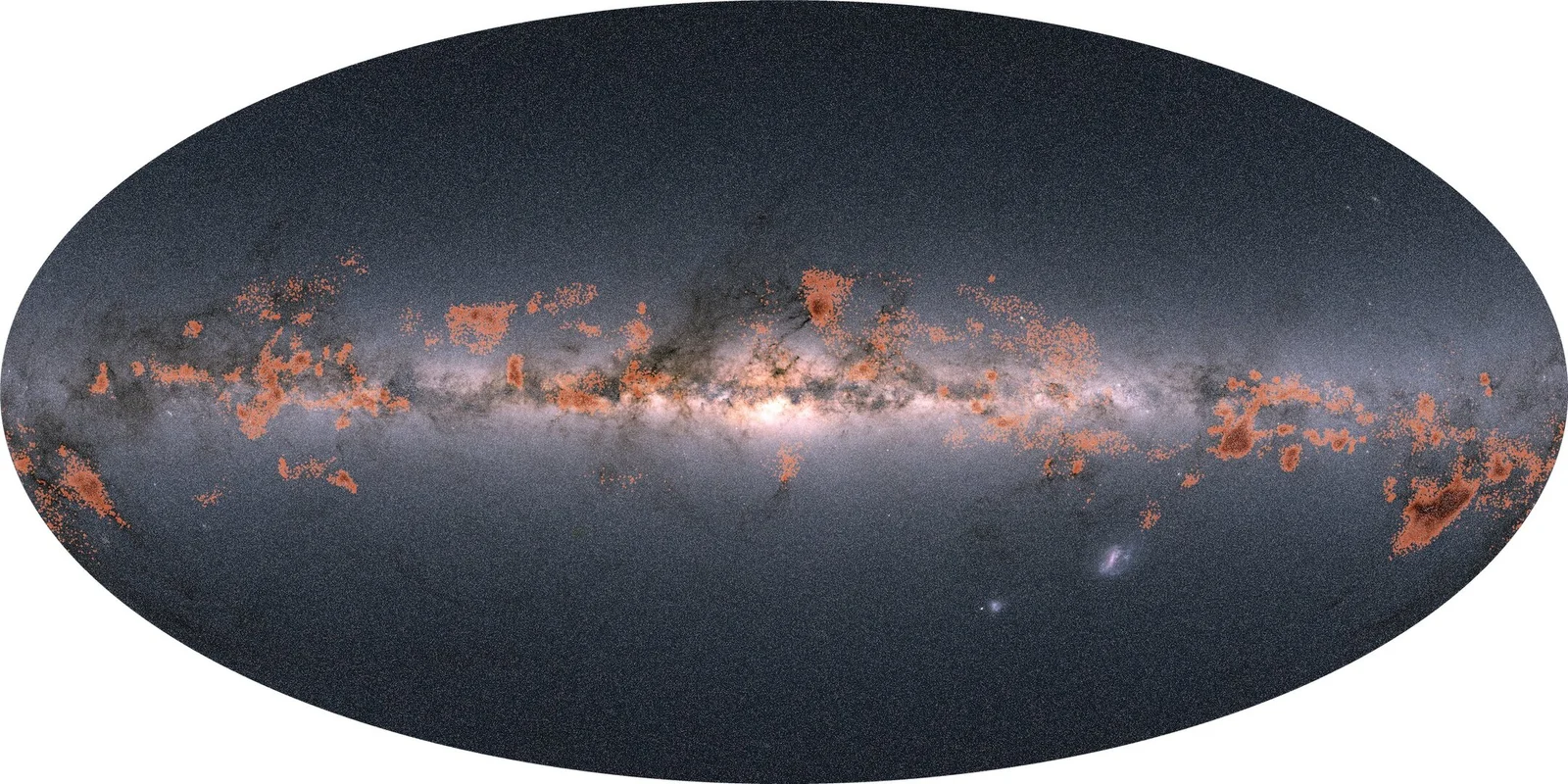
Scientists have created the most accurate 3D map of star-forming regions in the Milky Way using data from the Gaia space telescope, revealing detailed structures of stellar nurseries up to 4000 light-years away and providing new insights into how massive stars influence their surrounding interstellar medium.
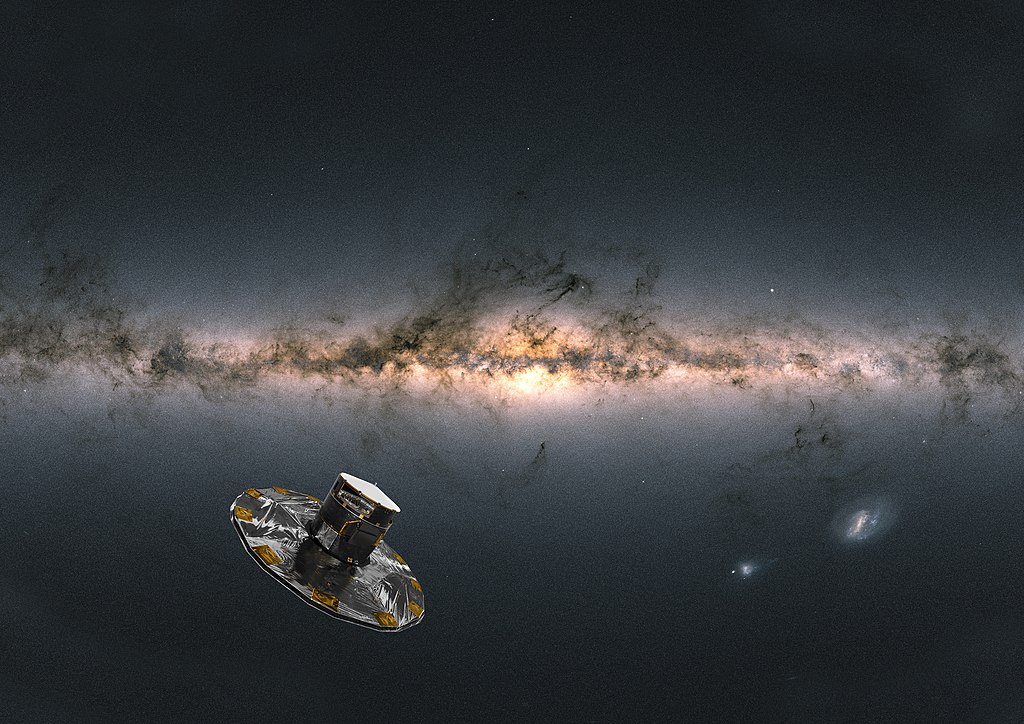
The European Space Agency's Gaia mission has revolutionized our understanding of the Milky Way by mapping billions of stars with unprecedented precision, revealing complex structures, interconnected star clusters, and the dynamic processes shaping our galaxy, including the discovery of star families, tidal tails, and the large-scale interconnectedness of star-forming regions.
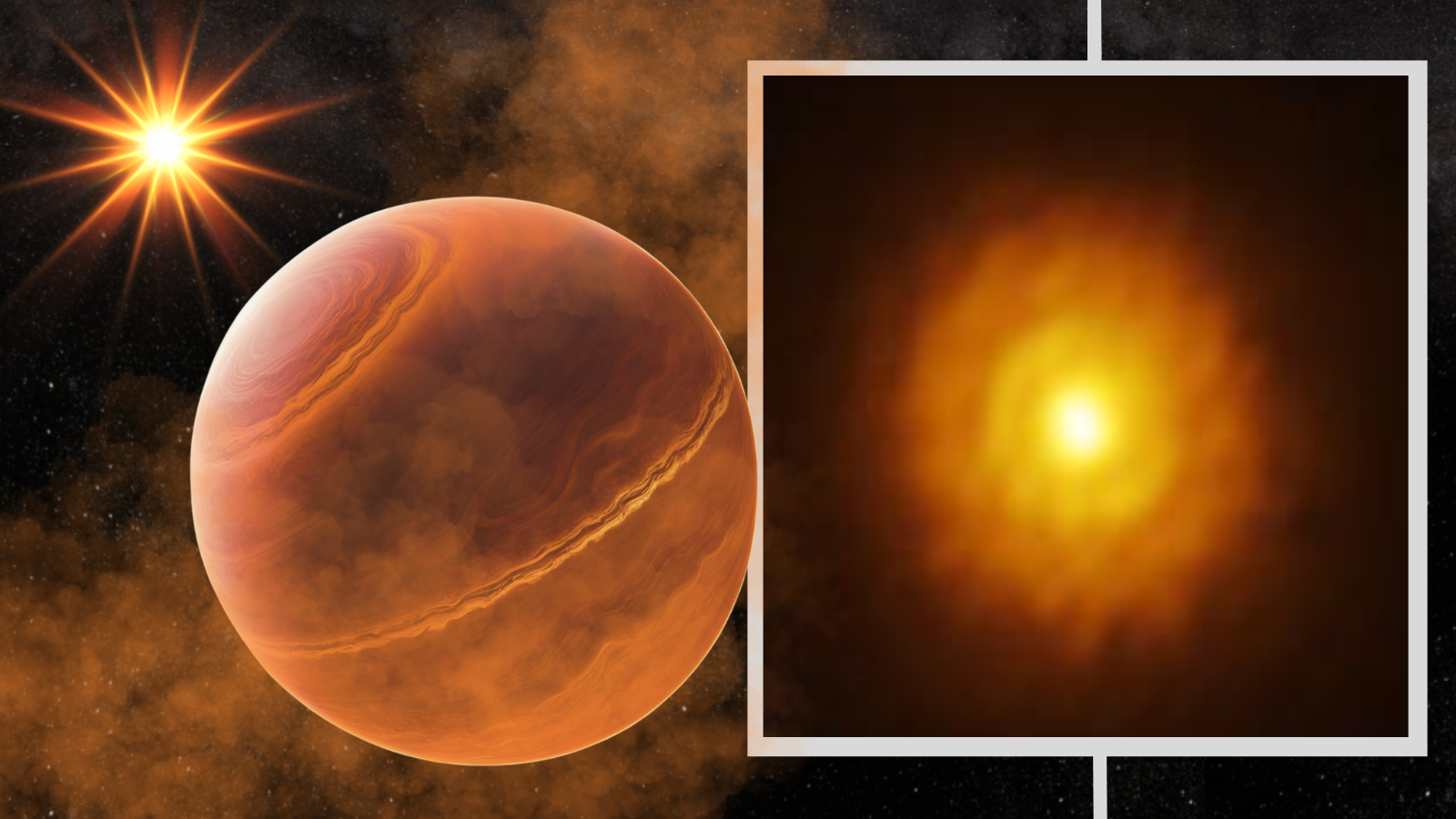
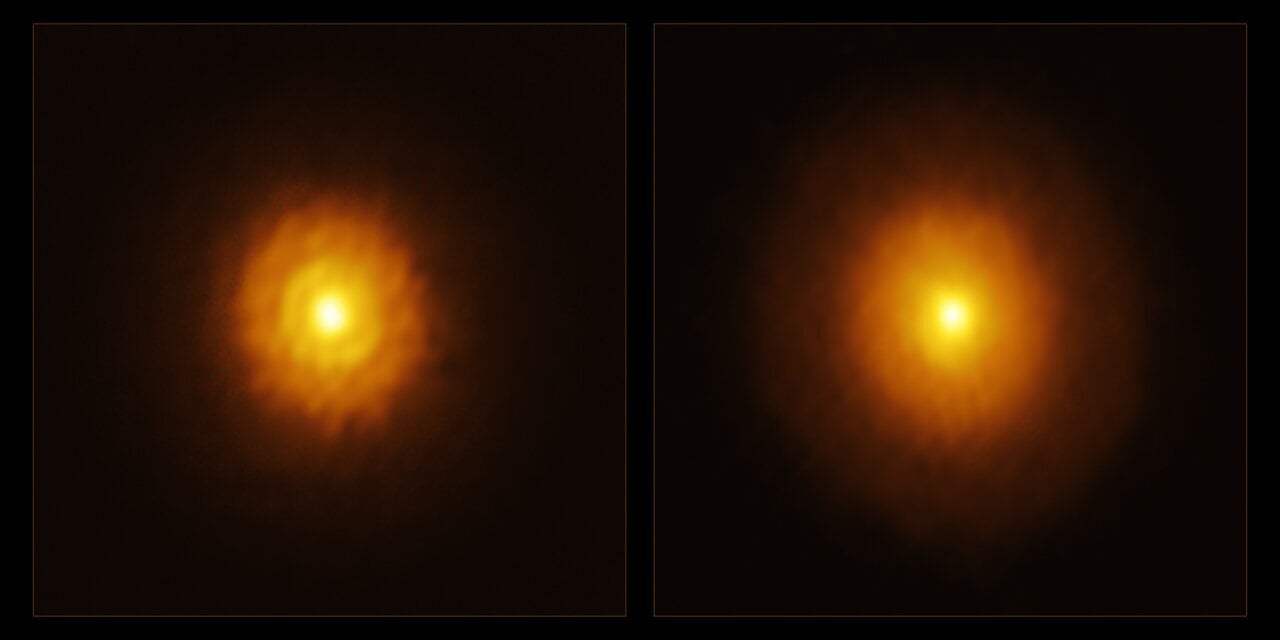
Astronomers have discovered a large exoplanet, potentially up to ten times the size of Jupiter, hidden within the gas and dust of a protoplanetary disk around the young star MP Mus, using combined data from ALMA and Gaia, marking the first time Gaia has detected an exoplanet in such a disk and providing new insights into planet formation.
Astronomers using ALMA and Gaia have discovered a giant exoplanet, 3-10 times the size of Jupiter, hidden in the disk around the young star MP Mus, revealing new insights into planet formation and demonstrating a novel method for detecting young planets in protoplanetary disks.
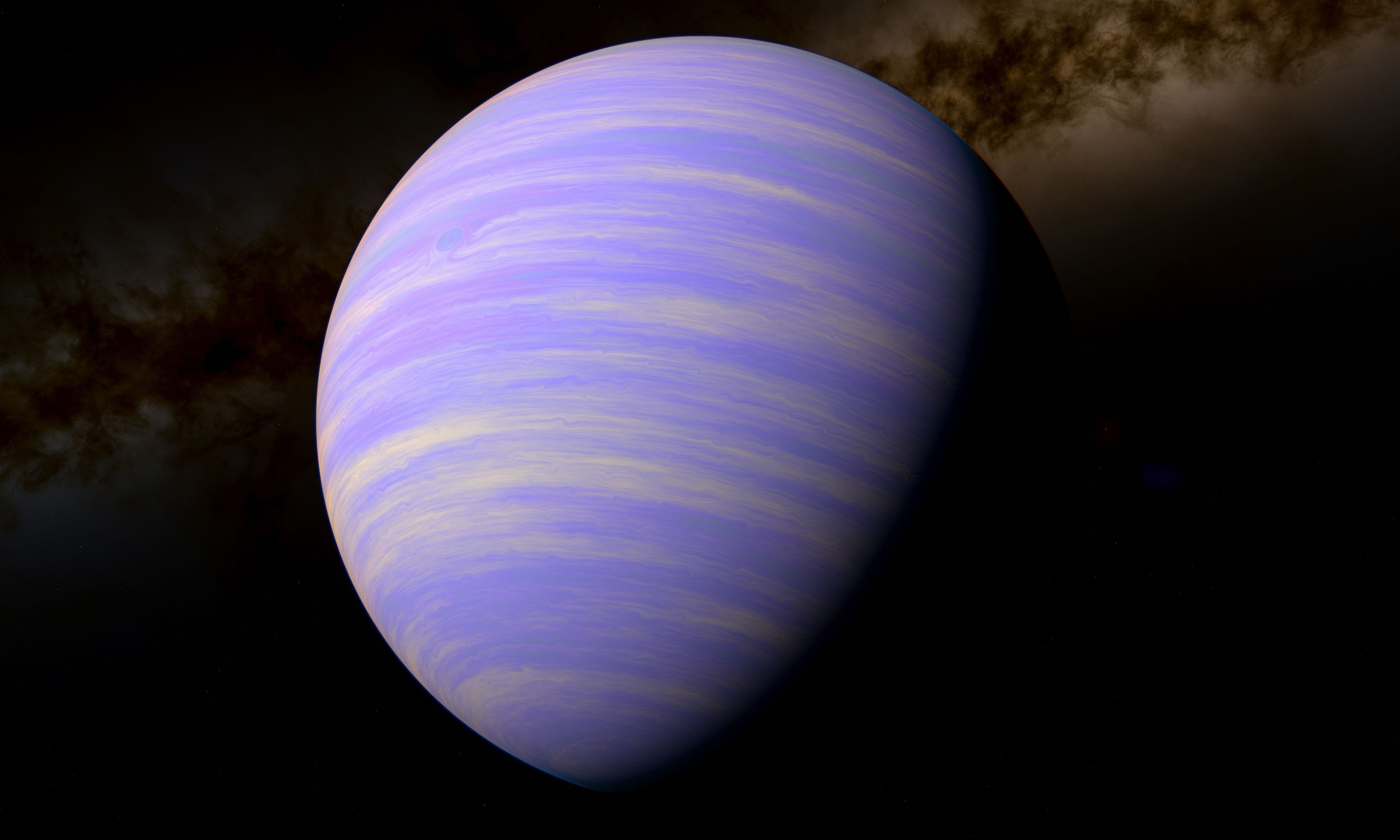
A team of astronomers used gravitational microlensing, a technique based on Einstein's 1936 theory, to discover a rare gas giant exoplanet, AT2021ueyL b, located over 3,200 light-years away in the galactic halo, marking only the third such discovery outside the Milky Way's dense center. This method allows detection of distant, cold planets in wide orbits, providing valuable insights into planetary formation in metal-poor regions. The discovery was facilitated by Gaia satellite alerts and ground-based telescopes, and it highlights the potential of upcoming missions like the Nancy Grace Roman Space Telescope to vastly expand our understanding of exoplanets.
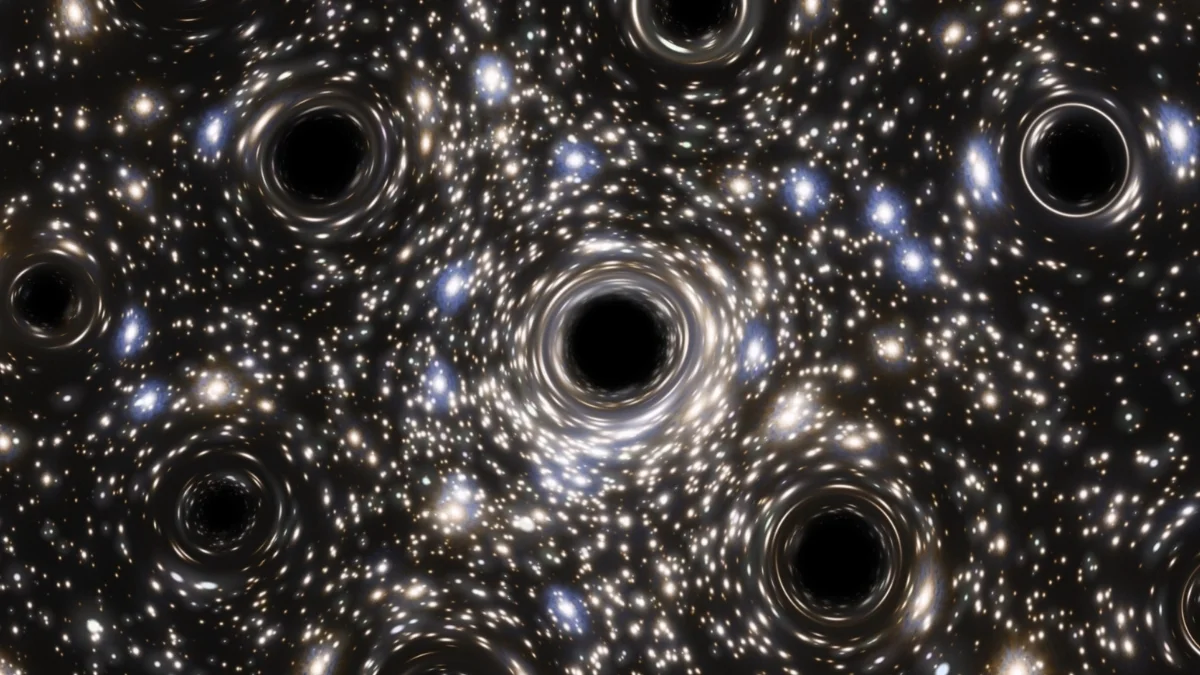
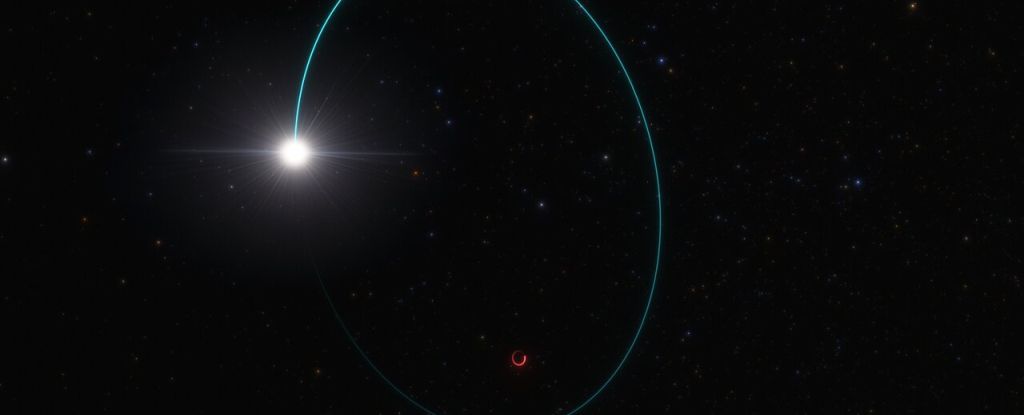
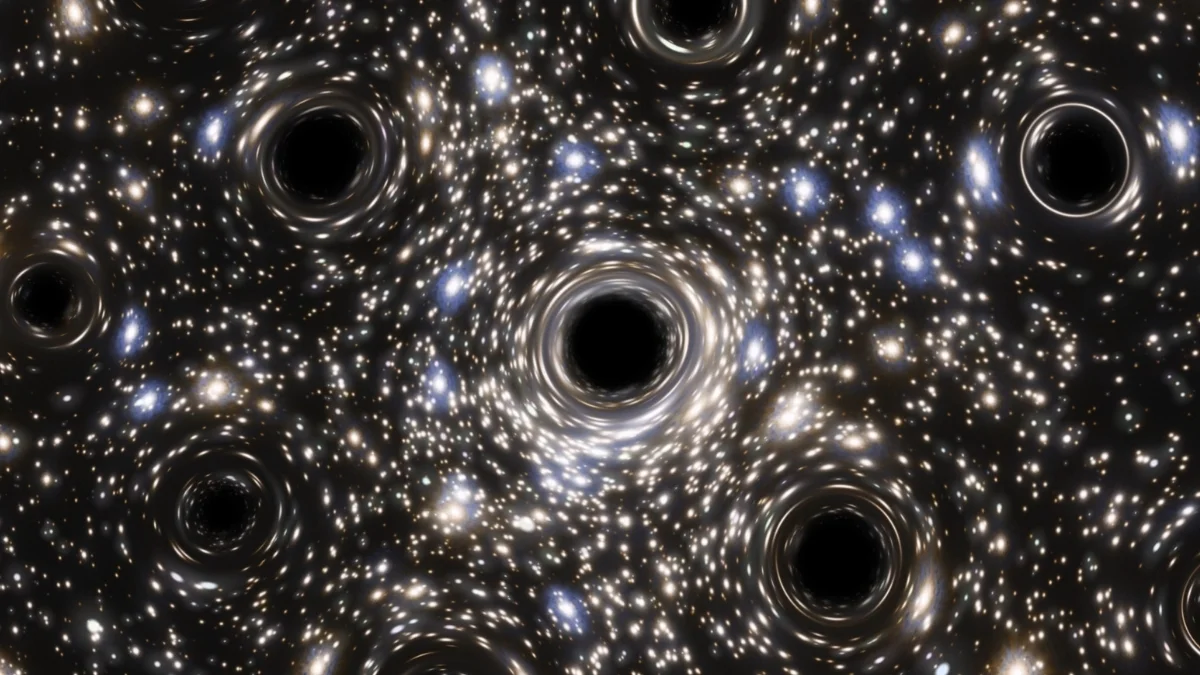
Astronomers have discovered a record-breaking stellar-mass black hole, named Gaia BH3, just 1,924 light-years from the Solar System in the constellation of Aquila. This black hole is the most massive stellar-mass black hole ever spotted in the Milky Way, with a mass 33 times that of the Sun. It was found in a binary orbit with a companion star, and its discovery raises questions about how many more undetected black holes are lurking nearby. The researchers anticipate finding even more black holes upon the fourth release of Gaia data.
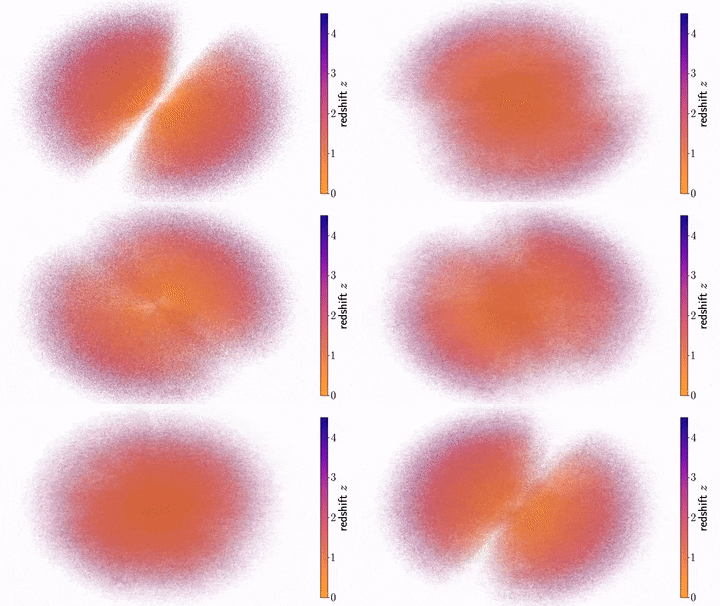
A 3D map of over 1.3 million quasars, called "Quaia," has been created using data from the Gaia astrometric space mission, providing insights into the distribution and density of matter in the universe. Quasars, powered by supermassive black holes, serve as valuable guides for cosmological mapping and are located within the densest clumps of dark matter. By comparing the Quaia map with the cosmic microwave background, scientists have verified the distribution of matter in the early universe, offering new constraints on our understanding of cosmic history. This groundbreaking map, published in The Astrophysical Journal, covers the largest volume of the universe to date and presents a significant advancement in astrophysical research.
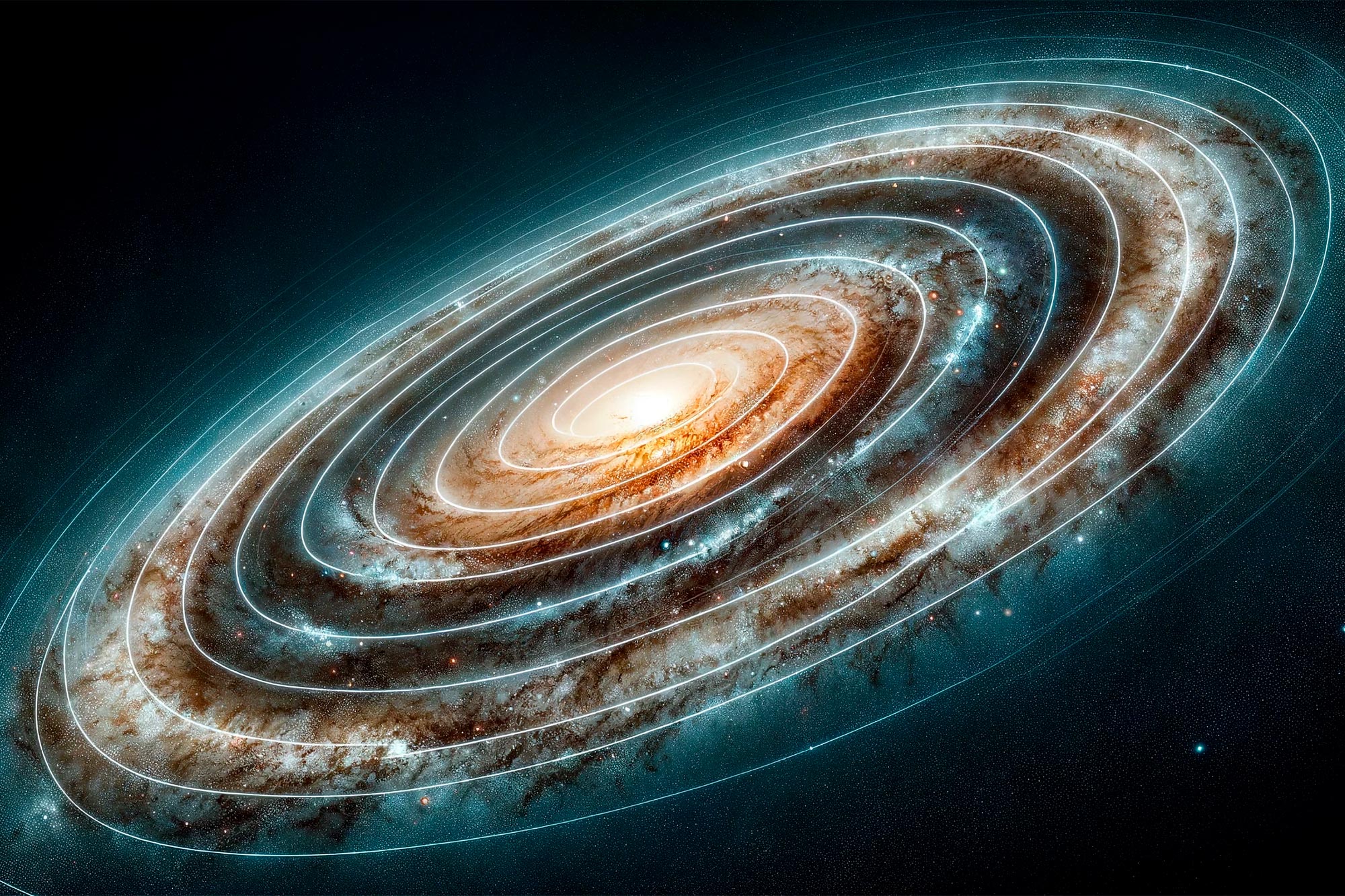
New research from MIT suggests that the outer stars of the Milky Way are moving slower than expected, indicating a lighter core with less dark matter than previously thought. By analyzing data from the Gaia and APOGEE instruments, physicists found that the rotation curve of the galaxy remains flat until a certain distance, where it unexpectedly dips, implying a lower density of dark matter in the galactic core. This challenges current astronomical theories and may lead to a reconsideration of the state of equilibrium of the Milky Way.
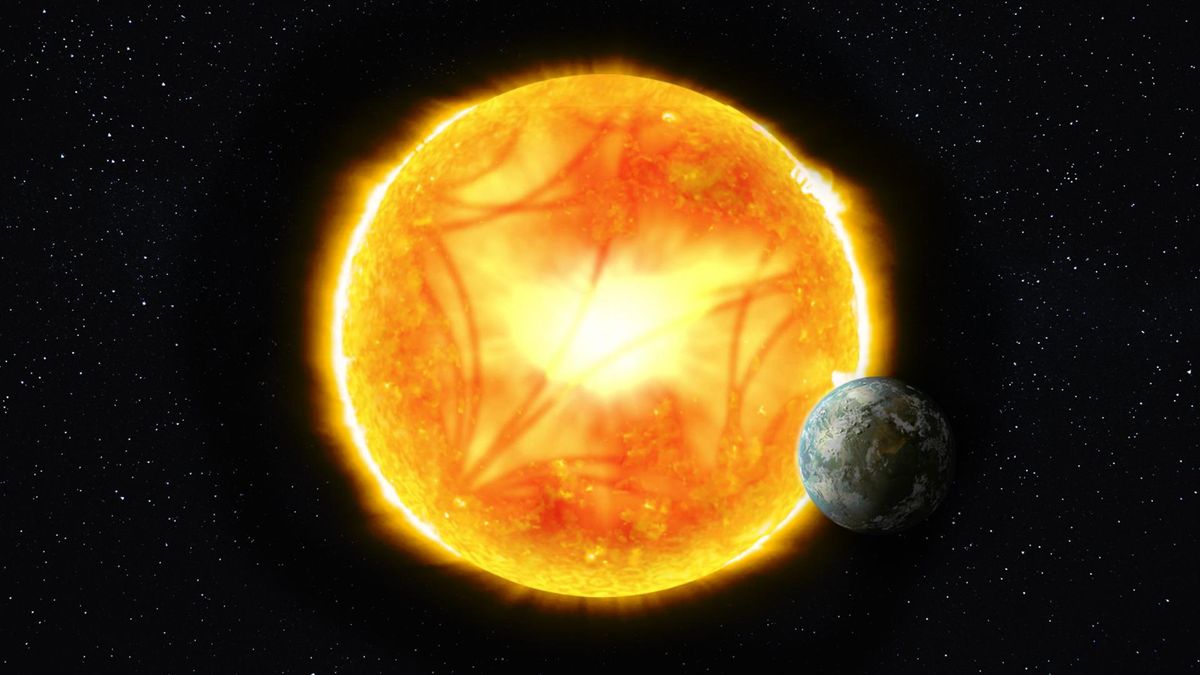
Astronomers have developed a new method of measuring cosmic distances by analyzing the frequencies of "music" played by vibrating stars. This technique, called asteroseismology, converts the vibrations and oscillations of stars into soundwaves, which can then be used to determine the distance to the stars. By comparing these distance measurements with the parallaxes obtained by the European Space Agency (ESA) satellite Gaia, scientists can improve the accuracy of Gaia's measurements and build a precise 3-dimensional map of the Milky Way. This method could also be used in upcoming space missions to detect and survey exoplanets.
Astronomers propose using the Gaia probe to detect gravitational waves by observing their impact on the movement of asteroids in our Solar System. Current methods for detecting gravitational waves are limited to specific frequencies, but Gaia's highly accurate astrometric measurements could potentially reveal the passage of gravitational waves through the position of stars or nearby objects. The researchers also suggest that Gaia may be able to detect gravitational waves based on their effect on asteroids, particularly those with wavelengths ranging from the diameter of the Earth to the distance between the Sun and Pluto.
The Gaia satellite, operated by the European Space Agency (ESA), is creating a highly detailed 3D map of over a billion stars in the Milky Way galaxy and beyond. The recently released data, known as Gaia DR3, provides precise measurements of stellar motions, luminosity, temperature, and composition. Highlights include the mapping of the Omega Centauri globular cluster and the identification of variable stars. The data also helps in understanding interstellar phenomena such as the absorption of light by interstellar matter and the formation of diffuse interstellar bands. Gaia's observations of quasars and asteroids contribute to estimating the age of the universe and improving the accuracy of asteroid orbits. The data analysis pipeline for Gaia DR4, expected in 2025, will incorporate even more data and features.
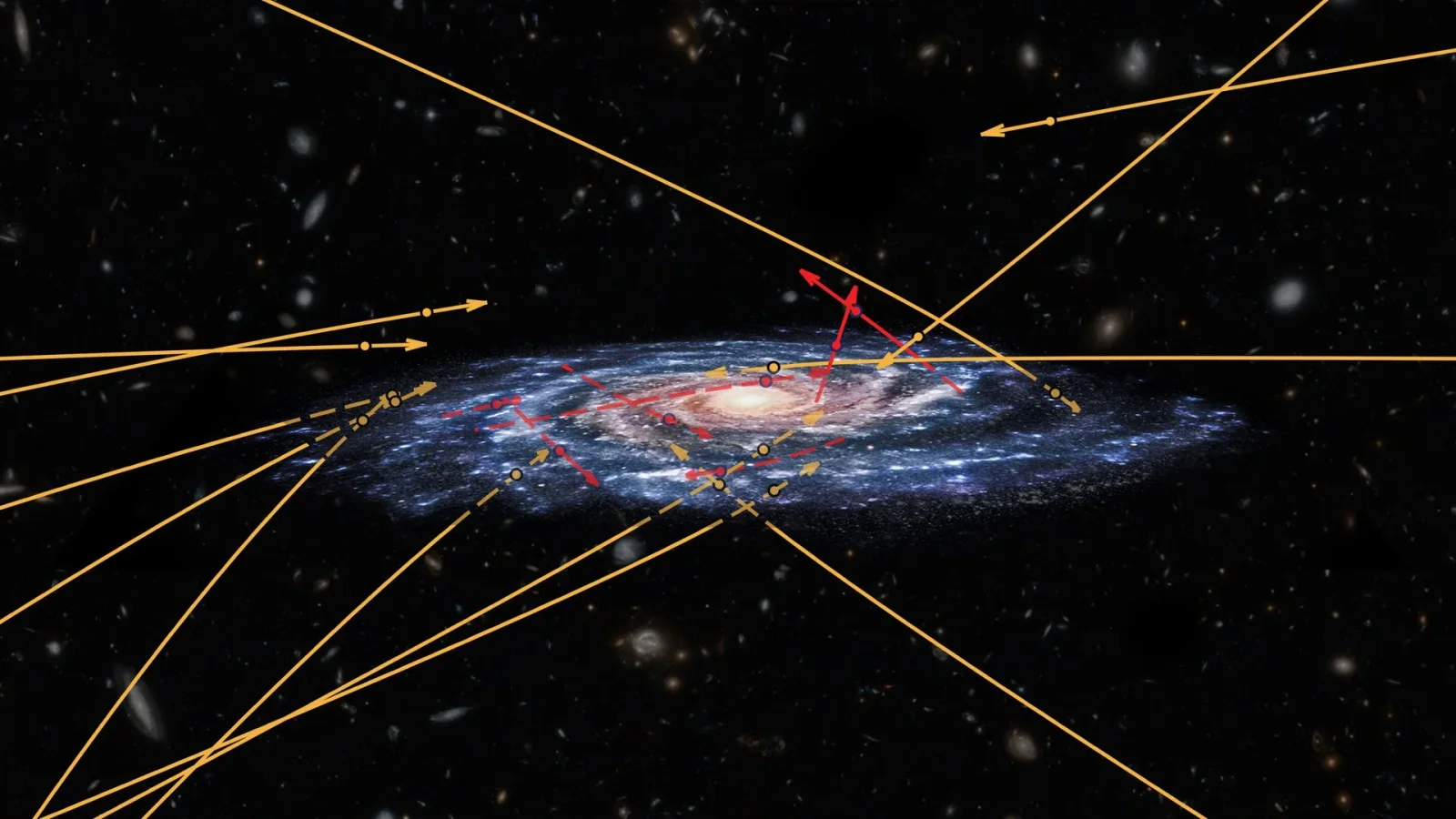
Astronomers have discovered dozens of massive stars that are fleeing the Milky Way. These runaway stars, which have significant peculiar velocities, were identified through a combination of data from the Gaia spacecraft and two stellar catalogues. The study found that a higher percentage of O-type stars, which are young and hot, are runaway stars compared to Be-type stars. The findings suggest that the dynamical ejection scenario, involving gravitational interactions in densely packed regions, is more likely than the binary supernova scenario in explaining the phenomenon of runaway stars.
Astronomers have discovered dozens of massive runaway stars fleeing the Milky Way, shedding light on the phenomenon of stellar ejection. Using data from the Gaia spacecraft and two stellar catalogues, researchers identified 106 runaway O-type stars and 69 runaway Be-type stars. The study suggests that the dynamical ejection scenario, involving gravitational interactions in densely packed star clusters, is more likely than the binary supernova scenario as the cause of these runaway stars. The findings highlight the dominance of massive stars in the runaway star population and contribute to our understanding of stellar dynamics in the Milky Way.
Astronomers have discovered dozens of massive stars that are fleeing the Milky Way, according to a study published in the journal Astronomy and Astrophysics. Using data from the Gaia spacecraft and two stellar catalogues, the researchers identified 106 runaway O-type stars and 69 runaway Be-type stars. The study suggests that the dynamical ejection scenario, involving gravitational interactions in dense star-forming regions, is more likely than the binary supernova scenario to explain the high proportion of massive stars among runaway stars. The findings contribute to our understanding of the mechanisms behind star ejections from galaxies.