Tag

Gravitational Waves

All articles tagged with #gravitational waves

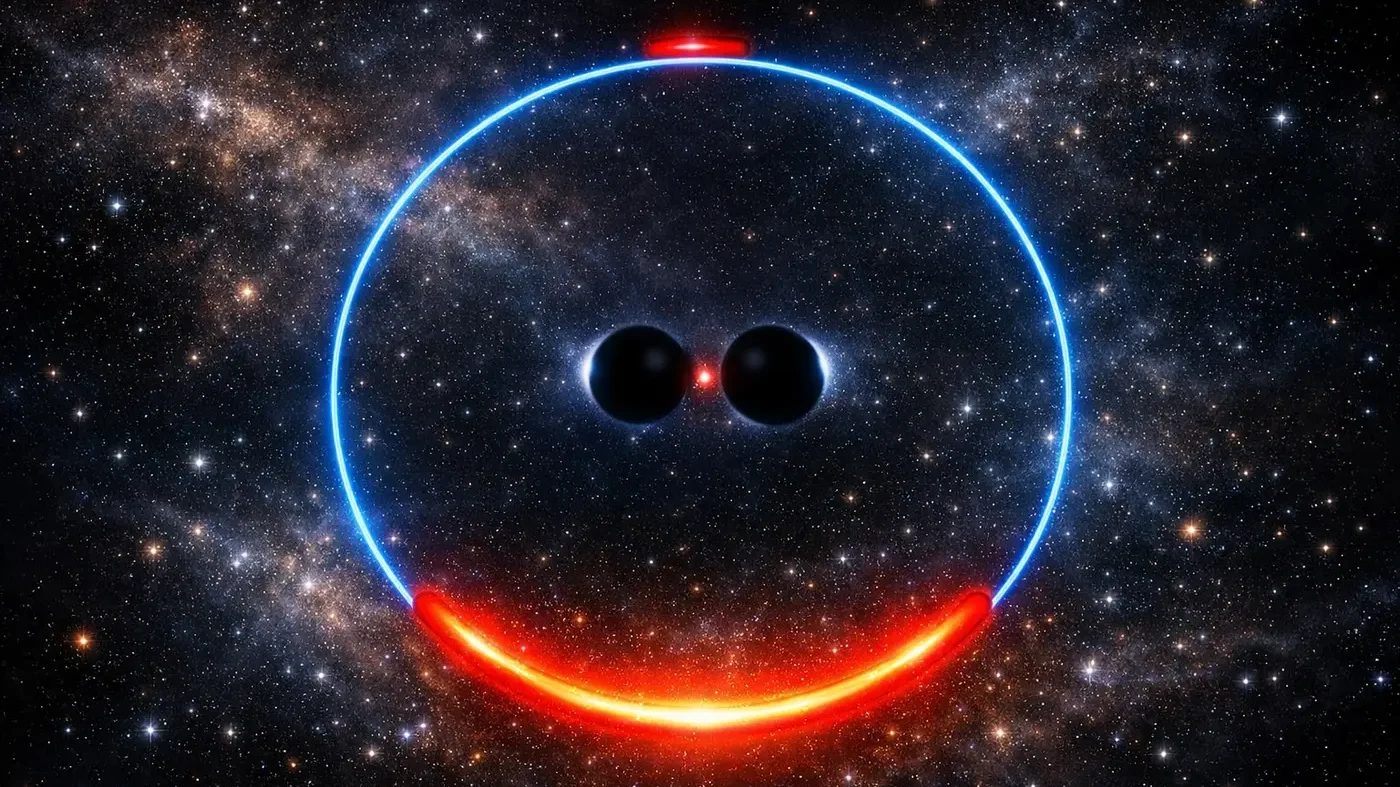
Cosmic dance through starlight: binary black holes could be spotted before waves wake the universe
astronomy3 days ago

Cosmic dance through starlight: binary black holes could be spotted before waves wake the universe

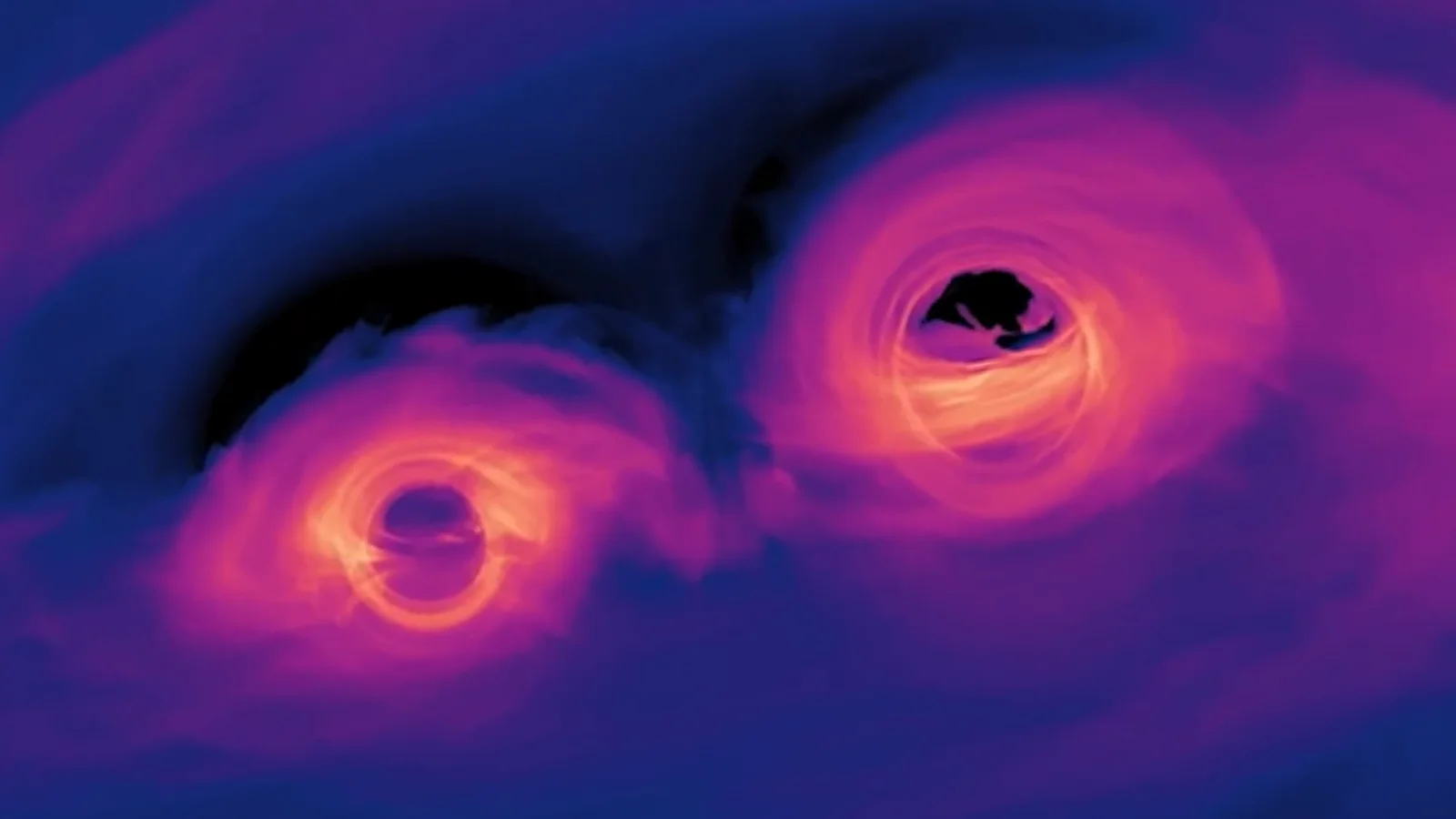
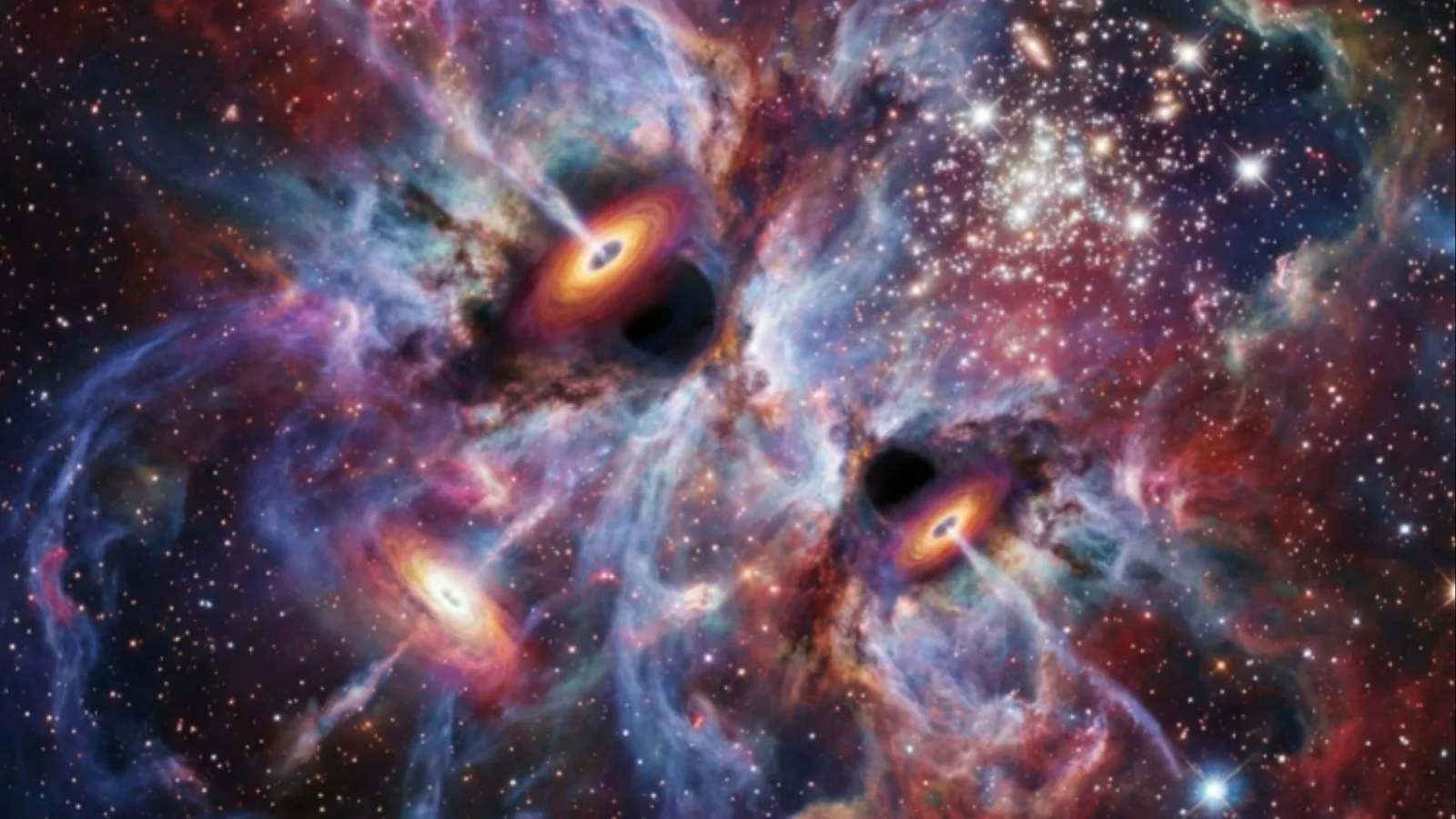
Astronomers propose that gravitational lensing by pairs of merging supermassive black holes can magnify background stars into repeating, bright flashes as the black holes orbit, creating a rotating “caustic” pattern. Detecting these periodic light bursts would reveal binary supermassive black holes long before they merge and emit low‑frequency gravitational waves, enabling early multi‑messenger studies with future surveys from the Vera C. Rubin Observatory and the Roman Space Telescope, and later collaboration with LISA.
Crystal-Clear Gravitational Wave Confirms Einstein’s General Relativity
science13 days ago

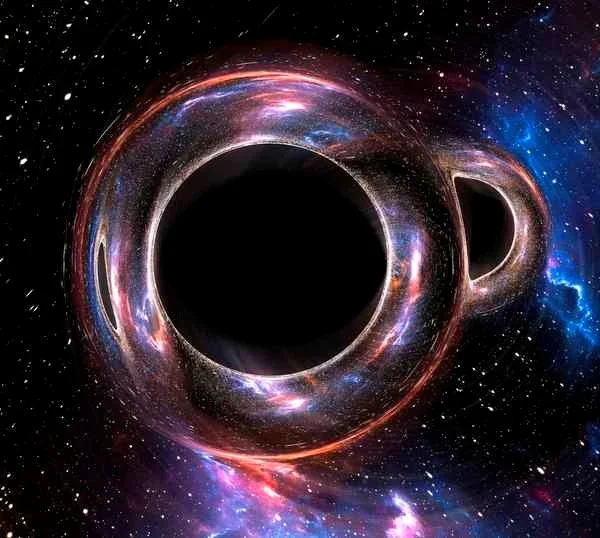
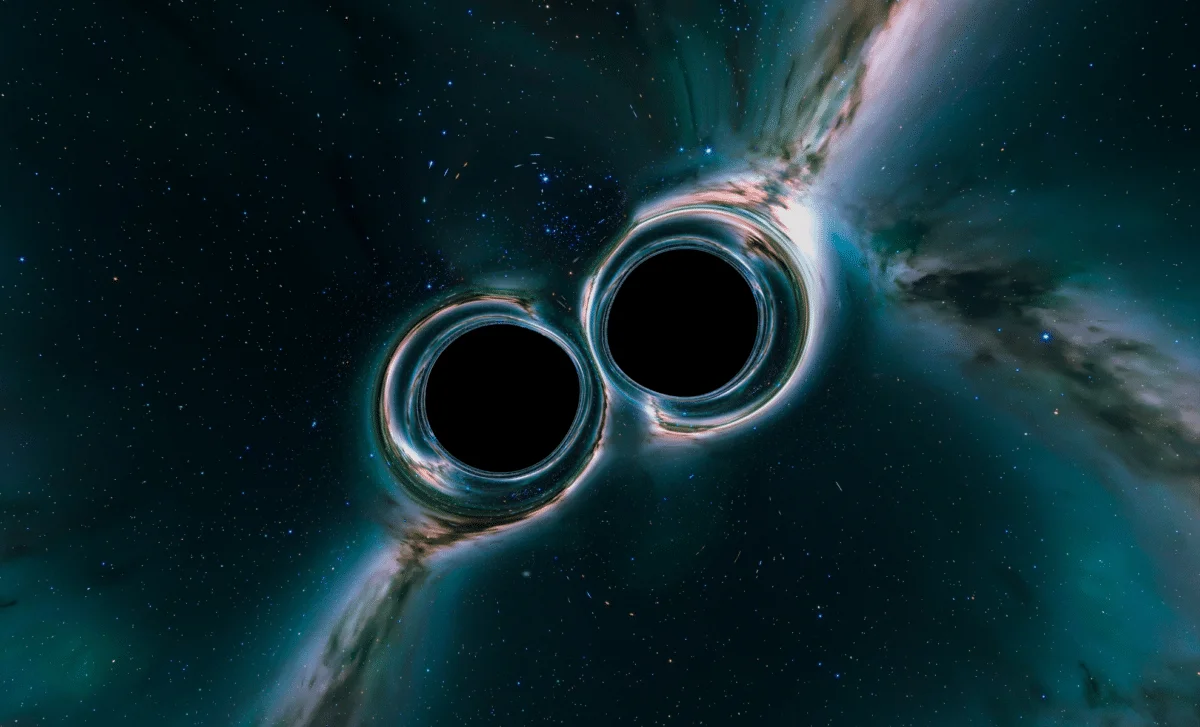
Crystal-Clear Gravitational Wave Confirms Einstein’s General Relativity

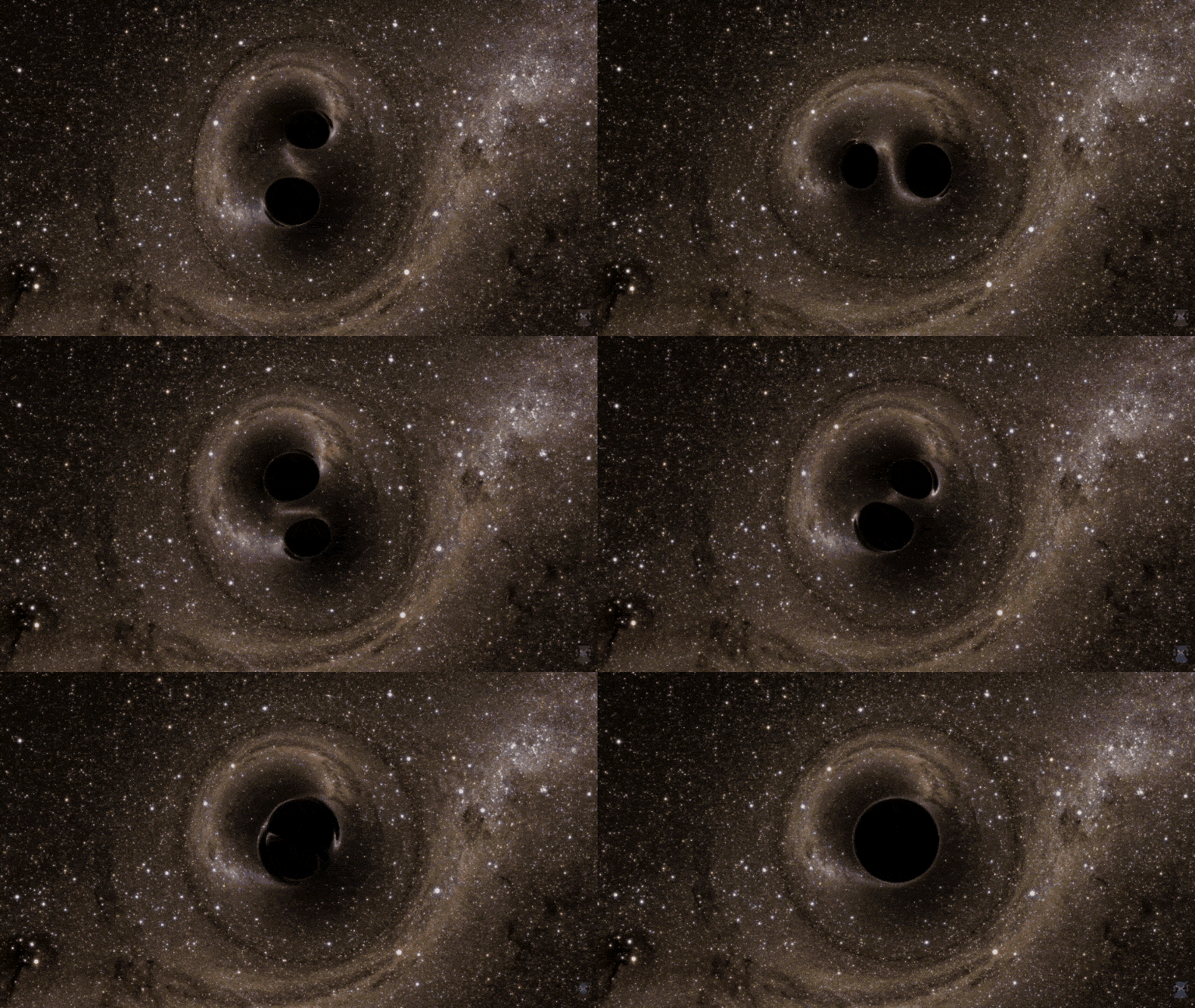
A record-high-quality gravitational wave signal from a binary black hole merger (GW250114) produced multiple ringdown tones that independently yield the same black-hole mass and spin, providing a precise test of general relativity that passes, while underscoring the ongoing pursuit of quantum gravity and related gaps in our understanding.

Record-Breaking Gravitational Wave Reaffirms Einstein’s Relativity
science14 days ago

Record-Breaking Gravitational Wave Reaffirms Einstein’s Relativity

Scientists detected the loudest gravitational wave signal to date, GW250114, from a black-hole merger roughly 1.3 billion light-years away. The exceptionally clear signal lets researchers test Einstein’s general relativity with unprecedented precision, including the ringdown phase and multiple vibration tones, reinforcing GR and propelling future gravitational-wave astronomy with next‑generation detectors like LISA.

Webb spots runaway black holes carving stellar contrails across galaxies
space14 days ago

Webb spots runaway black holes carving stellar contrails across galaxies

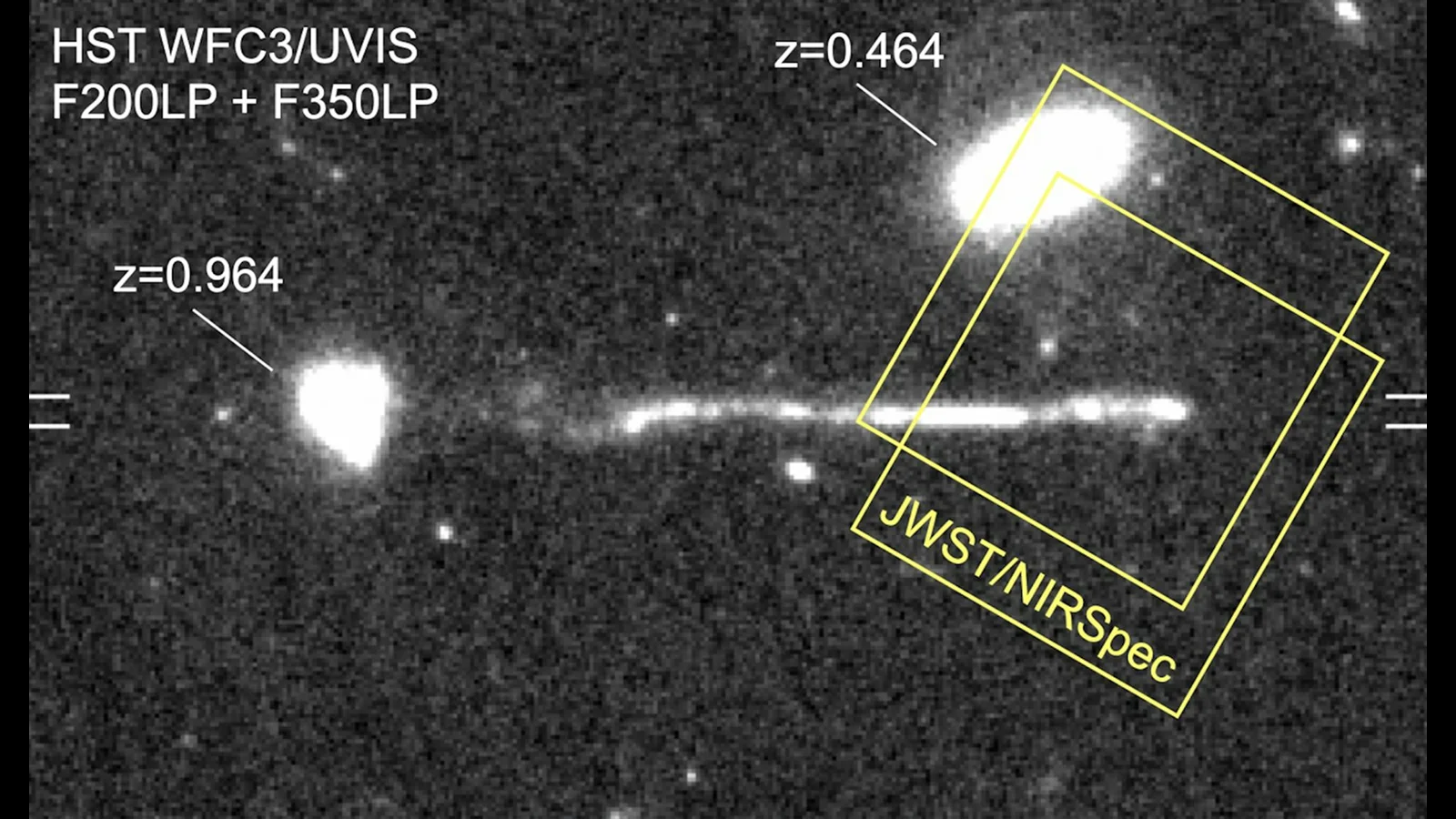
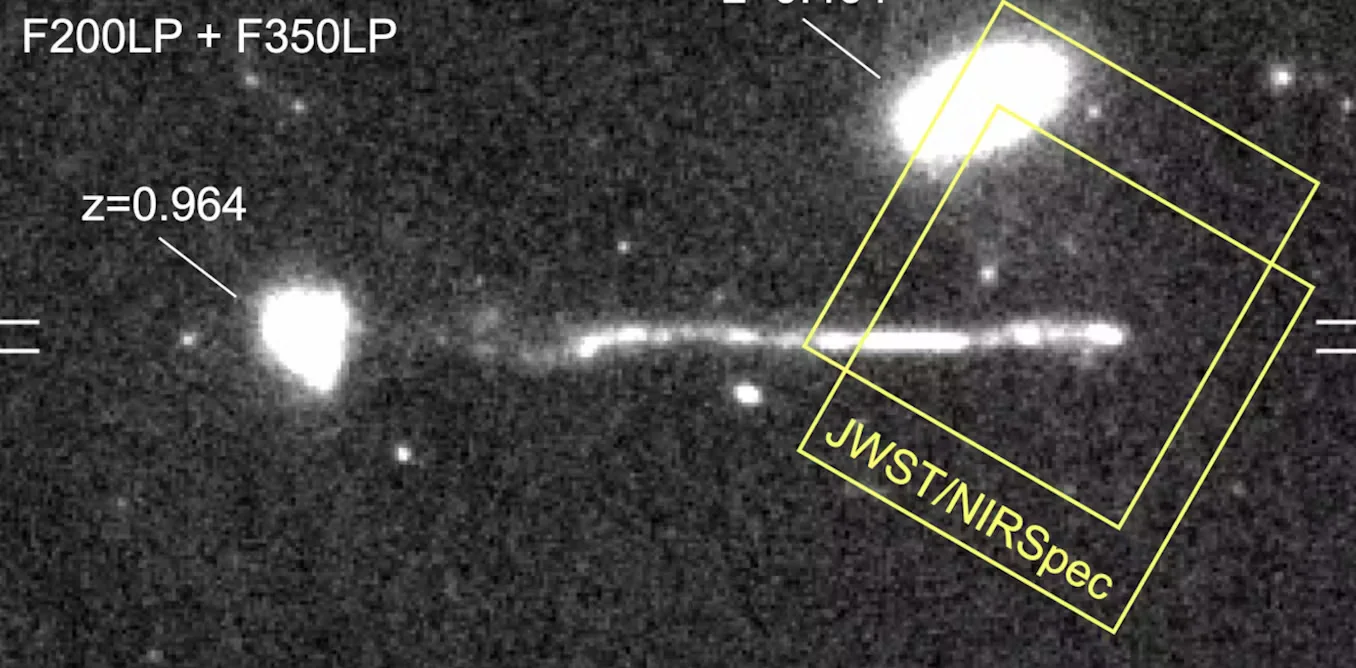
James Webb Space Telescope observations provide strong evidence for runaway black holes being kicked through galaxies by gravitational-wave recoil, leaving long wakes of star formation (contrails) in their path. Webb images show supermassive black holes of millions of solar masses traveling at hundreds to roughly a thousand kilometers per second, producing straight trails that can extend tens to hundreds of thousands of light-years. The phenomenon fits with theories of rotating black holes releasing spin energy and with gravitational-wave mergers, and while such runaways could theoretically traverse between galaxies, their occurrence in our region would be exceedingly rare. The discovery adds a striking new chapter to our understanding of the universe.

Record-Breaking Gravitational Wave Tests Gravity — and Finds Einstein Right Again
science14 days ago

Record-Breaking Gravitational Wave Tests Gravity — and Finds Einstein Right Again

Scientists detected GW250114, the loudest gravitational-wave event yet, from a pair of about 30-solar-mass black holes merging around 1.3 billion light-years away, recorded by LIGO with unprecedented clarity thanks to detector upgrades. The signal allowed detailed tests of general relativity, including two primary ringdown tones and a newly identified overtone, all matching GR predictions and Hawking’s area theorem. This strengthens GR’s validity at extreme gravity and points to future tests with next‑generation detectors (Einstein Telescope, Cosmic Explorer) and space-based LISA.

Runaway Black Holes Leave Cosmic Contrails Across Galaxies
science20 days ago

Runaway Black Holes Leave Cosmic Contrails Across Galaxies

The article explains how spinning black holes can be ejected from galaxies by anisotropic energy release during mergers, and how gravitational-wave observations (LIGO/Virgo) and JWST imaging now provide evidence that such runaway black holes exist, potentially leaving long stellar contrails as they travel through galaxies. While these events can be extremely energetic, they are rare and pose negligible risk to Earth.

NASA supercomputer reveals magnetic chaos before neutron-star merger
science24 days ago

NASA supercomputer reveals magnetic chaos before neutron-star merger

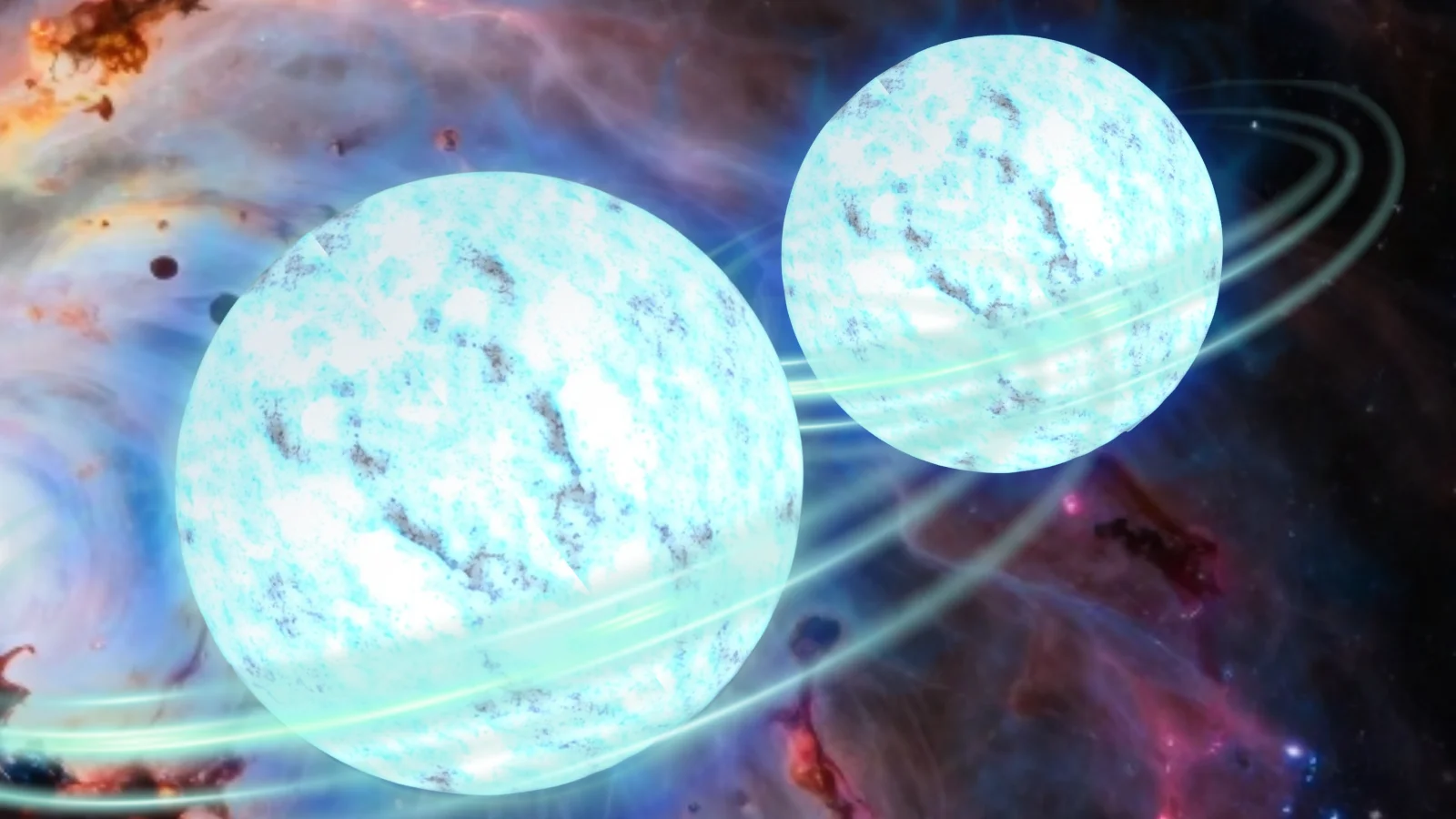
A NASA Goddard-led study used the NASA Pleiades supercomputer to simulate the final orbits of a binary neutron-star system, showing magnetospheres continually reconnecting as the stars spiral in. The simulations indicate high-energy gamma-ray emission is largely trapped by electron-positron pair production, while lower-energy gamma-rays and X-rays may escape depending on the observer's viewpoint. The work helps predict pre-merger signals for future gamma-ray telescopes and gravitational-wave detectors like LISA.

Runaway Black Holes: Cosmic Rockets Leaving Galactic Trails
science1 month ago

Runaway Black Holes: Cosmic Rockets Leaving Galactic Trails

Astronomers say runaway black holes—spun up by mergers—can be ejected at thousands of km/s, leaving straight contrails of stars as they zip through galaxies. Recent JWST observations in 2025 show potential evidence: a ~10-million-solar-mass hole moving ~1,000 km/s with a ~200,000-light-year contrail and another ~2-million-solar-mass hole in NGC3627 at ~300 km/s with a ~25,000-light-year trail. While these events are rare, such runaways could travel between galaxies, and, in theory, even pass through our Solar System, though the odds are extremely small.

Early black holes could gorge growth to birth the first cosmic giants
science1 month ago

Early black holes could gorge growth to birth the first cosmic giants

New computer simulations propose that the first generation of tiny black holes formed in the chaotic, gas-rich early universe could undergo brief, super-Eddington feeding frenzies, rapidly growing into seeds that merge to form the supermassive black holes seen in young galaxies. This mechanism helps explain how SMBHs could exist within the first billion years after the Big Bang, and future space-based gravitational-wave detectors like LISA may observe the mergers of these early black holes.