Tag

Dwarf Galaxies

All articles tagged with #dwarf galaxies

Tiny Galaxies, Bigger Black Holes: New Census Boosts Dwarf-Galaxy AGN Presence
science1 month ago

Tiny Galaxies, Bigger Black Holes: New Census Boosts Dwarf-Galaxy AGN Presence

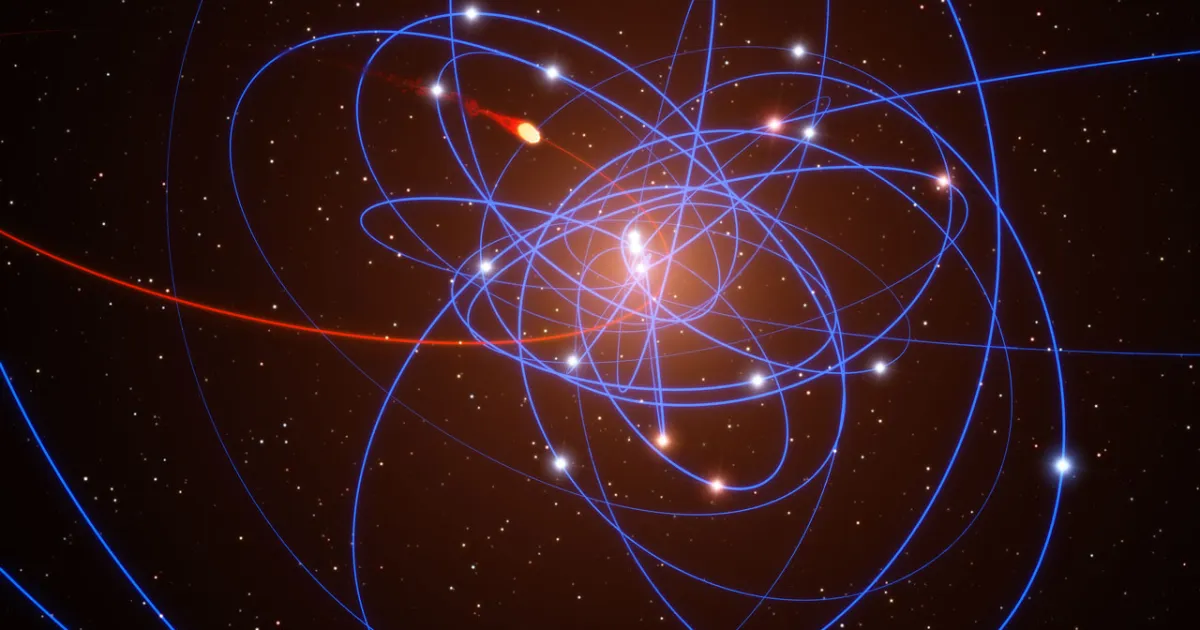
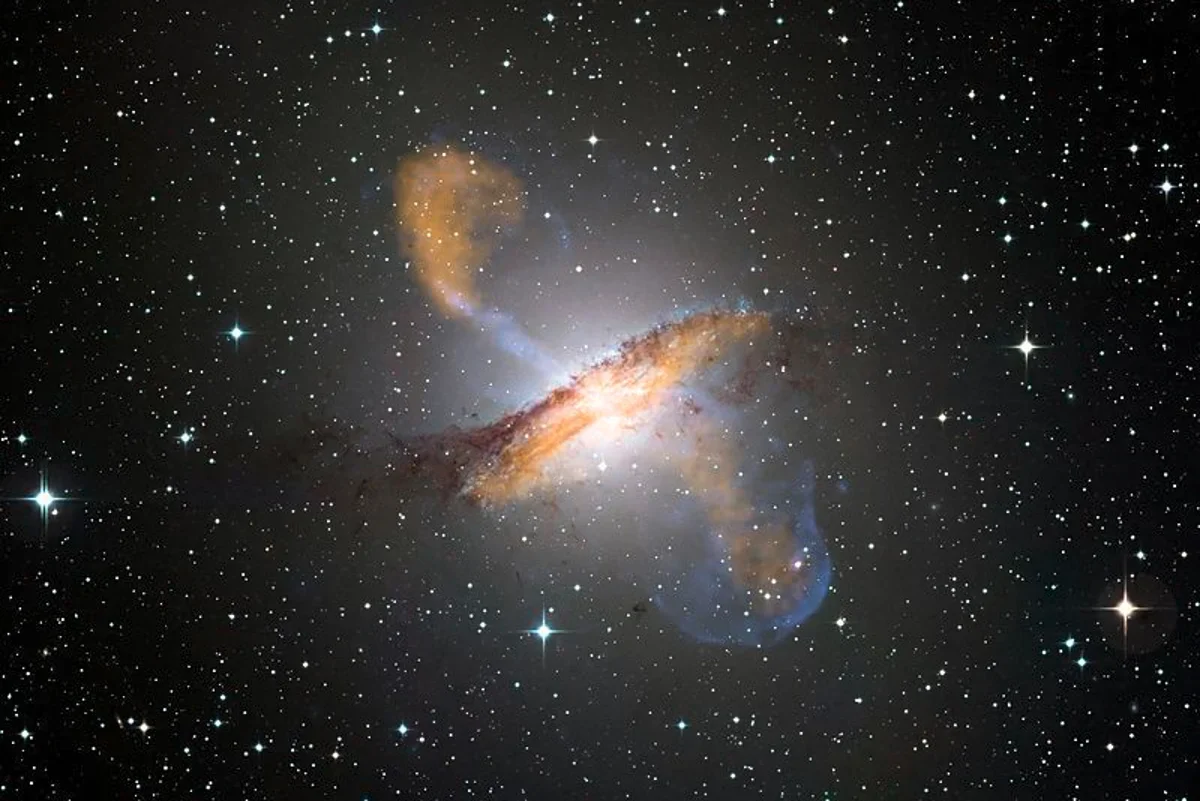
A comprehensive census of over 8,000 nearby galaxies finds that active galactic nuclei are more common in dwarf galaxies than previously thought—roughly 2–5%—though far less than in mid-sized or large galaxies, suggesting a mass-dependent increase in AGN activity and underscoring the need for improved detection of faint black holes.
Tiny galaxies vanish from the early universe, study suggests
astronomy1 month ago

Tiny galaxies vanish from the early universe, study suggests

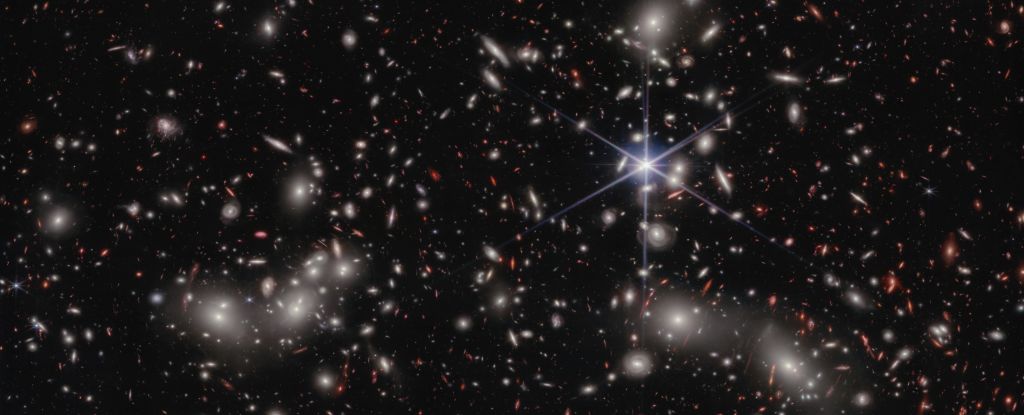
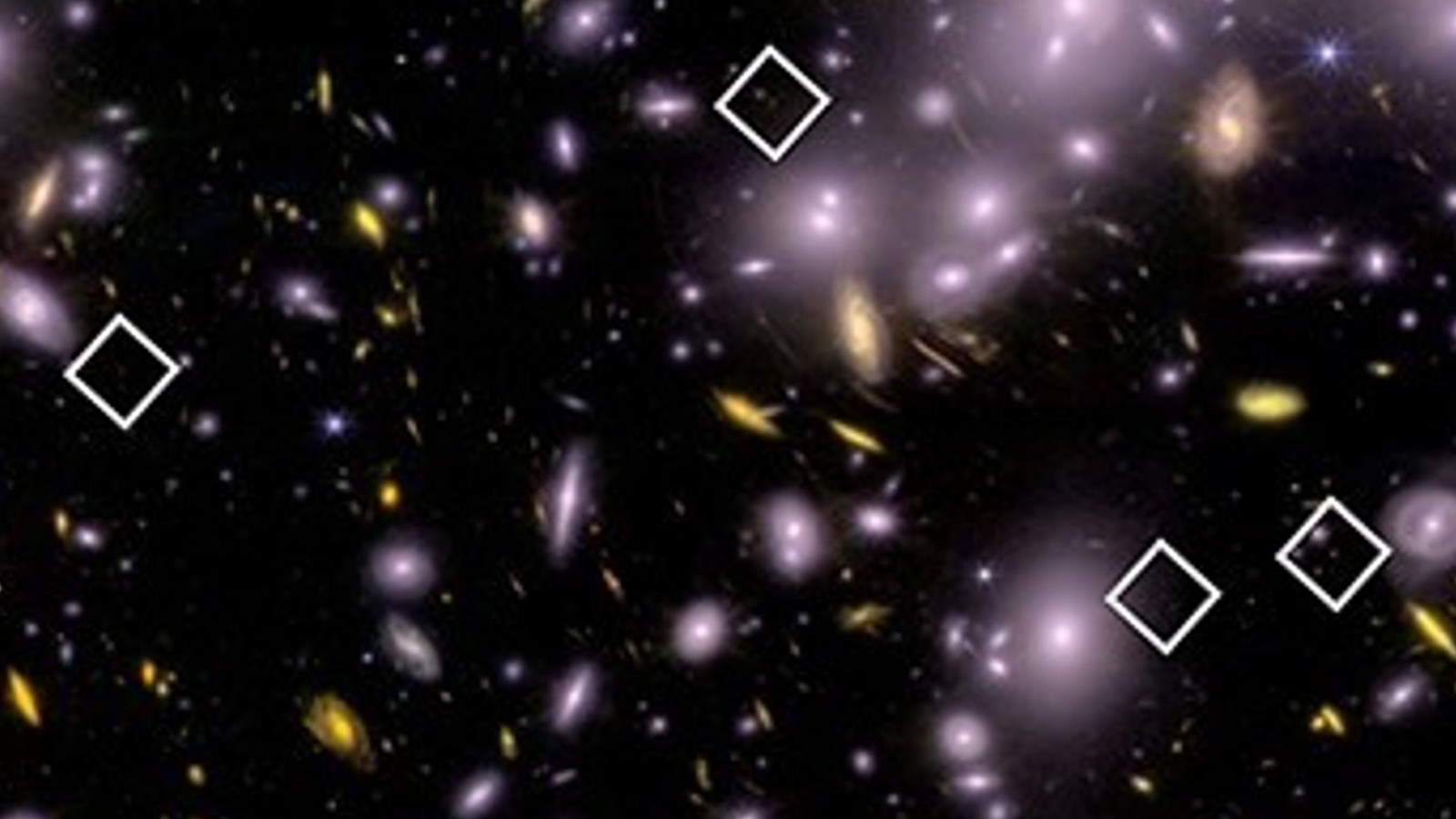
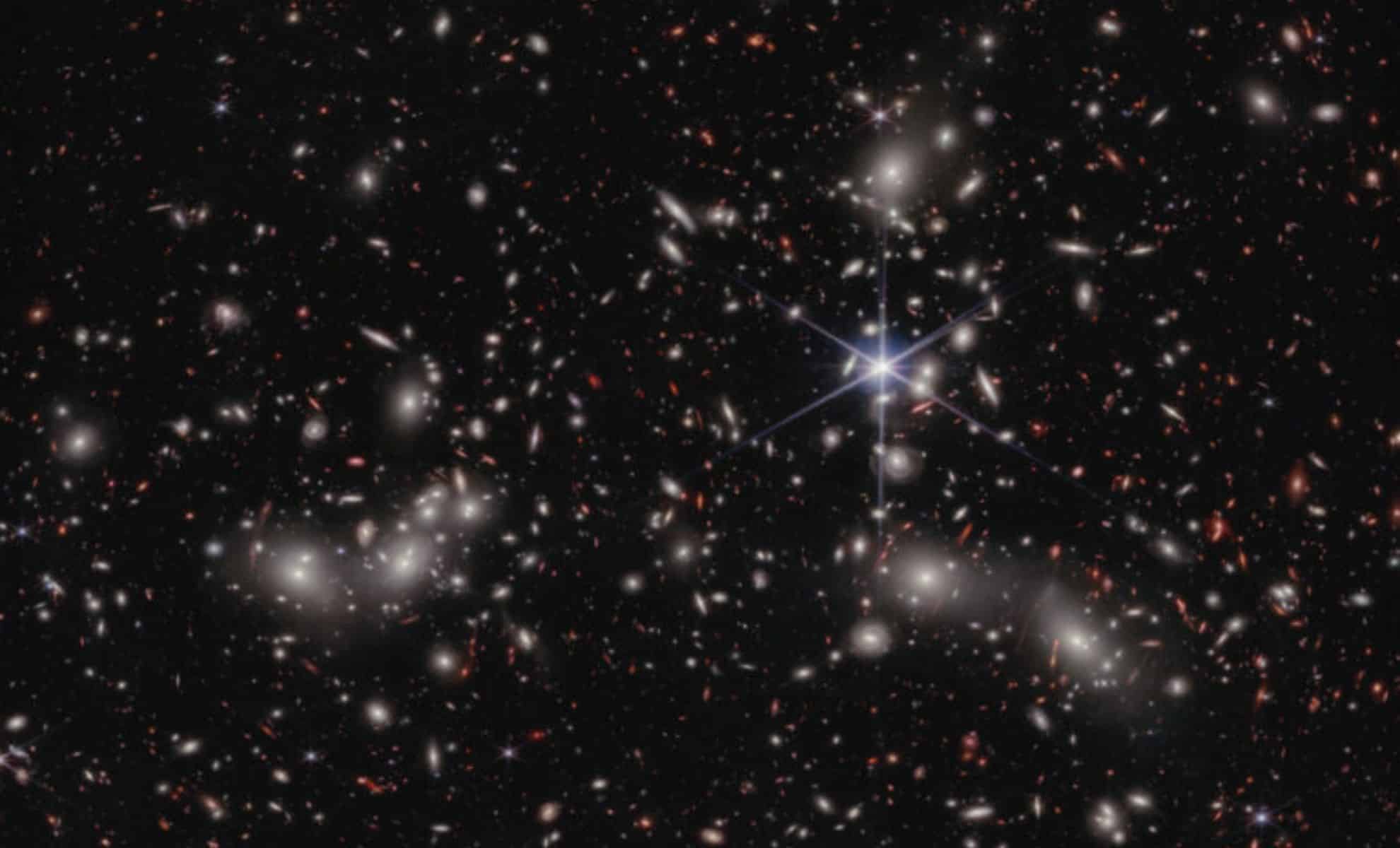
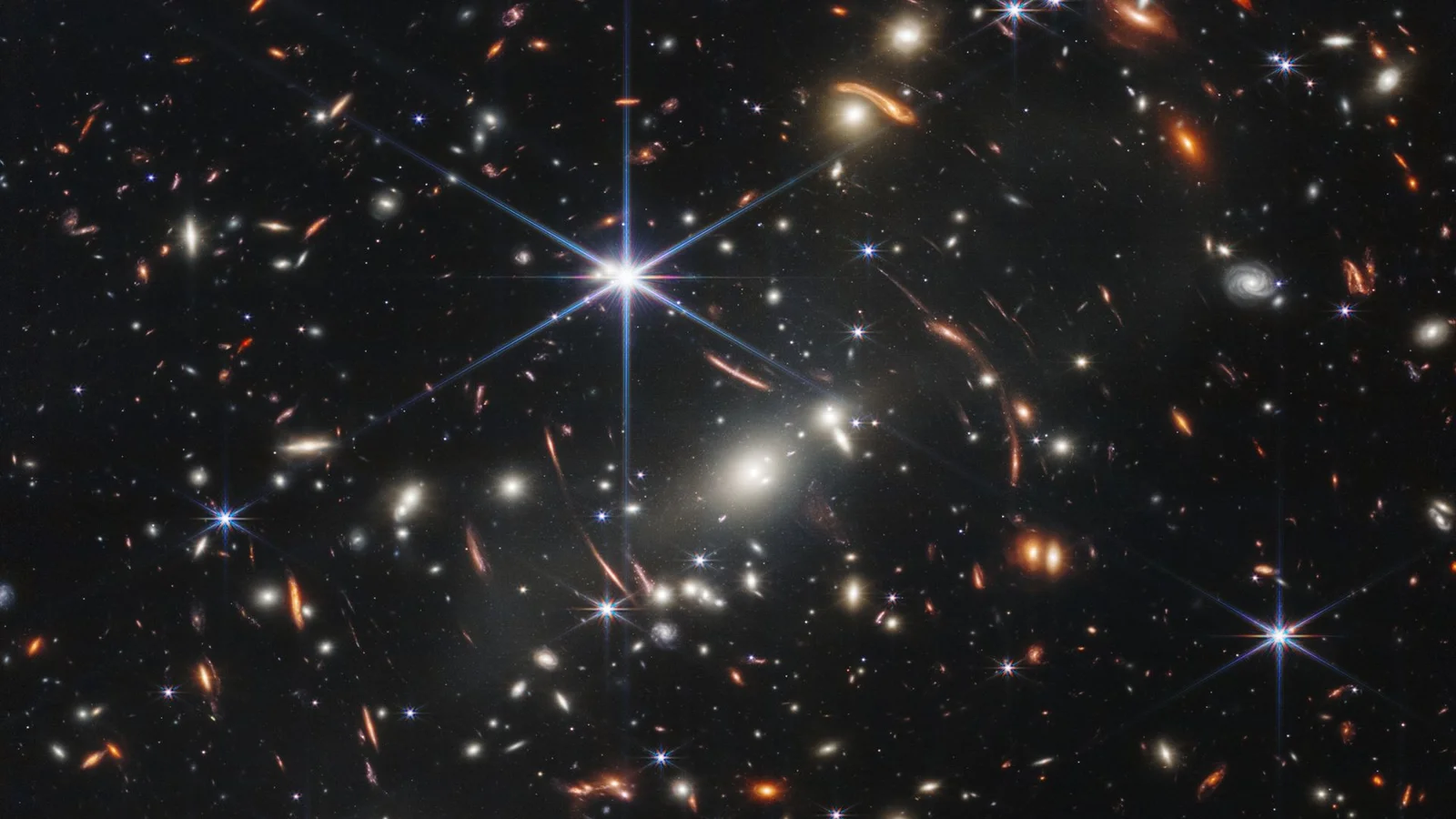
A JWST-backed study using gravitational lensing of galaxy cluster Abell 2744 analyzes faint, distant galaxies from the Epoch of Reionization. It finds a drop-off in ultrafaint galaxies—faint-end suppression—contradicting the expectation that there should be many more tiny galaxies. The result implies early radiation heated surrounding gas, preventing star formation in low‑mass halos and challenging the idea that the smallest galaxies powered reionization; however, conclusions depend on the cluster's lens model, and more JWST data across additional clusters are needed to confirm whether this is a universal trend.

New Study Confirms Dark Matter Follows Gravity Like Ordinary Matter
science3 months ago

New Study Confirms Dark Matter Follows Gravity Like Ordinary Matter

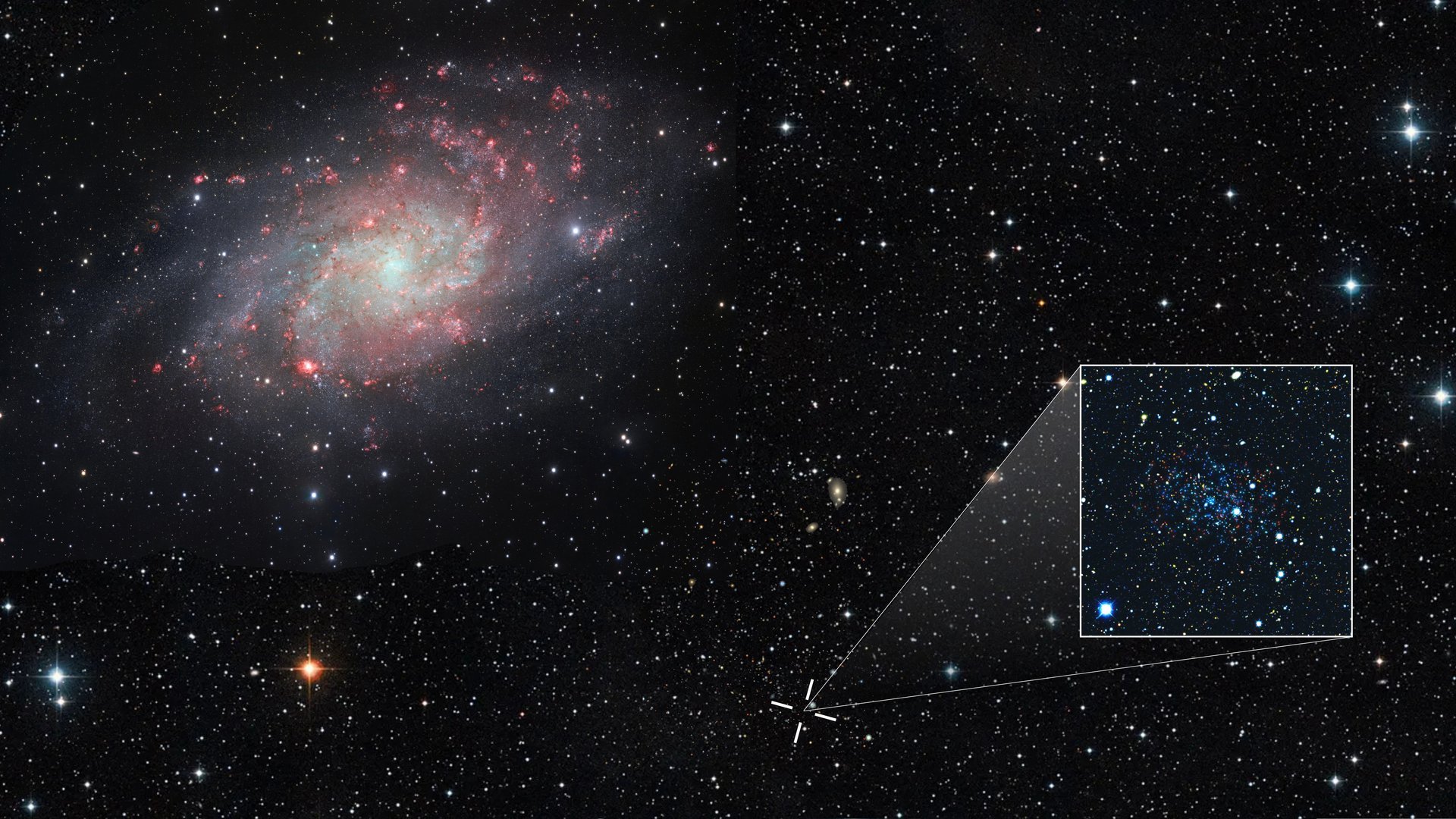
A recent study analyzing 12 dwarf galaxies provides strong evidence supporting the existence of dark matter, challenging alternative theories like Modified Newtonian Dynamics (MOND). The findings show that the gravitational fields of these galaxies cannot be explained by visible matter alone, reinforcing the dark matter hypothesis and narrowing the search for its nature.

Unveiling the Dawn of Time's First Light
science4 months ago

Unveiling the Dawn of Time's First Light

Recent observations from the Hubble and James Webb Space Telescopes suggest that small dwarf galaxies played a crucial role in illuminating the early Universe during cosmic reionization, challenging previous assumptions that larger galaxies and black holes were the primary sources of ionizing radiation. This discovery highlights the importance of low-mass galaxies in shaping the Universe's evolution and opens new avenues for understanding our cosmic origins.

Supermassive Black Holes May Anchor Tiny Galaxies
astronomy8 months ago

Supermassive Black Holes May Anchor Tiny Galaxies

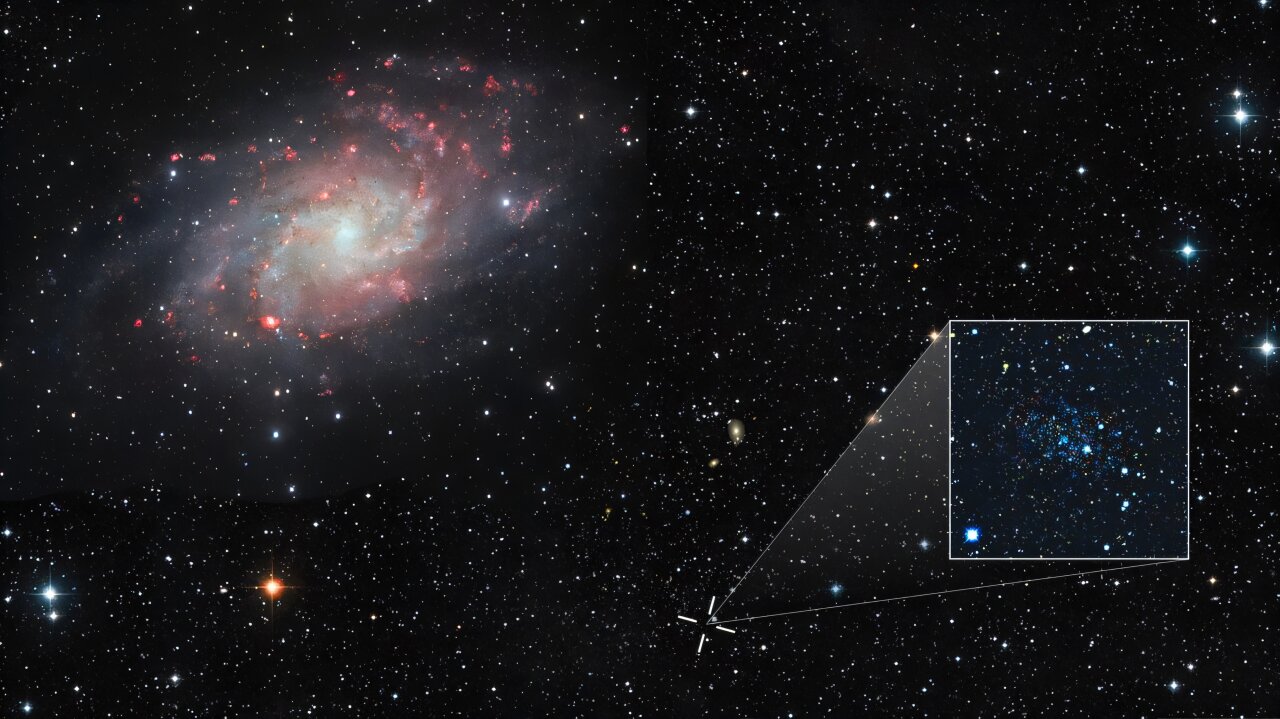
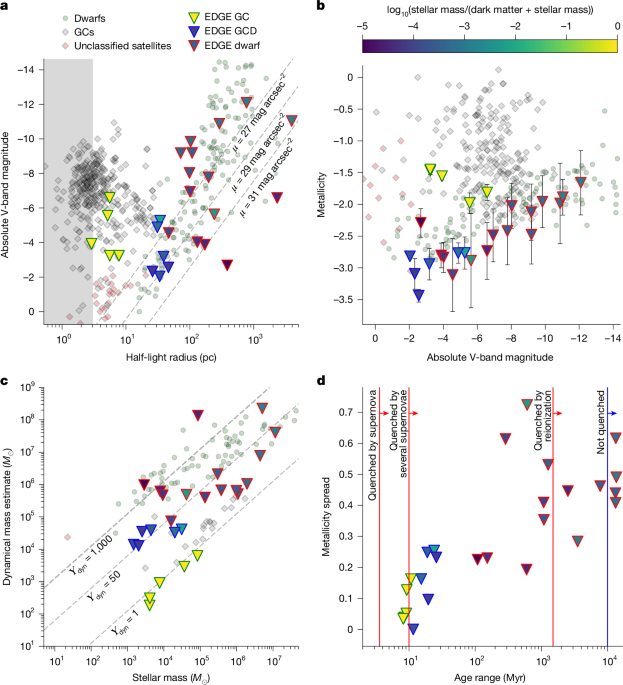
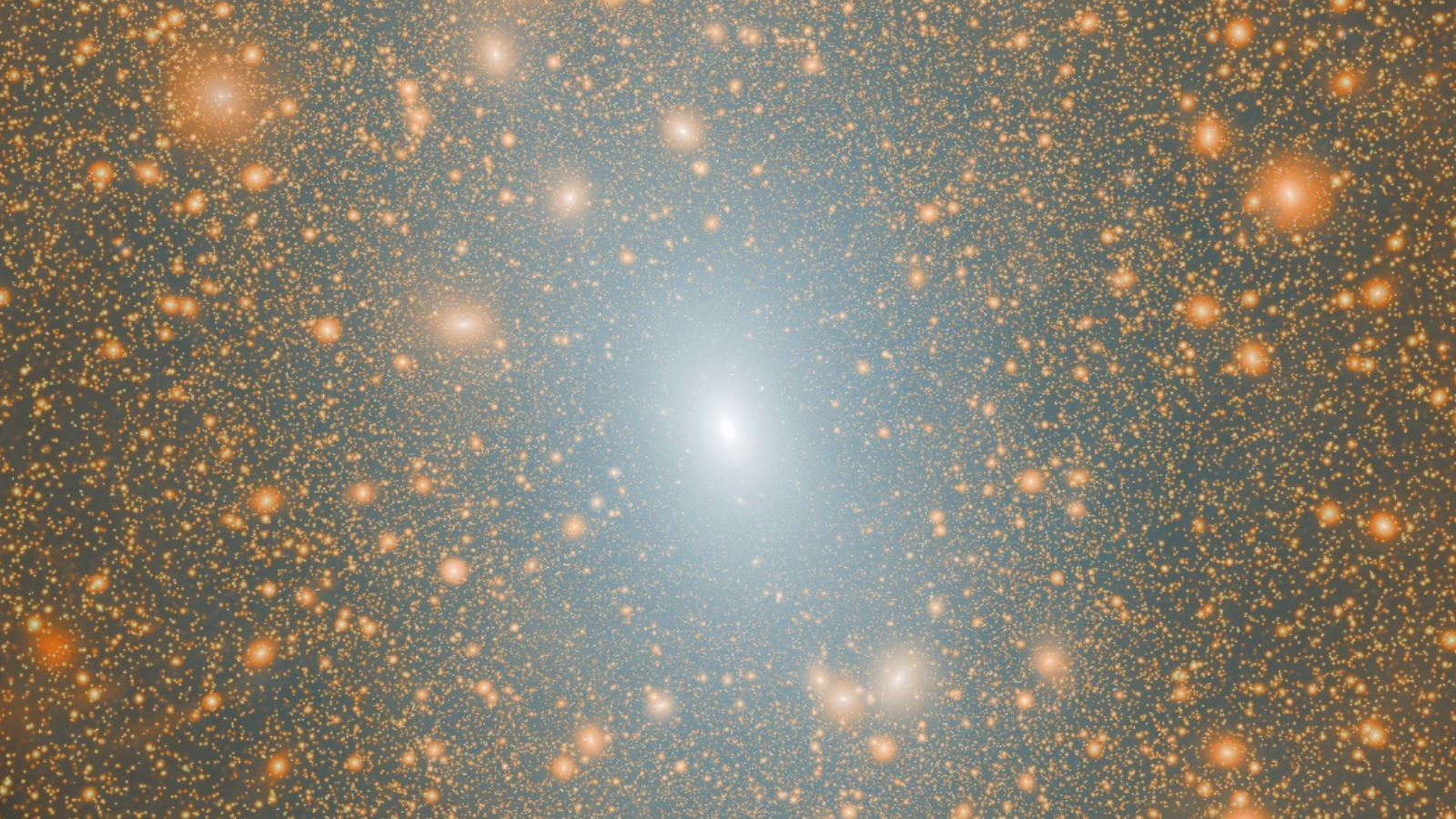
The article explores the role of supermassive black holes in anchoring tiny galaxies, highlighting that smaller galaxies tend to be more dark matter dominated and may host supermassive black holes, with some evidence suggesting a connection between black holes and the structure of these faint galaxies, especially in the context of dark matter and galaxy formation.

Astronaut Captures Stunning Galaxy Views from ISS
space1 year ago

Astronaut Captures Stunning Galaxy Views from ISS

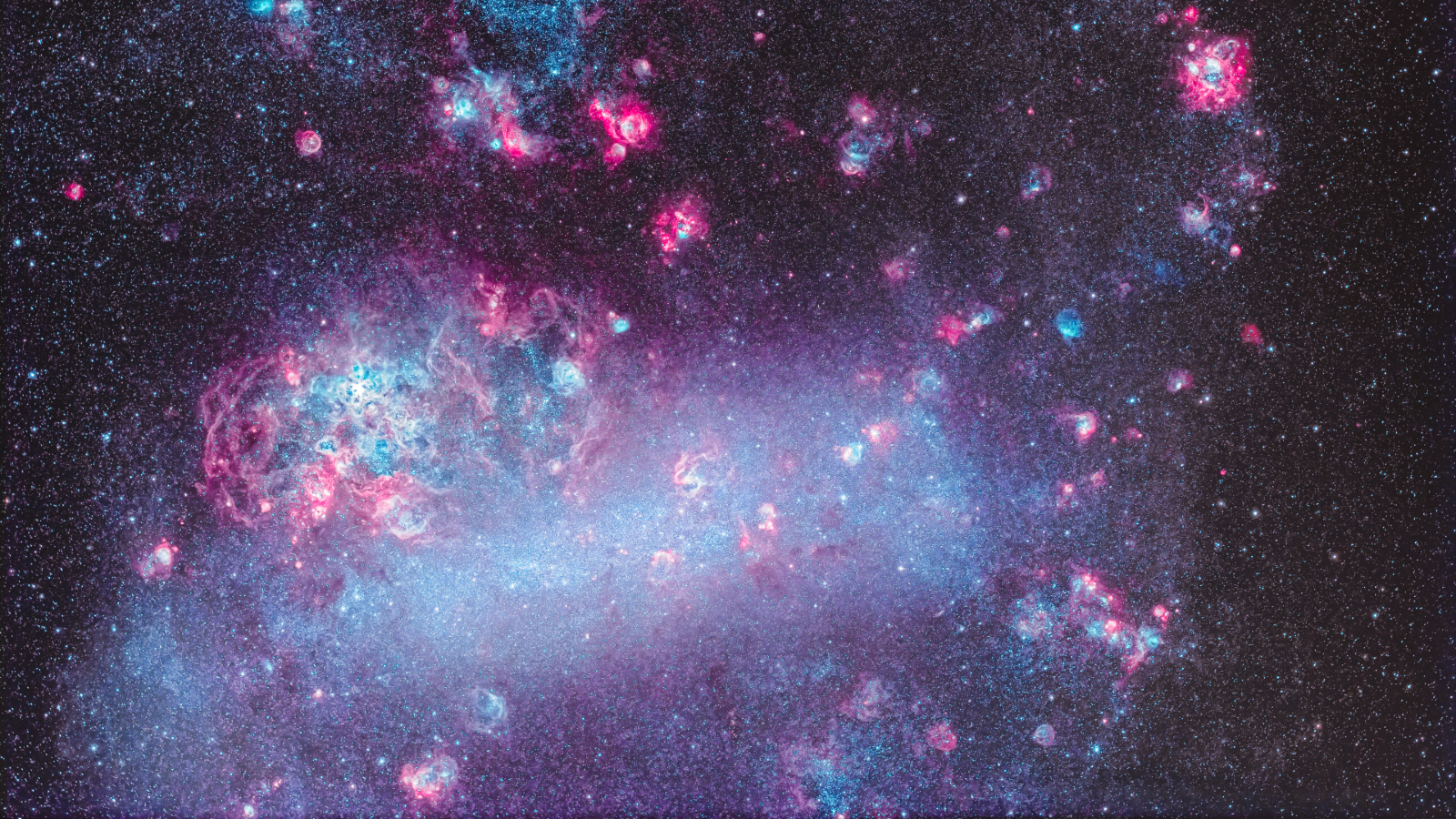
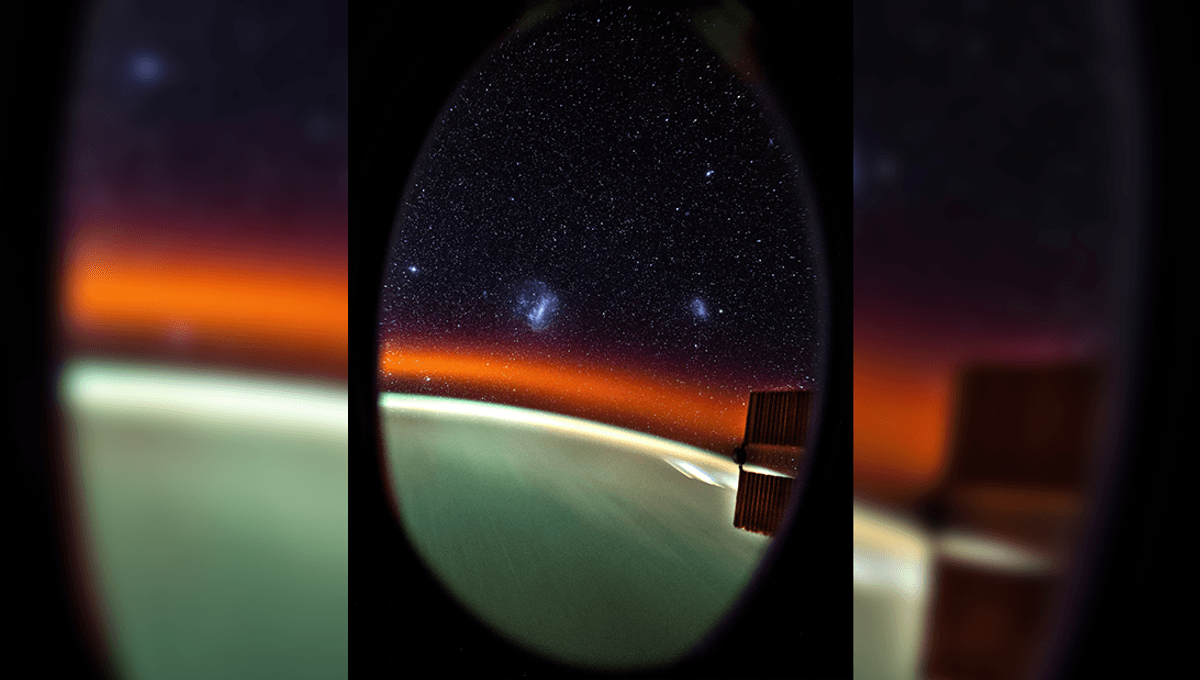
NASA Astronaut Don Pettit captured stunning images of the Large and Small Magellanic Clouds, two dwarf galaxies, from the International Space Station (ISS). Despite common misconceptions, stars are visible from space, and Pettit used a homemade tracker to counteract the ISS's rapid movement, allowing for clear photos. His work highlights the challenges of space photography, such as dim stars and rapid motion. Additionally, Pettit shared a video of "cosmic fireflies," which are actually reflections from Starlink satellites, raising concerns about light pollution from satellite megaconstellations.

Galactic Cluster Challenges Universe Model
science1 year ago

Galactic Cluster Challenges Universe Model

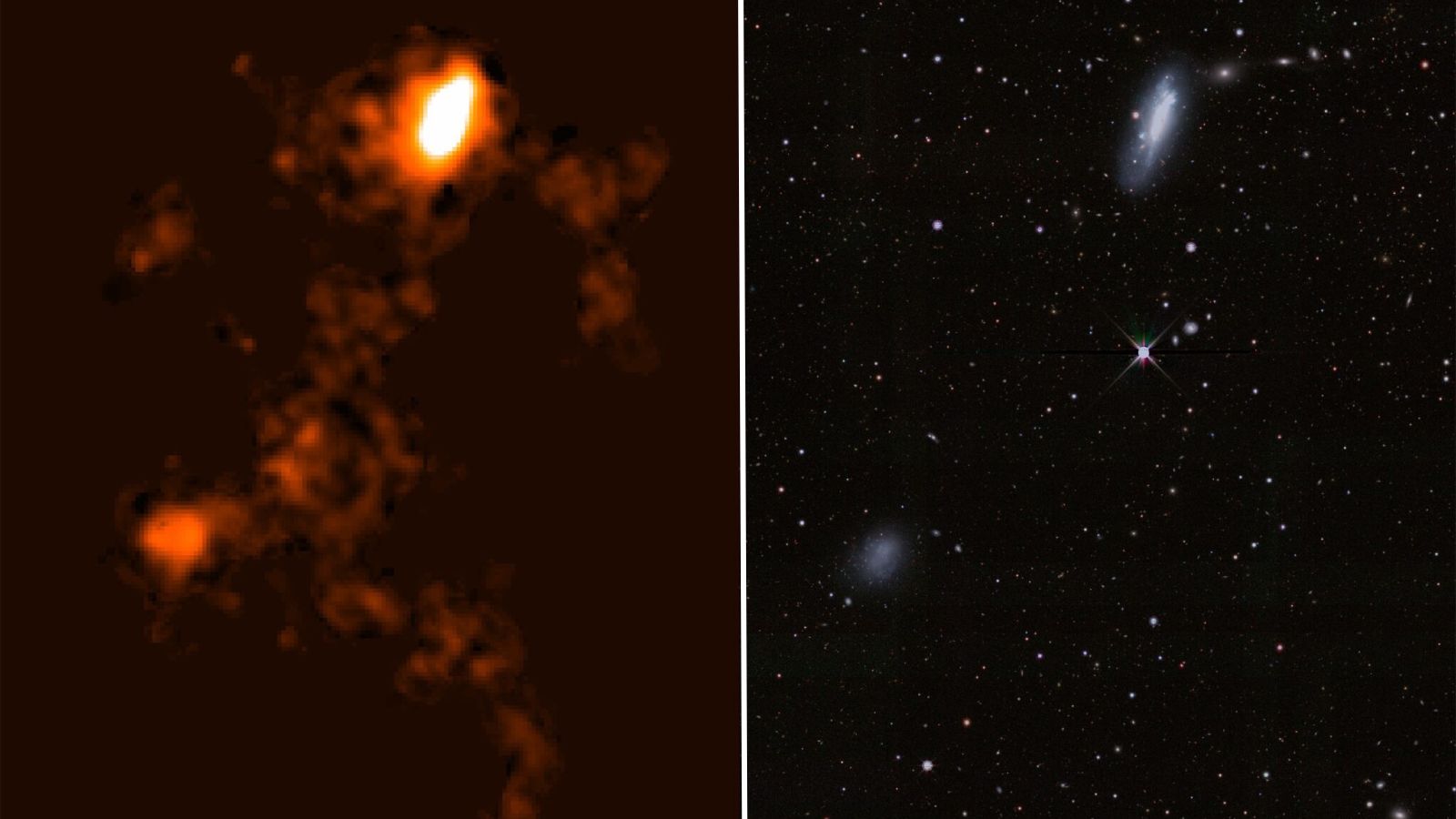
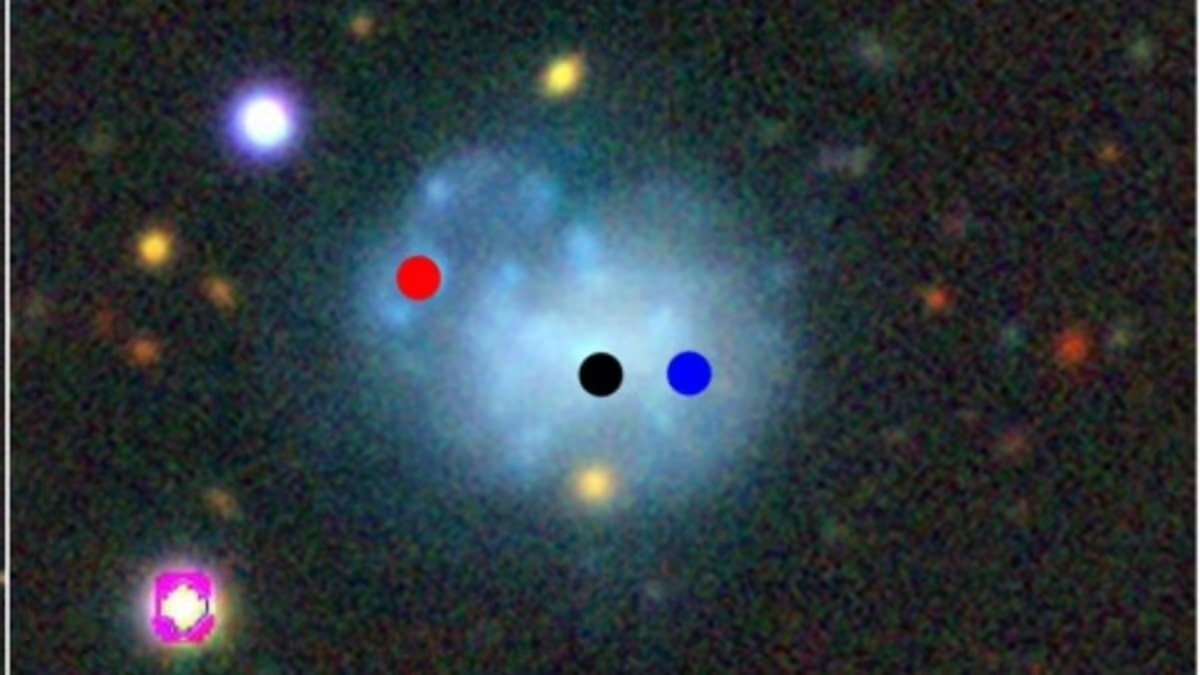
Astronomers have discovered a rare group of five interacting dwarf galaxies, located 117 million light years away, challenging the prevailing Lambda cold dark matter model of the universe. These galaxies, designated D1 to D5, are aligned in a straight line and show signs of mutual tidal interactions, with some sharing a common rotational direction. This unusual configuration raises questions about galaxy formation and evolution, potentially offering new insights into cosmological history. The findings were published in The Astrophysical Journal Letters.