Tag

Meteors

All articles tagged with #meteors

science14 days ago

January's Meteor Shower and Supermoon to Illuminate Night Skies

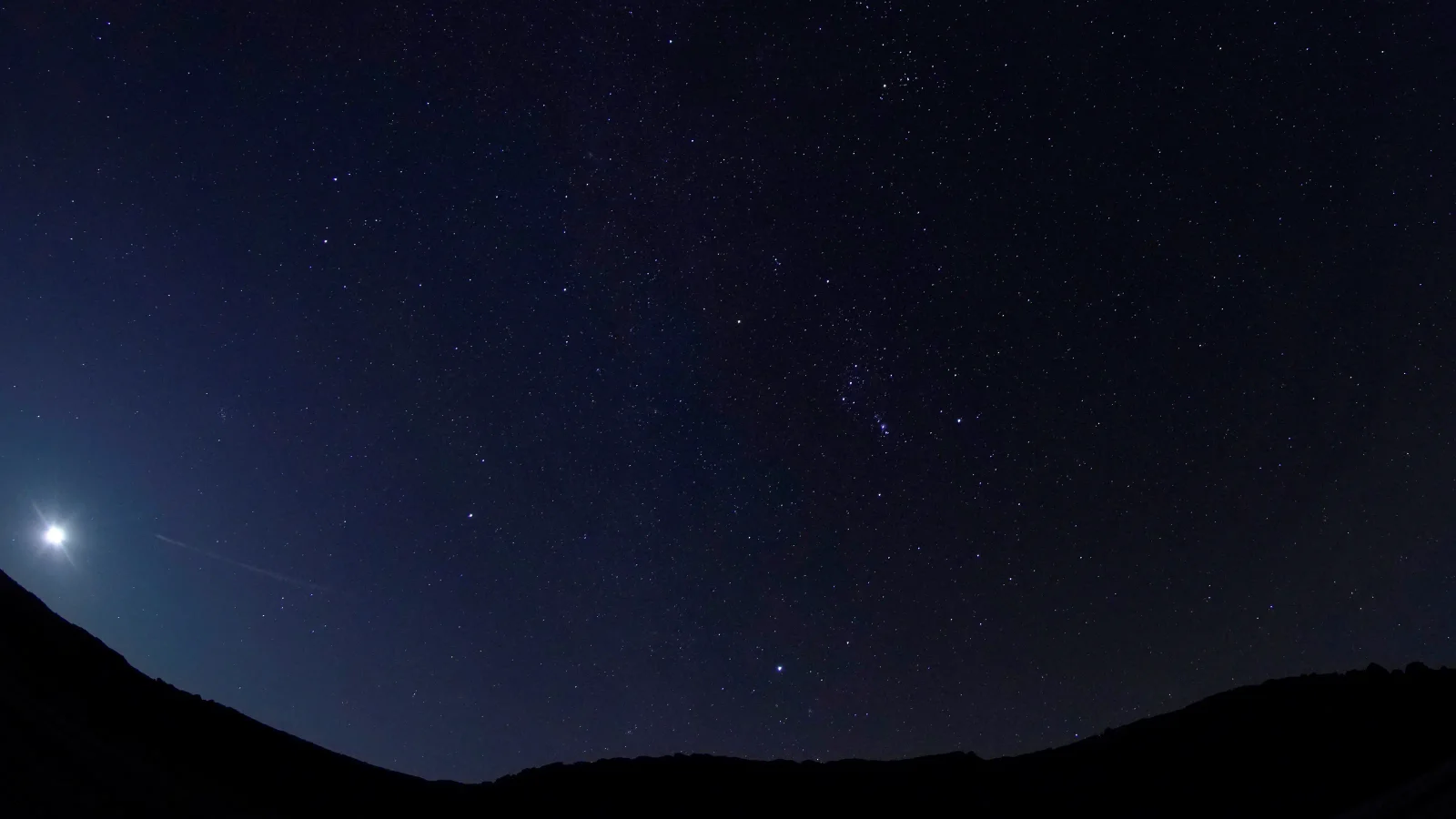
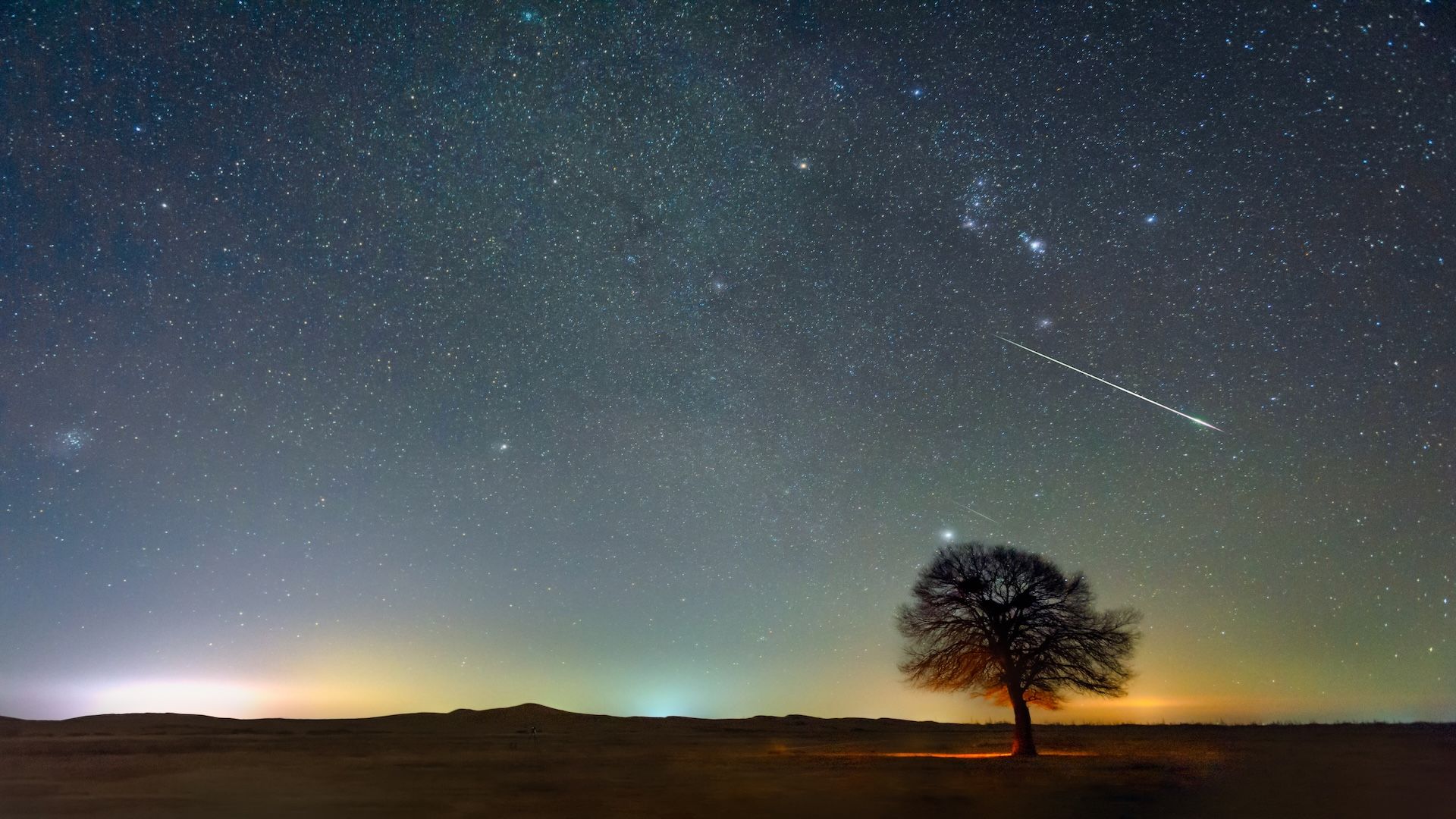
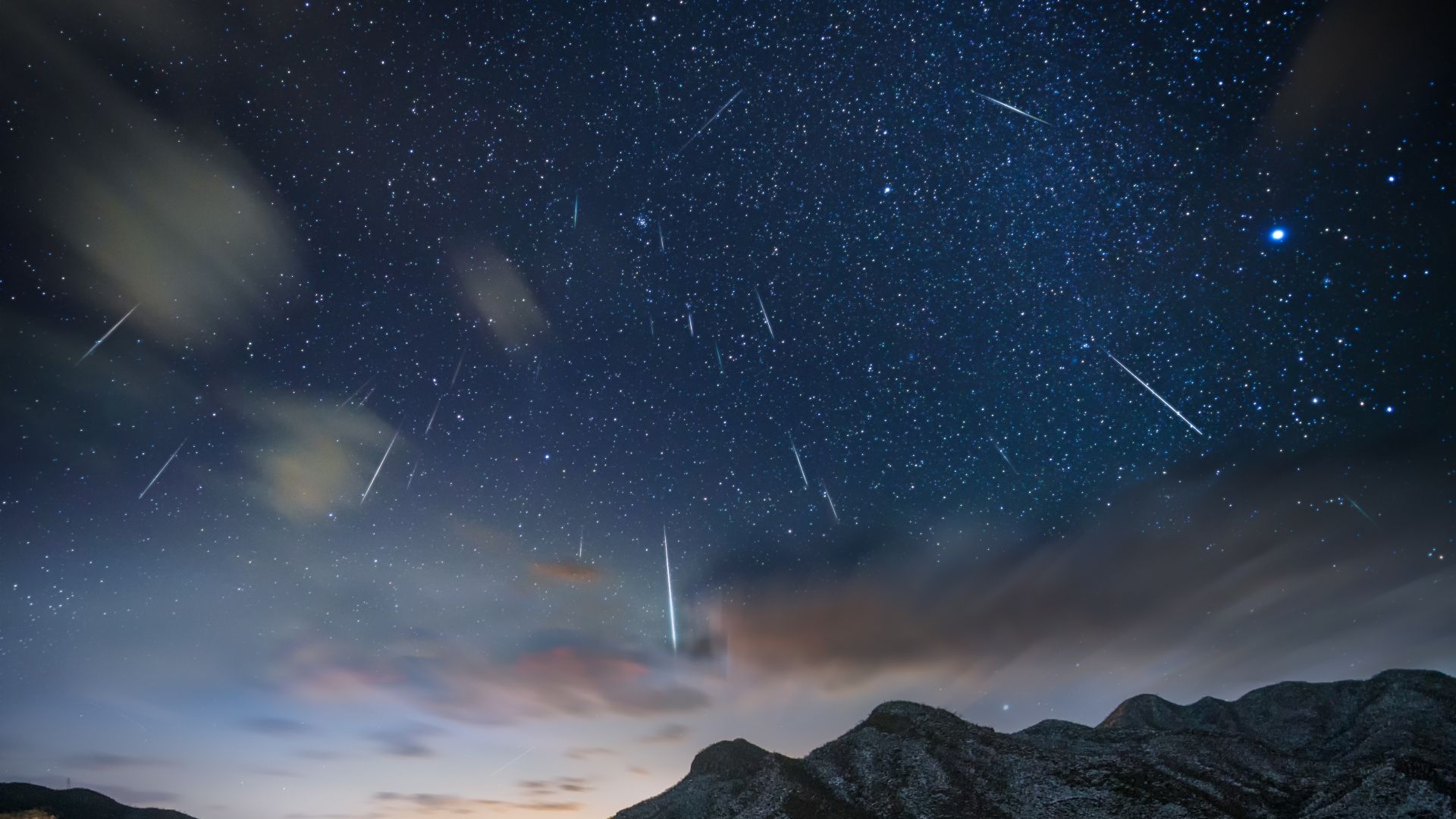
The first supermoon and Quadrantid meteor shower of the year will occur in January, but the bright moonlight may reduce the visibility of the meteors, which are best seen from the Northern Hemisphere in dark skies before dawn. Both events are visible without special equipment, with the meteor shower peaking Friday night into Saturday morning and the supermoon visible throughout the night.
science26 days ago

Upcoming Meteor Showers in December 2025: When and Where to Watch

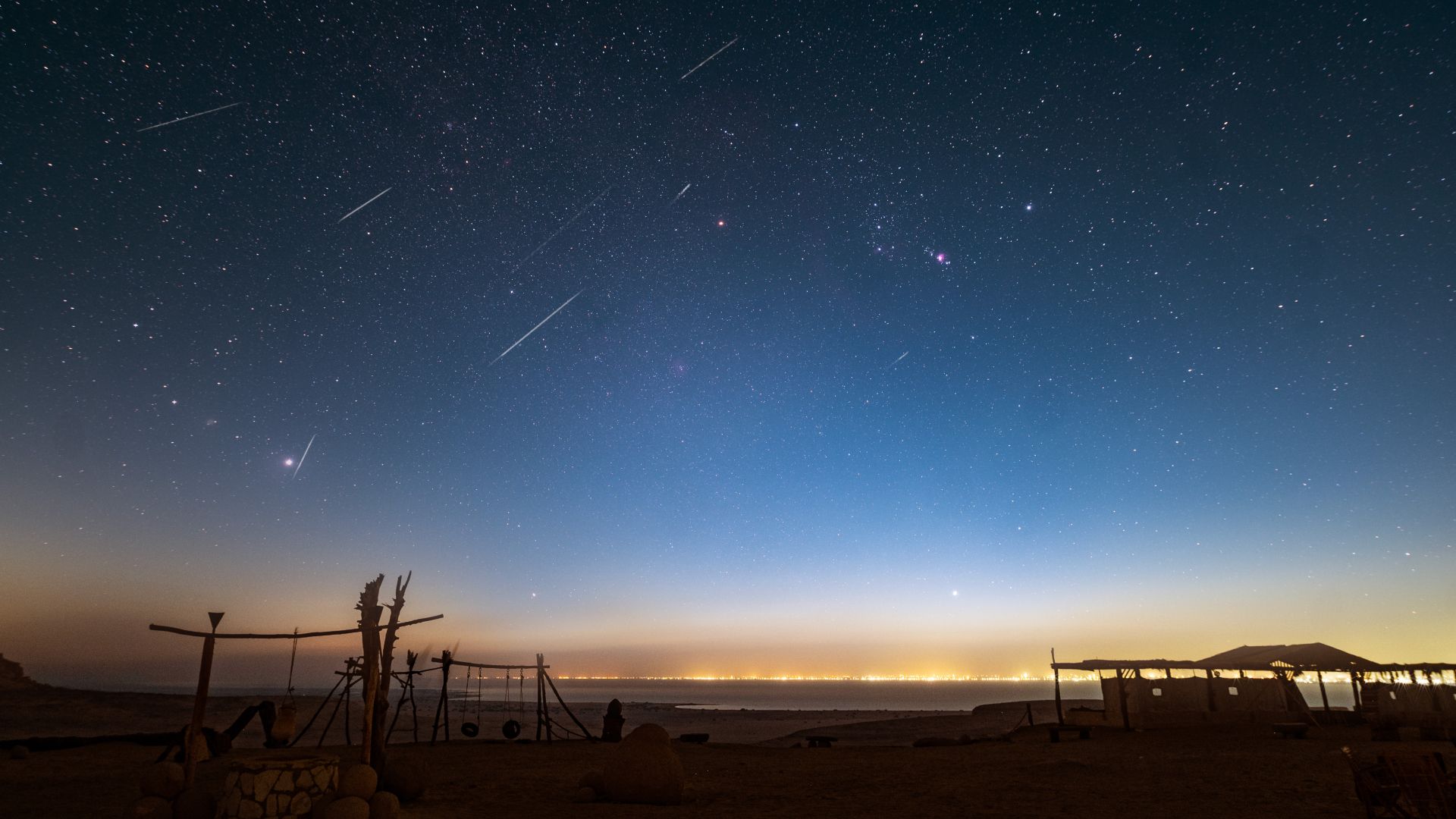
The Ursid meteor shower peaks overnight on December 21-22, 2025, coinciding with the winter solstice, offering a great opportunity for stargazing under dark skies, especially before dawn on December 22 when the radiant point is highest in the northern sky. The shower, caused by debris from Comet 8P/Tuttle, usually produces 5-10 meteors per hour but can have outbursts exceeding 25, with historical peaks of 100 meteors per hour.

science3 months ago

October's Meteor Showers: Highlights and Viewing Tips

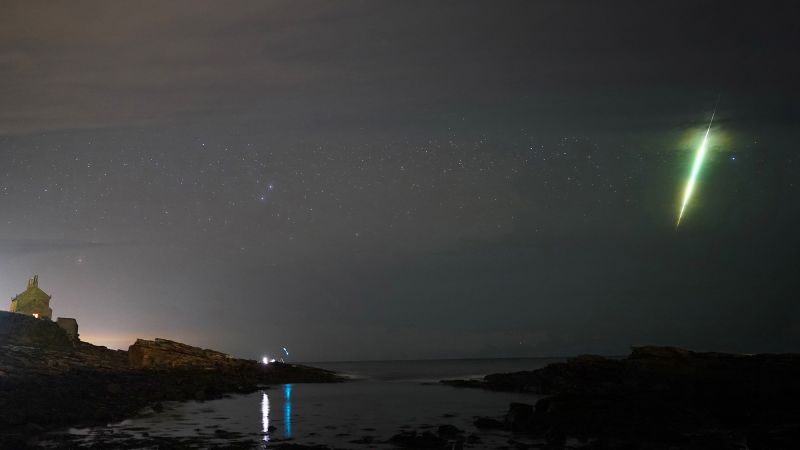
The Draconid meteor shower peaks this week around 3 p.m. ET, but visibility may be limited due to the supermoon brightness. Best viewing is right after dark toward the northern sky, especially near the constellation Draco, though activity is expected to be low. The Orionids will peak later this month with better visibility during a new moon, offering 10-20 meteors per hour. The Draconids are known for rare meteor storms, occurring roughly every six years.

science4 months ago

Aurigid Meteor Shower Peaks Overnight on August 31

The Aurigid meteor shower peaks on August 31, offering a chance to see up to six shooting stars per hour as Earth passes through debris from comet C/1911 N1 Kiess, with the best viewing time in the early hours of September 1 in the eastern sky. Stargazers are advised to look away from the radiant near theta Aurigae and can enhance their experience with suitable cameras like the Nikon Z6 II.

science5 months ago

Perseid Meteor Shower 2025: How, When, and Where to Watch the Spectacle

The Perseid meteor shower, visible until August 23 and peaking on August 12-13, offers a spectacular view of bright meteors, especially in dark rural areas. Despite moonlight and weather challenges, Ohio residents can maximize their viewing by visiting designated dark sky parks like Geauga Observatory Park and Fry Family Park, and watching after midnight or before dawn. Clear skies and minimal light pollution are key for the best experience.

astronomy2 years ago

"Unveiling the Astonishing Secrets of Comets and Meteors"

Recent discoveries in the field of astronomy have shed light on comets and meteors. Comets, small chunks of ice and dust, have long, looping orbits around the Sun and can heat up when they swing close to it, forming a bright head and a tail. Comet 12P/Pons-Brooks, nicknamed "The Devil Comet," recently showed two plumes of gas. Asteroids, small rocky objects that orbit the Sun, are mostly found in the Asteroid Belt between Mars and Jupiter. NASA's OSIRIS-REx mission successfully brought pieces of an asteroid to Earth, while the Lucy mission discovered a tiny moon circling the asteroid Dinkinesh. Comets and asteroids also produce meteor showers, with the upcoming Leonid Meteor shower originating from the comet 55P/Tempel-Tuttle.

science2 years ago

Unraveling the Enigmatic Light Phenomenon on Venus Leaves Scientists Perplexed

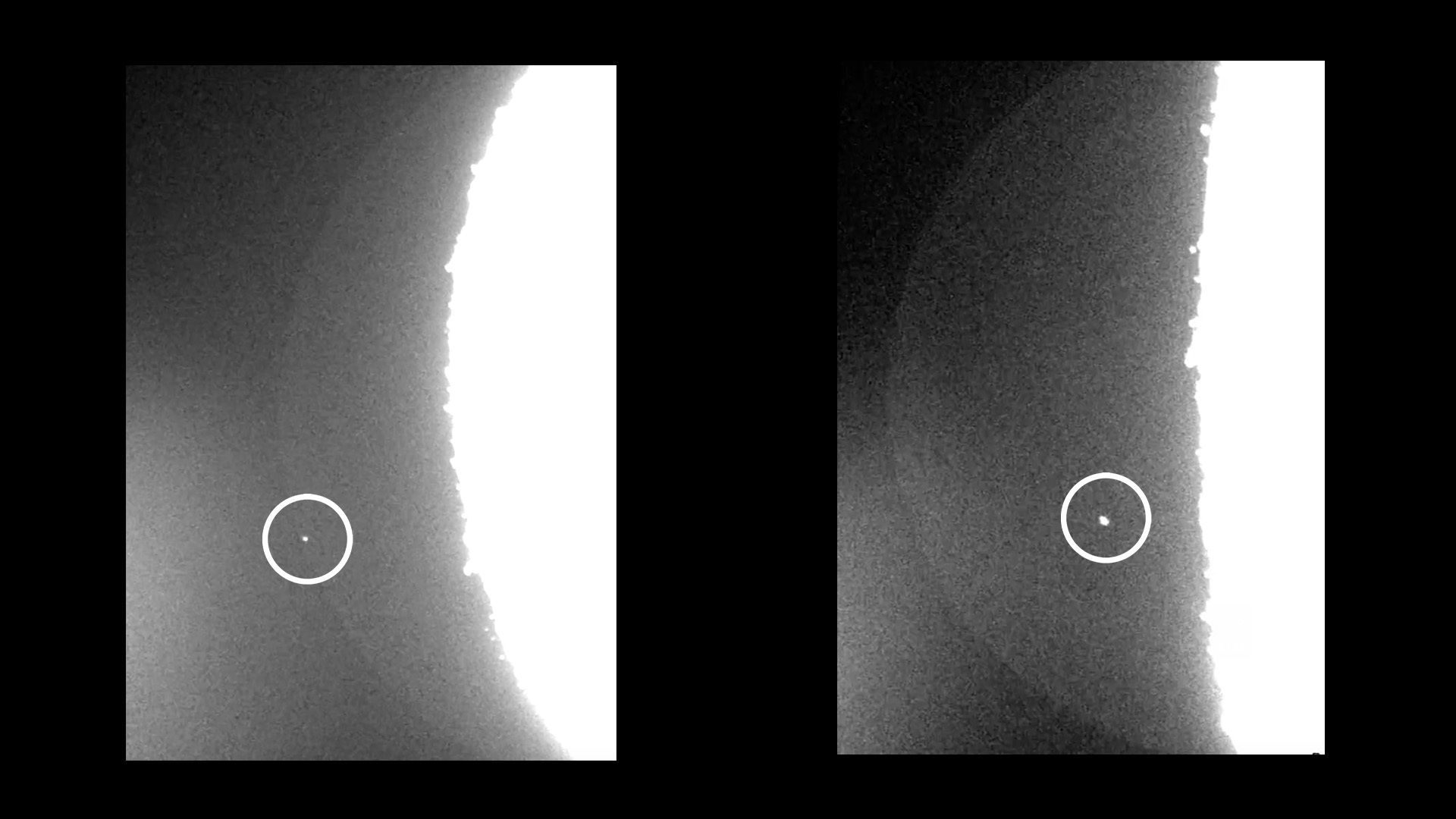
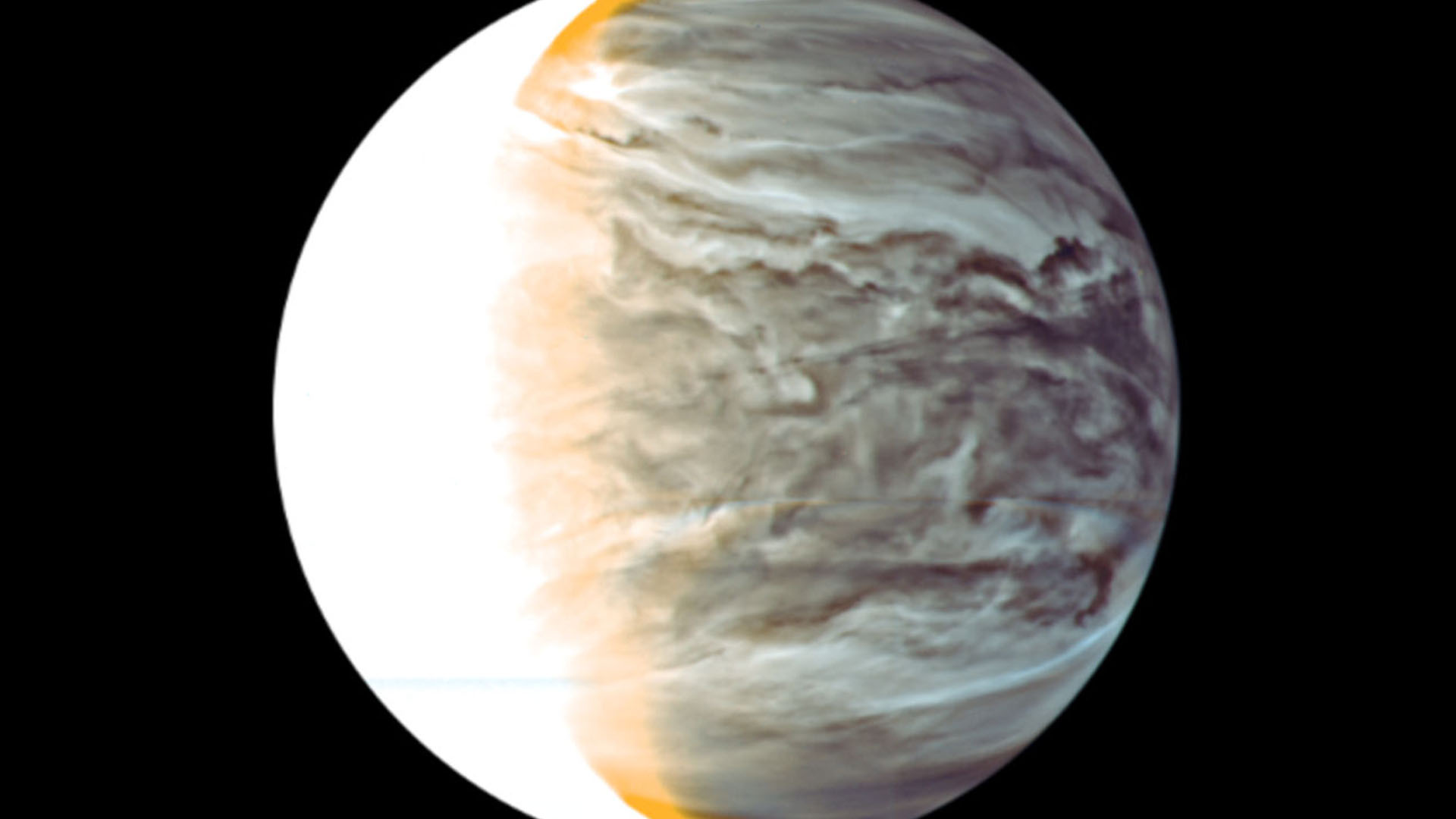
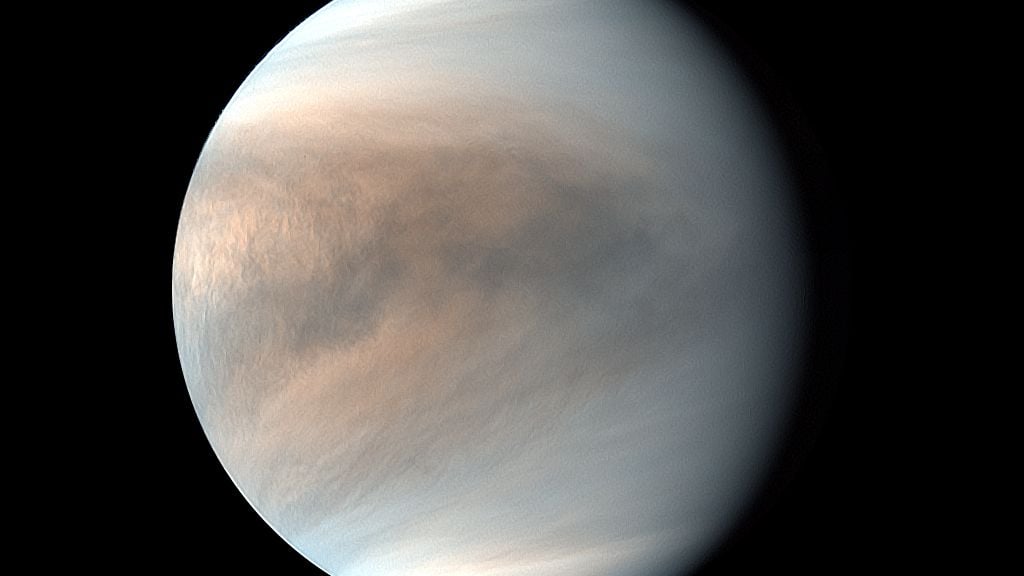
New research suggests that the mysterious flashes of light observed on Venus may be caused by meteors burning up on the planet's hot surface, rather than lightning as previously believed. Scientists from Arizona State University analyzed data and found that the energy levels of the flashes correlated with smaller meteoroids entering Venus' atmosphere. The study challenges the long-held assumption that the flashes were caused by lightning, suggesting that depictions of Venus in art may have influenced this misconception.

space2 years ago

Meteors, Not Lightning: The Truth Behind Venus' Flashes of Light

A new study suggests that the intriguing light flashes observed on Venus, previously thought to be lightning strikes, may actually be caused by meteors burning up in the planet's atmosphere. The study compared the number of flashes recorded by two surveys with the estimated number of meteors raining on Venus, and found that the space rocks burning up about 62 miles from the planet's surface could be responsible for most, if not all, of the observed flashes. This finding is important for future missions to Venus, as it suggests that lightning is not a significant threat to probes descending through the planet's atmosphere, but may pose a slightly higher risk for long-lived aerial platforms hovering in the clouds.