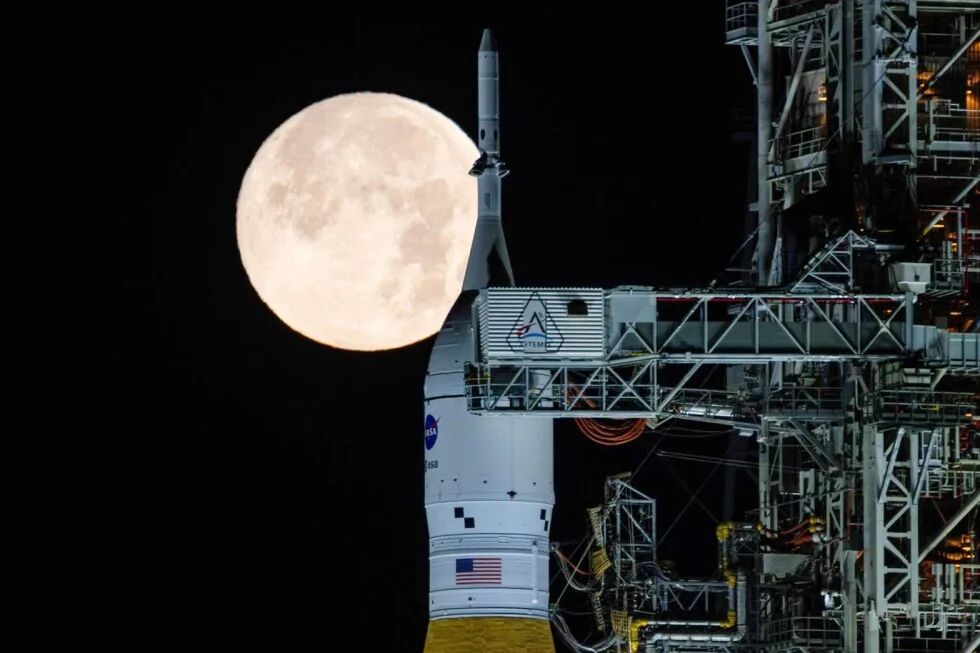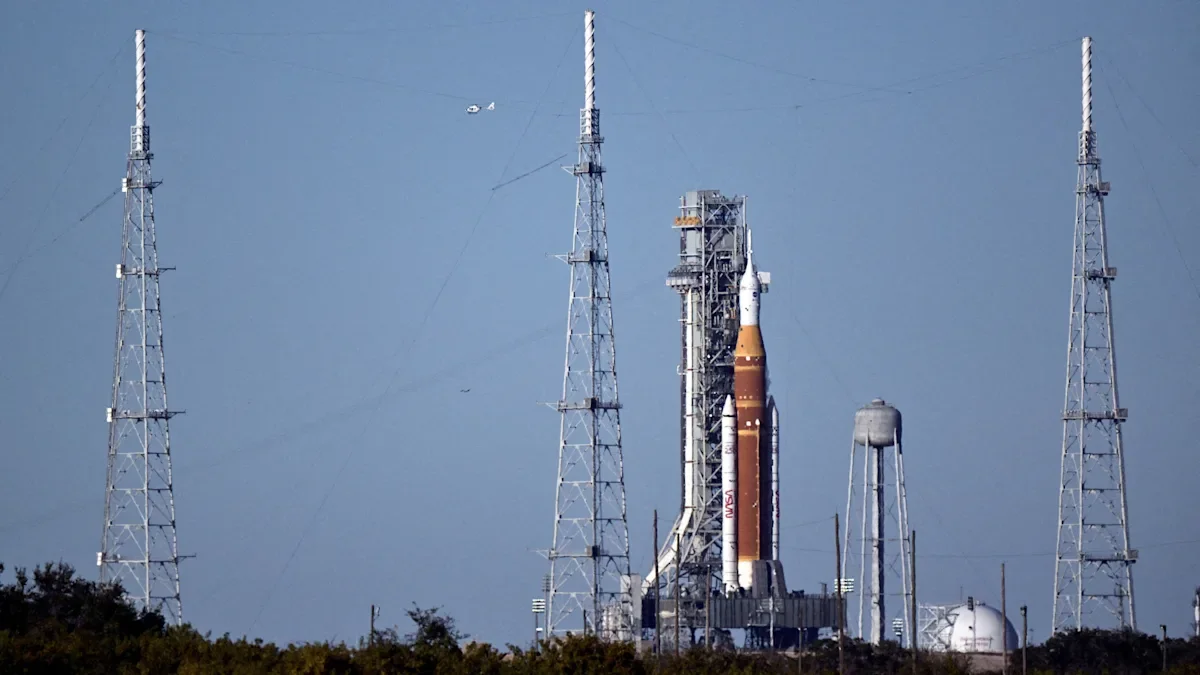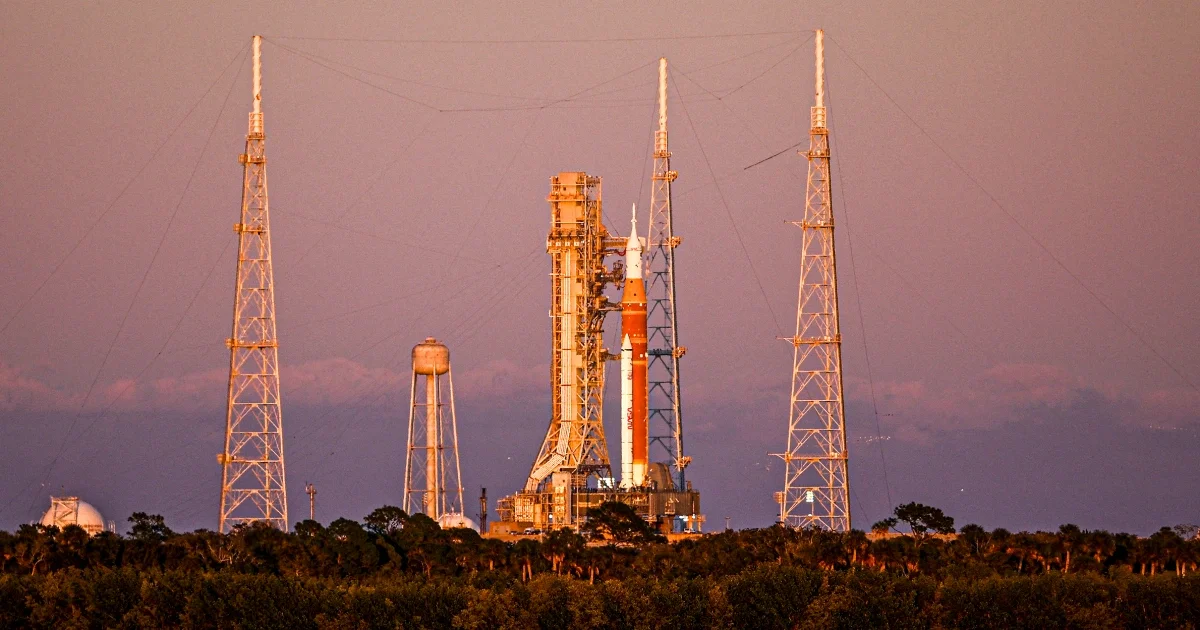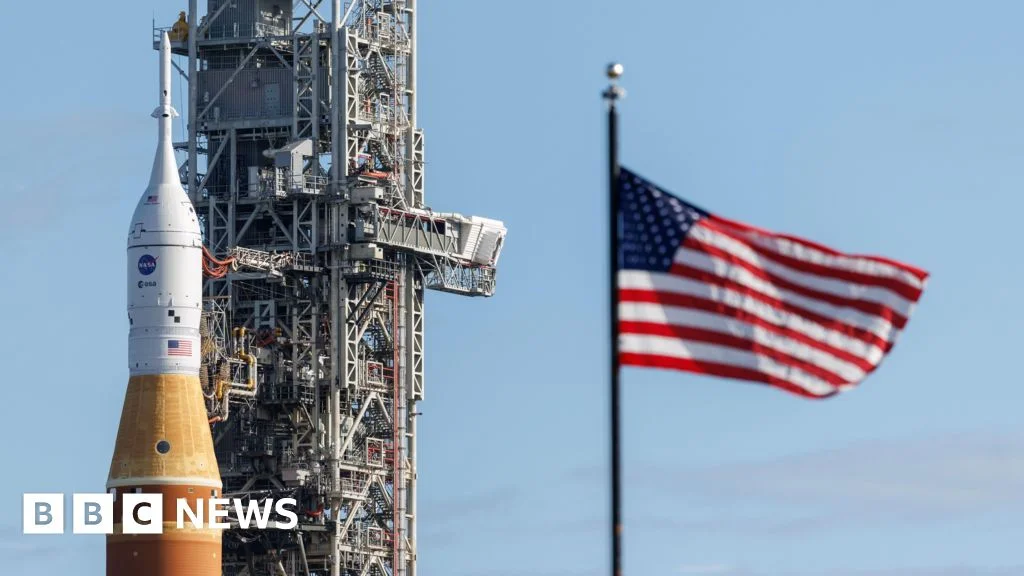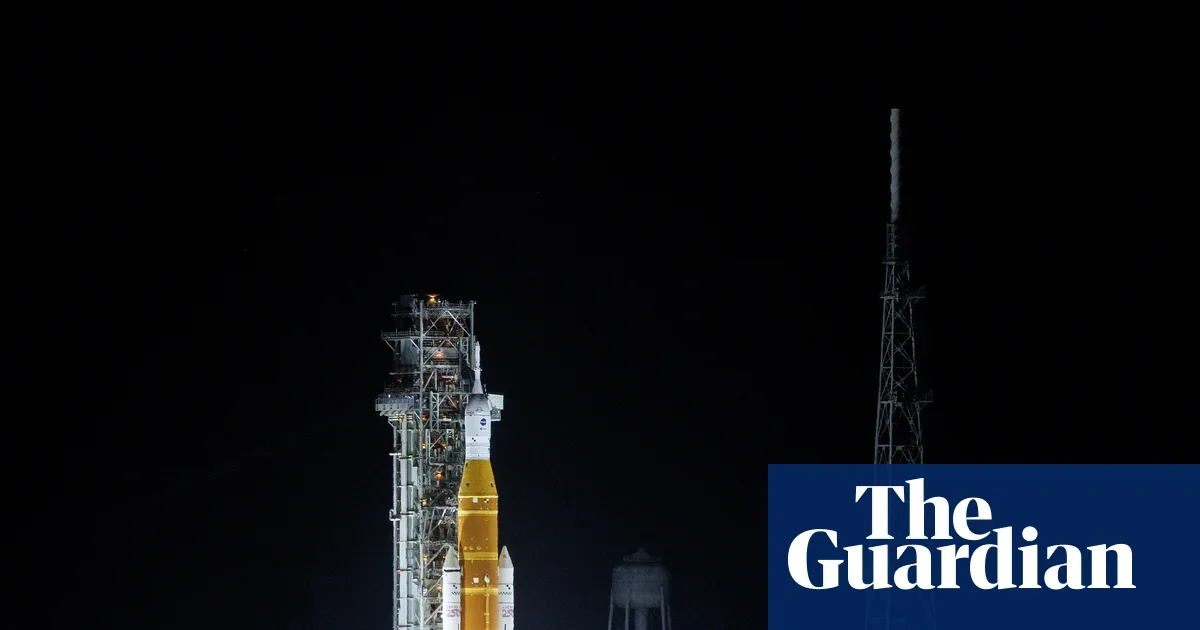
NASA is moving Artemis II toward its first crewed lunar mission by rolling the SLS/Orion stack to Launch Pad 39B for final integration and test rehearsals, including a wet dress rehearsal planned for late January. The eight-member crew will undergo countdown and life-support testing ahead of a flight readiness review and a series of launch opportunities from late January through April 2026. Engineers are addressing last-minute hardware fixes and weather constraints while aiming for a safe, on-time launch on a free-return trajectory to the Moon.
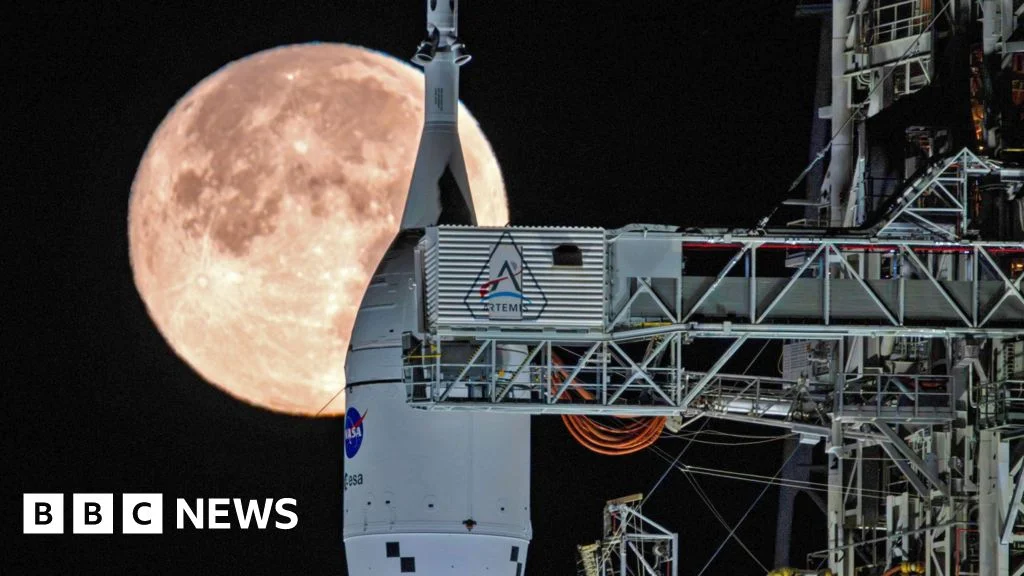
A photographer and his friend finally recreated the iconic ET scene with the Moon after nearly two years of planning, using perfect weather conditions and precise positioning, celebrating their success with a photo and a pub toast.
Apollo 16 astronaut Charles Duke left a family photograph and personal items on the Moon in 1972, including a heartfelt message, as a tribute to his loved ones and his career, creating a lasting personal legacy on the lunar surface.
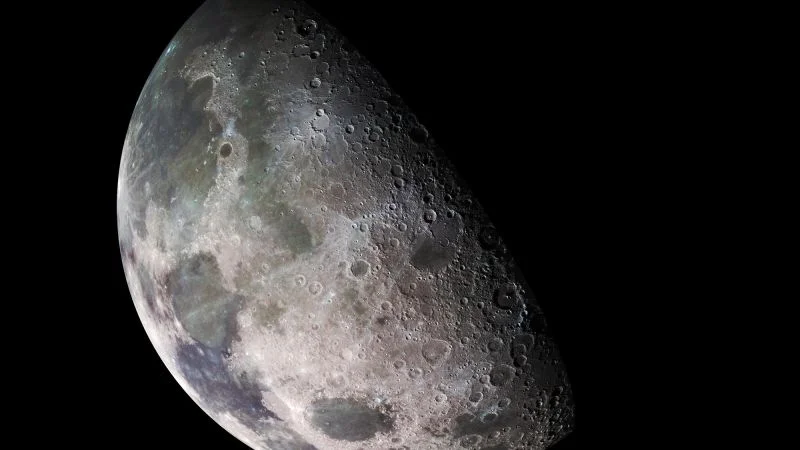
Scientists suggest Earth's magnetic field has transferred atmospheric particles to the moon over billions of years, potentially leaving a record of Earth's past in lunar soil and providing resources for future lunar explorers.
A new study shows that the moon has been absorbing Earth's atmospheric ions for billions of years through Earth's magnetic tail, challenging previous theories and providing insights into planetary atmospheric loss and history, with implications for future lunar and planetary research.
The horoscope for January 2, 2026, suggests a day of low energy and caution, with most signs experiencing sluggishness, misunderstandings, or a need to relax and postpone important decisions. Cancer and Pisces are slightly more positive, while others are advised to take it easy and avoid major actions. The day emphasizes self-care, patience, and gentle social interactions.
The first supermoon and Quadrantid meteor shower of the year will occur in January, but the bright moonlight may reduce the visibility of the meteors, which are best seen from the Northern Hemisphere in dark skies before dawn. Both events are visible without special equipment, with the meteor shower peaking Friday night into Saturday morning and the supermoon visible throughout the night.
The year 2026 will feature significant cosmic events including lunar missions, solar and lunar eclipses, multiple planetary alignments, supermoons, and the return of interstellar visitors like comet 3I/Atlas, alongside ongoing lunar exploration by NASA, China, and private companies.
President Trump has issued an executive order prioritizing the return of Americans to the moon by 2028, with plans for a nuclear lunar outpost by 2030, and NASA, under new leadership, aims to accelerate the timeline, including a crewed lunar mission in 2028 and establishing a lunar base, amidst international competition and commercial sector involvement.
The year 2026 will feature significant cosmic events including lunar missions, solar and lunar eclipses, multiple planetary alignments, supermoons, and the return of interstellar visitors, highlighting a dynamic year for space exploration and astronomy.
The horoscope for December 27, 2025, suggests a day of heightened emotions, potential challenges in communication and relationships, and advises caution in interactions with authority figures and loved ones, with specific guidance for each zodiac sign.
2026 will feature major astronomical events including a total solar eclipse, lunar eclipses, planetary occultations, meteor showers, and notable planetary conjunctions, making it an exciting year for skywatchers.
New telescope owners should start by familiarizing themselves with setup, focusing on bright targets like the moon and planets such as Jupiter and Saturn, and learning the night sky's constellations to navigate and find deep-sky objects gradually, practicing patience and regular observation.
An astronaut aboard the ISS captured a stunning image of a partial lunar halo, a rare optical phenomenon caused by moonlight refracting through ice crystals in high-altitude clouds, showcasing the intricate interplay of atmospheric physics from space.