astronomy6.655 min read
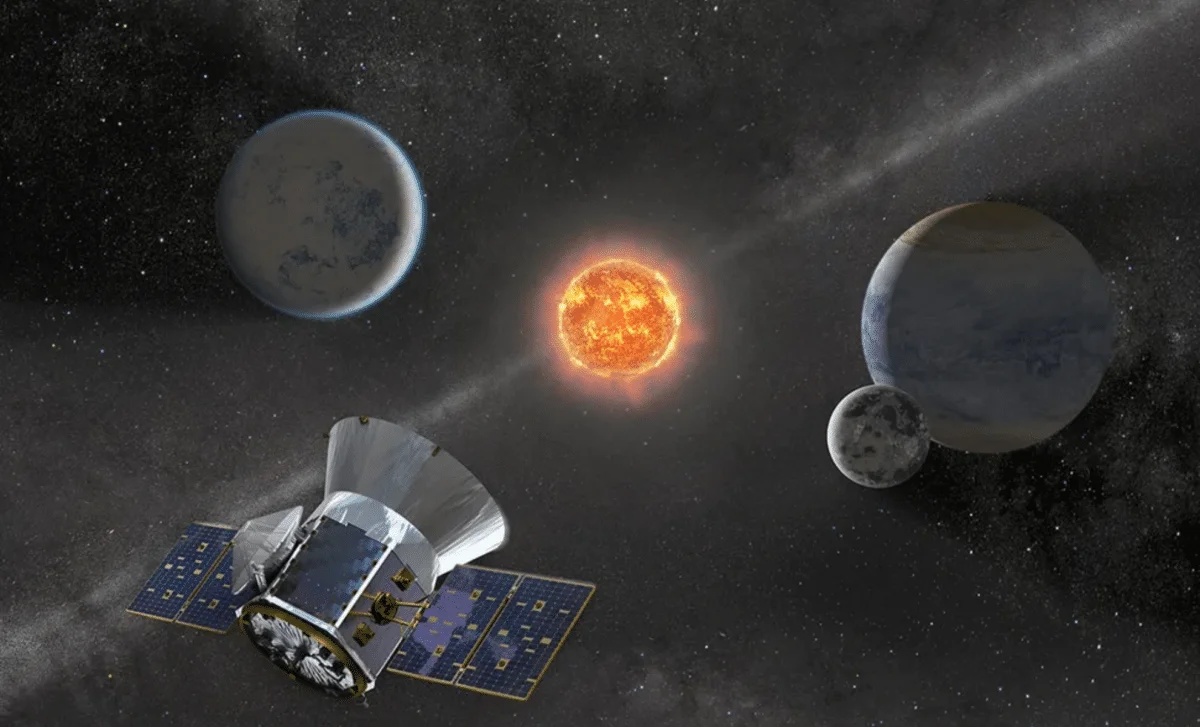
Distant Star Hosts a Nearly Five-Jupiter-Mass Gas Giant in a 180-Day Orbit
11 hours ago•Source: The Daily Galaxy

The latest astronomy stories, summarized by AI
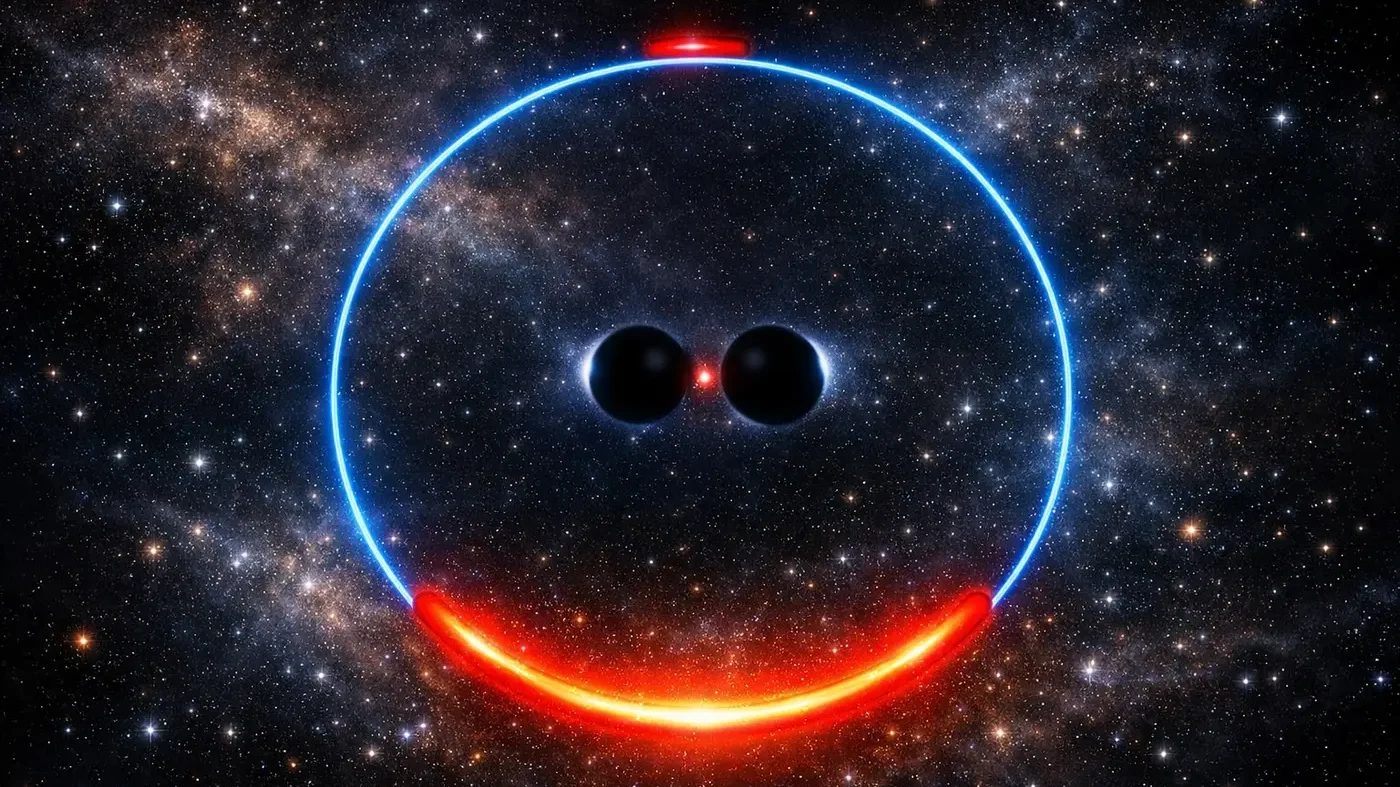
Astronomers propose that gravitational lensing by pairs of merging supermassive black holes can magnify background stars into repeating, bright flashes as the black holes orbit, creating a rotating “caustic” pattern. Detecting these periodic light bursts would reveal binary supermassive black holes long before they merge and emit low‑frequency gravitational waves, enabling early multi‑messenger studies with future surveys from the Vera C. Rubin Observatory and the Roman Space Telescope, and later collaboration with LISA.
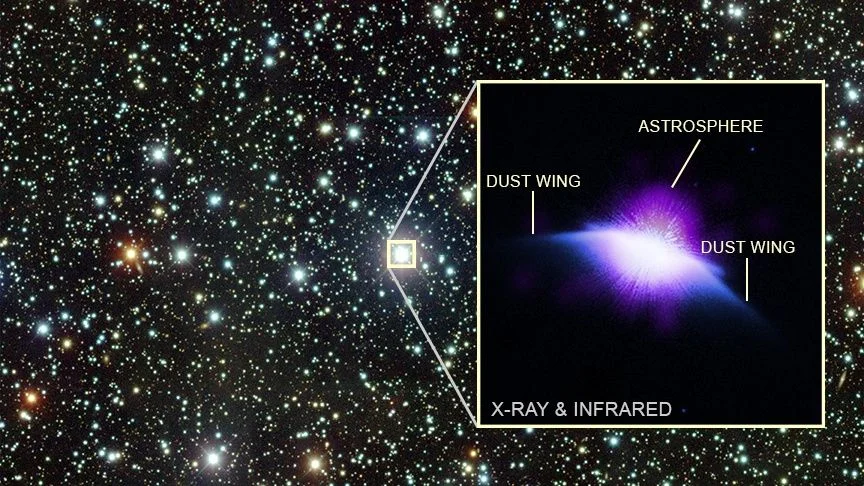
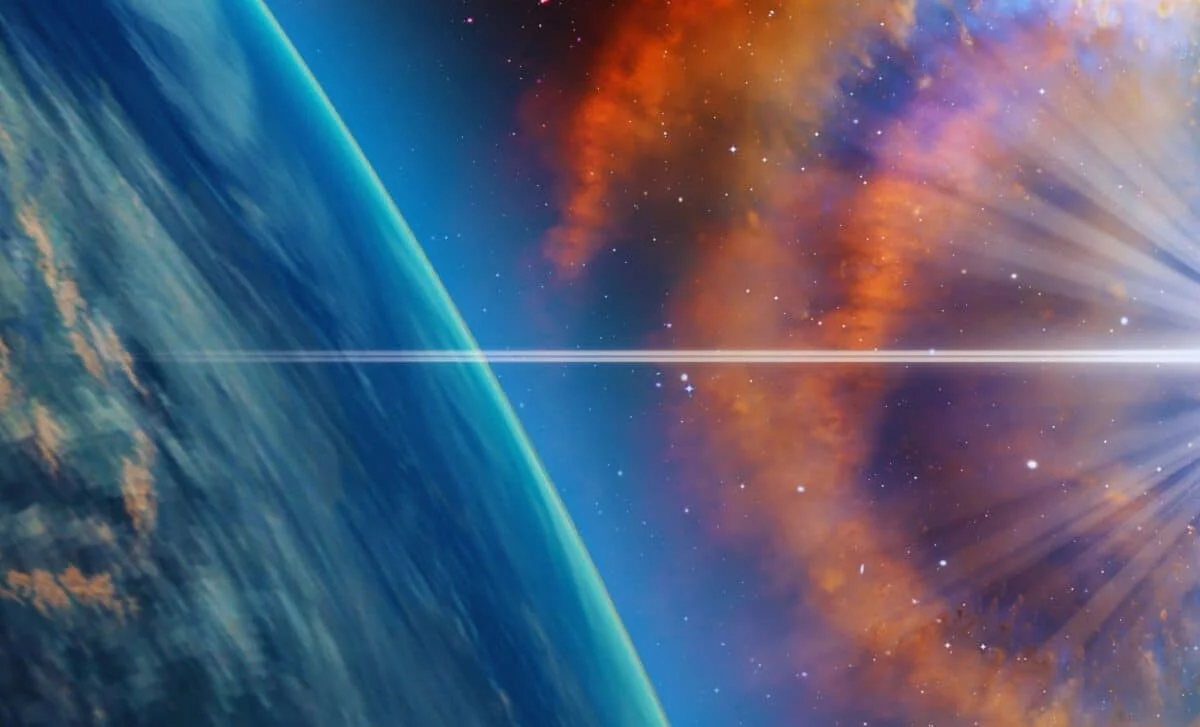
A 244 EeV cosmic ray named Amaterasu, detected in 2021 by the Telescope Array Project, is now thought to originate from a nearby star-forming galaxy, most plausibly M82, rather than the Local Void, after statistical reconstructions that combine simulations of cosmic-ray propagation with observations.
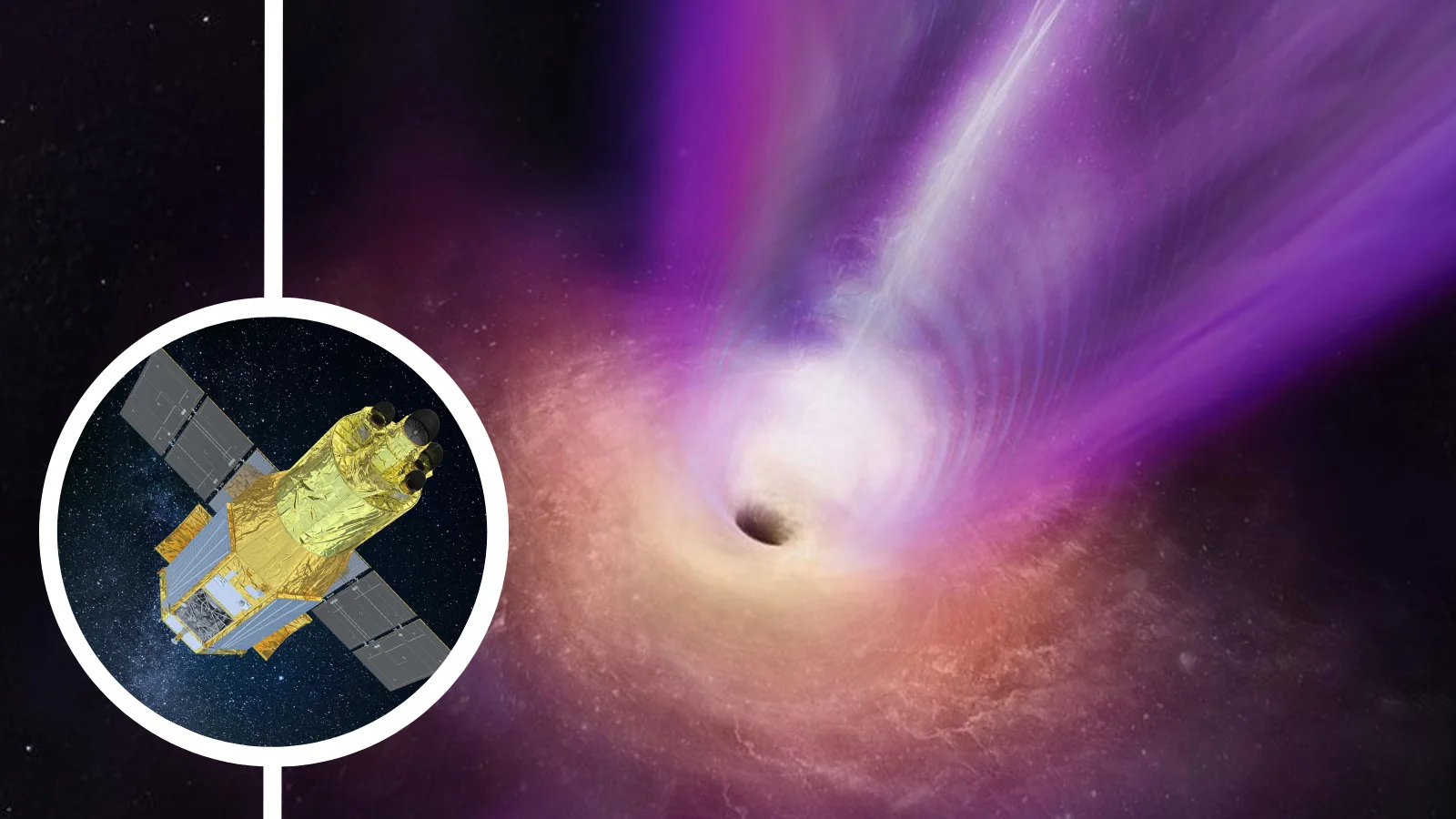
NASA/JAXA’s XRISM X‑ray mission uses high‑resolution spectroscopy to measure gas motions around supermassive black holes, notably M87* and the Perseus cluster, unveiling the strongest turbulence seen near a black hole and the kinetic energy of surrounding gas. This helps explain how black holes heat their environments and influence galactic evolution; findings published late Jan 2026 in Nature and built on XRISM’s 2023 launch in collaboration with ESA.
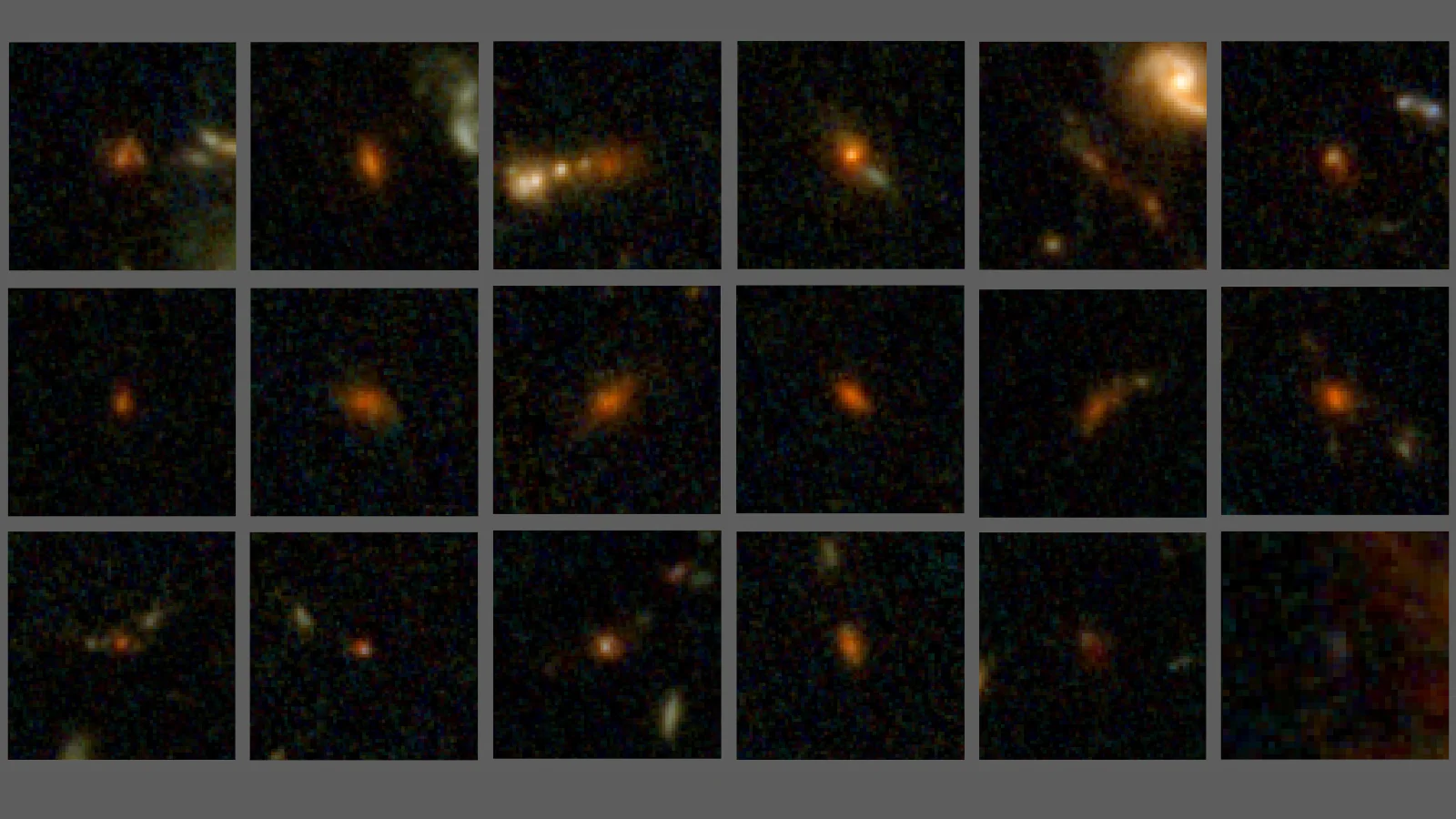
Astronomers using the James Webb Space Telescope (JWST) and the Atacama Large Millimeter/submillimeter Array (ALMA) have identified 70 dusty, star-forming galaxies at the edge of the observable universe, seen less than 1 billion years after the Big Bang. From an initial set of around 400 bright galaxies, JWST follow-up confirmed these candidates as metal-rich, suggesting that heavy-element production and star formation began earlier than current models predict, potentially reshaping our understanding of cosmic evolution and linking these galaxies to both ultrabright early systems and older, quiescent populations.
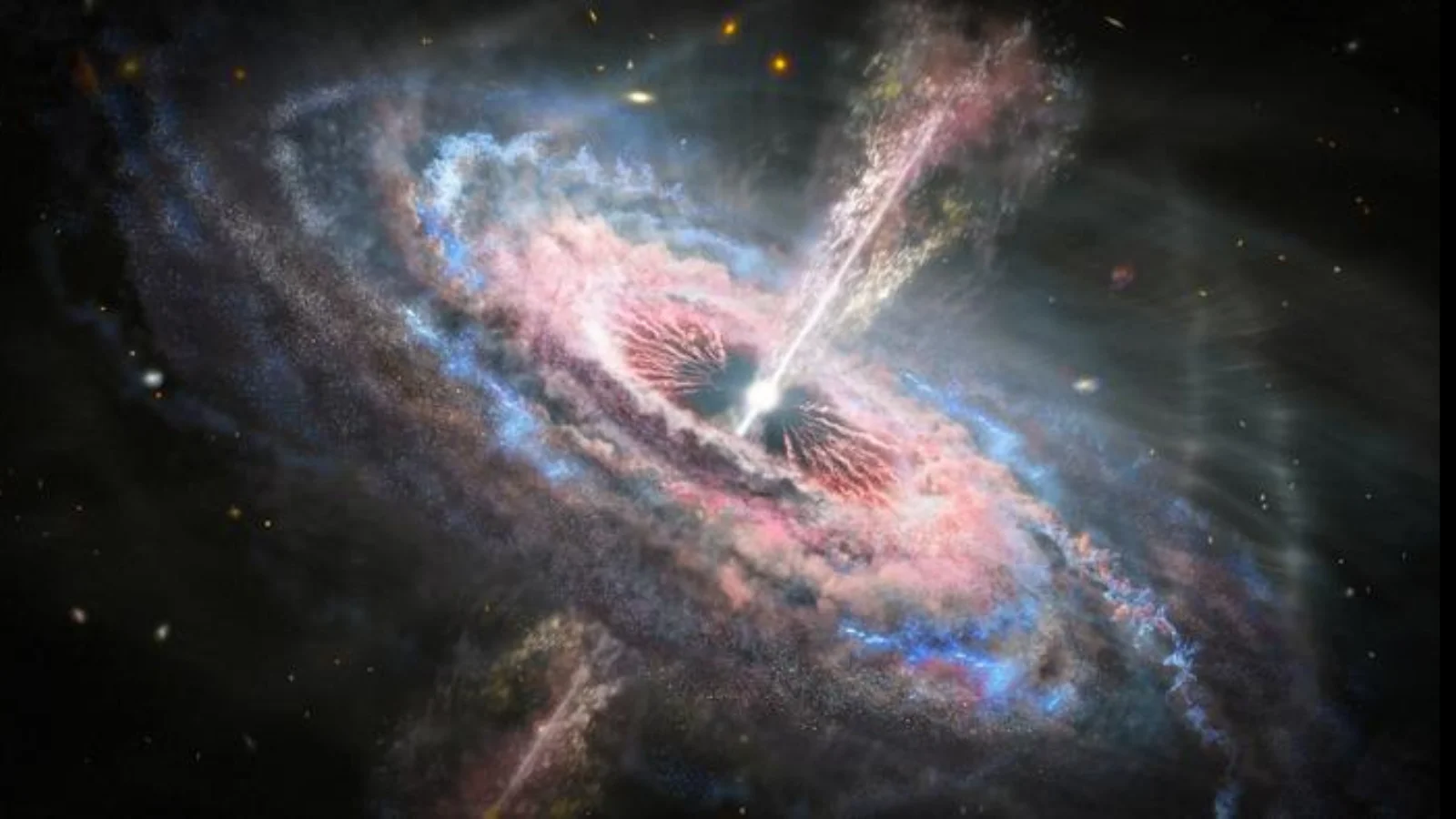
Astronomers using the James Webb Space Telescope found that one of the universe’s brightest quasars appears to quench star formation not only in its host galaxy but also in neighboring galaxies within about a million light-years. The study of quasar J0100+2802 showed reduced ionized oxygen in nearby galaxies, indicating suppressed star birth likely caused by intense radiation and outflows from the active supermassive black hole, suggesting a galactic “ecosystem” where massive black holes influence galaxy evolution beyond their own hosts, especially in the early universe.
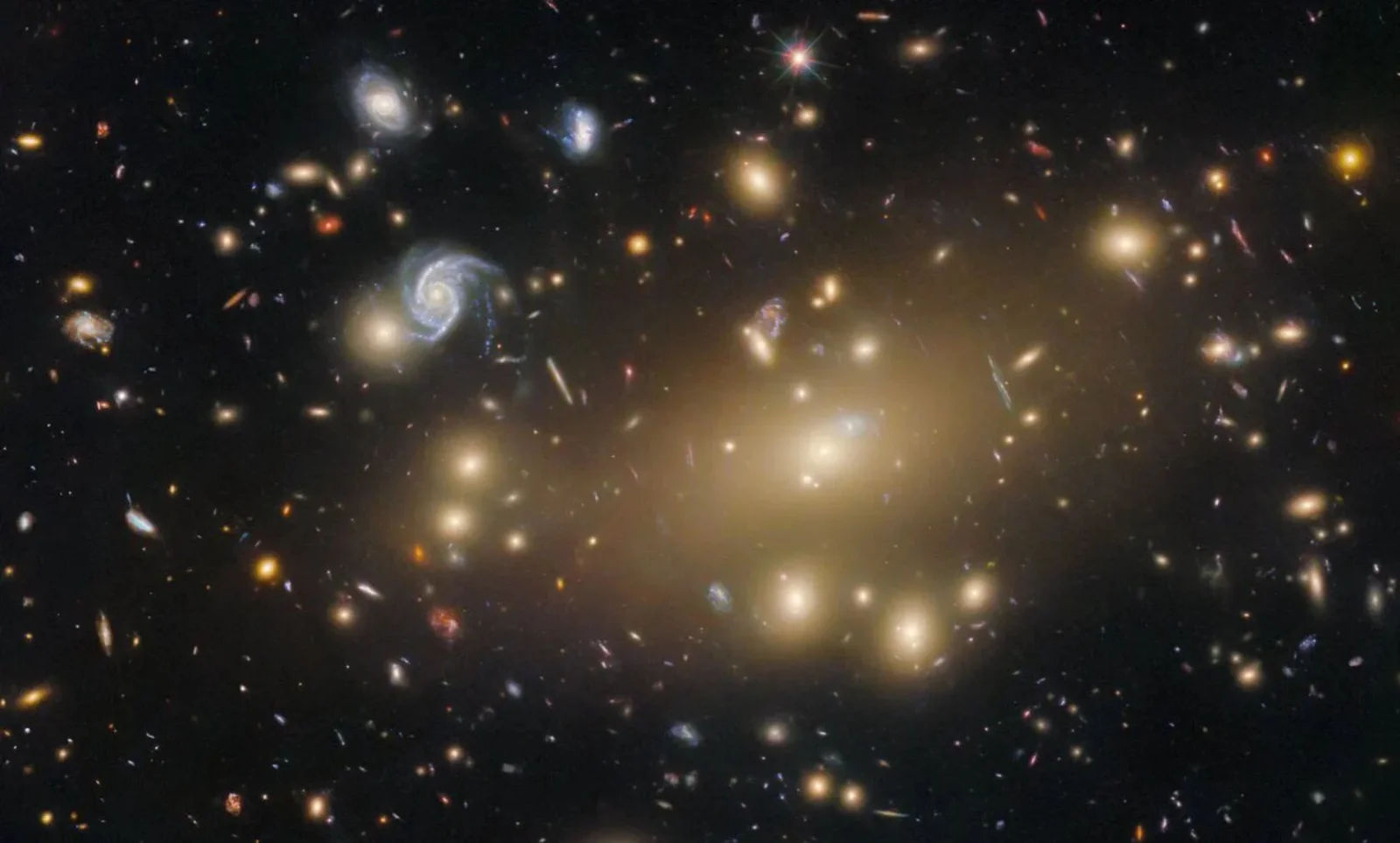
A Bonn-led study analyzing 46 nearby galaxy clusters finds their mass is about twice as heavy in baryonic matter as previously thought, due to components like stellar remnants and intracluster light. The revised accounting brings cluster masses closer to MOND predictions and challenges the need for exotic dark matter, with authors suggesting a reevaluation of dark-matter-focused research funding.
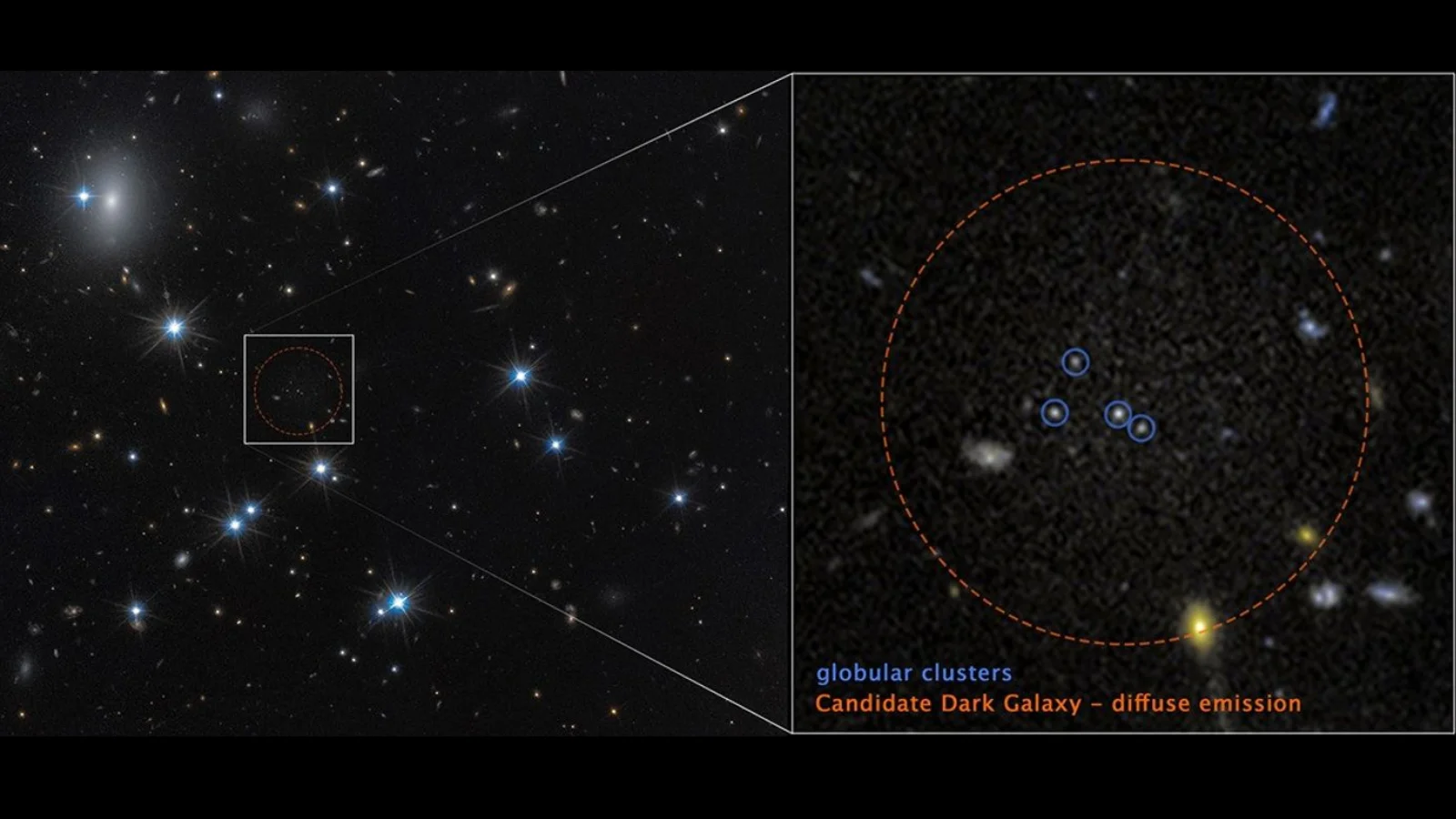
Astronomers using Hubble, with Euclid and Subaru, identified CDG-2 in the Perseus cluster as an extremely dark-matter–dominated galaxy—about 245 million to 300 million light-years away—where 99% of its mass is dark matter. The galaxy was detected indirectly by tracing four tightly packed globular clusters, which reveal a faint glow around them. Its normal matter is estimated at roughly 6 million sun-like stars, with about 16% accounted for by the globular clusters, suggesting past star formation that has since been stripped away by gravitational interactions. The discovery, highlighting a “dark galaxy” category, was reported in The Astrophysical Journal Letters.
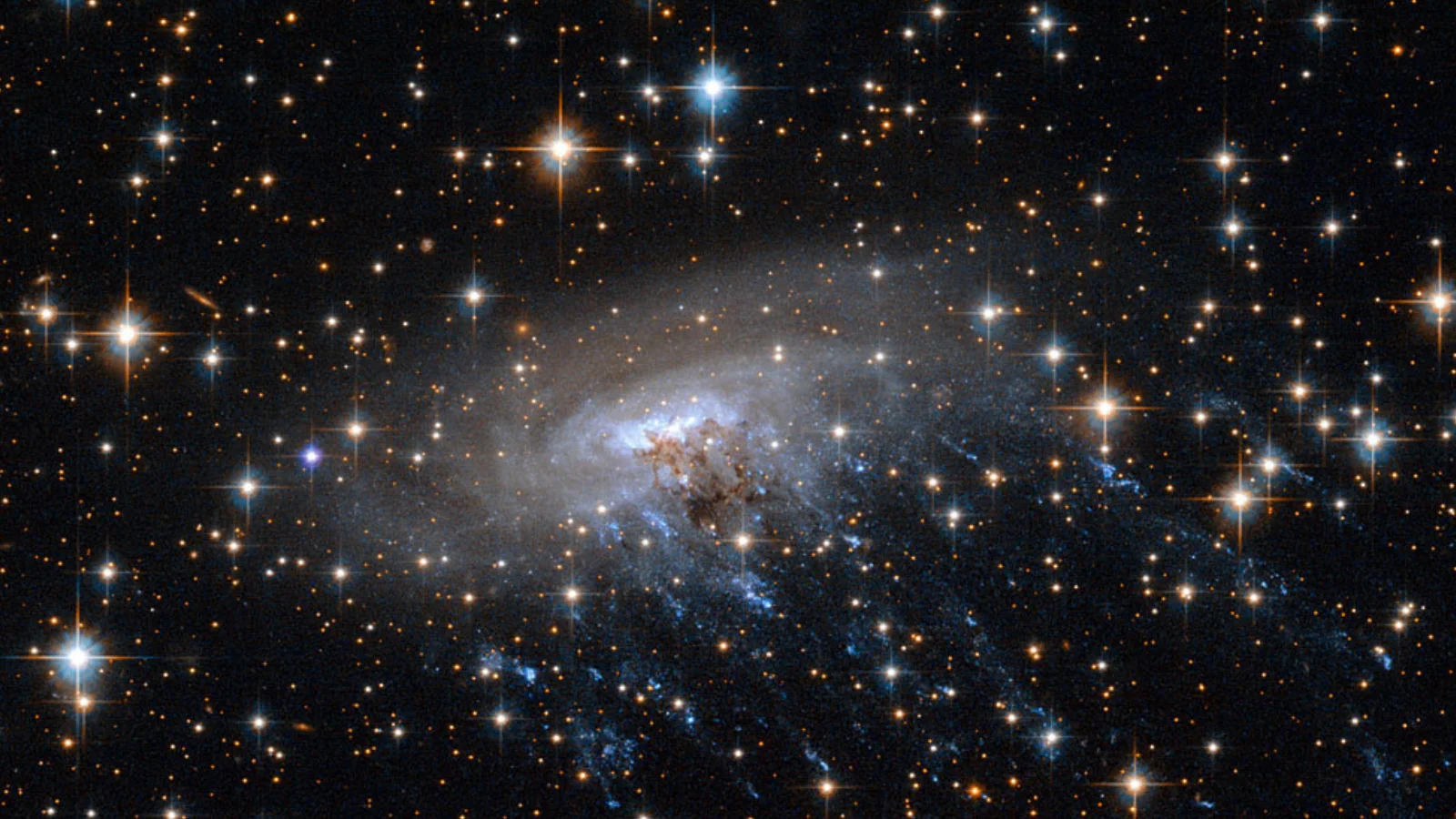
Using the James Webb Space Telescope, astronomers captured ESO 137-001, a jellyfish galaxy in the COSMOS field, showing trailing gas filaments stripped by ram pressure as it moves through a cluster. The image reveals blue, star-forming knots in the tails and places the system at about 8.5 billion years ago (roughly 5.3 billion years after the Big Bang), suggesting harsh cluster environments were already shaping galaxies earlier than thought; researchers plan further JWST studies to deepen understanding of galactic evolution.
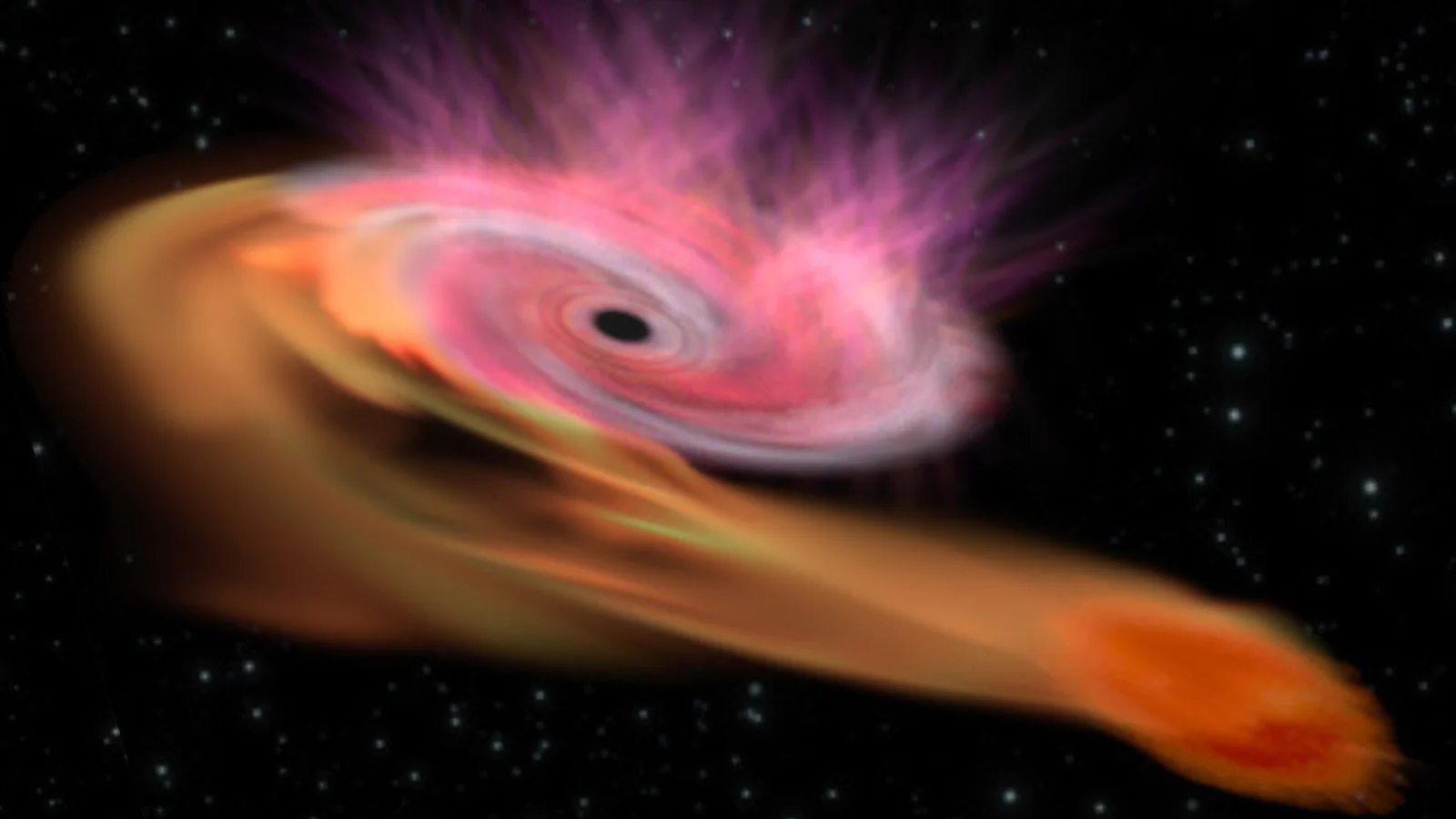
Astronomers identified AT2022zod, an off-nuclear optical flare consistent with a tidal disruption event caused by an intermediate-mass black hole. Spotted in a distant galaxy about 1.5 billion light-years away and lasting roughly a month, its off-center location and short duration suggest the presence of an IMBH outside galactic centers, possibly in a globular cluster or ultracompact dwarf galaxy. This finding adds to evidence for elusive middleweight black holes and points to Rubin Observatory’s LSST as a key tool for discovering more cases.
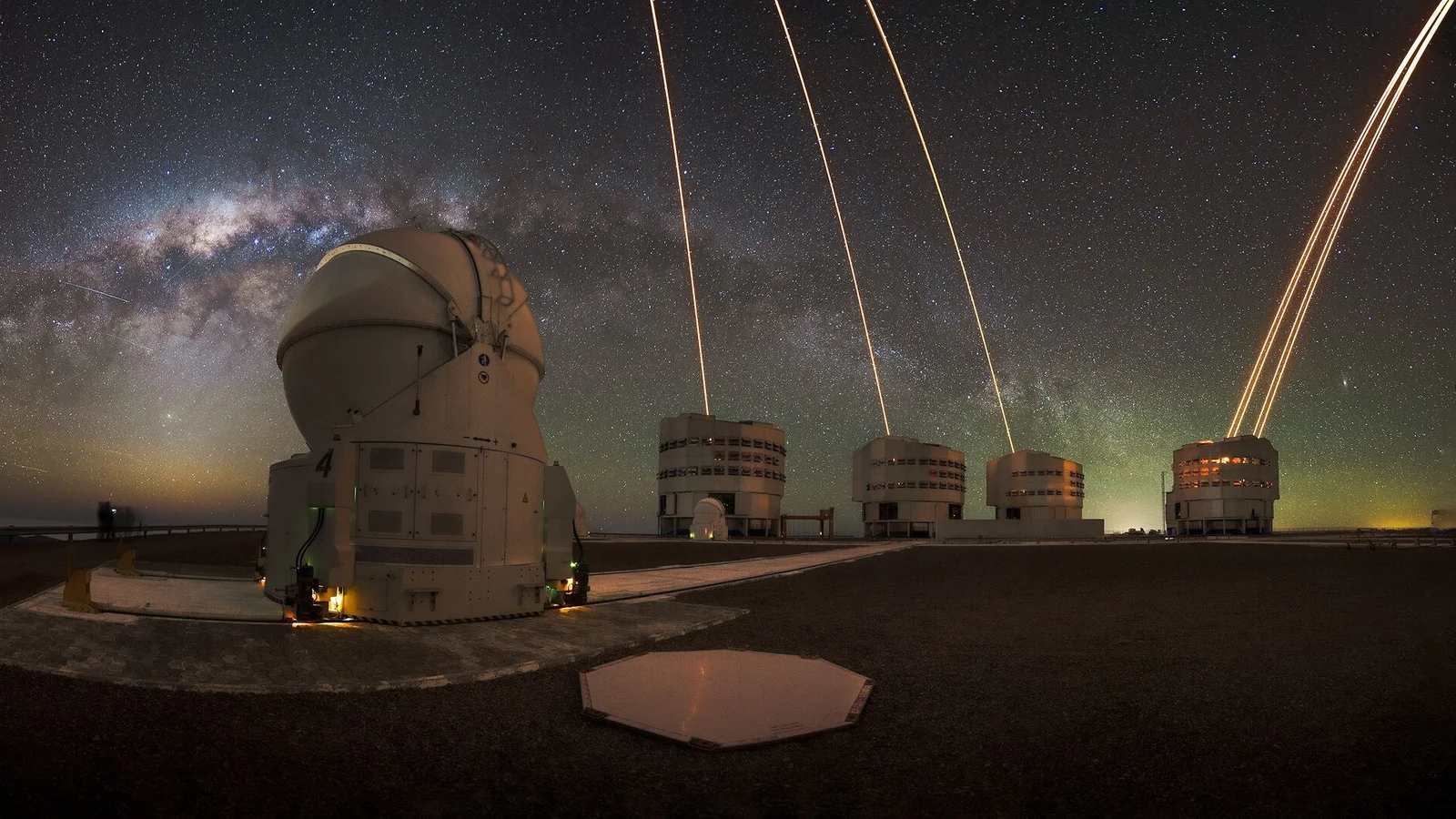
Space.com highlights a European Southern Observatory photo showing the Milky Way over Chile’s Paranal Observatory while four Unit Telescopes of the Very Large Telescope fire lasers high in the atmosphere to create artificial guide stars. These glow-displays let adaptive optics systems correct for Earth’s atmospheric blur in real time, sharpening observations. The UTs Antu, Kueyen, Yepun and Melipal work together (Melipal’s laser use dates to 2016; the other three were added in December 2025 to support VLTI and GRAVITY+), showcasing the VLT’s capability to peer deeper into the universe as lasers illuminate the sky above Chile.
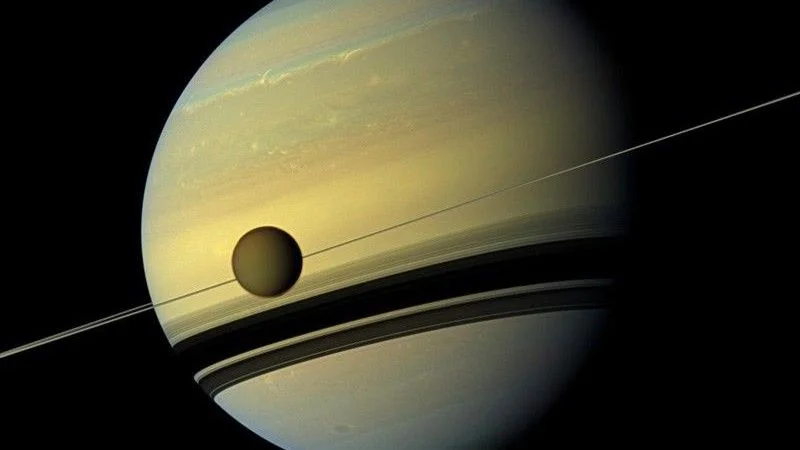
Space.com reports Matija Ćuk and colleagues propose Saturn’s Titan may have formed from a collision/merger with a now-missing moon called Chrysalis about 100–200 million years ago. This upheaval could have widened Titan’s orbit, triggered further moon collisions, redistributed Saturn’s mass to alter its precession, and helped form Saturn’s rings. Hyperion might be a debris remnant from the event. Cassini data revised Saturn’s internal mass distribution, moving it slightly out of Neptune’s orbital resonance. There’s no direct evidence yet, but the scenario is being explored in Planetary Science Journal with an arXiv preprint, and future Dragonfly observations could test it.