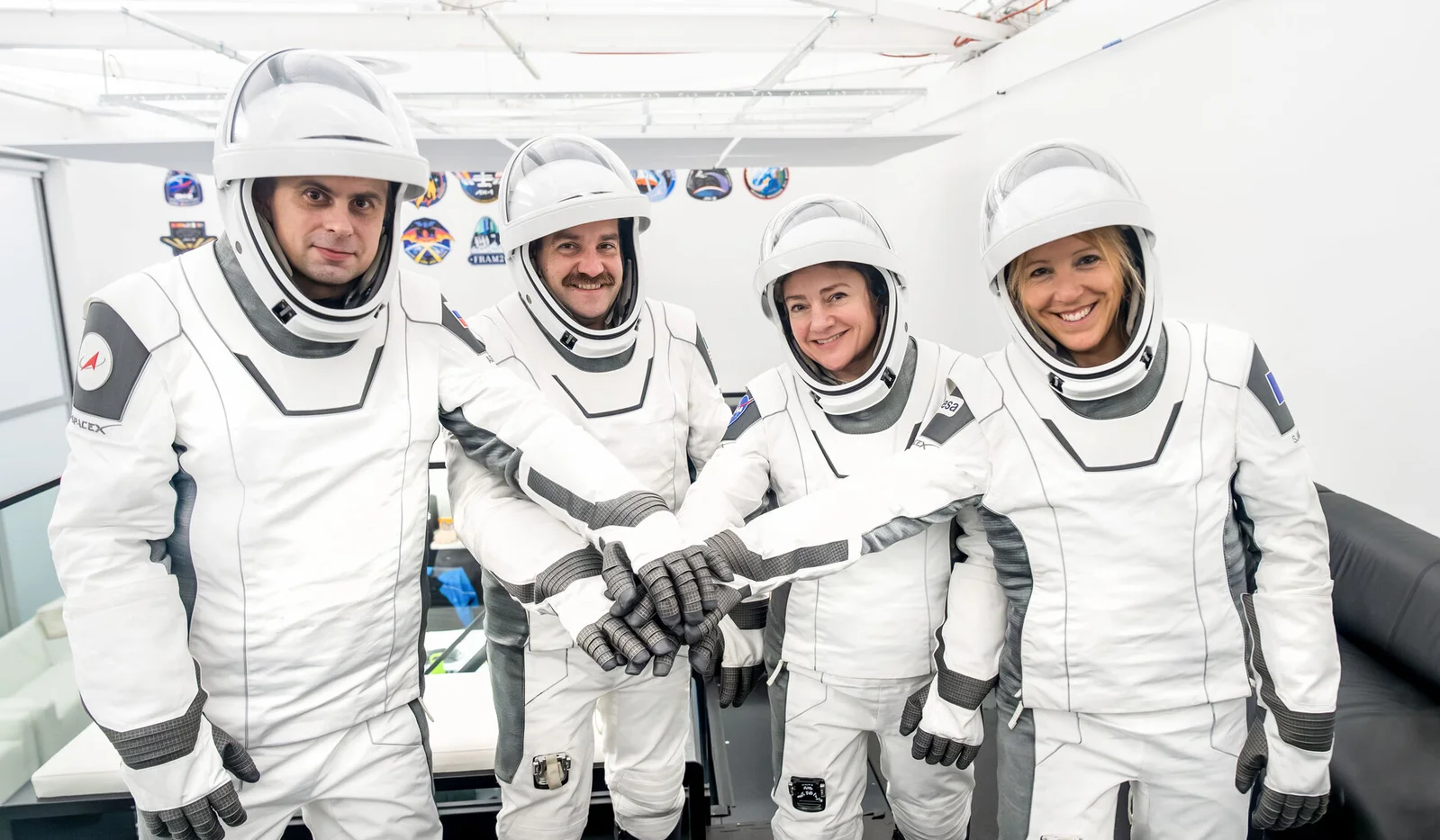
science-and-exploration1.35 min read
Crew-12 Set for SpaceX Dragon Flight to the ISS
29 days ago•Source: European Space Agency

The latest science and exploration stories, summarized by AI
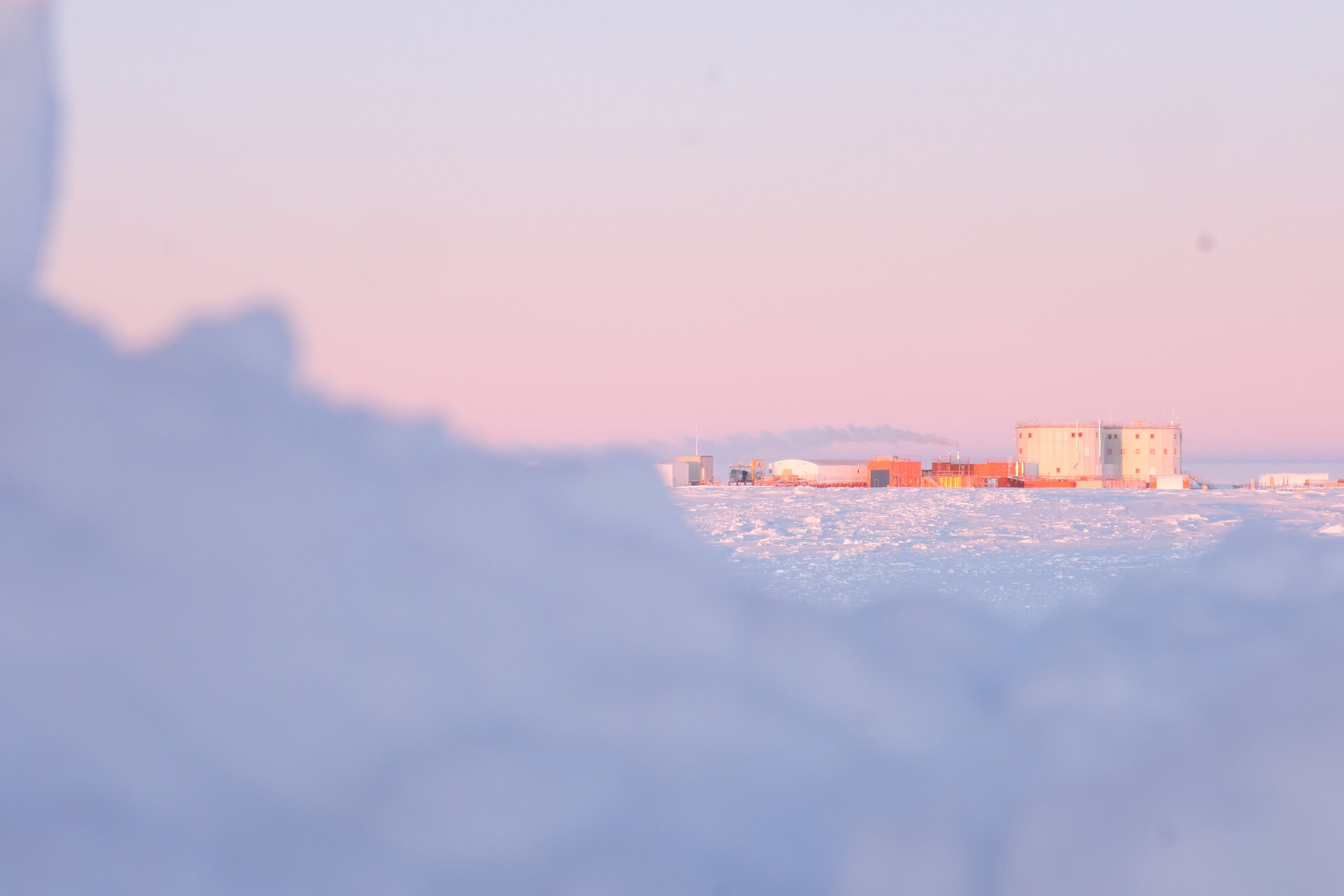
ESA has been conducting a 20-year study at Concordia station in Antarctica, where a medical doctor lives for 13 months to research the psychological and physiological effects of extreme isolation and environment, providing insights relevant to space missions beyond Earth.
European Space Agency•2 months ago
European Space Agency•3 months ago
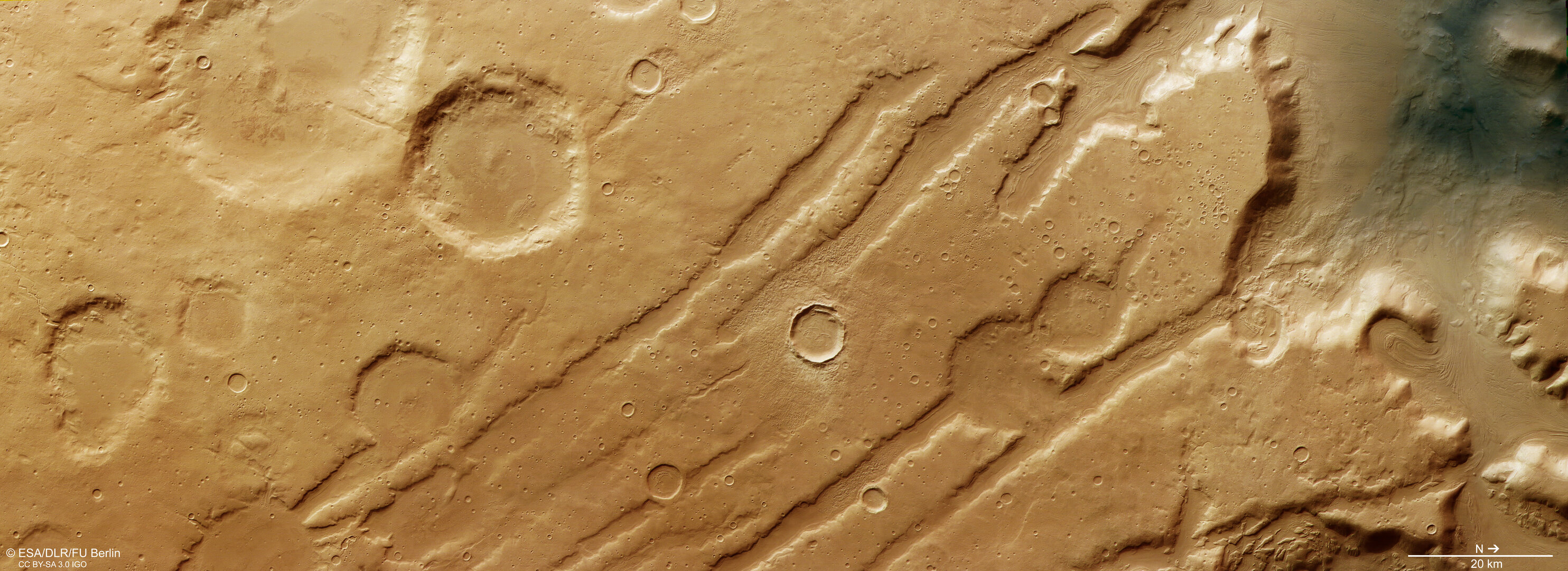
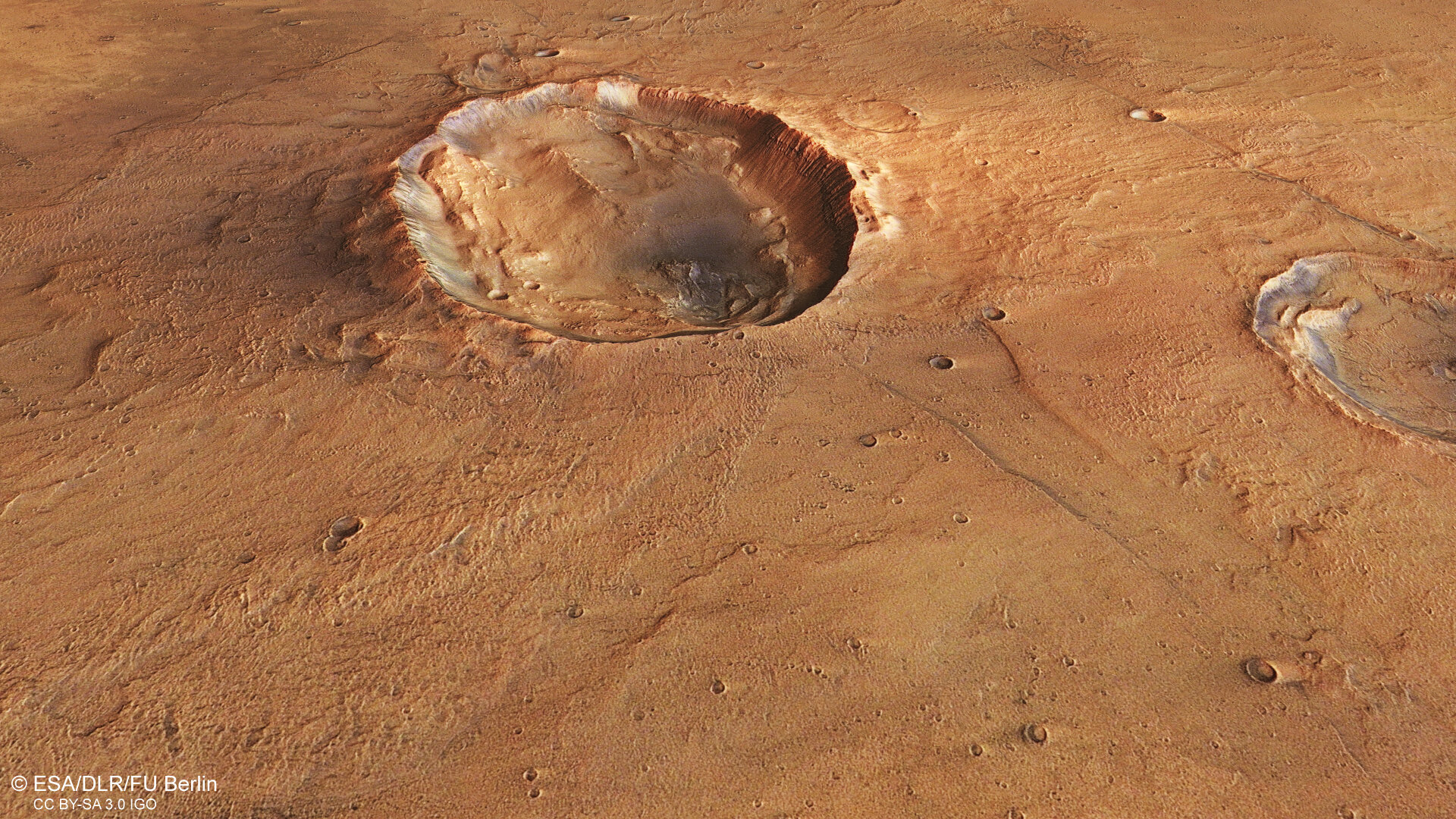
New images from ESA's Mars Express reveal signs of an ancient ice age on Mars, including glacial flow patterns and features like Coloe Fossae, indicating that the planet experienced significant climate changes and ice coverage during its history, even at mid-latitudes.
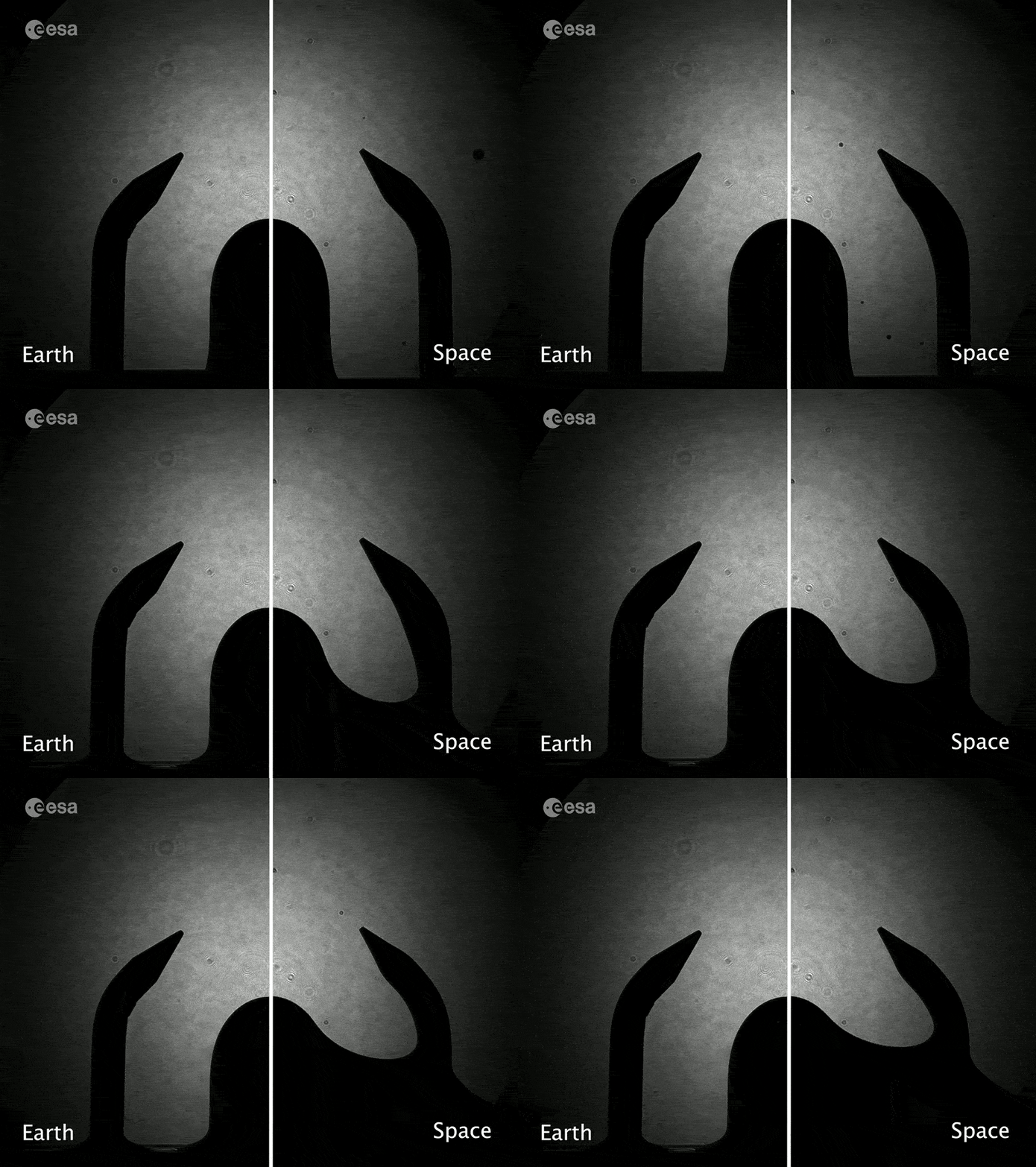
A European experiment on the ISS studies how condensation behaves in microgravity using fin-shaped metal surfaces to improve understanding of heat transfer, with potential applications in space technology and Earth-based cooling systems.
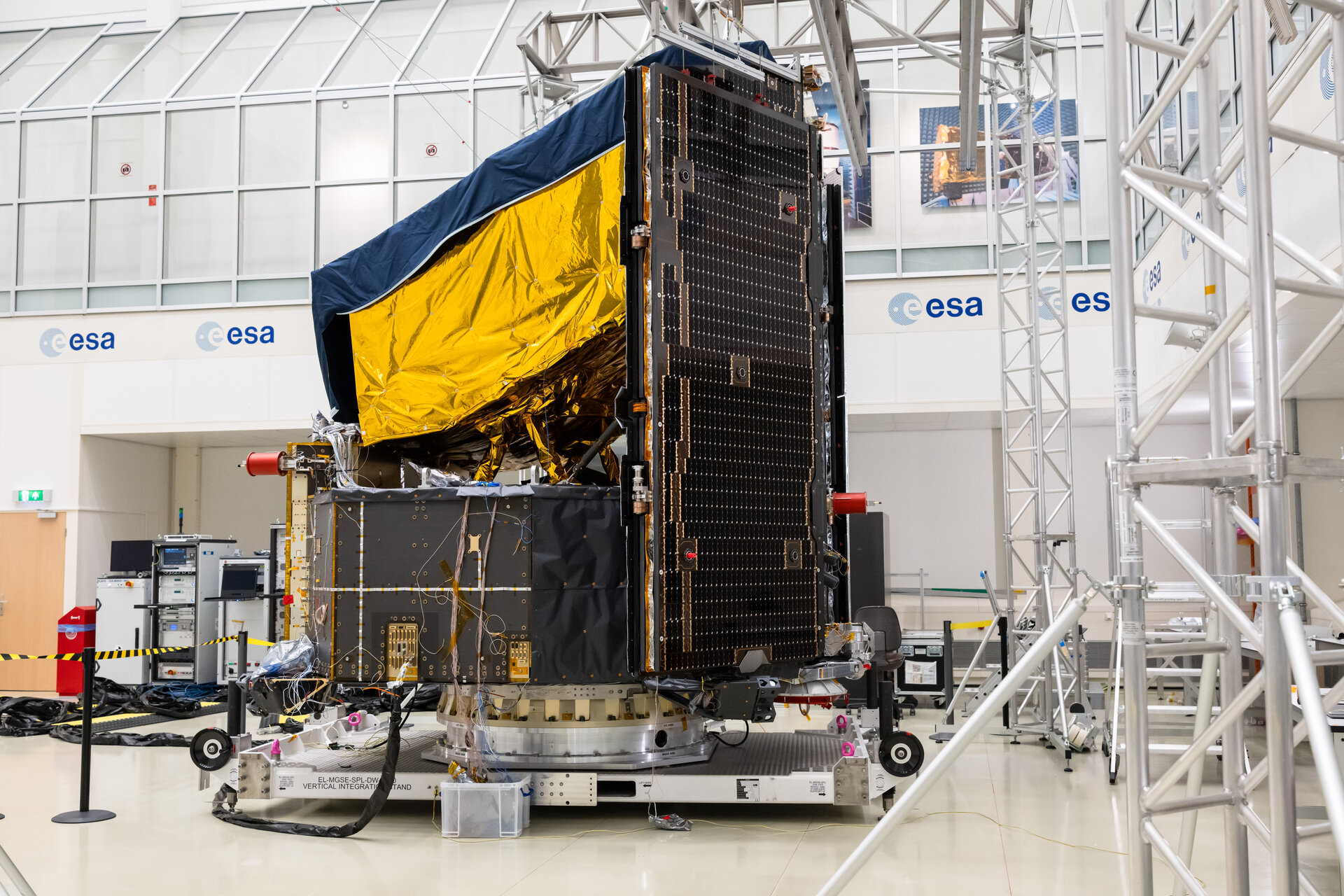
The European Space Agency's Plato spacecraft has completed its construction, including mounting its sunshield and solar panels, and is now preparing for final tests before a planned December 2026 launch to search for Earth-like exoplanets.
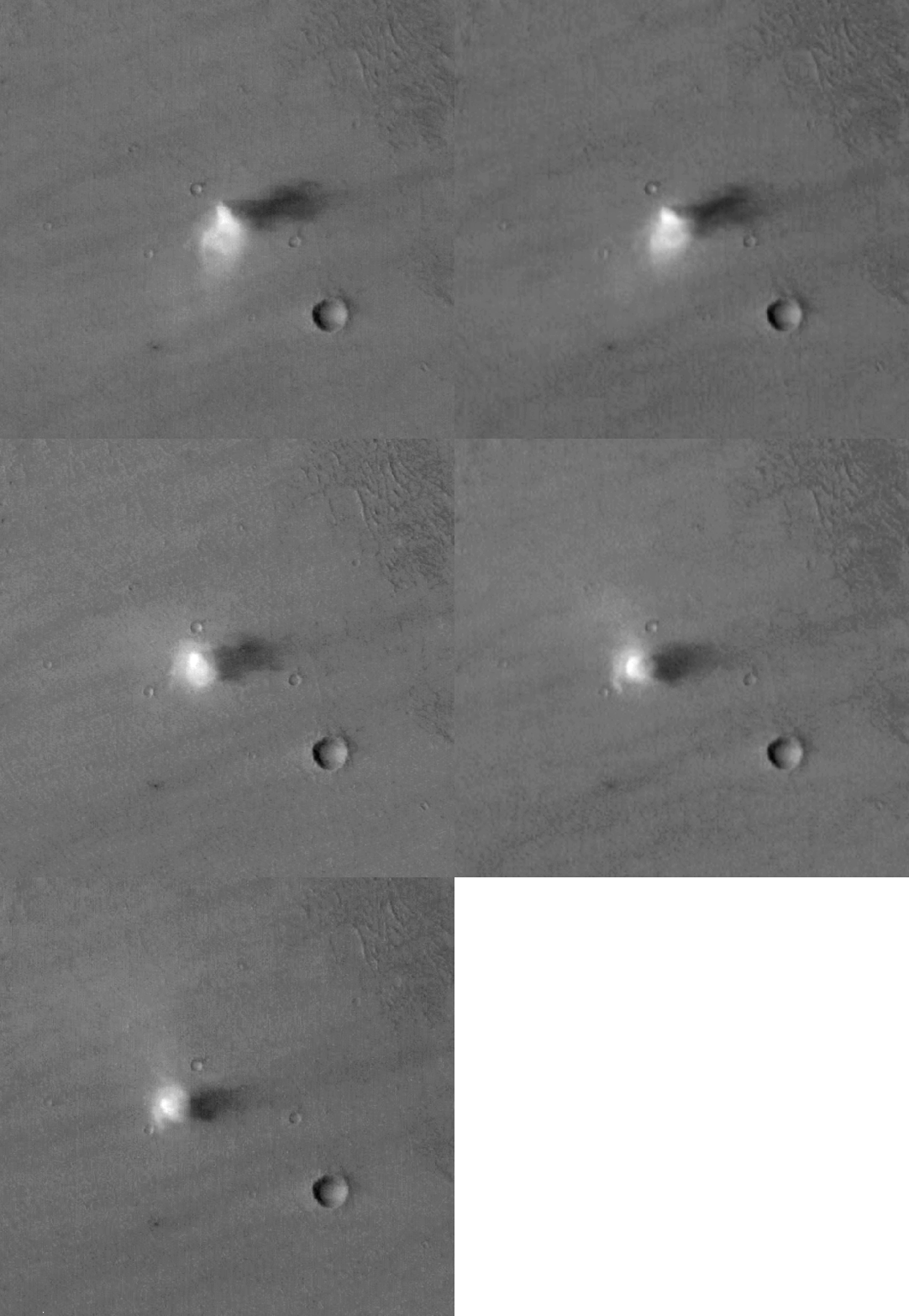
Scientists analyzed 20 years of images from ESA's Mars Express and ExoMars TGO to track 1039 dust devils on Mars, revealing that wind speeds are faster than previously thought and providing new insights into the planet's weather and climate, which will aid future missions and climate models.

Scientists analyzing data from the Cassini spacecraft have discovered complex organic molecules in the fresh ice grains ejected from Saturn's moon Enceladus, indicating active chemical reactions in its subsurface ocean that could support life, prompting plans for a dedicated ESA mission to explore the moon further.
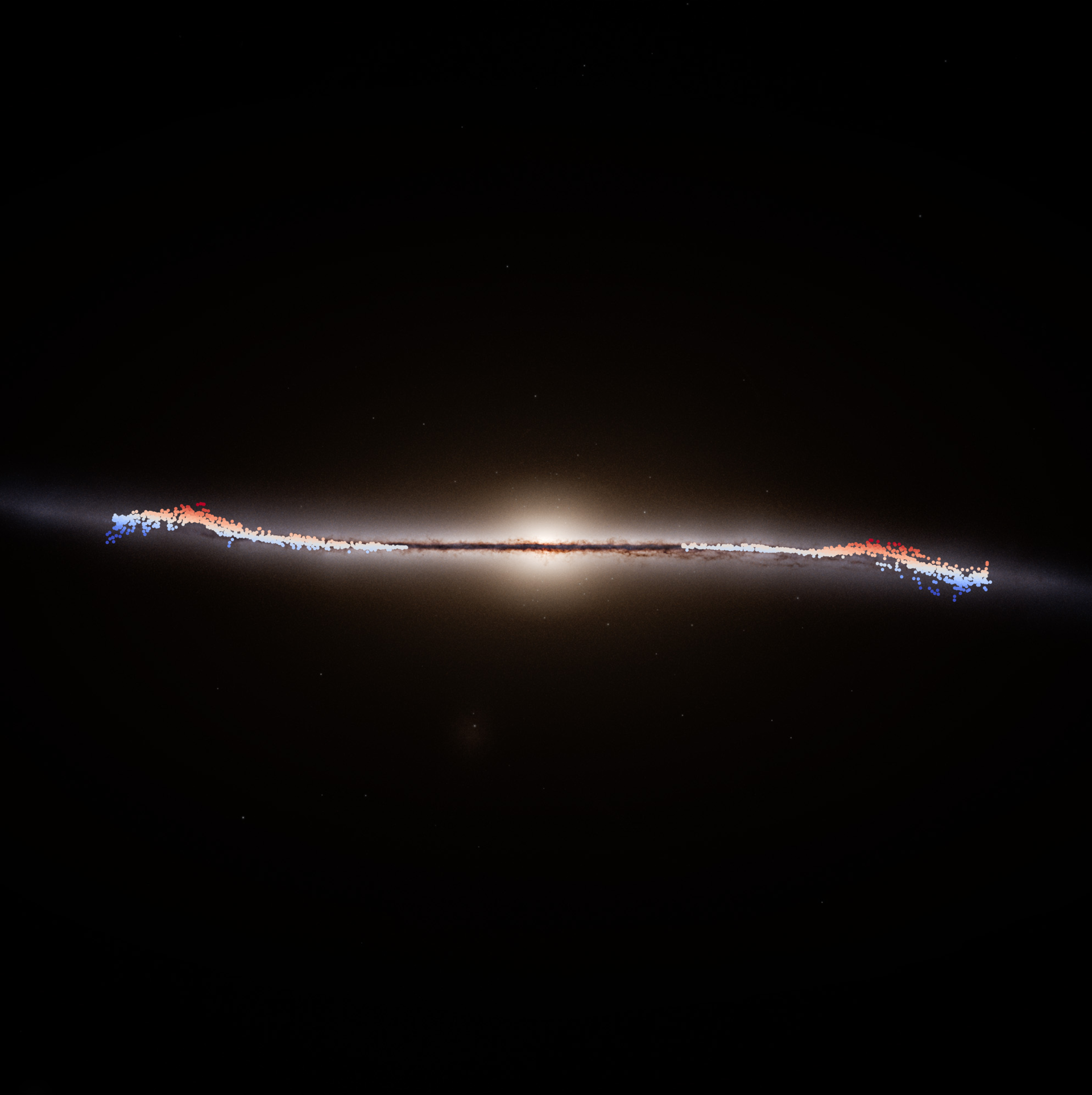
Gaia telescope data reveals a giant wave rippling through the Milky Way's outer disc, caused by large-scale vertical motions of stars, possibly due to past galactic interactions, offering new insights into our galaxy's dynamic structure.
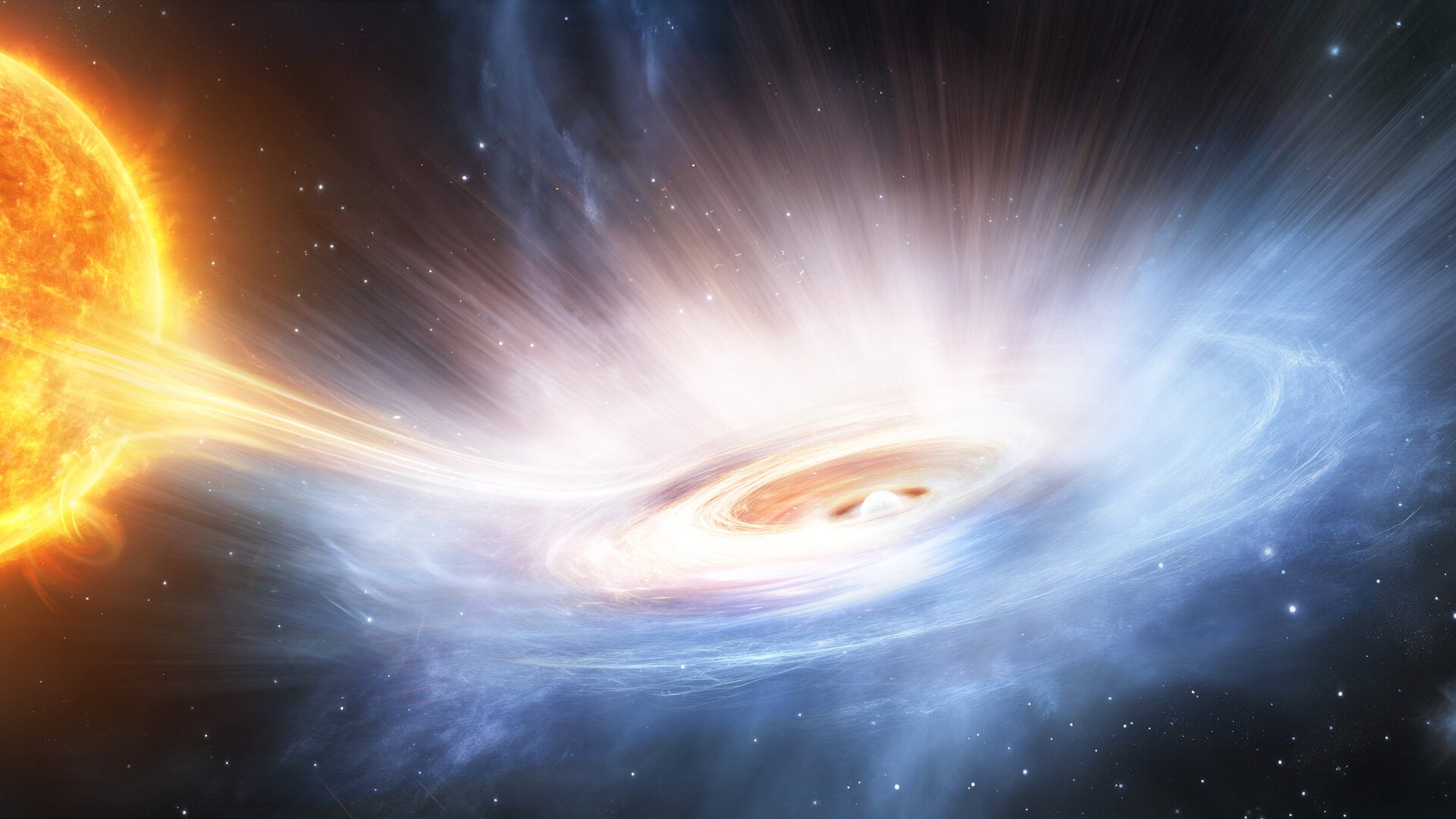
The XRISM mission has discovered that the winds from a neutron star system are unexpectedly dense and slower than those from supermassive black holes, challenging current understanding of how such winds form and influence their environments. The findings suggest that differences in accretion disc temperature and size may explain the variations, providing new insights into cosmic feedback mechanisms and galaxy evolution.
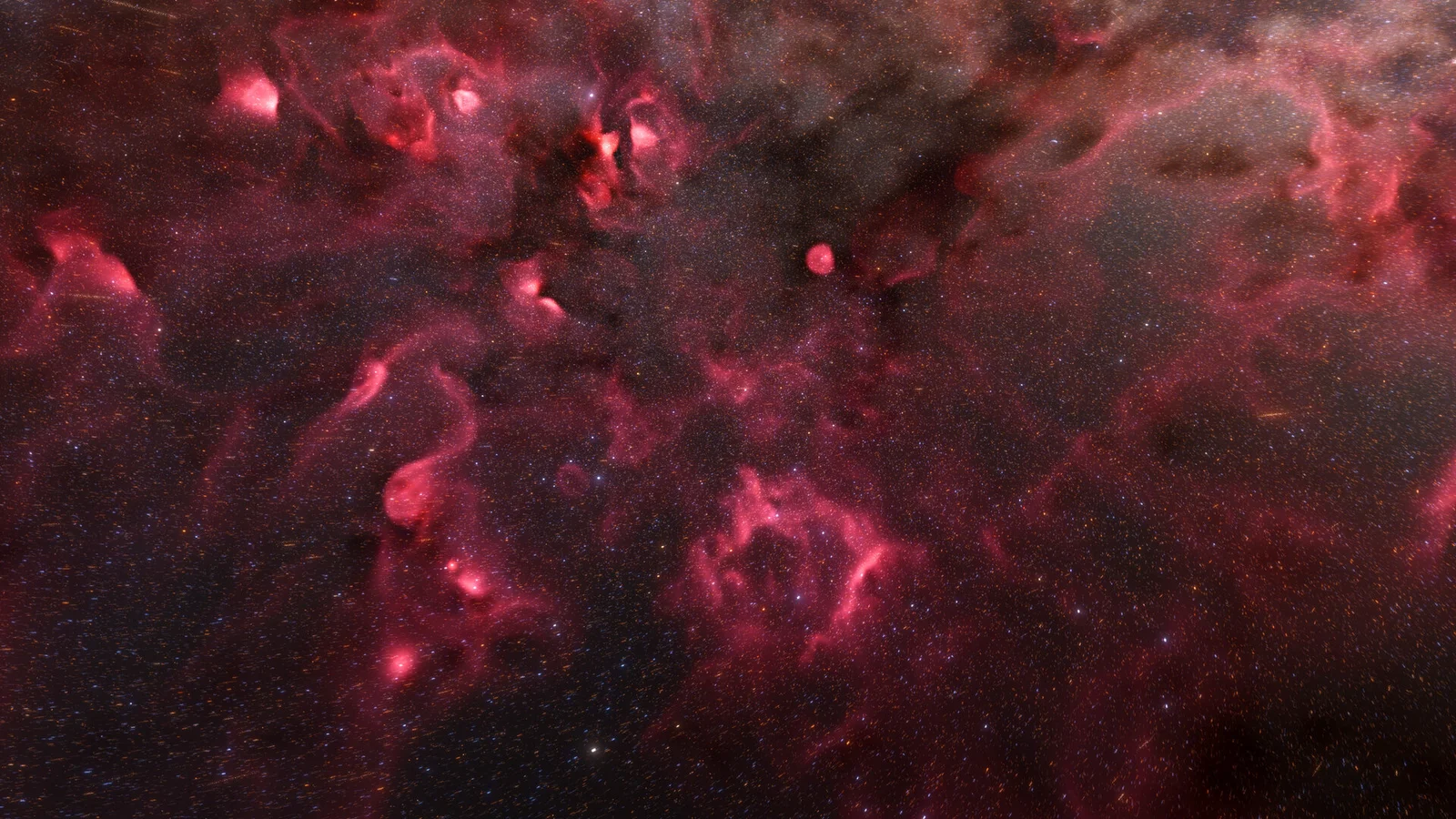
Scientists have created the most accurate 3D map of star-forming regions in the Milky Way using data from the Gaia space telescope, revealing detailed structures of stellar nurseries up to 4000 light-years away and providing new insights into how massive stars influence their surrounding interstellar medium.
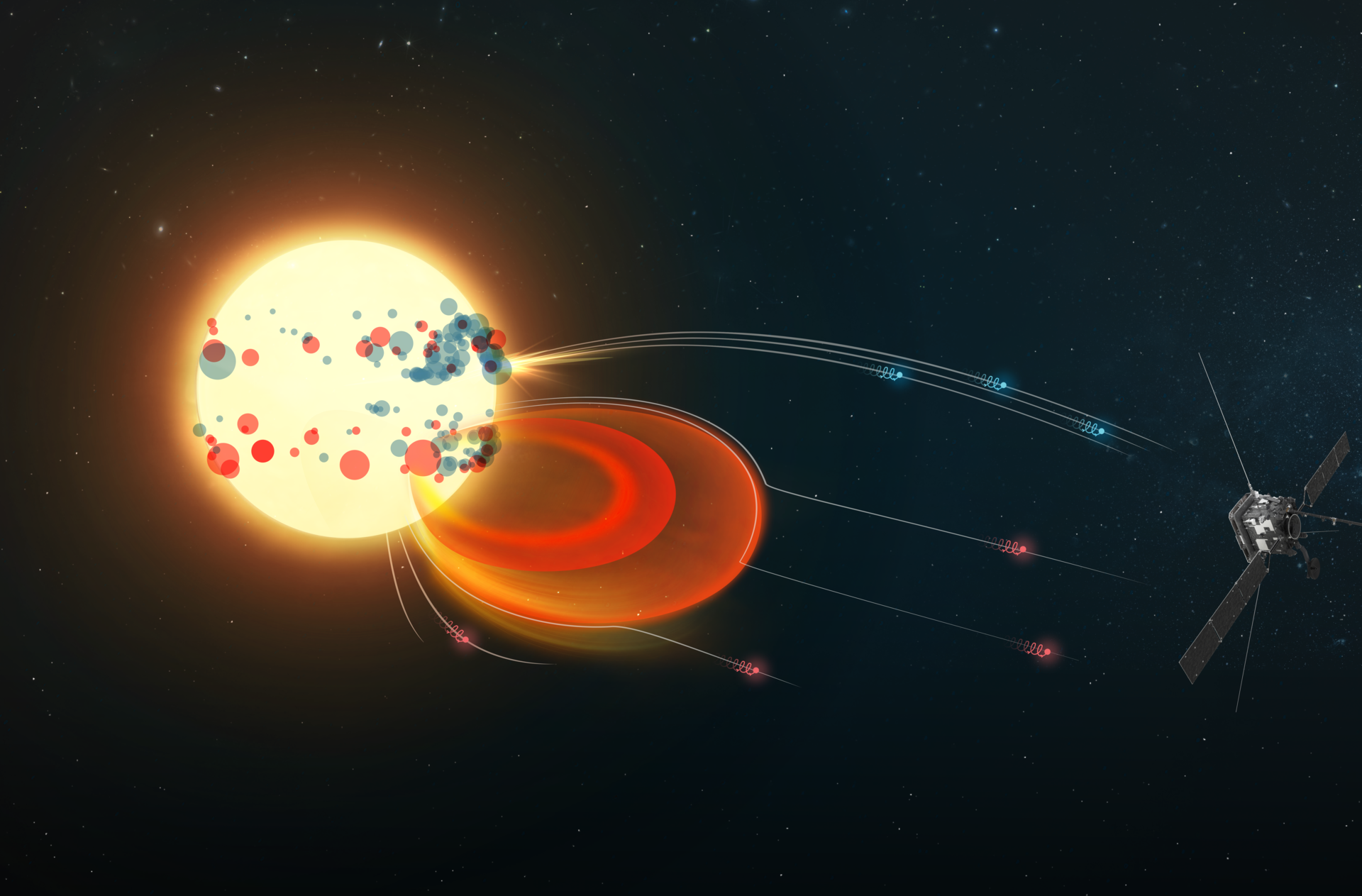
The Solar Orbiter mission has identified two distinct sources of energetic electrons from the Sun—solar flares and coronal mass ejections—by observing over 300 events, which enhances understanding of space weather and helps improve forecasting to protect spacecraft and astronauts.
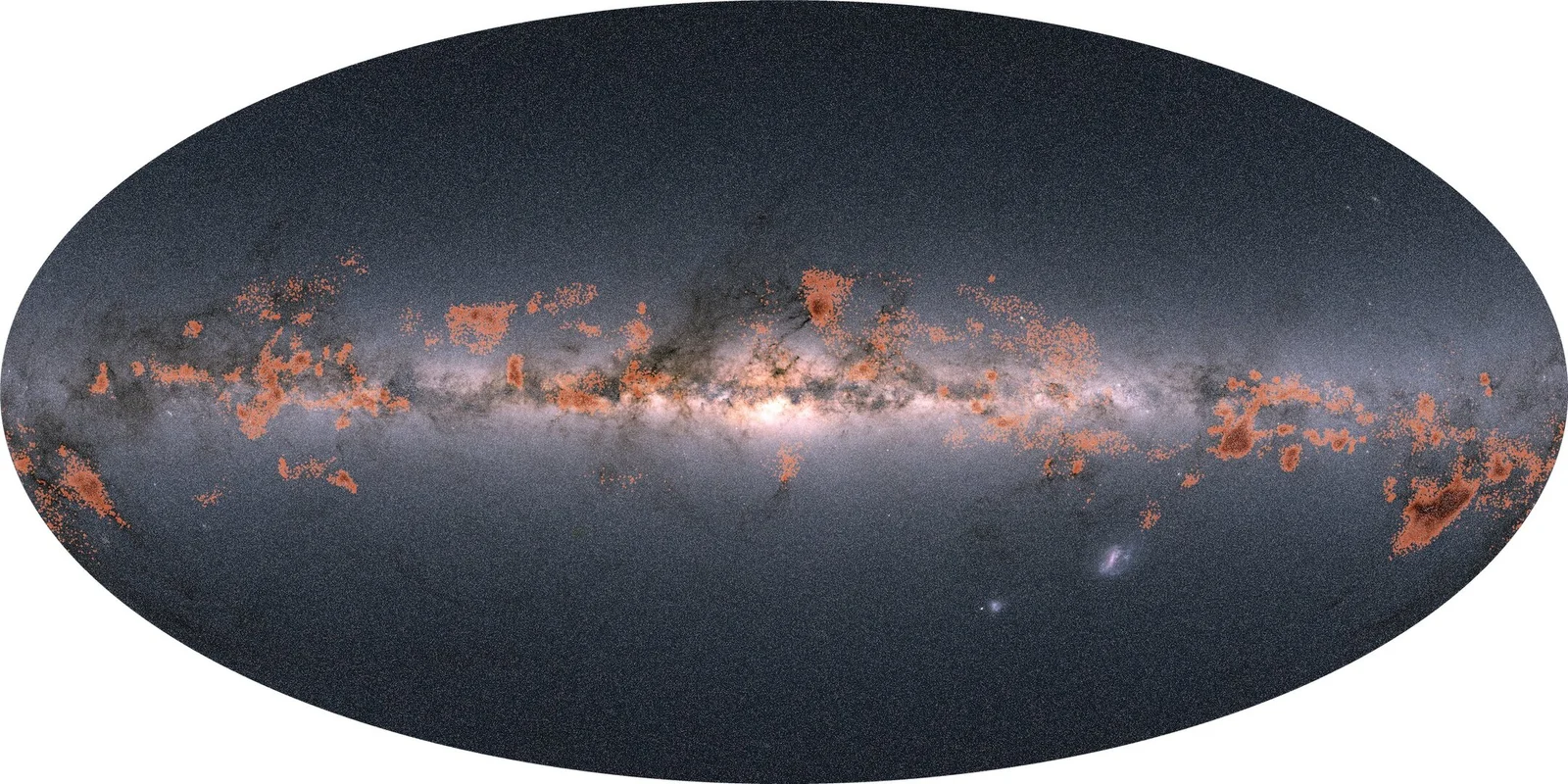
The European Space Agency's Gaia mission has revolutionized our understanding of the Milky Way by mapping billions of stars with unprecedented precision, revealing complex structures, interconnected star clusters, and the dynamic processes shaping our galaxy, including the discovery of star families, tidal tails, and the large-scale interconnectedness of star-forming regions.