Tag

Dark Matter

All articles tagged with #dark matter

A Galaxy Nearly All Dark Matter, Revealed by Four Star Clusters
space7 days ago

A Galaxy Nearly All Dark Matter, Revealed by Four Star Clusters

Astronomers have confirmed CDG-2, a faint galaxy in the Perseus cluster detected only through four globular clusters that provide about 16% of its light; by combining data from Hubble, Euclid, and Subaru, they estimate the galaxy’s total luminosity at roughly 6 million suns and a mass composed of 99.94%–99.98% dark matter, making it one of the most dark-matter–dominated galaxies and a valuable natural laboratory for studying dark matter and galaxy formation.
Baryons Take the Lead in Galaxy Clusters, MOND Gains Ground
astronomy7 days ago

Baryons Take the Lead in Galaxy Clusters, MOND Gains Ground

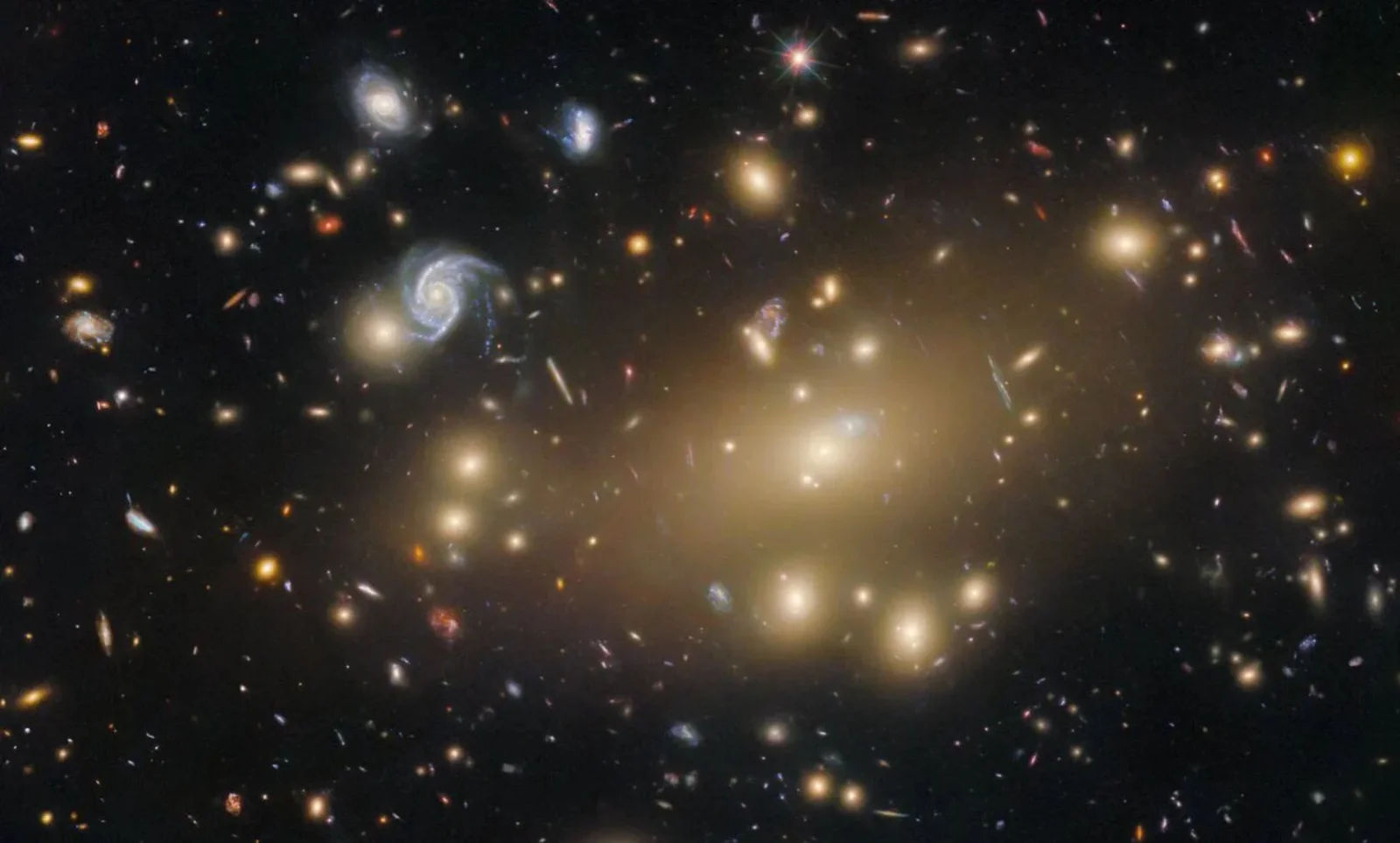
A Bonn-led study analyzing 46 nearby galaxy clusters finds their mass is about twice as heavy in baryonic matter as previously thought, due to components like stellar remnants and intracluster light. The revised accounting brings cluster masses closer to MOND predictions and challenges the need for exotic dark matter, with authors suggesting a reevaluation of dark-matter-focused research funding.

Hubble Reveals CDG-2, a Galaxy 99% Dark Matter
astronomy8 days ago

Hubble Reveals CDG-2, a Galaxy 99% Dark Matter

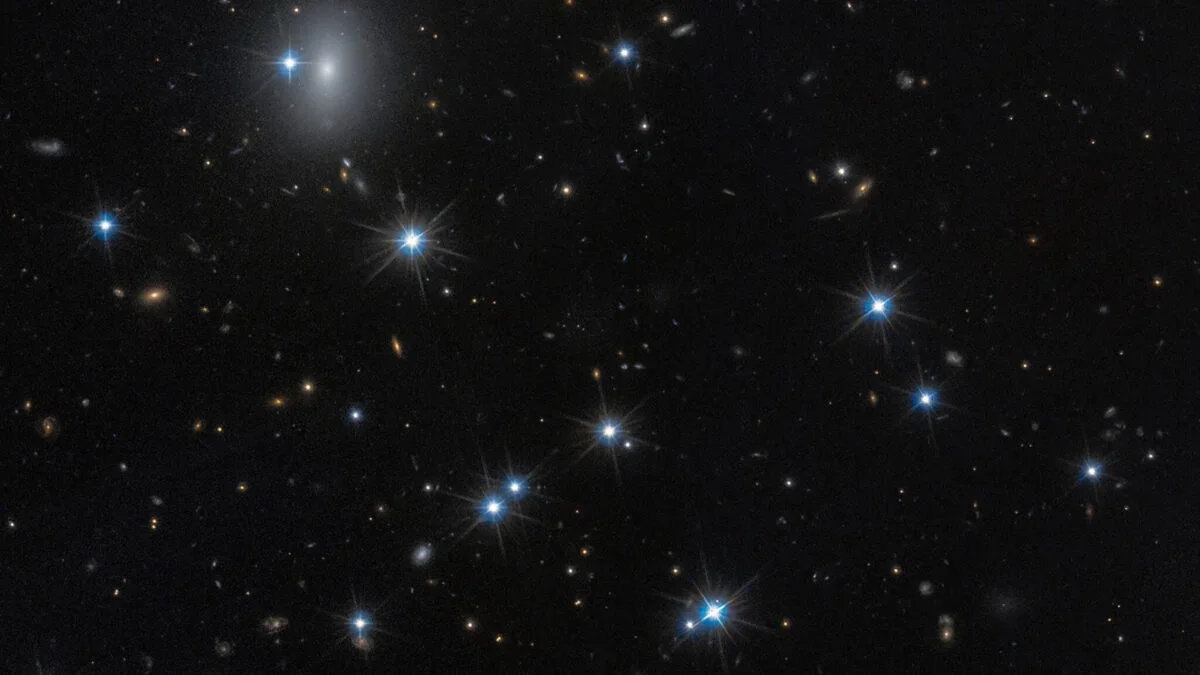
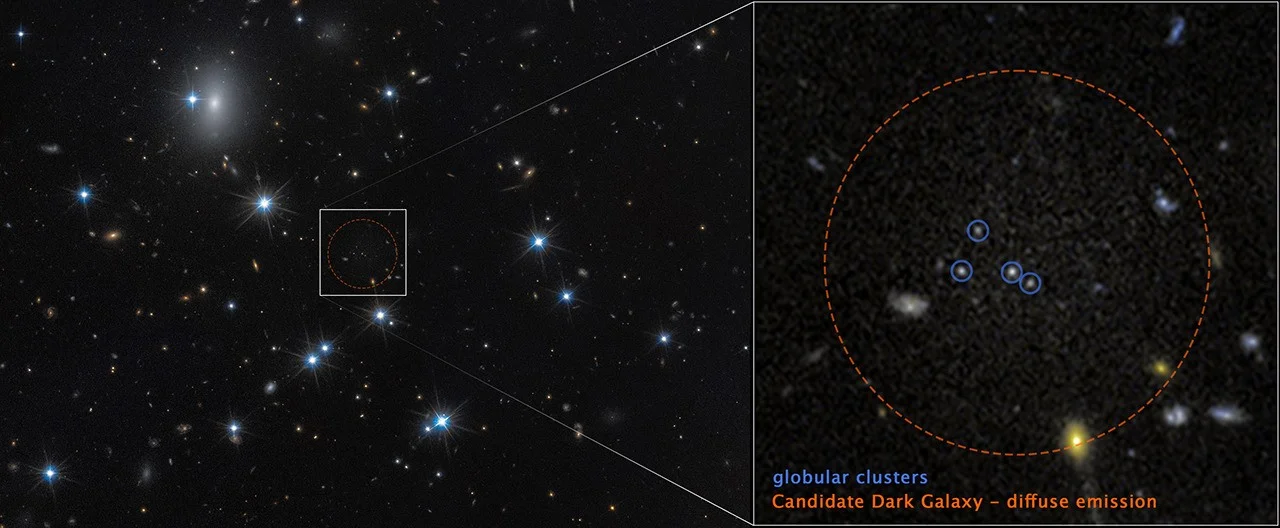
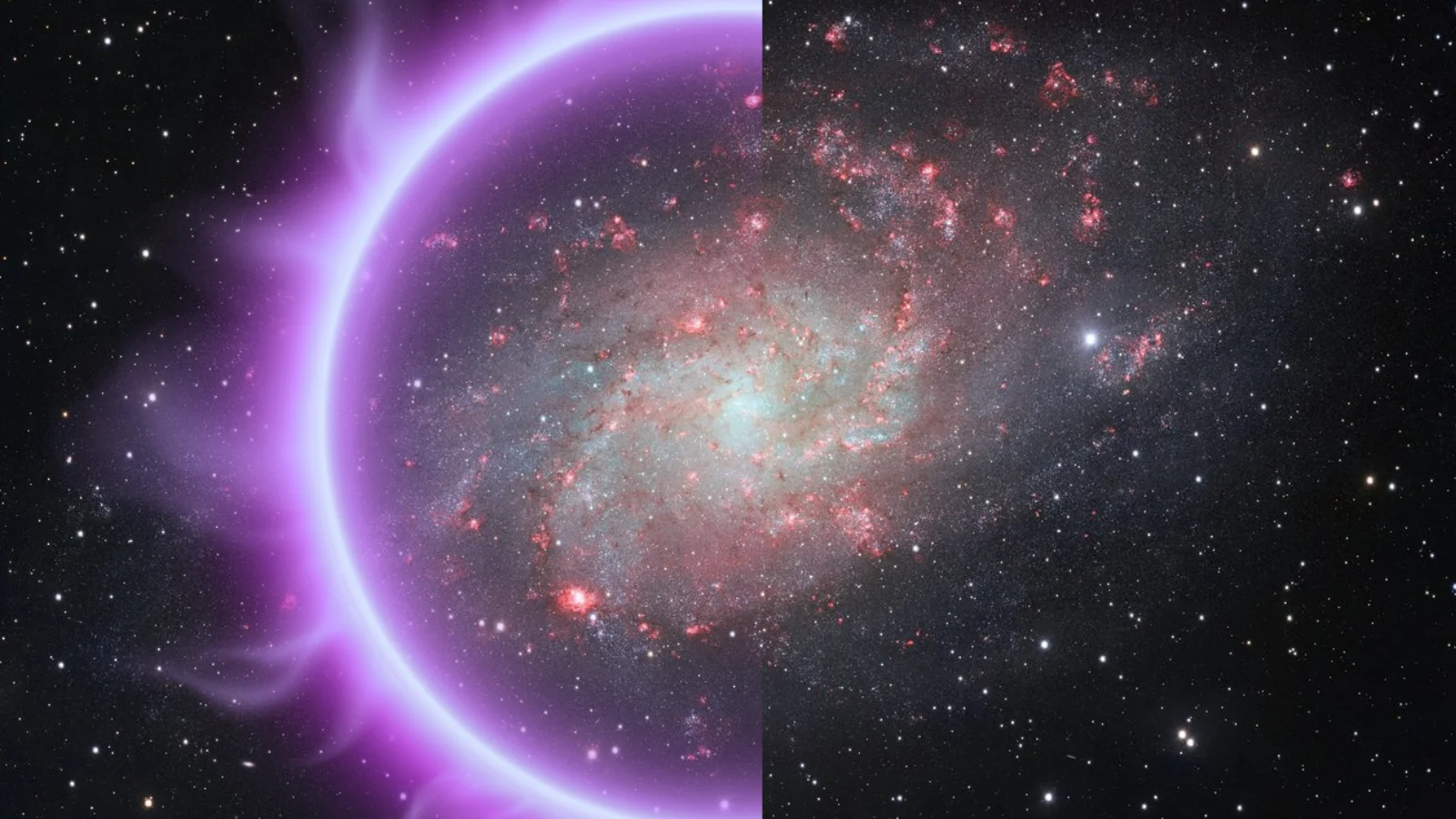
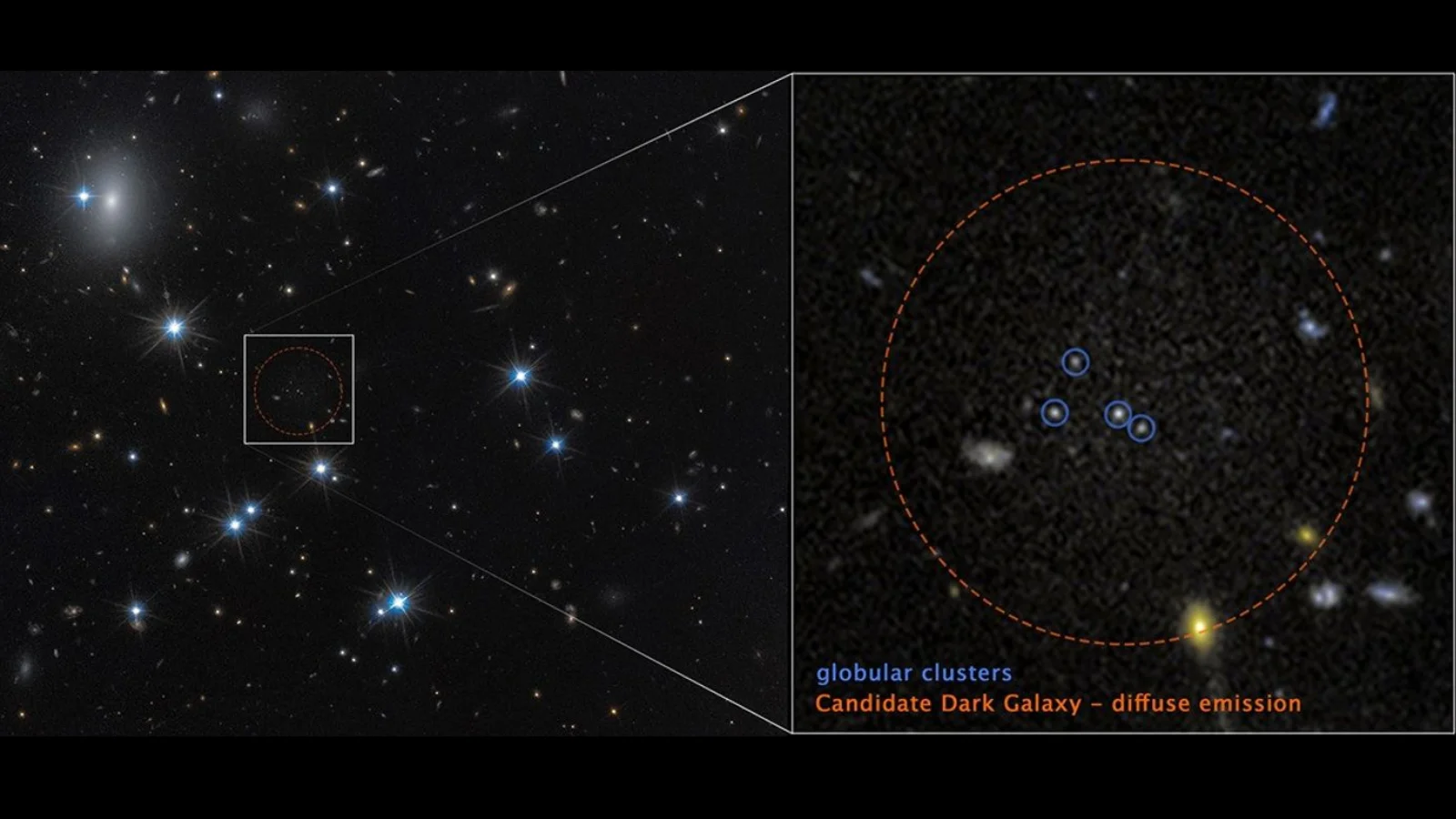
Astronomers using Hubble, with Euclid and Subaru, identified CDG-2 in the Perseus cluster as an extremely dark-matter–dominated galaxy—about 245 million to 300 million light-years away—where 99% of its mass is dark matter. The galaxy was detected indirectly by tracing four tightly packed globular clusters, which reveal a faint glow around them. Its normal matter is estimated at roughly 6 million sun-like stars, with about 16% accounted for by the globular clusters, suggesting past star formation that has since been stripped away by gravitational interactions. The discovery, highlighting a “dark galaxy” category, was reported in The Astrophysical Journal Letters.

Galaxy Cloaked in Darkness Hints at 99% Dark Matter
space-and-spaceflight9 days ago

Galaxy Cloaked in Darkness Hints at 99% Dark Matter

Astronomers using the Hubble Space Telescope identified CDG-2, a very dim galaxy in the Perseus cluster that appears to be 99% dark matter, with most of its normal matter stripped away by the crowded environment; the galaxy is inferred from a surrounding globular cluster population, marking it as one of the most dark-matter–dominated galaxies and a test bed for theories of dark matter and star formation.

Hubble Reveals One of the Universe’s Darkest Galaxies Hidden in Globular Clusters
science9 days ago

Hubble Reveals One of the Universe’s Darkest Galaxies Hidden in Globular Clusters

NASA’s Hubble identified CDG-2, a remarkably dark matter–dominated, low-surface-brightness galaxy in the Perseus cluster, by spotting a small group of globular clusters and a faint surrounding glow. Four tightly bound clusters signal an underlying galaxy whose luminosity is about 6 million Sun-like stars, with about 99% of its mass in dark matter and most normal matter stripped away by gravitational interactions. Confirmed through combined data from Hubble, the Euclid mission, and the Subaru Telescope, this is the first galaxy detected primarily via its globular clusters, illustrating how upcoming surveys and machine-learning methods will uncover more such faint systems.

Milky Way’s Core May Be a Dense Dark Matter Core, Not a Black Hole
space13 days ago

Milky Way’s Core May Be a Dense Dark Matter Core, Not a Black Hole

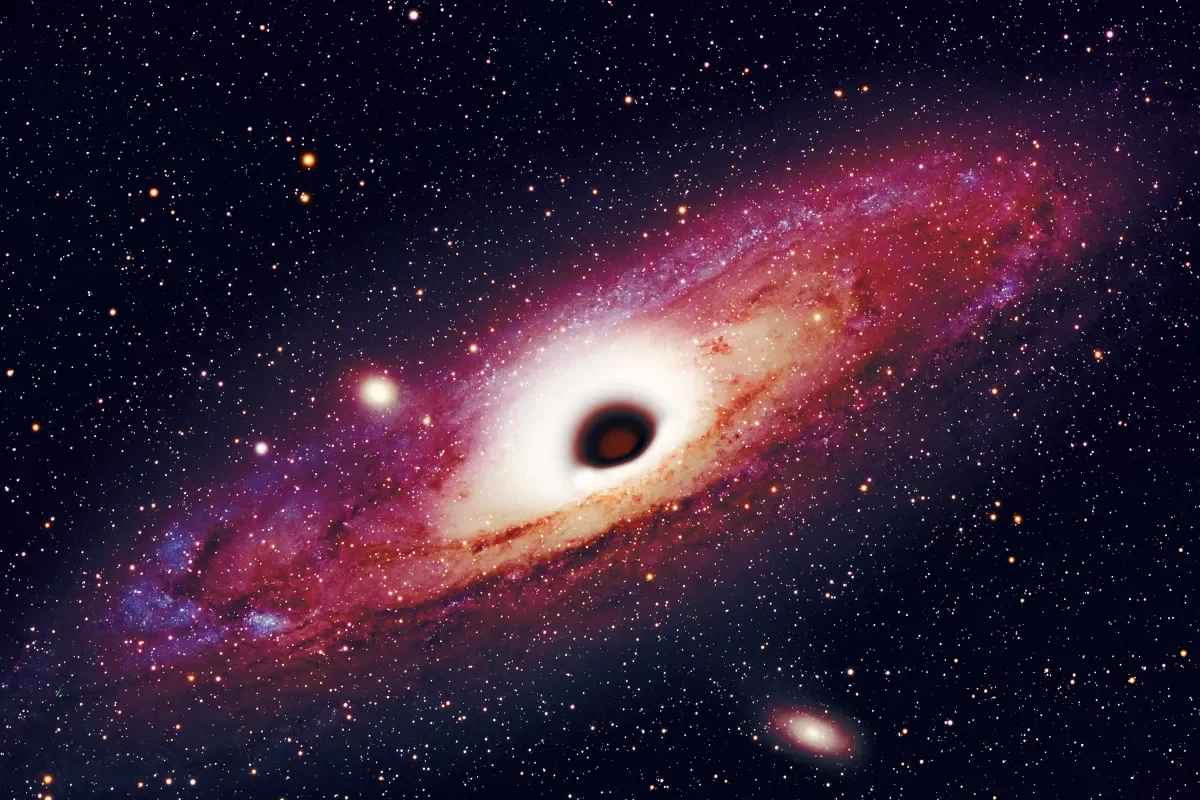
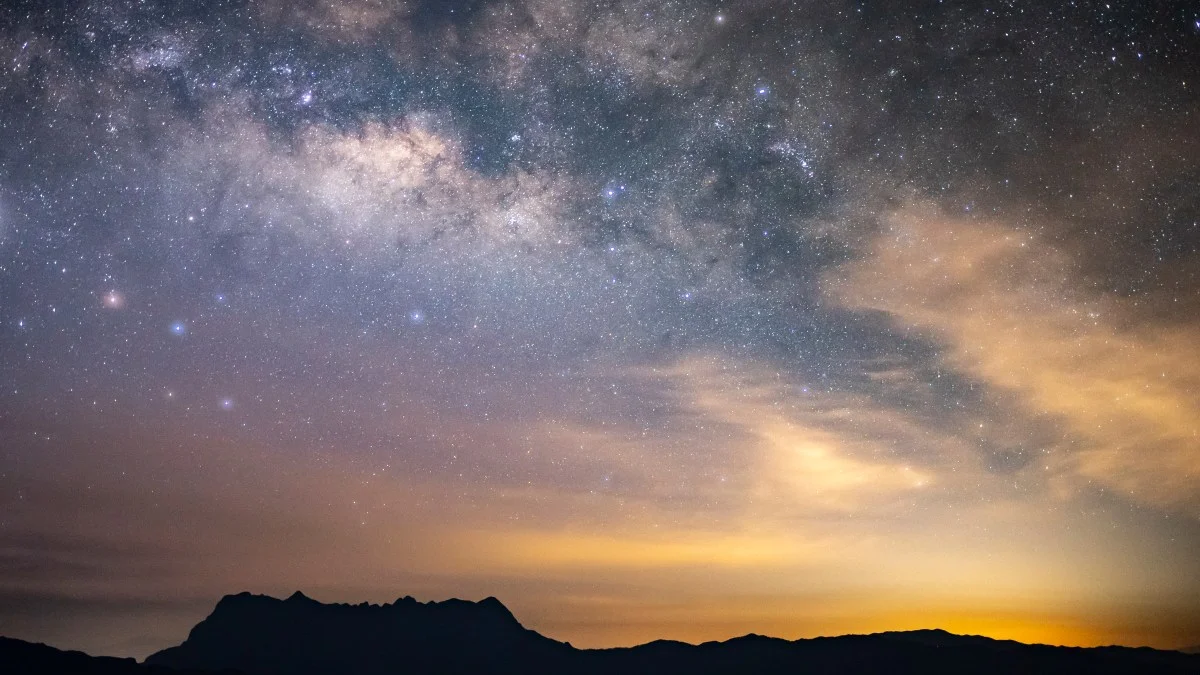
A new study proposes the Milky Way’s central mass could be a dense fermionic dark matter core rather than Sagittarius A*, capable of reproducing the observed fast S-star orbits and the galaxy’s Keplerian rotation decline, and it might even mimic the black hole shadow seen by the Event Horizon Telescope; while provocative, the idea isn’t yet proven and future observations are needed to confirm or refute it.

Could Dark Matter Rule the Milky Way's Core?
astronomy18 days ago

Could Dark Matter Rule the Milky Way's Core?

New research suggests the Milky Way’s central mass, traditionally attributed to the black hole Sagittarius A*, could instead be a dense fermionic dark matter core. The observed orbits of stars like S2 and Gaia rotation curves fit both a black hole and this dark-matter model, meaning current data cannot distinguish them. If the dark matter interpretation holds, it would imply a continuous dark-matter structure linking the galactic center to the halo, reshaping our view of the Milky Way’s mass distribution. Future observations, including higher-resolution EHT data and longer-term stellar monitoring, could resolve the true nature of Sgr A*.

Ghost-state neutrino from a black hole explosion could rewrite physics and dark matter
space19 days ago

Ghost-state neutrino from a black hole explosion could rewrite physics and dark matter

A 2023 ultra-energetic neutrino detected by KM3NeT may have originated from an exploding primordial black hole with a dark charge (a quasi-extremal PBH). If confirmed, such events could provide a complete catalog of subatomic particles and illuminate dark matter, but the idea is unproven and lacks corroborating detections. Researchers predict a first quasi-extremal PBH explosion could occur by 2035, highlighting a potential new window into particle physics and cosmology.

Flat Dark Matter Sheet Nudges Andromeda Toward the Milky Way
science20 days ago

Flat Dark Matter Sheet Nudges Andromeda Toward the Milky Way

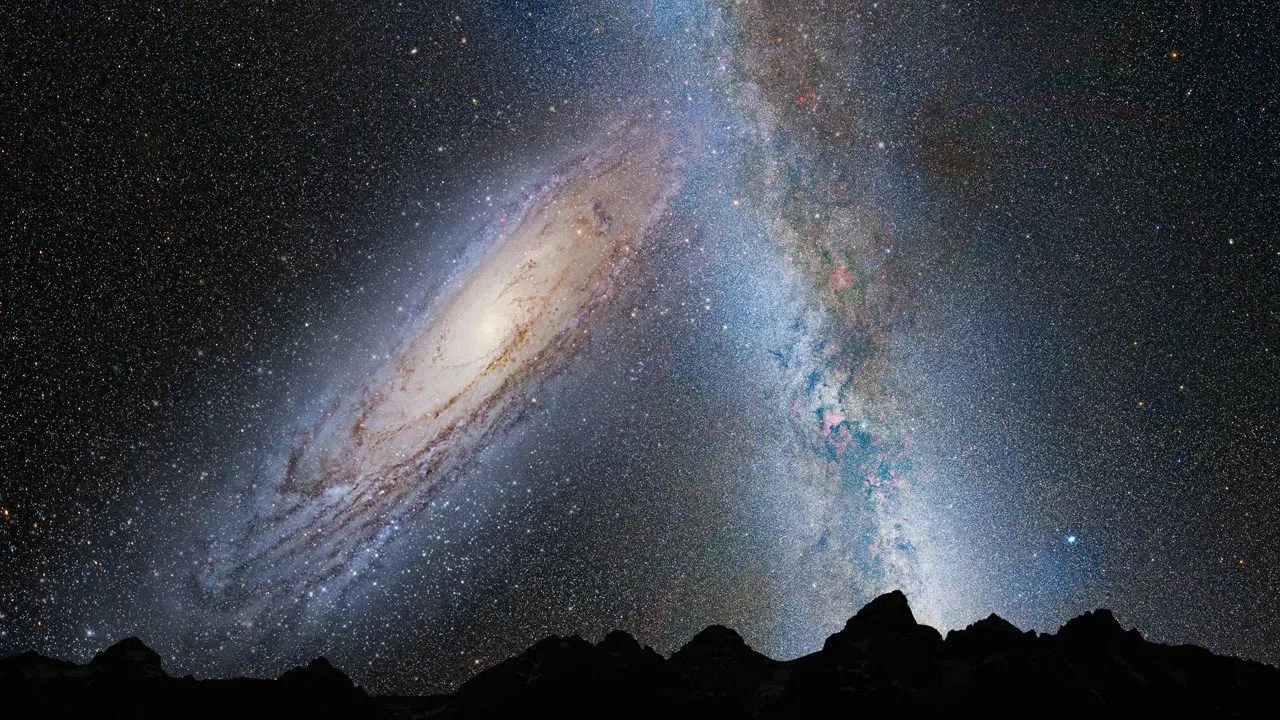
A Nature Astronomy study finds that a vast, flat sheet of dark matter surrounding the Milky Way and Andromeda reshapes local gravity, slowing the motion of closer galaxies and accelerating more distant ones, which explains why Andromeda is on a collision course with the Milky Way and underscores dark matter’s key role in the dynamics of our cosmic neighborhood.

Webb Telescope Maps Cosmos's Invisible Skeleton in Unprecedented Detail
physics-and-mathematics21 days ago

Webb Telescope Maps Cosmos's Invisible Skeleton in Unprecedented Detail

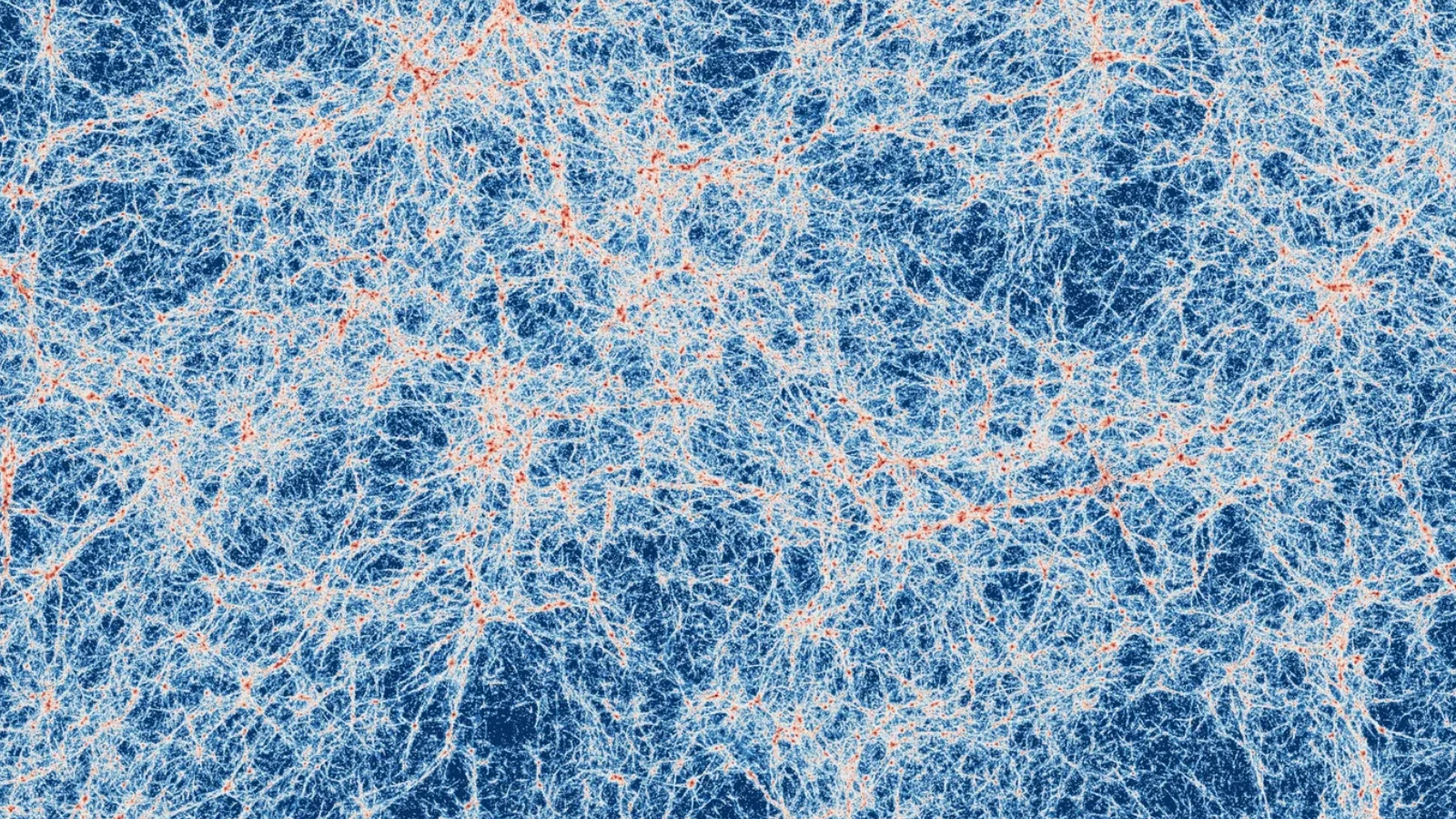
Astronomers using the James Webb Space Telescope produced the most detailed map of dark matter yet, revealing how its gravity shapes ordinary matter in a patch of the Sextans constellation and uncovering about 800,000 galaxies; the findings, published in Nature Astronomy from 255 hours of JWST observations, demonstrate dark matter as the universe's scaffolding and hint at how cosmic structure formed, with plans to expand mapping using NASA's Roman Space Telescope.

Infrared-running gravity hints a gravity-based path to galaxy rotation without dark matter
space22 days ago

Infrared-running gravity hints a gravity-based path to galaxy rotation without dark matter

A Space.com article reports a new theory by Naman Kumar proposing infrared-running gravity, a scale-dependent modification of gravity that could explain galaxy rotation curves without invoking dark matter while remaining compatible with early-universe constraints; however, the approach is not yet a full replacement for dark matter in cosmology, and further work is needed to compare its predictions with gravitational lensing and galaxy-cluster observations.

Flat dark-matter sheet explains Andromeda’s inbound motion amid receding neighbors
space22 days ago

Flat dark-matter sheet explains Andromeda’s inbound motion amid receding neighbors

A Nature Astronomy study using local-universe simulations finds a vast, flat sheet of dark matter surrounding the Local Group that counteracts the Milky Way–Andromeda attraction. This sheet’s gravity pulls nearby galaxies outward, explaining why Andromeda is approaching us while other nearby galaxies are receding with cosmic expansion, reconciling observations with the standard cosmological model.

Ultra-Powerful Neutrino Sparks Dark Matter Clue From Ancient Black Hole
science22 days ago

Ultra-Powerful Neutrino Sparks Dark Matter Clue From Ancient Black Hole

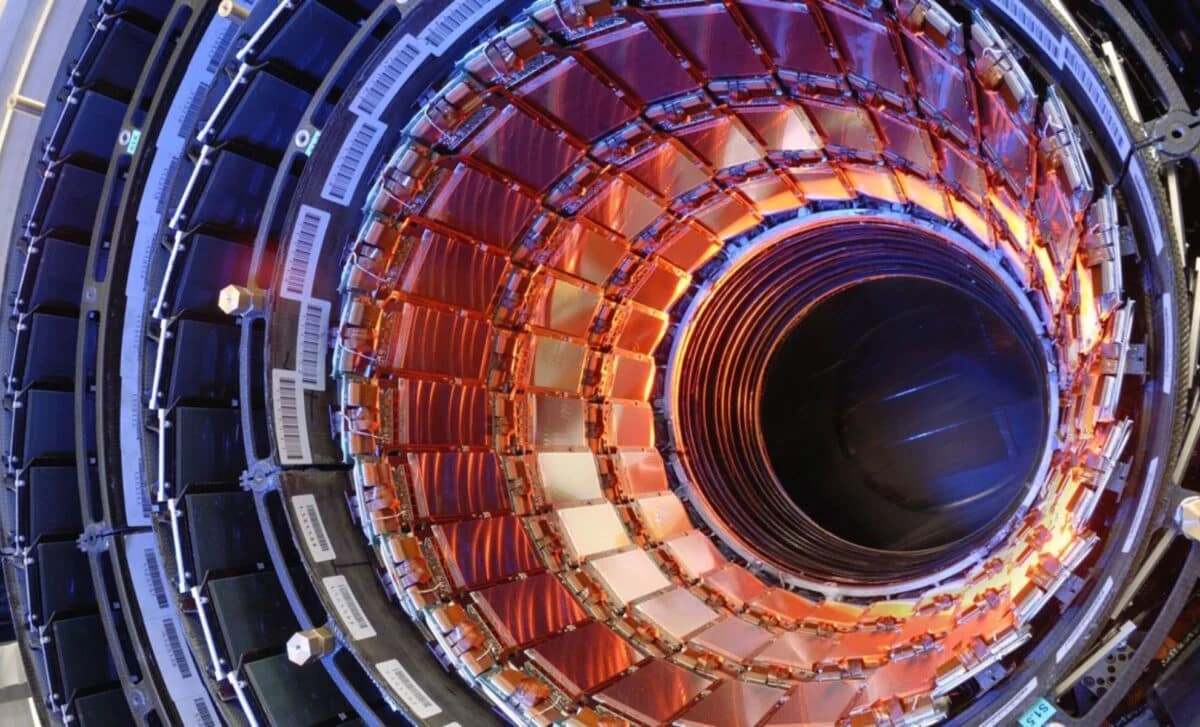
A 220 PeV neutrino detected by KM3NeT's ARCA detector in February 2023 far exceeds energies from any accelerator and challenges existing models; a University of Massachusetts Amherst team suggests it came from a primordial black hole evaporating via Hawking radiation, offering a potential link to dark matter and a window into new physics beyond the Standard Model.