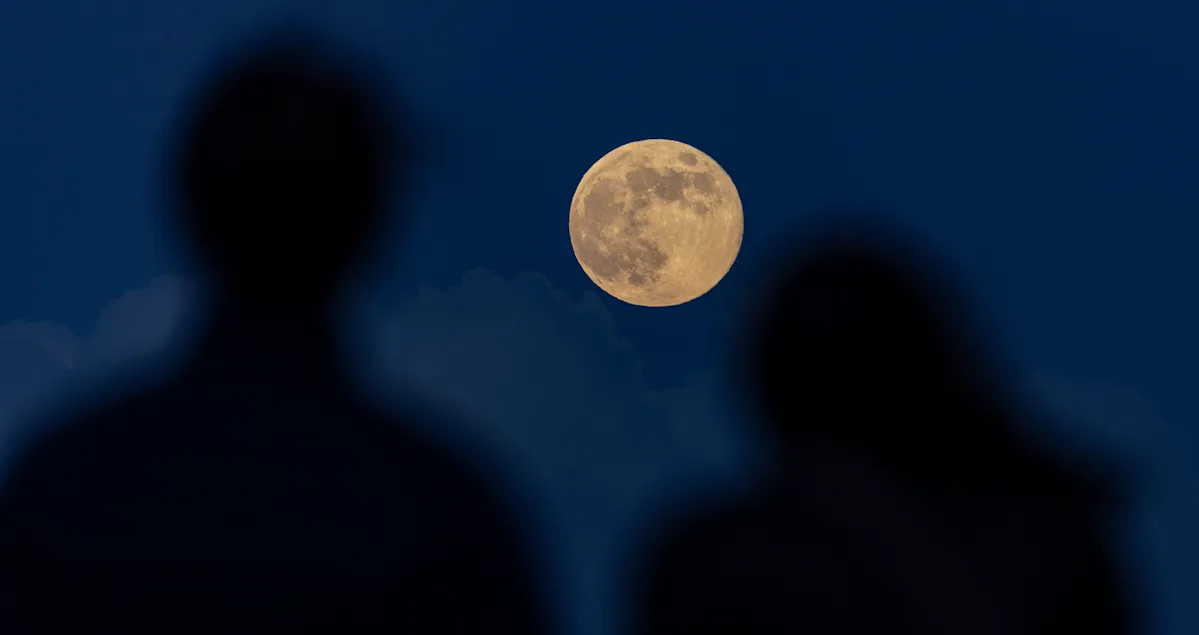
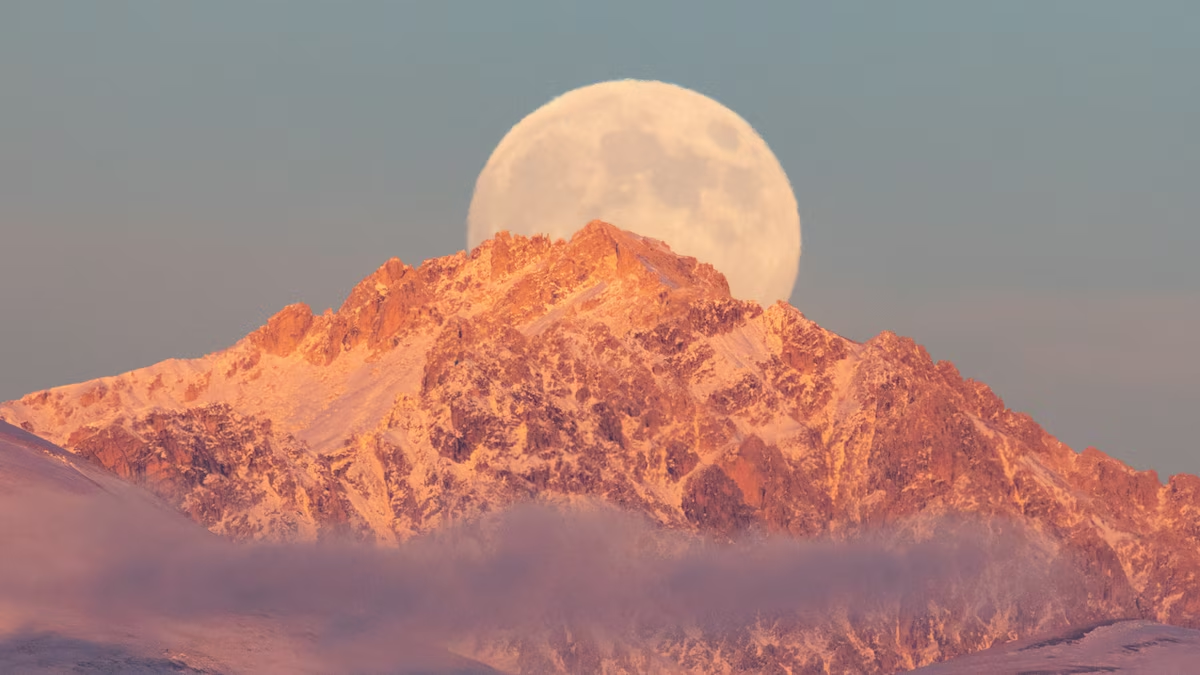
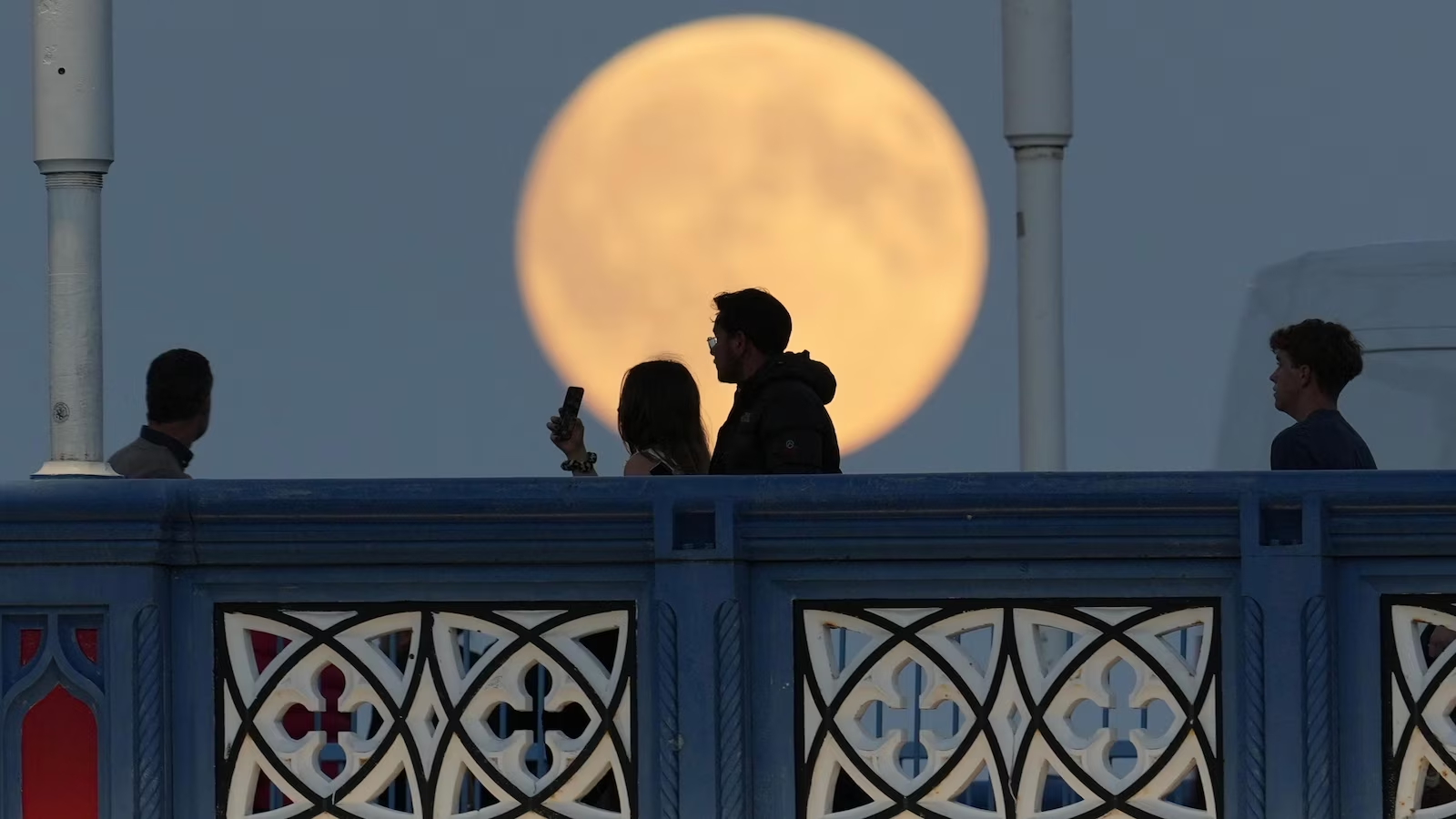
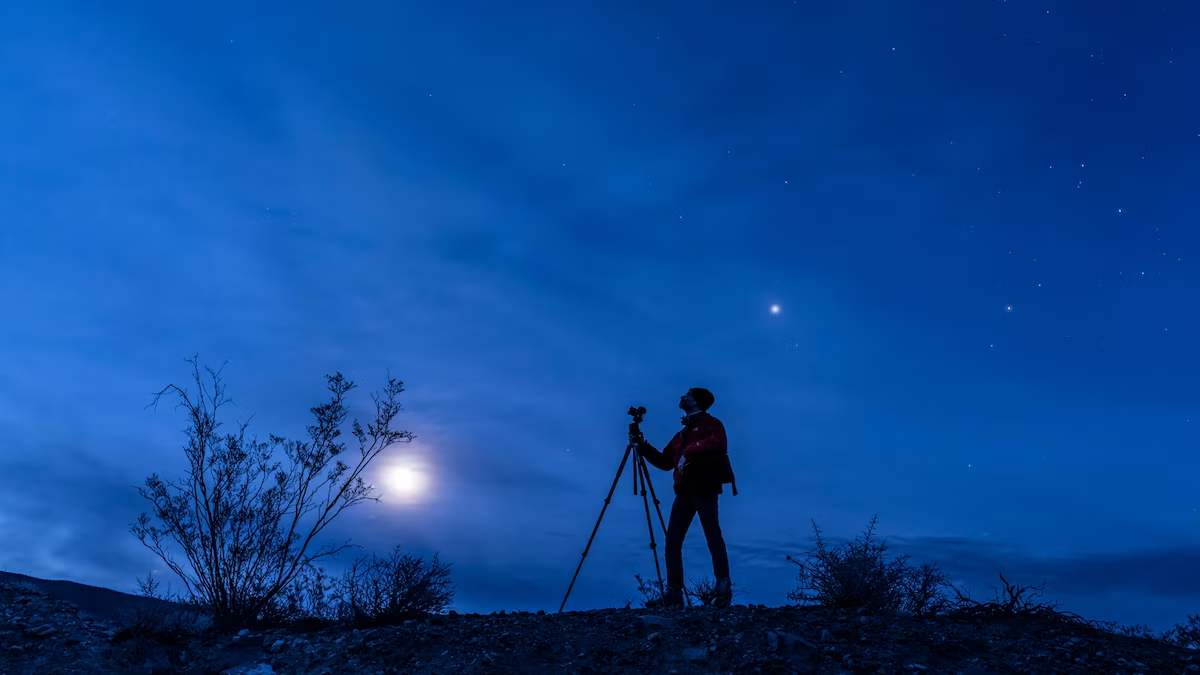
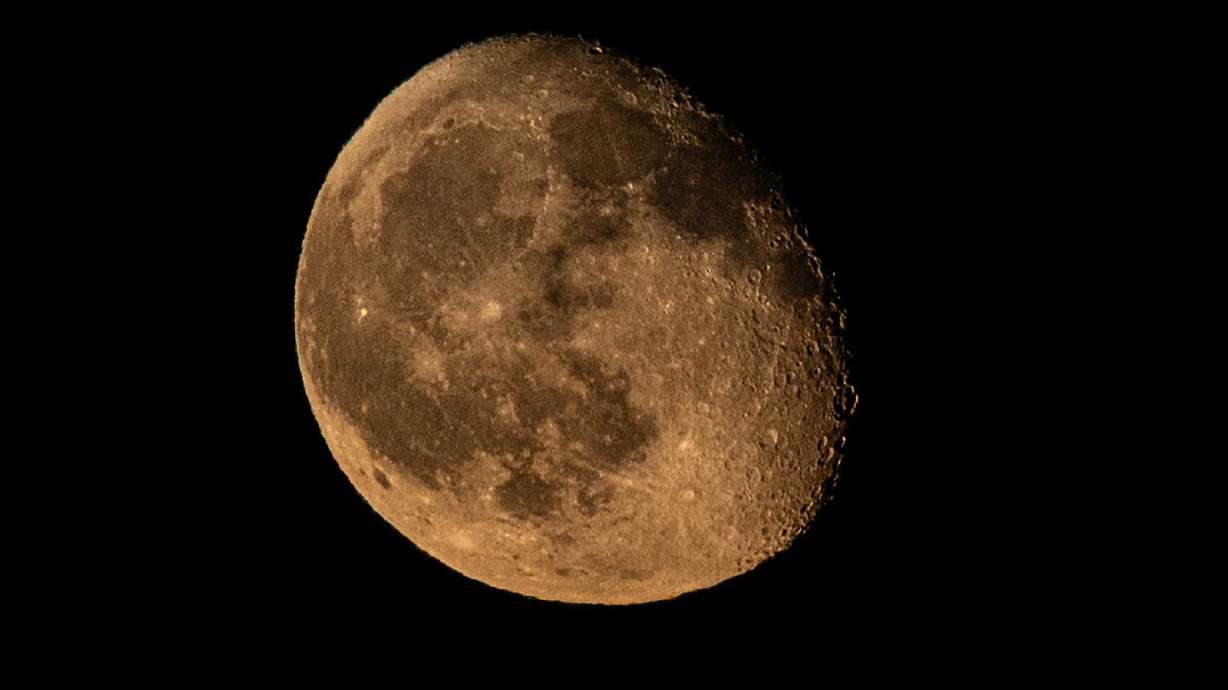
The first full moon of 2026, called the Wolf Moon, was visible on January 3, 2026, and was captured in stunning images from around the world, highlighting its cultural significance and celestial beauty.
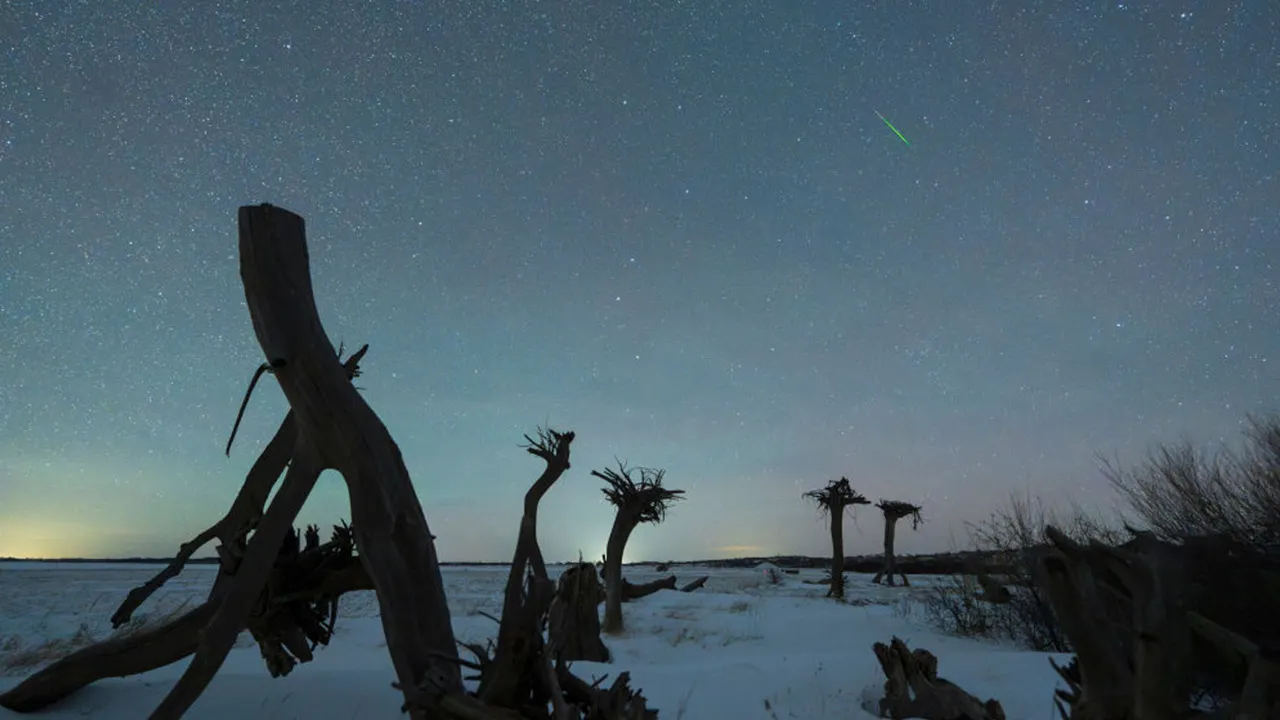
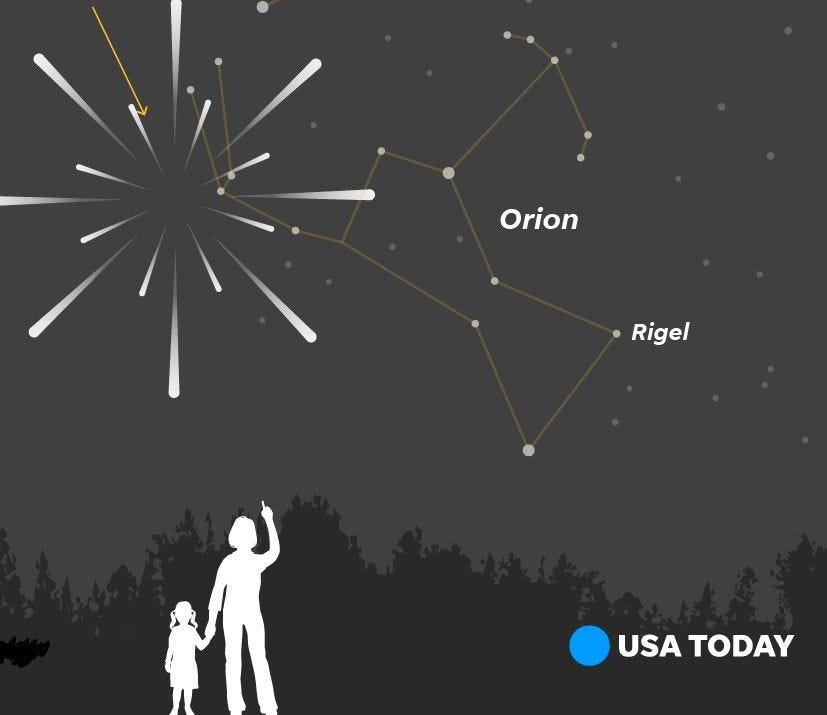
The night of January 2-3, 2026, will feature the peak of the Quadrantid meteor shower, known for its high meteor activity, along with the year's first supermoon, the Super Wolf Moon, although weather conditions may hinder viewing. The meteor shower originates from asteroid 2003 EH1 and is best observed away from light pollution after midnight, while the supermoon will be visible in the early morning hours of January 3.
This week features the peak of the Beaver moon, a supermoon, and the Taurid meteor shower, offering prime opportunities for stargazing. The Beaver moon, the second of three supermoons this year, will be at its closest approach to Earth, appearing larger and brighter. The Taurid meteor shower, known for fireballs, peaks early on November 5th, but visibility may be affected by the full moon. Best viewing spots are dark, open areas away from city lights, with the moon visible in the eastern sky.
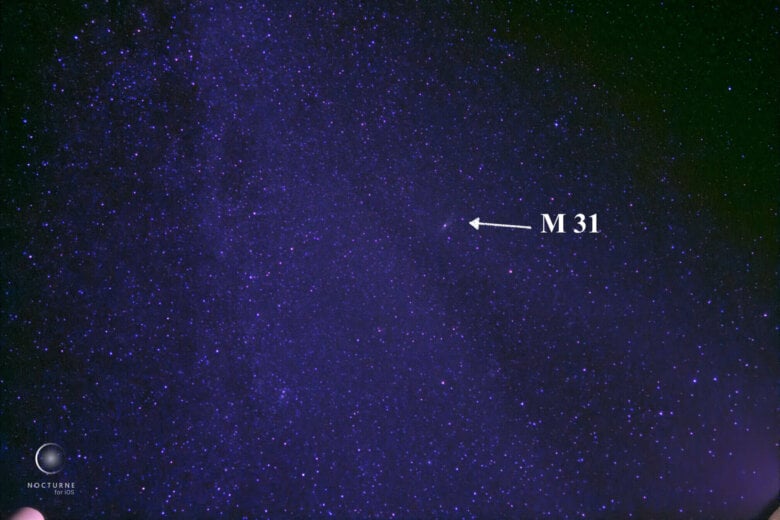
In November 2025, notable sky events include the full hunter’s supermoon, the Leonid meteor shower on November 20-21, and the visibility of planets like Jupiter and Saturn. The month also features the star Capella, the Milky Way, and the Andromeda Galaxy, with various astronomy events and viewing opportunities in the D.C. area.
November offers a variety of celestial events including the best chance to see Mercury in the evening sky, multiple meteor showers such as the Taurids and Leonids, a supermoon called the beaver moon, close approach of the moon to the Pleiades, and the opposition of Uranus, making it an exciting month for stargazing.
The October new moon provides ideal dark skies for viewing the Orionid meteor shower and the rare Comet Lemmon, which is closest to Earth on October 21, 2025. The meteor shower peaks around October 20-21, with 10-20 meteors per hour, visible from dark locations between midnight and pre-dawn. Comet Lemmon can be seen near the Big Dipper in the northwest, brightest until late October. The new moon on October 21 offers optimal conditions for stargazing, with brighter stars and minimal moonlight interference.
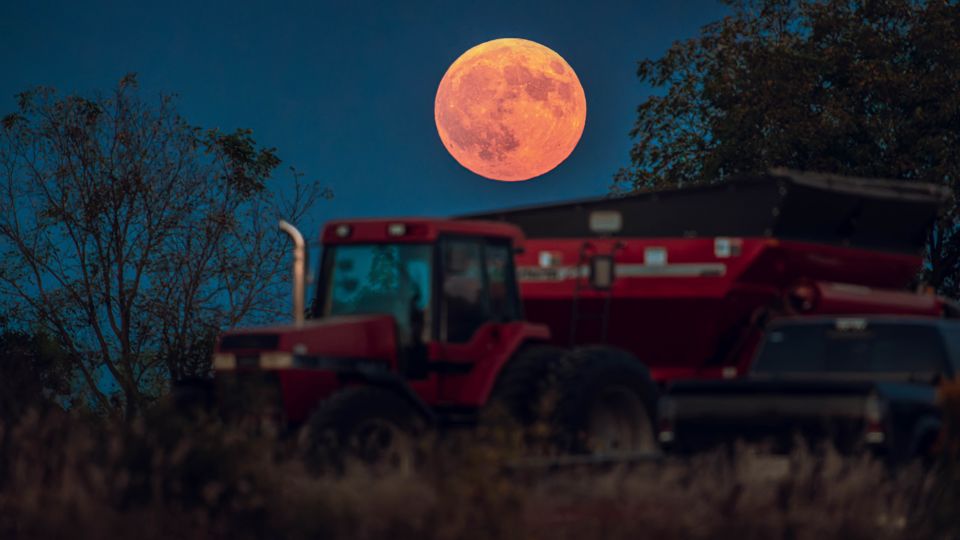
October's supermoon, the first of three celestial events this year, appears larger and brighter as the moon is closest to Earth, with photos capturing its stunning appearance, observable without special equipment if skies are clear.
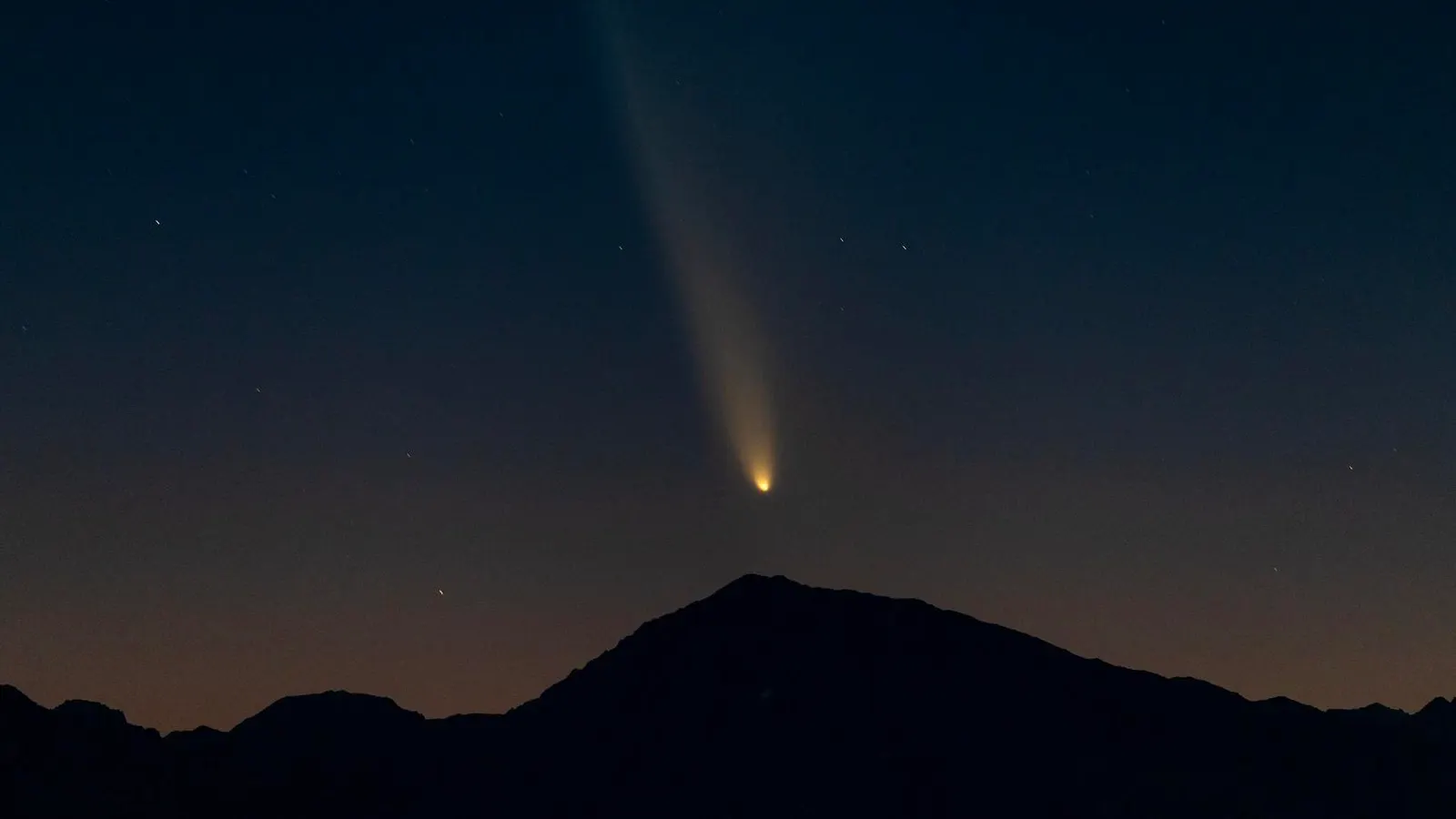
In October, skywatchers can witness a rare double comet display featuring comets C/2025 R2 (SWAN) and C/2025 A6 (Lemmon), both peaking around October 21, coinciding with the Orionid meteor shower and a new moon, creating an exceptional celestial spectacle. The comets will be visible in the western and northern skies after sunset, with optimal viewing on October 21 under dark skies, possibly with binoculars, offering a rare opportunity to see two bright visitors in the night sky.
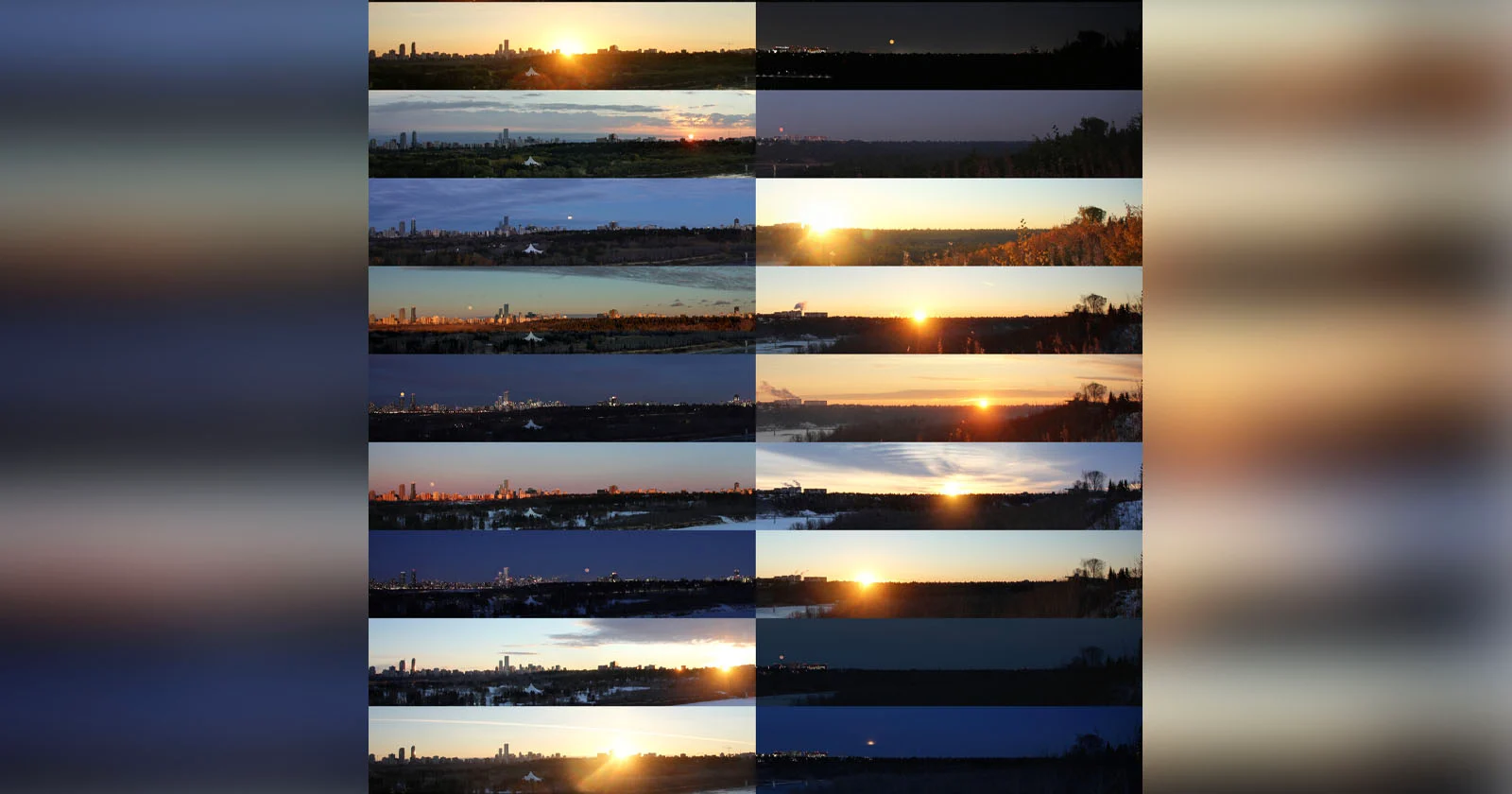
Photographers Luca Vanzella and Alister Ling captured a year-long project of the Sun and Moon's movements over Edmonton, Canada, highlighting the major lunar standstill and celestial dance through 13 sunrises and moonrises, despite weather challenges and the need for proxies.
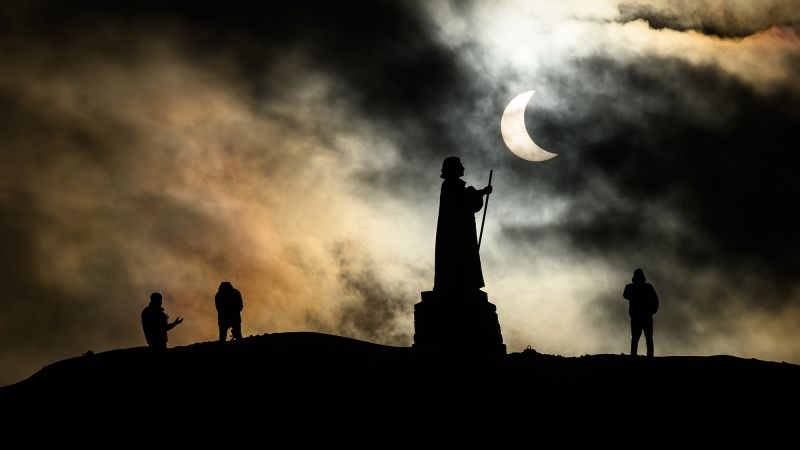
This weekend offers sky-gazers a partial solar eclipse visible in parts of the Southern Hemisphere and Australia, along with the opposition of Saturn, providing a great opportunity to observe the planet and its rings. Additionally, several full moons and meteor showers are upcoming in 2025, making it an exciting time for astronomy enthusiasts.
A total lunar eclipse and the full corn moon will be visible this weekend, with the eclipse creating a reddish 'blood moon' effect. The event is best viewed from Europe, Africa, Asia, and Australia, and can be seen without special equipment. The next similar event will occur in March 2026, and other celestial phenomena like meteor showers are also upcoming.
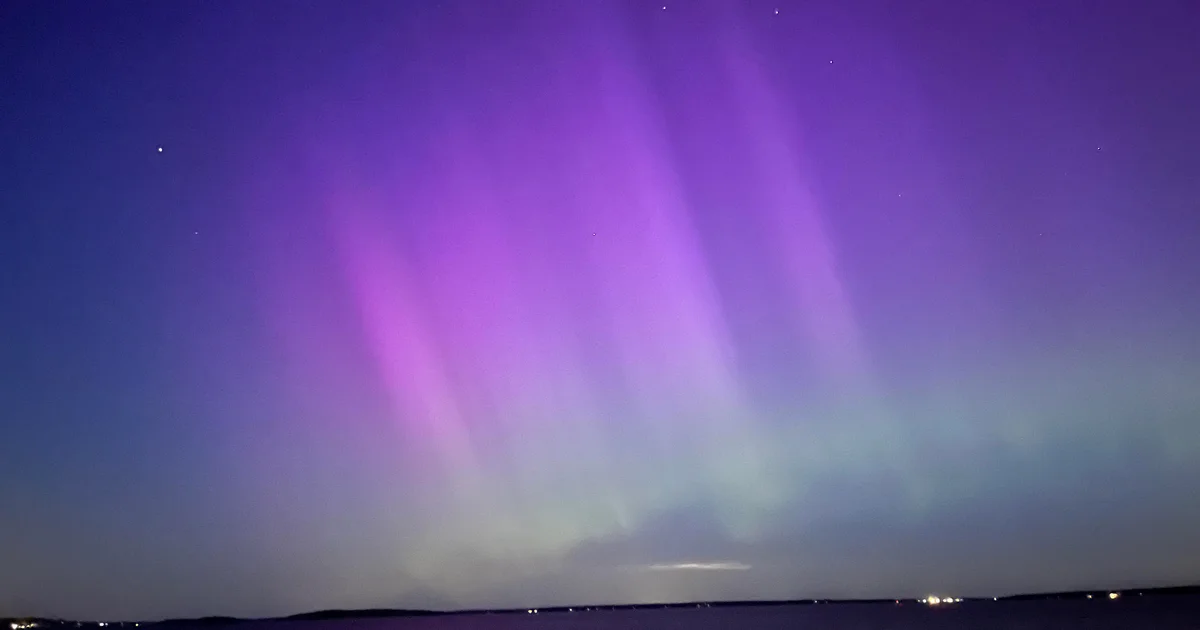
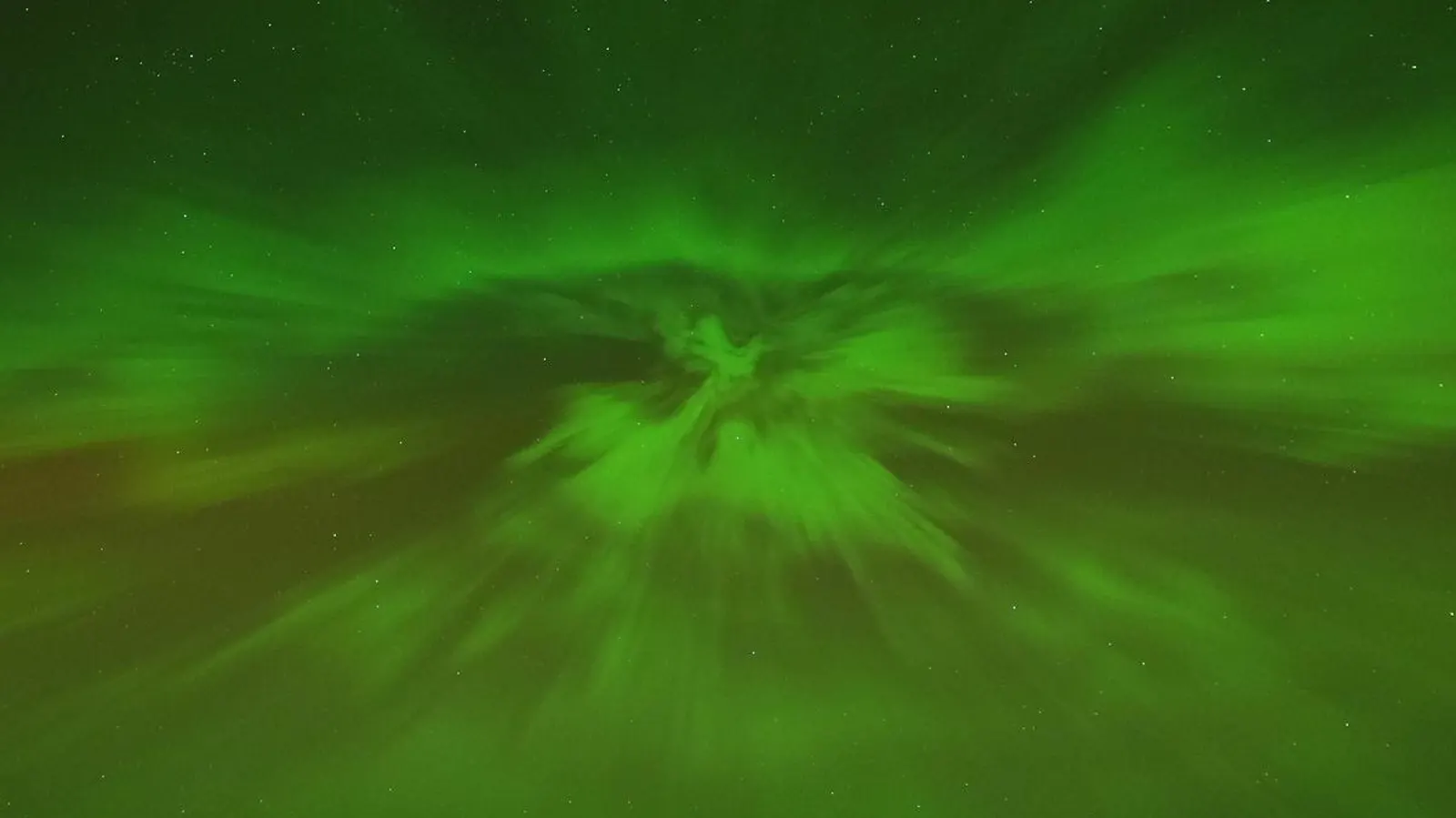
The northern lights may be visible tonight over parts of New York, especially in counties north and west of NYC, with the best viewing times between 10 p.m. and 2 a.m., offering a rare celestial display for stargazers in the region.
September 2025 features notable celestial events including Saturn at opposition, a full Corn Moon, a partial solar eclipse, and the autumnal equinox, along with opportunities to observe the Northern Lights, the Great Square of Pegasus, and the Andromeda Galaxy, making it an exciting month for stargazing in the Northern Hemisphere.
September offers a variety of spectacular night sky events including a total lunar eclipse, planetary alignments with Saturn, Neptune, and Jupiter, Venus occultation, and prime viewing conditions for the Milky Way and deep-sky objects, making it an ideal month for stargazing and astrophotography.
A black moon, which is the second new moon in a month and occurs roughly every 29 months, will be invisible this weekend as it happens when the moon is between Earth and the sun. While it won't be visible, this is a good time for stargazing since the absence of moonlight enhances visibility of planets and nebulae. The article also previews upcoming full moons and eclipses in 2025.