New telescope owners should start by familiarizing themselves with setup, focusing on bright targets like the moon and planets such as Jupiter and Saturn, and learning the night sky's constellations to navigate and find deep-sky objects gradually, practicing patience and regular observation.
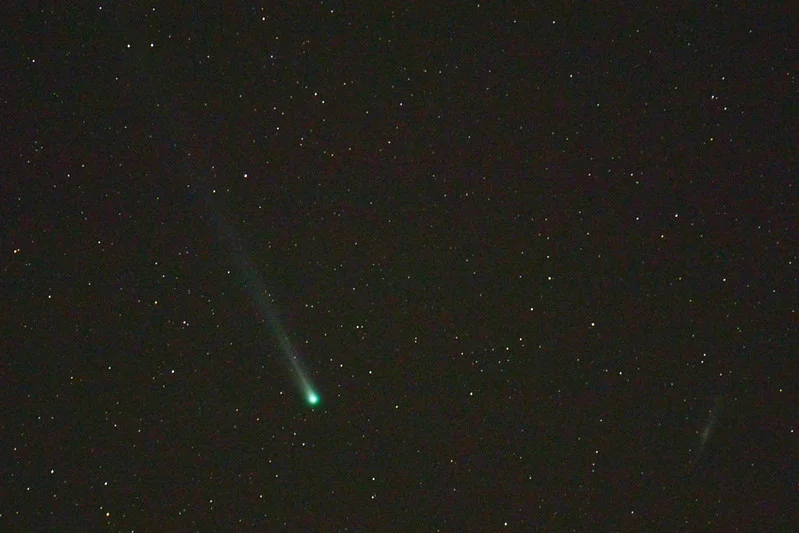
This week, skywatchers have the opportunity to observe Comet Lemmon, which will be at its brightest and visible with binoculars in the evening sky. Other celestial events include the Blinking Planetary Nebula in Cygnus, an occultation of Jupiter's moon Io, the opposition of Uranus, the close pass of the Moon and Antares, the pairing of Comet Tsuchinshan with the Beehive Cluster, Mercury passing Antares, and the peak of the annual Leonid meteor shower.
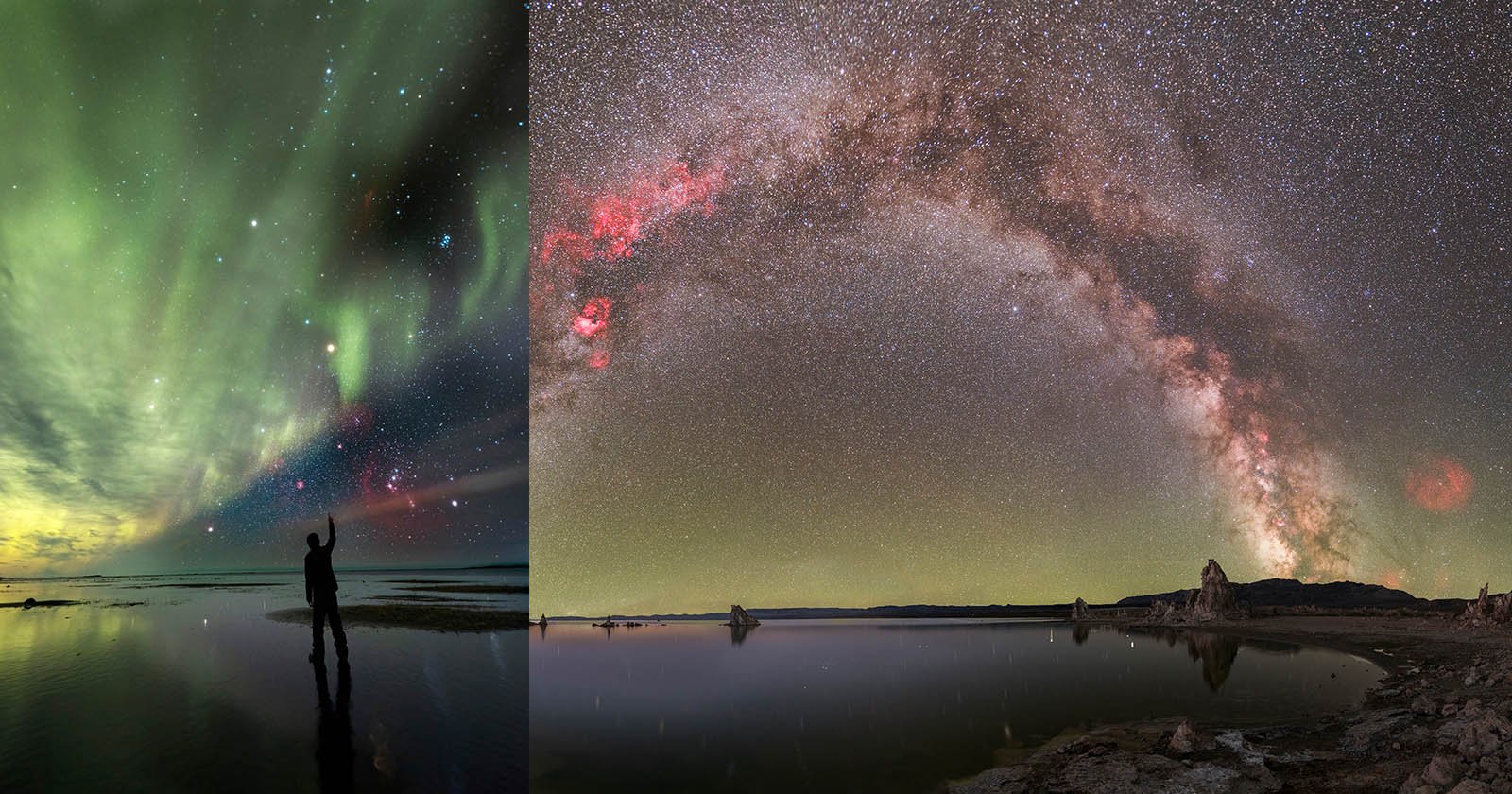
Bortle Class 1 skies, characterized by minimal light pollution, offer the best conditions for astrophotography. These pristine skies allow for the capture of celestial waveforms and the observation of deep-sky objects such as the Milky Way, Andromeda Galaxy, Orion Nebula, and Pleiades star cluster. In addition, Bortle 1 skies provide opportunities to witness natural phenomena like the Northern and Southern Lights (Aurora Borealis and Aurora Australis), the faint glow of the zodiacal light, and the subtle radiance of airglow. These breathtaking sights highlight the beauty and vastness of the universe.
On March 27, 2023, Mercury, Jupiter, Mars, Venus, and Uranus will align and display themselves in a row across the night sky. This week, amateur astronomers worldwide will be participating in the Messier Marathon to spot as many of the 110 deep-sky objects as possible. To get the best experience, it is recommended to find an observational site with a clear view of the western horizon and use binoculars. The planets will be viewable approximately 20-25 minutes after the sun has set, and the viewing time is short.