Tag

Neuroscientist

All articles tagged with #neuroscientist

health-and-wellness1 year ago

"5 Little-Known Foods to Prevent Alzheimer's, According to Neuroscientist"

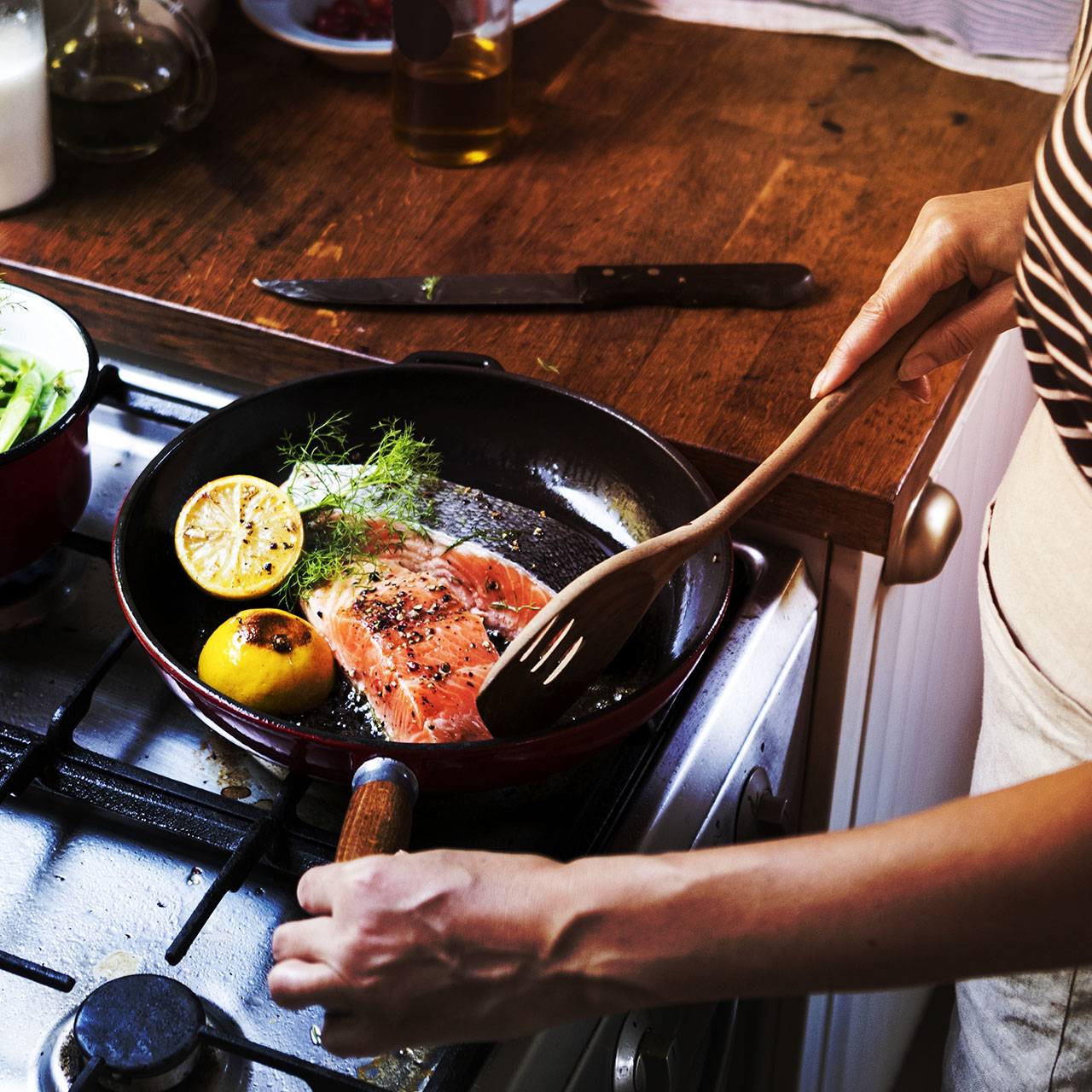
Neuroscientist Robert Love shared five brain-boosting foods to help prevent Alzheimer's, including eggs for B-complex vitamins and choline, sardines for omega-3 fatty acids, chocolate for neurogenesis and angiogenesis, wild-caught salmon for healthy fats, and black rice for polyphenols beneficial for gut and brain health.
science-and-technology1 year ago

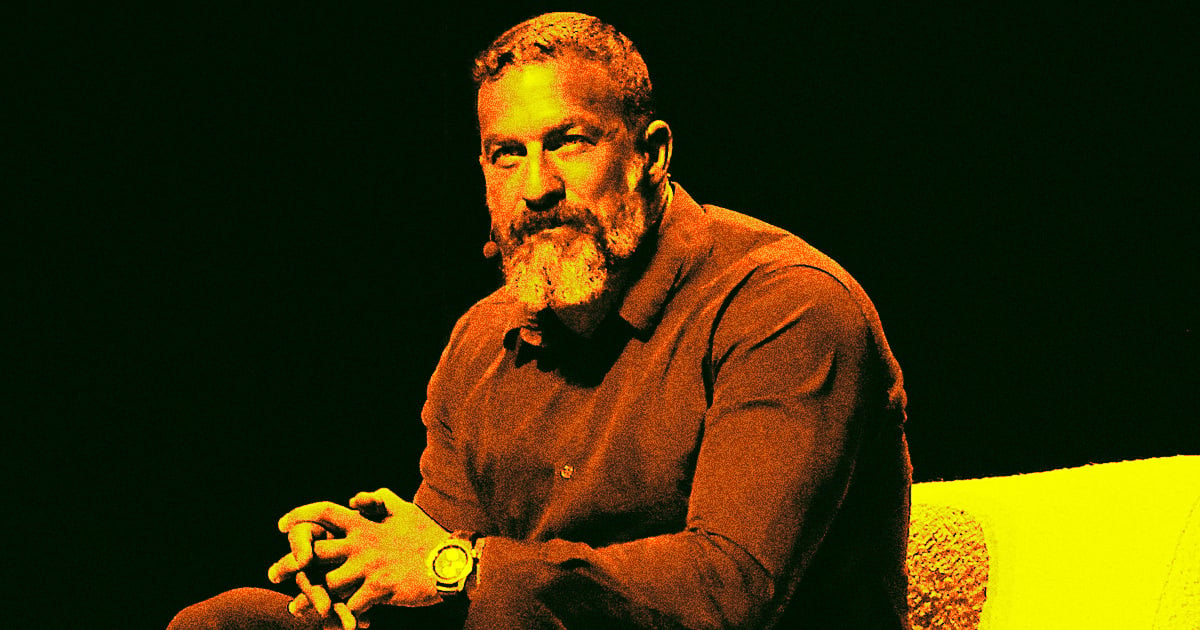
"Unraveling the Controversy: The Andrew Huberman Scandal"

Neuroscientist and podcaster Andrew Huberman has been accused of manipulation, bizarre behavior, and infidelity by several women, with allegations including secretly dating multiple women simultaneously, controlling behavior, and engaging in intense and manipulative actions. The exposé also includes claims of Huberman's involvement in a sexually transmitted infection and his contradictory statements regarding testing for HPV. The allegations paint a stark contrast to his public persona as a promoter of physical and mental health and wellness.

health-womens-health1 year ago

"Empowering Women: Psychosocial Interventions for Managing Menopausal Symptoms"

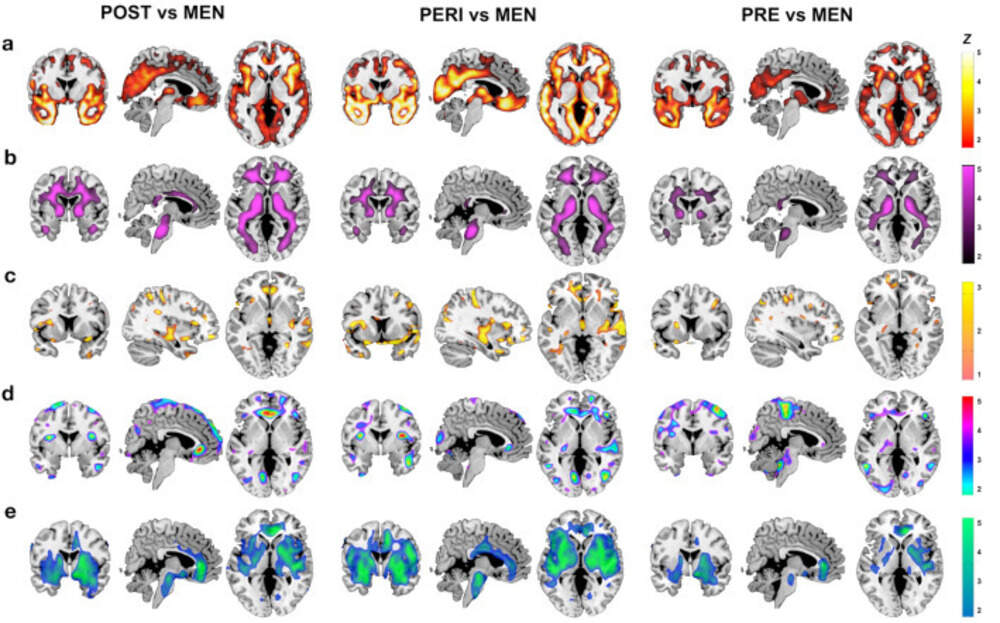
Neuroscientist Lisa Mosconi discusses the impact of menopause on women's brains, highlighting her research on the link between menopause and Alzheimer's disease. Dr. Jan Shifren provides a brief explanation of menopause and its hormonal effects. Mosconi emphasizes that menopause is a neurologically active state and reassures women that the changes they experience are real.

science1 year ago

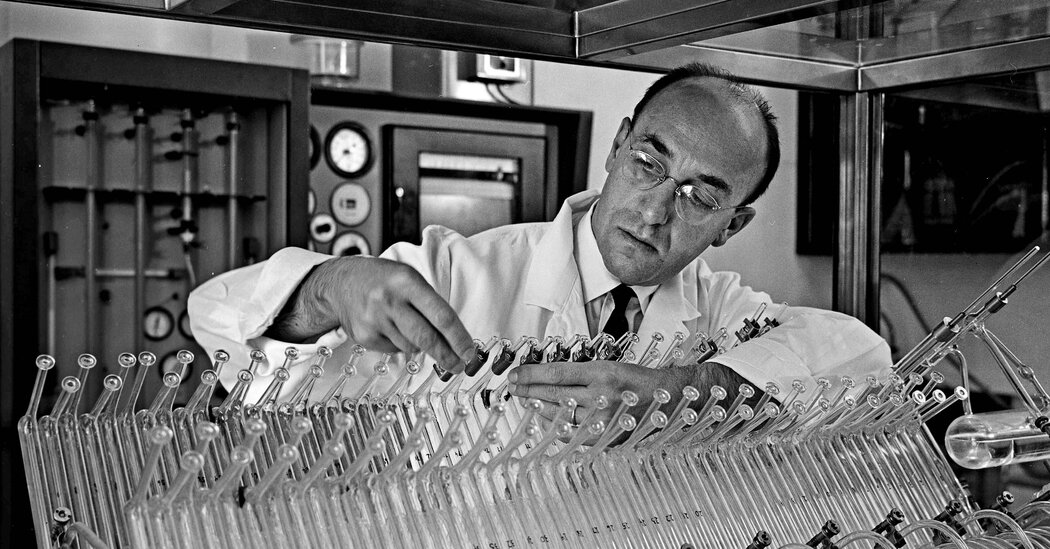
"Nobel-Winning Scientist Roger Guillemin Dies at 100, Stirred by Rivalries"

Roger Guillemin, a Nobel-winning neuroscientist known for his work on hormones controlling bodily functions, has died at 100. His career was marked by intense scientific rivalries, including a 10-year competition with his former partner Andrew V. Schally, which ended in them sharing the Nobel Prize in 1977, and a later rivalry with his collaborator Wylie Vale Jr. Guillemin's interest in brain control of the pituitary gland led him to a career in medical research, despite initially training to be a family doctor in France.

health-and-wellness1 year ago

"Optimizing Brain Health: Nutrition Tips from a Harvard Neuroscientist"

Harvard-trained neuroscientist Lisa Genova recommends the MIND diet, which includes foods like berries, leafy greens, nuts, and whole grains to lower the risk of cognitive decline and Alzheimer's. She emphasizes lean proteins, whole grains, leafy greens, and nuts and seeds in her daily diet to boost brain health. Genova encourages viewing the MIND diet as a menu rather than a restrictive regimen, aiming for a consistent pattern and way of life to protect against cognitive decline.

health1 year ago

"Neuroscientist Reveals Surprising Early Alzheimer's Signs, Including a Parking Clue"

Neuroscientist Robert Love shared three early signs of Alzheimer's disease, emphasizing the importance of catching it early for prevention. The signs include putting things in unusual places, social withdrawal, and mood changes, with the latter being a surprising indicator. Other common symptoms of Alzheimer's include memory problems, repetitive questioning, and difficulties with tasks. The NHS advises seeking medical advice if concerned about memory problems or dementia symptoms.

health2 years ago

Spotting Early Signs of Alzheimer's While Parking: What You Need to Know

Neuroscientist Robert Love warns that early signs of Alzheimer's, such as mood changes and difficulty parking, can be mistaken for other health conditions, making early identification challenging. Love advises early prevention through exercise and diet, citing aerobics, weight training, sunshine, and mushrooms as beneficial. He also highlights the surprising link between sleep, depression, and Alzheimer's risk. The NHS emphasizes the importance of seeking medical advice if experiencing memory problems or other symptoms, as early intervention can be crucial in managing the condition.

health-and-wellness2 years ago

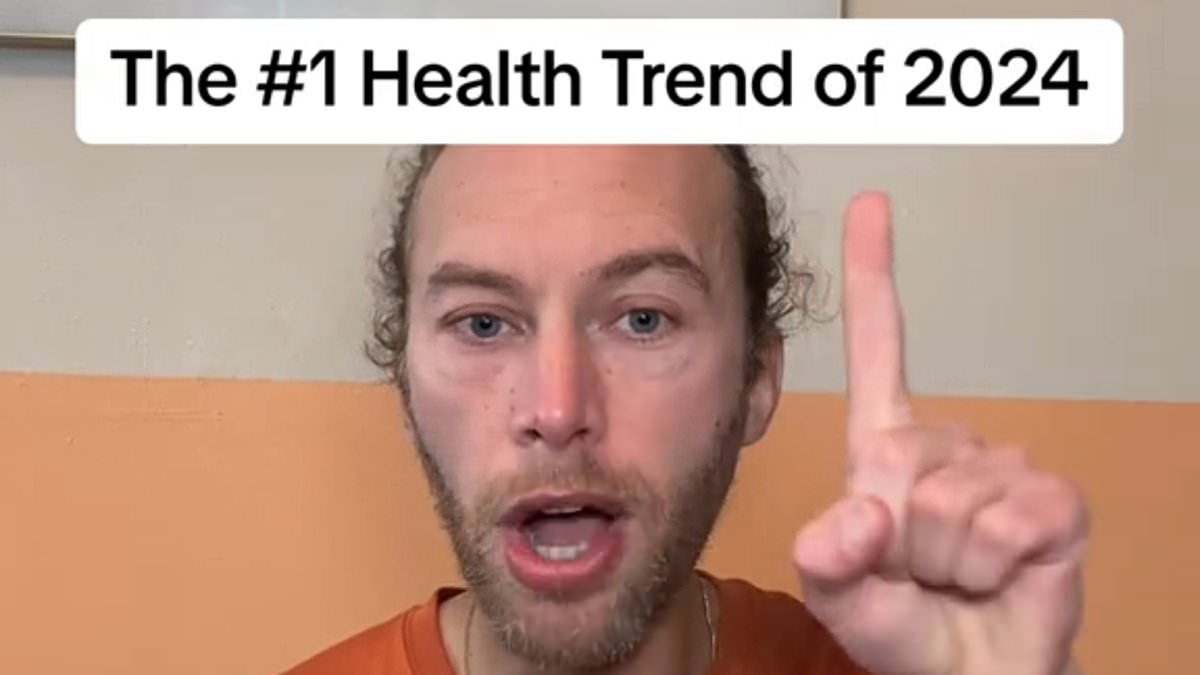
"Neuroscientist's Prediction: The Top Health Trend of 2024 and How to Benefit from It"

Neuroscientist Robert Love predicts that reducing inflammation will be the top health trend of 2024, emphasizing its link to chronic diseases and offering five lifestyle changes to reduce inflammation, including taking anti-inflammatory supplements, avoiding junk food, consuming organic fruits and vegetables, incorporating regular exercise, and prioritizing sleep.

health2 years ago

"Neuroscientist's Warning: Two Drinks Linked to Alzheimer's Risk"

Neuroscientist Robert W.B. Love warns against consuming diet soda and alcohol, as they are linked to an increased risk of Alzheimer's disease. Diet soda, sweetened with aspartame, is associated with negative effects on gut bacteria and an elevated risk of type 2 diabetes, which in turn increases the risk of Alzheimer's. Similarly, alcohol is harmful to gut bacteria and reduces activity in the prefrontal cortex, potentially raising the risk of dementia.

health2 years ago

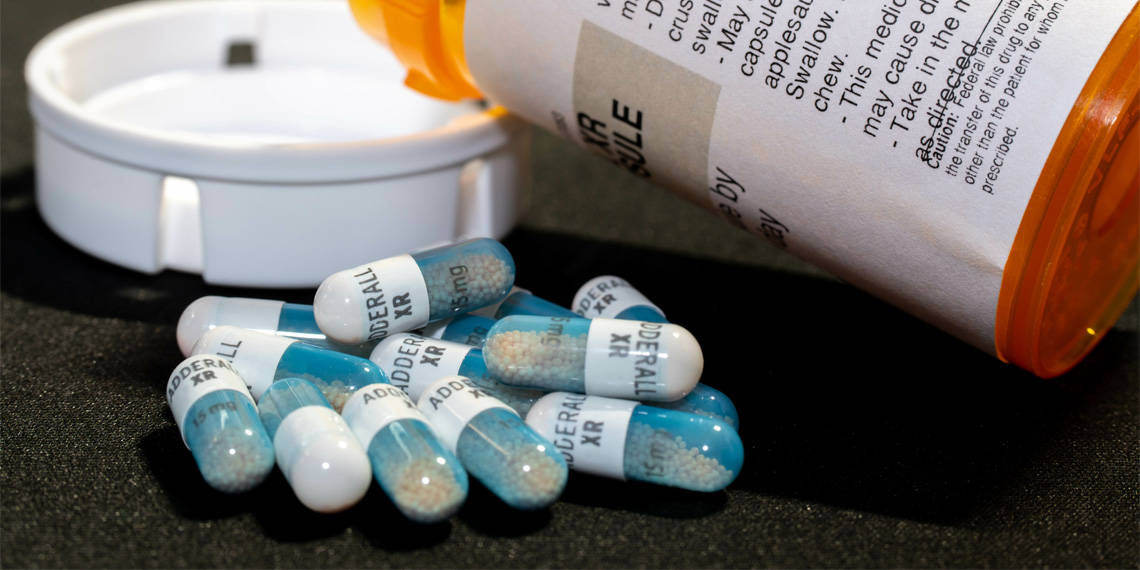
Decoding the Adderall Enigma: Insights from a Neuroscientist

Adderall, a drug commonly used to treat ADHD, has faced shortages and stigmatization due to overprescription and misuse. Neuroscientists studying the dopamine system have found that Adderall works by blocking a leaky protein that causes dopamine to be pushed out of neurons in individuals with ADHD. However, in people without ADHD, the drug can disrupt the dopamine transporter, leading to increased dopamine levels and potential cardiovascular complications. Misuse of Adderall can also result in drug dependence and negative emotional states. Despite the stigma, Adderall remains an effective treatment for ADHD, improving the quality of life for those who need it.

biotechnology2 years ago

"Reshma Kewalramani's Journey to Biotech Leadership"

Shadi Farhangrazi, a neuroscientist and biochemist, is the CEO of S. M. Discovery Group (SMDG), a biotech company specializing in delivering therapeutic molecules to the brain. Farhangrazi's transition from academia to industry was prompted by a desire to see her research have real-world applications. Her international work experiences in Africa and India, as well as her MBA, prepared her for her current role. As a female CEO in the biotech industry, Farhangrazi faces challenges but is determined to bring life-saving therapies to people with neurodegenerative conditions and children with neurological diseases.

business2 years ago

Researcher Misconduct Causes Cassava Shares to Plummet

Shares of biotech company Cassava Sciences Inc. plunged 30% in after-hours trading after an investigation accused neuroscientist Hoau-Yan Wang, who collaborated with the company, of "egregious misconduct" in data management and record keeping. The investigation by the City University of New York found scientific misconduct across 20 research papers, some of which supported Cassava's experimental Alzheimer's drug, simufilam. The report also implicated a senior vice president at Cassava. The company's research on Alzheimer's has faced criticism and regulatory scrutiny in the past. Cassava and the university have not yet responded to the allegations.

science2 years ago

"Unveiling the Enigma: Scientists Decipher the Sixth Basic Flavor"

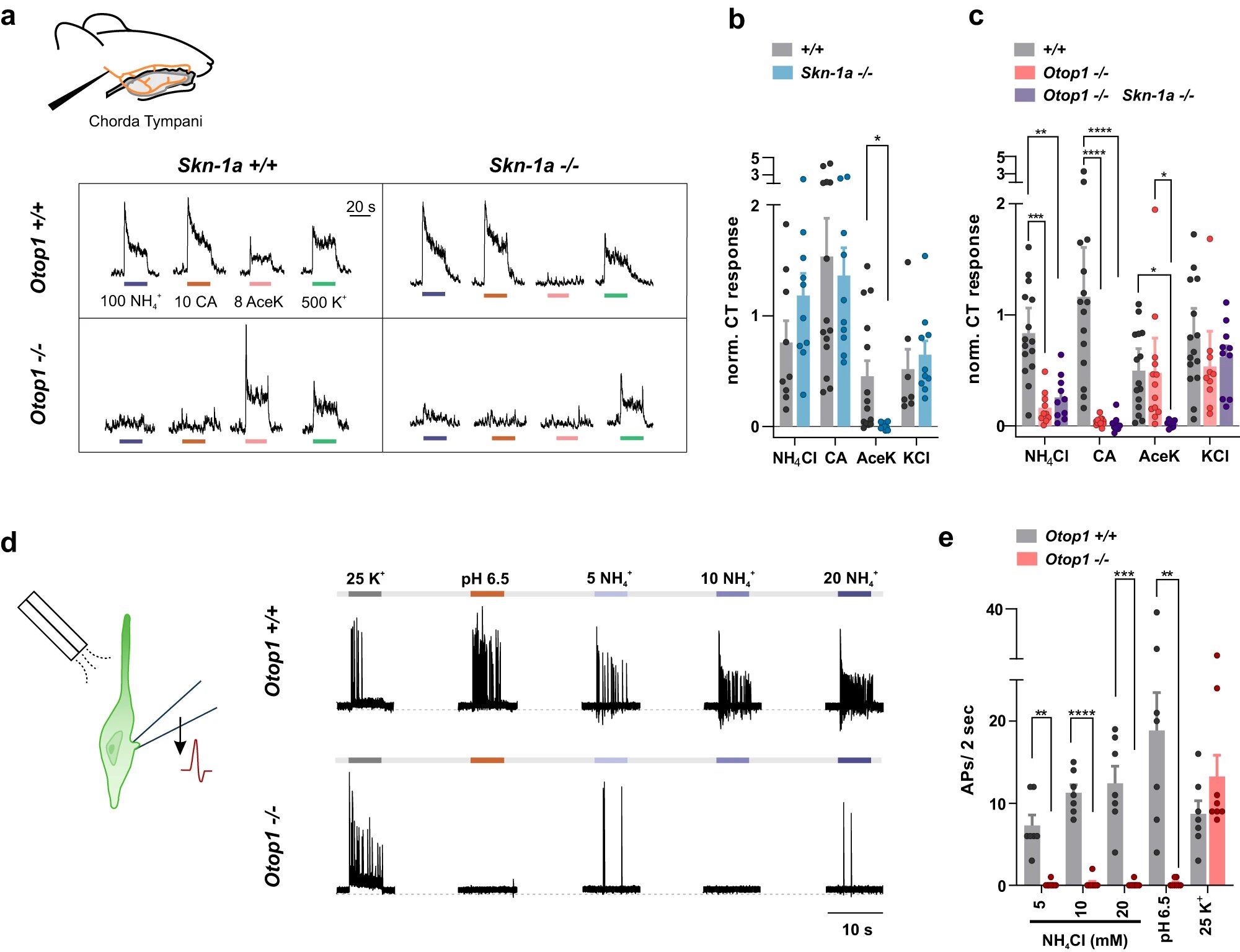
Scientists at USC Dornsife College of Letters, Arts and Sciences have discovered evidence of a sixth basic taste. The research, published in Nature Communications, reveals that the tongue responds to ammonium chloride through the same protein receptor that signals sour taste. The protein, called OTOP1, detects acid and also responds strongly to ammonium chloride. The study found that mice with a functional OTOP1 protein found the taste of ammonium chloride unappealing and did not drink the solution, while mice lacking the protein did not mind the taste. The researchers speculate that the ability to taste ammonium chloride may have evolved to help organisms avoid consuming harmful substances. Further research is needed to understand species differences in sensitivity to ammonium and the role of OTOP1 channels in other parts of the body.

health-and-wellness2 years ago

"Neuroscientist's Perfect Morning Routine for Enhanced Performance"

Stanford neuroscientist Andrew Huberman shares his perfect morning routine, which includes waking up no later than 6:30 am, getting sunlight exposure, delaying caffeine intake, drinking water with electrolytes, fasting until 11 or 12 o'clock, completing 90 minutes of focused work, engaging in physical exercise for about an hour, and undergoing deliberate cold exposure. Huberman emphasizes the importance of sleep and non-sleep deep rest in setting the stage for improved performance in day-to-day life. He believes that following this routine will make individuals better at everything.