Midday stock movers spotlight Biogen, Rivian, BAC, Airbnb
The piece highlights Biogen, Rivian, Bank of America, and Airbnb as among the biggest stocks moving at midday, with other names in focus across sectors.
All articles tagged with #biotechnology

The piece highlights Biogen, Rivian, Bank of America, and Airbnb as among the biggest stocks moving at midday, with other names in focus across sectors.

Gene therapies are moving from trials toward patient care, with breakthroughs like personalized CRISPR treatments and new gene-editing tools powering hope for many diseases; however, turning lab successes into approved, accessible medicines is hampered by regulatory, manufacturing, safety, and cost challenges, leaving access uneven despite progress.

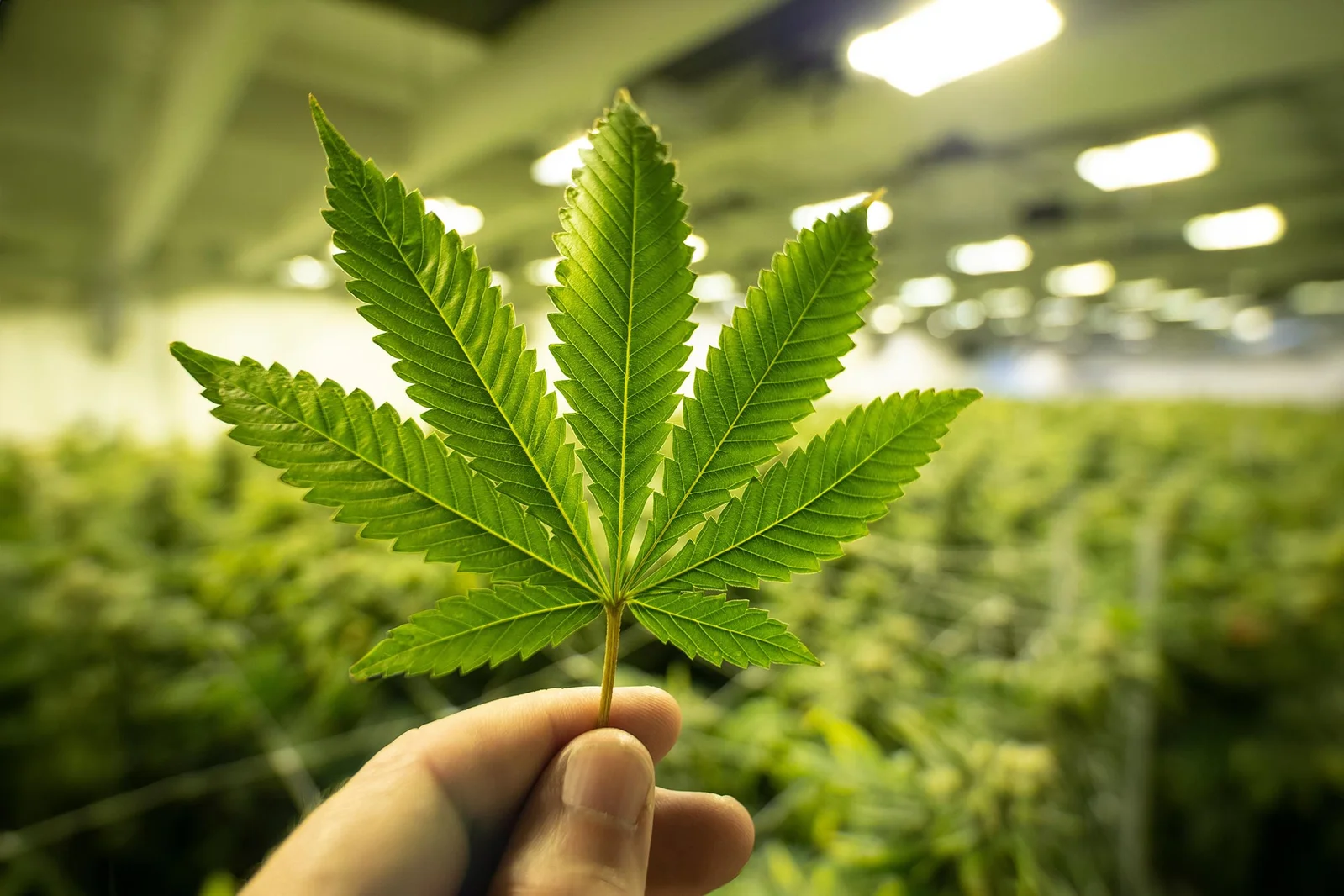
Scientists have reconstructed ancient enzymes from early cannabis relatives, revealing how the plant evolved to produce cannabinoids like THC and CBD. These findings provide insights into cannabis evolution and offer new biotechnological tools for producing medicinal cannabinoids more efficiently, including a specific enzyme that could lead to cannabis varieties with higher CBC content for medical use.

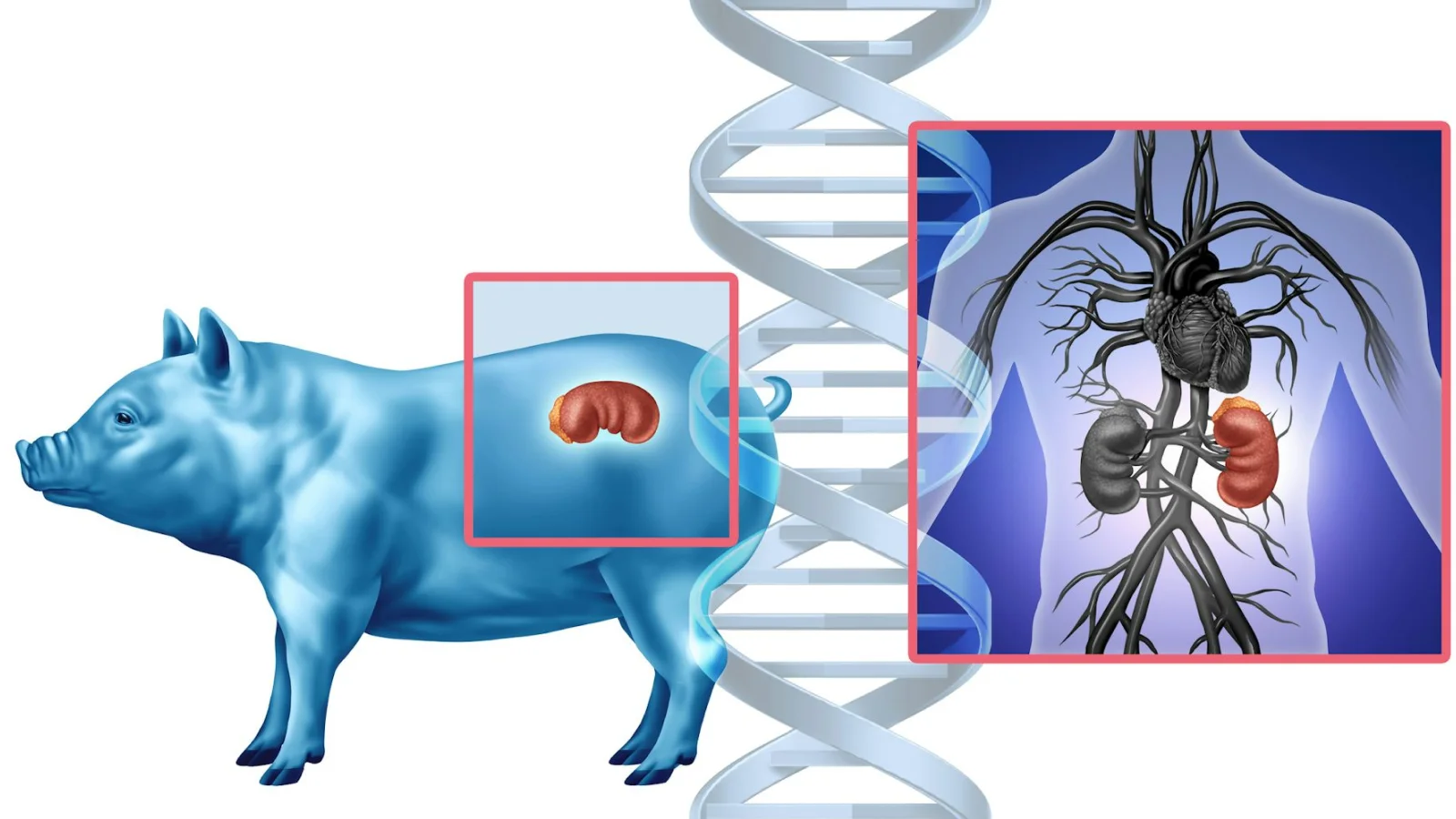
Scientists are making progress in transplanting genetically modified pig kidneys into humans to address organ shortages, despite ethical debates about creating human-like animals and the risks involved. The article discusses the scientific advancements, ethical concerns about animal welfare and moral status, and the regulatory history surrounding the use of animal organs and chimeras.

Despite political challenges, 2025 saw significant medical advances including a groundbreaking gene edit for a baby, approval of 44 new drugs, progress in cancer treatments, improved vaccines, and innovative biotech research, highlighting biology's pivotal role in this century of medicine.

Shares of Ultragenyx and Mereo BioPharma plummeted after their Phase 3 trial for the brittle-bone disease treatment setrusumab failed to meet primary endpoints, despite secondary improvements in bone density, leading to significant market value losses and cautious outlooks from analysts.

The article discusses the ongoing development of gene editing technologies, highlighting the excitement and competition among scientists to discover the most effective and final form of gene editing tools.

AlphaFold, developed by DeepMind, has revolutionized biology by accurately predicting protein structures, earning a Nobel Prize and expanding into DNA, RNA, and drug interactions, with ongoing advancements aimed at understanding cellular systems and improving medicine.

GPT-5 has demonstrated the ability to perform novel lab work, significantly optimizing molecular cloning protocols and showcasing potential for AI to accelerate scientific research and discovery, though still in early stages and within controlled settings.

CRISPR researchers have successfully resurrected an ancient gene that has the potential to prevent diseases, marking a significant advancement in genetic engineering and biotechnology.

A German startup, SWARM Biotactics, is developing tiny backpacks for Madagascar hissing cockroaches to use them in espionage and search-and-rescue missions, leveraging their resilience and ability to carry sensors for reconnaissance in dangerous or inaccessible environments.

Researchers at Mayo Clinic developed a new method using aptamers to label and potentially target senescent cells, which are linked to aging and diseases like cancer and Alzheimer's. This innovative approach, sparked by a student collaboration, could lead to better detection and treatment of age-related conditions in humans.

Stanford scientists used AI to design new viruses capable of killing bacteria, raising ethical and existential questions about the creation of life and the potential risks associated with such breakthroughs.

Researchers at the University of Nottingham have developed a gel that can repair and regrow tooth enamel, mimicking natural enamel formation and potentially simplifying dental treatments. The gel promotes organized crystal growth on damaged teeth, restoring strength and structure, and could lead to easier, more effective dental care in the future. However, further testing in humans is needed to ensure safety.

Scientists have bioengineered bacteria to produce large quantities of the rare pigment xanthommatin, which is responsible for the camouflage abilities of octopuses and squids, using a novel growth-coupled biosynthesis method that significantly increases yield and could advance both biological understanding and industrial applications.