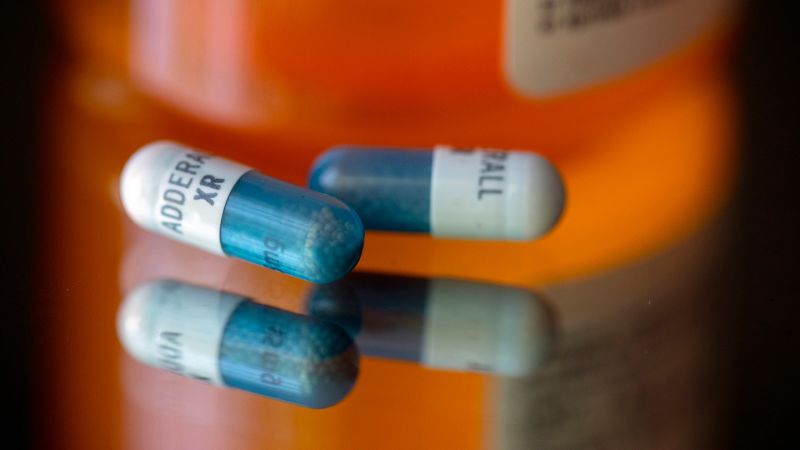
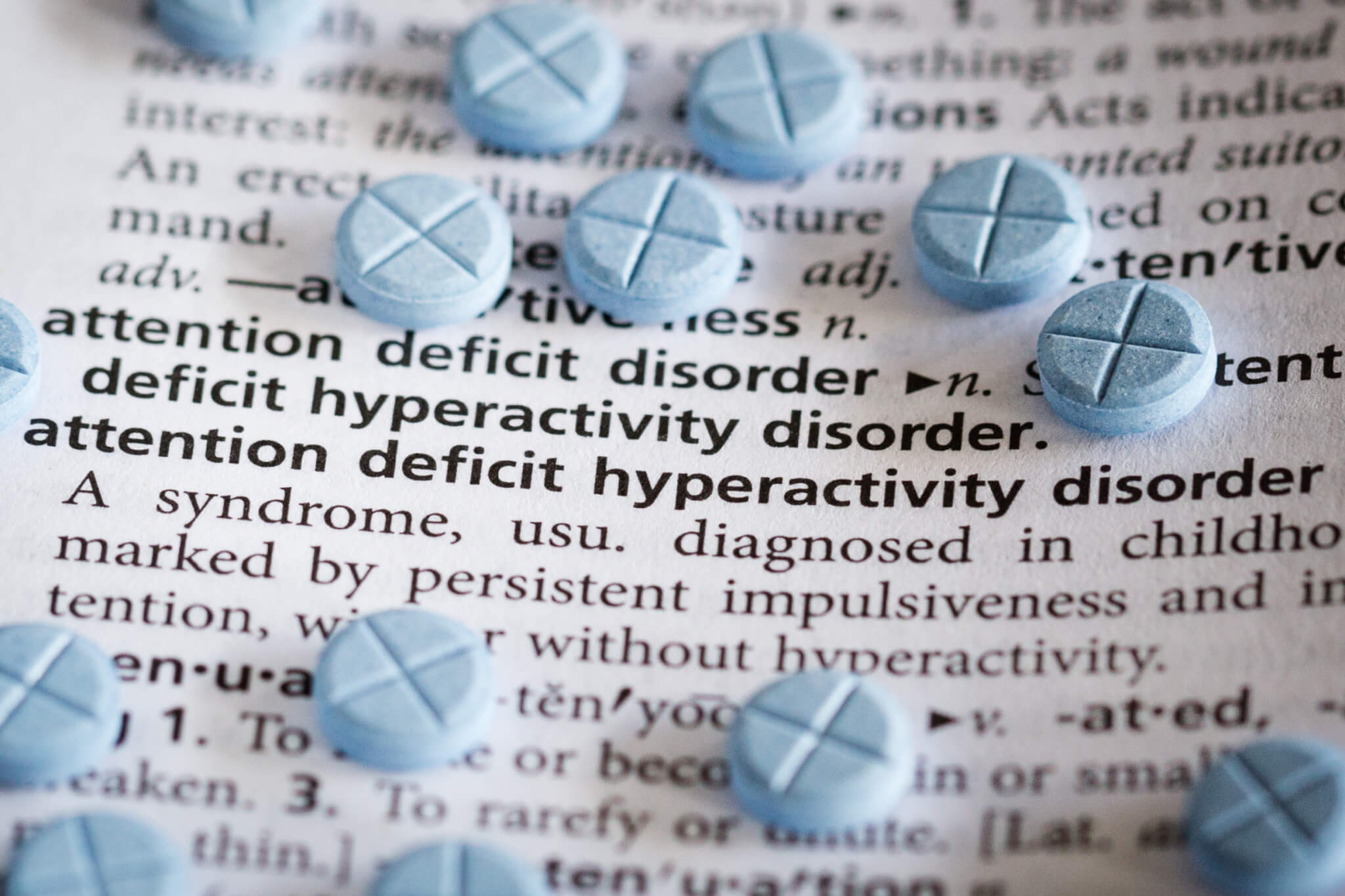
Research indicates that ADHD medications like Ritalin and Adderall do not primarily act on the brain's attention circuitry as previously believed, but instead influence the reward and wakefulness centers.
New research shows that ADHD medications like Ritalin and Adderall primarily act on the brain's reward and wakefulness centers, rather than directly improving attention, which may explain their effectiveness in managing hyperactivity and the importance of sleep in treatment.
Hannah Schweickert experienced severe side effects, including numbness and panic attacks, after taking high doses of Adderall for ADHD. Her symptoms persisted even after stopping the medication, and she suspects neurotoxic effects based on animal studies. The case highlights potential risks of stimulant medications like Adderall, which are widely prescribed to children and adults for ADHD.
New research from Northeastern University suggests that regular marijuana use can suppress the effects of Adderall, a drug prescribed for attention deficit disorders. The study, conducted on mice, found that those exposed to cannabis did not respond to Adderall, unlike the control group. This raises concerns about the interaction between these commonly used substances, especially in high-stress environments, and highlights the need for further research on their combined effects, particularly in individuals with ADHD.
The US is facing a record high of 323 active and ongoing drug shortages, affecting a wide range of medications including generic cancer drugs and ADHD medication. The shortages are attributed to various factors such as manufacturing delays, increased demand, and regulatory constraints. The American Society of Health-System Pharmacists (ASHP) is advocating for federal and regulatory changes to address the root causes of these shortages and improve supply chains.
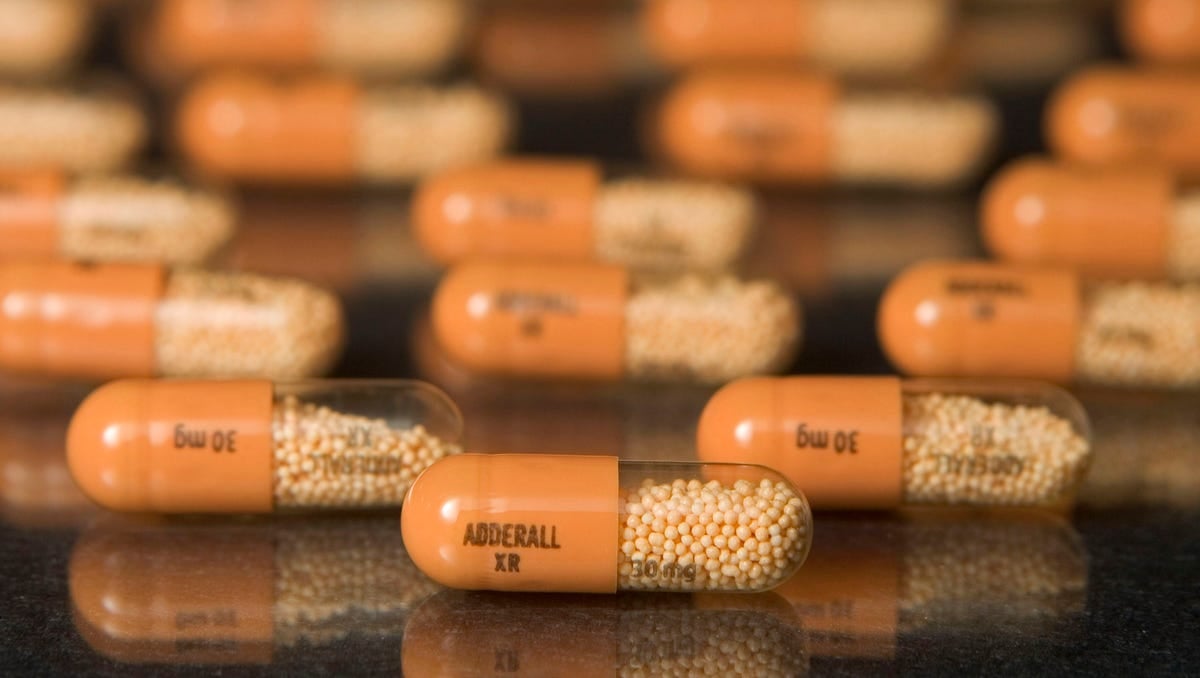
Pharmacists warn of a growing number of drug shortages in the U.S., with 323 active medication shortages in the first three months of 2024, the highest since 2014. Shortages affect all drug classes, with particular concern for generic sterile injectable medications, including cancer chemotherapy drugs and emergency medications. Adderall, used for ADHD, remains in short supply despite efforts to increase production, with factors including increased demand during the pandemic and manufacturing constraints. Experts attribute shortages to demand outstripping supplies, manufacturing constraints, and disruptions in supply lines for raw materials.
Pharmacists warn of a growing number of drug shortages in the U.S., with 323 active medication shortages in the first three months of 2023, the highest since tracking began in 2001. Shortages affect all drug classes, with particular concern for generic sterile injectable medications, cancer chemotherapy drugs, and emergency medications. Adderall, used for ADHD, is among the hardest medications to find, with factors including increased pandemic prescriptions, production delays, and supply chain disruptions contributing to the shortage.
An ongoing shortage of Adderall and similar medications used to treat ADHD in the US has led to a significant decrease in prescription fill rates, affecting about 1 in 10 people with ADHD. Data from Truveta shows a decline in prescription fill rates, particularly for adults, following the shortage announcement by the FDA in October 2022. The shortage has created challenges for individuals in managing their symptoms, impacting work, relationships, and personal safety. Experts warn that inconsistent access to treatment can be disruptive and dangerous for people with ADHD, emphasizing the need to address the shortage to prevent adverse health outcomes.
A study from the University of Colorado suggests that long-term use of Adderall and Ritalin, commonly prescribed for ADHD, may lead to weakened heart muscles and potential heart damage. The research found that patients taking these medications were nearly 60 percent more likely to have a weakened heart after eight years compared to those not taking them. Concerns are raised over the overdiagnosis and overprescription of ADHD, with one in seven boys in the US now diagnosed with the disorder. Despite the increased risk, the overall likelihood of developing heart damage from these medications is relatively low, but the rising rates of ADHD and the market value of ADHD medications continue to raise concerns.
A new study suggests that long-term use of stimulant medications like Adderall and Ritalin for ADHD may slightly increase the risk of developing cardiomyopathy, a condition where the heart muscle weakens. While the overall risk remains relatively low, researchers found that patients on stimulants were more likely to develop cardiomyopathy over time compared to those not taking the medications. The study emphasizes the importance of closely monitoring patients on long-term stimulant regimens and watching for potential cardiac symptoms, although experts stress that the risk is still very low and that the benefits of these medications for managing ADHD symptoms often outweigh the potential risks.
Jason Diamond shares his experience of living with ADHD and the impact of Adderall on his ability to focus and function. The medication shortage since the end of 2022 has made it challenging for him and others to access the drug, leading to a struggle to maintain productivity and mental well-being.
A nationwide shortage of Adderall and other ADHD medications has left millions struggling to obtain prescription stimulant medication, impacting patients, parents, and healthcare professionals. The shortage, exacerbated by a tangled network of causes including increased ADHD diagnoses during the pandemic and manufacturing delays, has led to a frustrating and exhausting process of locating medication each month. The crisis has also highlighted healthcare inequality and added stress on an already difficult disorder to navigate. While government agencies are working to assist manufacturers with increasing production, the shortage is expected to persist, impacting the healthcare system and patients' access to essential medication.
The US is facing a shortage of Adderall, a drug commonly used to treat ADHD, leading to a booming black market for the drug. The shortage has forced many adults with diagnosed ADHD to seek the medication through illicit means, with some encountering counterfeit pills containing methamphetamine. The Drug Enforcement Administration has limited production of the drug, exacerbating the supply shortage. As a result, individuals are turning to alternative medications and facing challenges in accessing safe and legitimate treatment.
The article suggests that despite ongoing controversies, including those related to Adderall, the individual referred to as "Previous Guy" is unlikely to face conviction before the upcoming election day. This implies a skepticism about the pace or outcome of legal proceedings against the former official, hinting at potential political implications for the elections.
The nationwide shortage of ADHD drugs, particularly Adderall, has led to significant price increases for patients seeking medication to manage their symptoms. Families are being forced to pay more for expensive brand-name drugs as alternatives, putting financial strain on households. The shortage has disrupted the lives of millions of individuals with ADHD, impacting their performance at school and work. The increased demand for ADHD drugs, combined with regulatory constraints on production, has created a challenging situation for patients and healthcare providers. Efforts are being made to address the shortage, but it may take time for the supply to stabilize.