Mifepristone is a drug used in combination with misoprostol for medication abortion, blocking the hormone progesterone necessary for pregnancy and causing the body to expel the pregnancy. Studies show it is over 99% effective and as safe as a clinic-administered abortion. While the FDA approves its use up to 10 weeks of pregnancy, the World Health Organization suggests it can be used up to 12 weeks. Medication abortion has become more common during the Covid-19 pandemic, and some women in states with abortion restrictions have turned to mail-order pills.

Researchers at Oviva Therapeutics have developed an injection that could potentially delay or prevent the onset of menopause by increasing levels of the anti-Mullerian hormone (AMH), which plays a role in ovulation. The drug, currently being tested in rodents, could extend the time to menopause and potentially boost women's longevity. While the treatment shows promise, it may come with a high cost and potential risks, as hormone replacement therapy has been linked to increased health risks. This development comes amid a debate on whether menopause should be viewed as a condition to be treated or a natural part of aging.
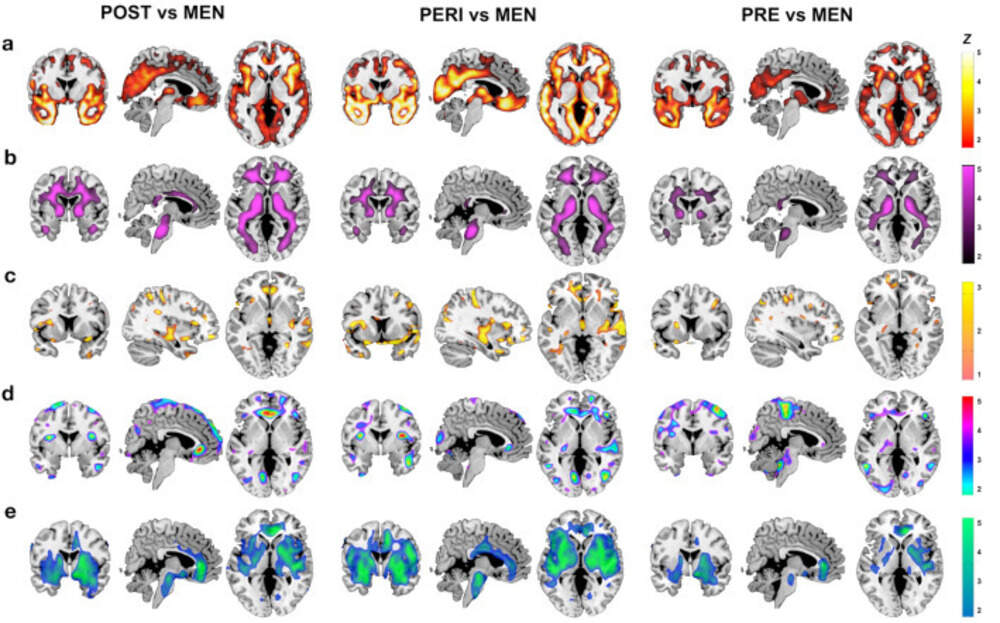
Neuroscientist Lisa Mosconi discusses the impact of menopause on women's brains, highlighting her research on the link between menopause and Alzheimer's disease. Dr. Jan Shifren provides a brief explanation of menopause and its hormonal effects. Mosconi emphasizes that menopause is a neurologically active state and reassures women that the changes they experience are real.
A new 20-minute blood test called Elecsys Anti-Müllerian Hormone Plus (AMH Plus) has been approved in the UK to detect polycystic ovary syndrome (PCOS), a condition affecting around one in ten women of childbearing age. The test, developed by Roche Diagnostics, measures AMH levels in the blood and could provide a simpler and less intrusive alternative to vaginal scans for diagnosing PCOS, which often takes years to diagnose. Early detection is crucial as PCOS is linked to fertility problems, excess weight, facial hair growth, and an increased risk of type 2 diabetes.