This week in science features a promising Alzheimer's drug tested in mice, a new theory about the purpose of the Bayeux Tapestry, the discovery of three colliding galaxies, insights into lactose tolerance in South Asian populations, a theoretical model explaining particle mass through extra dimensions, and advances in understanding schizophrenia and bipolar disorder using lab-grown mini-brains.

This week in science covers a range of discoveries including a biomarker more accurate than cholesterol for predicting heart disease, a storm that temporarily slowed US time standards, a potent cancer-fighting bacteria from Japanese frogs, garlic mouthwash as an effective antibacterial, potential dark matter particles in fusion reactors, and a promising drug that halts Alzheimer's in mice.
A small clinical trial suggests that the Alzheimer's drug memantine may improve social behaviors in some children with autism who have high glutamate levels in a specific brain region, but larger studies are needed to confirm these findings and determine which individuals may benefit.
Eli Lilly's stock did not surge following the FDA approval of its Alzheimer's drug, Kisunla, because the approval was already anticipated and priced into the stock. Investors are more focused on the company's potential in the anti-obesity market with its GLP-1 treatments, which are expected to generate significantly higher revenue.
The US regulator has postponed its decision on Eli Lilly's experimental Alzheimer's drug, donanemab, citing the need for more time to review additional data. The drug has shown promise in slowing the progression of the disease, and the delay in the decision is seen as a setback for the company's efforts to bring a new treatment to market.
Shares of biotech company Cassava Sciences Inc. plunged 30% in after-hours trading after an investigation accused neuroscientist Hoau-Yan Wang, who collaborated with the company, of "egregious misconduct" in data management and record keeping. The investigation by the City University of New York found scientific misconduct across 20 research papers, some of which supported Cassava's experimental Alzheimer's drug, simufilam. The report also implicated a senior vice president at Cassava. The company's research on Alzheimer's has faced criticism and regulatory scrutiny in the past. Cassava and the university have not yet responded to the allegations.
Biogen Inc. plans to cut approximately 1,000 jobs, or 11% of its workforce, as part of a cost-cutting initiative aimed at focusing on the launch of its new Alzheimer's drug, Leqembi. The company aims to reduce expenses by $700 million by 2025 and reinvest about $300 million into research and development. Biogen's decision comes as it faces challenges with declining sales of its multiple sclerosis treatment Tecfidera and increased competition for its spinal muscular atrophy drug Spinraza. The company's CEO, Christopher Viehbacher, emphasized the need for cost reductions to reflect the changing landscape.
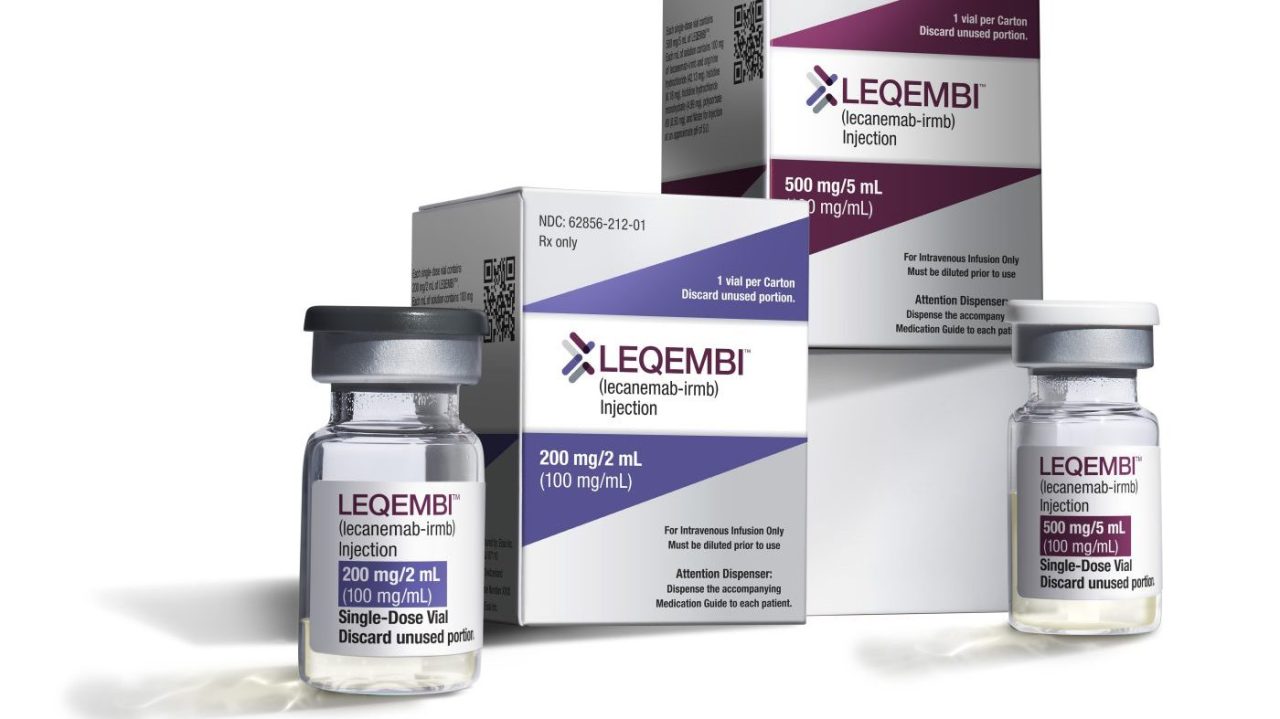
The Biden administration plans to send cluster munitions to Ukraine despite human rights concerns, as they could be valuable in breaking through Russian lines; the FDA has given full approval to Leqembi, the first drug shown to slow down Alzheimer's disease, making it widely accessible for seniors; progressive voters and activists are urging President Biden to fulfill more campaign promises; NPR's international correspondent reflects on the deteriorating relationship between the US and China; and a government study estimates that nearly half of tap water in the US could contain PFAS "forever chemicals."
A reader shares their positive experience with Ozempic, a medication approved by the FDA to help people with Type 2 diabetes control their blood sugar and reduce the risk of cardiovascular complications. The medication has also helped the reader lose weight and reduce their insatiable appetite. However, the authors express disappointment that people without diabetes are using Ozempic to lose weight, causing shortages for those who need it to control blood glucose. The authors also discuss the new Alzheimer's drug donanemab and the use of Pepcid to treat heartburn.
Novo Nordisk is temporarily restricting the supply of lower doses of its weight loss drug Wegovy to safeguard continuity of care due to high levels of new patients starting its GLP-1 products. Eli Lilly's experimental Alzheimer's drug, donanemab, slowed cognitive and functional decline by 35% over 18 months in a subset of patients with early Alzheimer's disease. Valneva and Pfizer have delayed their Lyme disease vaccine submission to US and European regulators to 2026, pending Phase III success. Teva has issued a recall over several lots of its fentanyl buccal tablets used to treat cancer patients due to a labeling error. Johnson & Johnson's consumer spinout Kenvue will raise $3.8 billion and start trading on the public markets Thursday.
The Veterans Health Administration (VHA) will cover the experimental Alzheimer’s drug Leqembi, which costs $26,500 per year, for veterans with early stages of the disease who meet agency criteria. The VHA is the first major insurer to agree to pay for the drug since its approval, as Medicare rejected a request for unrestricted coverage. Leqembi was approved earlier this year through the FDA’s accelerated pathway, and it targets clumps of amyloid plaque that build up in the brain. However, anti-amyloid drugs have been shown to produce serious side effects, and the FDA has set a deadline of July 6 to make a decision on full approval.