

Tag

Ammonium Chloride

All articles tagged with #ammonium chloride

science-and-technology2 years ago

Unveiling the Sixth Basic Taste: Beyond Umami, Scientists Expand the Tongue's Palate

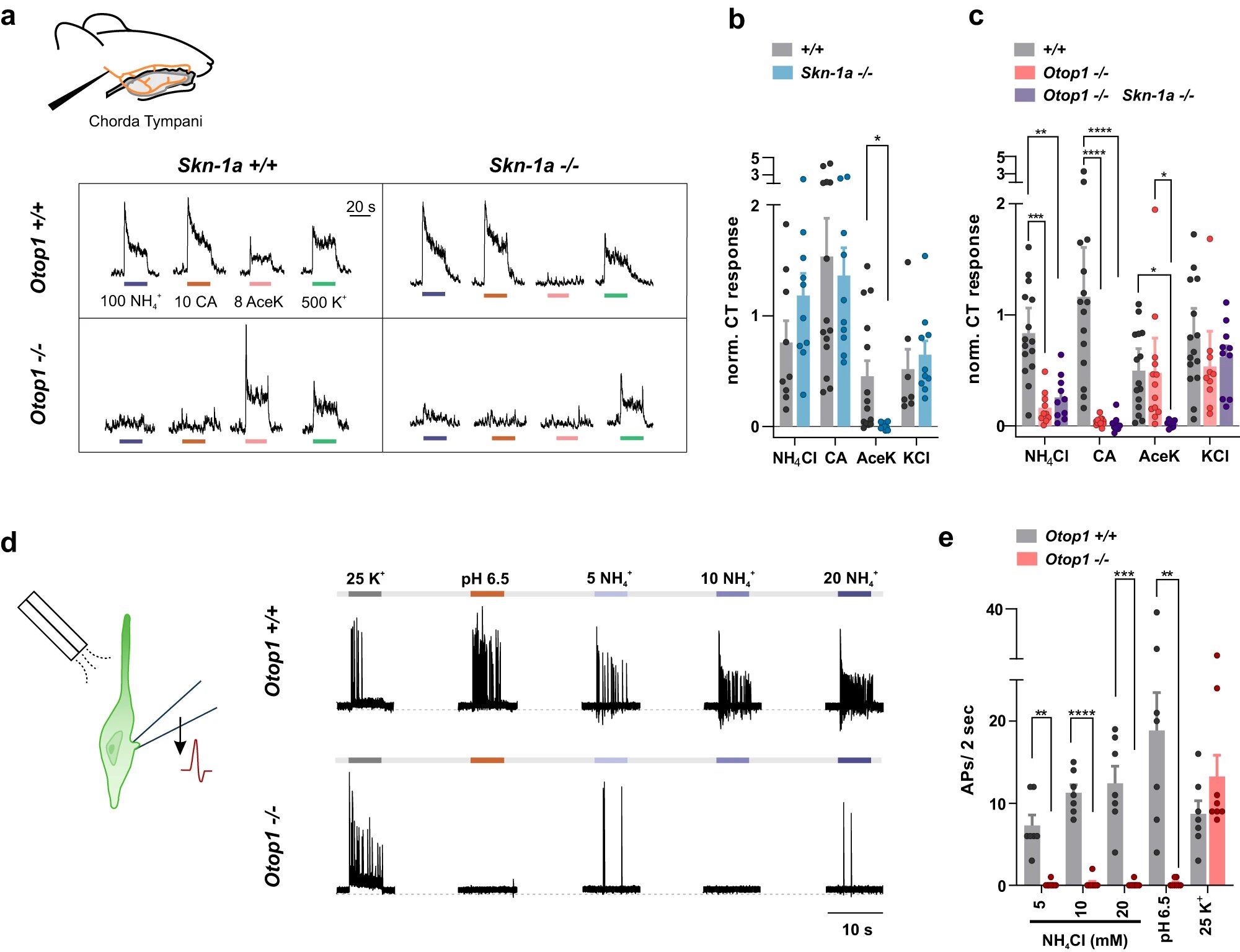
Scientists have discovered evidence for a potential sixth basic taste related to the detection of ammonium chloride through the protein receptor OTOP1. The tongue responds to ammonium chloride through the same protein receptor that signals sour taste. This finding could redefine our understanding of taste and its evolutionary significance, as the ability to taste ammonium chloride may have evolved to help organisms avoid consuming harmful substances. Further research is needed to understand species differences in sensitivity to ammonium and the role of OTOP1 channels in other parts of the body.
science-and-health2 years ago

The Surprising Sixth Taste: Toxic Ingredient Uncovered in Popular Candy

Researchers have discovered a sixth taste that responds to ammonium chloride, a chemical commonly found in Scandinavian candy. The taste, which is in addition to sweet, salty, bitter, sour, and umami, is detected by the OTOP1 protein in taste buds. The study found that mice lacking the OTOP1 protein did not mind the taste of ammonium chloride, while those with the protein were repulsed. Humans were also found to be sensitive to the taste. The presence of this taste is believed to be a biological trait for survival, as ammonium chloride can be toxic. Further research is needed to understand sensitivity differences between species.

science2 years ago

"Unveiling the Enigma: Scientists Decipher the Sixth Basic Flavor"

Scientists at USC Dornsife College of Letters, Arts and Sciences have discovered evidence of a sixth basic taste. The research, published in Nature Communications, reveals that the tongue responds to ammonium chloride through the same protein receptor that signals sour taste. The protein, called OTOP1, detects acid and also responds strongly to ammonium chloride. The study found that mice with a functional OTOP1 protein found the taste of ammonium chloride unappealing and did not drink the solution, while mice lacking the protein did not mind the taste. The researchers speculate that the ability to taste ammonium chloride may have evolved to help organisms avoid consuming harmful substances. Further research is needed to understand species differences in sensitivity to ammonium and the role of OTOP1 channels in other parts of the body.