Tag

Coping Strategies

All articles tagged with #coping strategies

Why Christmas Dinner Calls for Earplugs

Originally Published 19 days ago — by BBC

Featured image for Why Christmas Dinner Calls for Earplugs
Source: BBC

The article discusses how individuals with misophonia, a condition causing intense discomfort from certain sounds, find Christmas challenging due to noisy family interactions. It highlights personal stories and offers coping techniques like visualization, turning sounds into a game, and creating narratives to manage the emotional response during festive gatherings.

Why Parents Should Address Teen 'Fawning' Behavior

Originally Published 4 months ago — by yahoo.com

Featured image for Why Parents Should Address Teen 'Fawning' Behavior
Source: yahoo.com

Teens exhibiting 'fawning' behaviors, often mistaken for politeness, are actually stress responses linked to anxiety and a need for approval, which can lead to mental health issues and risky behaviors. Parents should recognize these signs early, validate their feelings, model healthy boundaries, and seek professional support if needed to help teens develop healthier coping mechanisms.

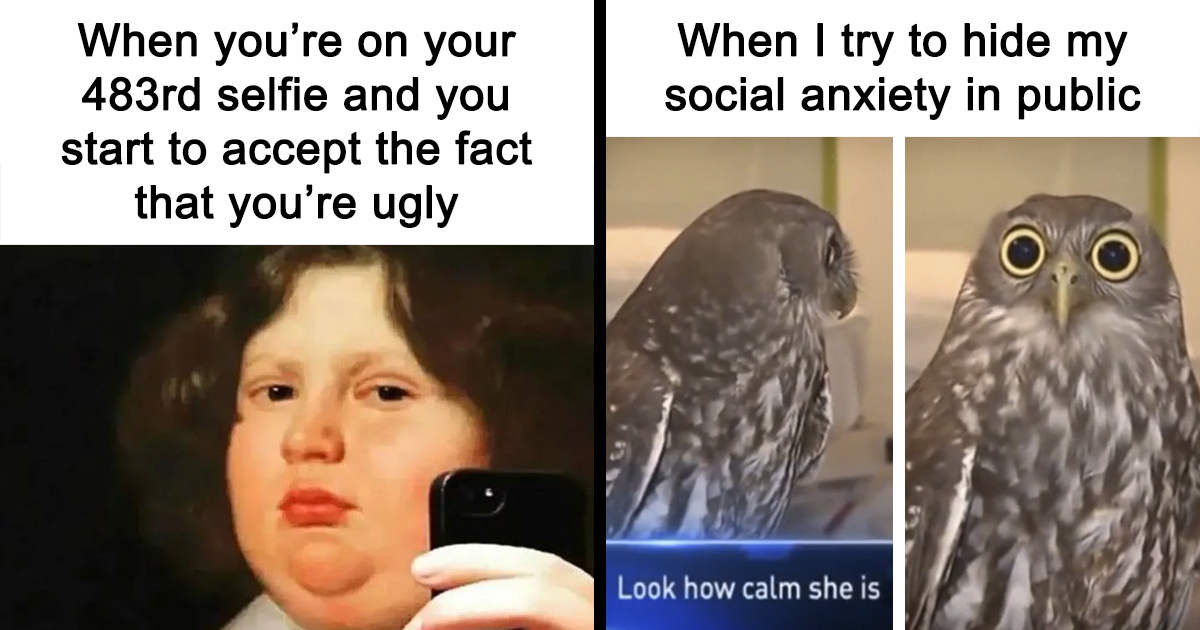
Social Anxiety Memes That Might Make You Skip the Party

Originally Published 6 months ago — by Bored Panda

Featured image for Social Anxiety Memes That Might Make You Skip the Party
Source: Bored Panda

The article discusses social anxiety, its symptoms, and effective coping strategies, emphasizing the role of humor and memes in helping individuals feel less alone and manage their condition better. It features insights from Arlin Cuncic and highlights the benefits of laughter and support groups in alleviating social anxiety.

Why Fidgeting Can Trigger Emotional Distress and Strain Relationships

Originally Published 1 year ago — by Neuroscience News

Featured image for Why Fidgeting Can Trigger Emotional Distress and Strain Relationships
Source: Neuroscience News

Misokinesia, affecting about one-third of people, is an intense aversion to repetitive movements like fidgeting, causing emotional and physical distress. New research highlights its impact on daily life and relationships, revealing challenges such as distraction and rage. Coping strategies include avoidance and communication, but the condition is under-researched. The study suggests potential interventions to manage physiological responses and improve social communication, aiming to better understand and address this sensory challenge.

Distinguishing Panic Attacks from Anxiety Attacks

Originally Published 1 year ago — by HuffPost UK

Featured image for Distinguishing Panic Attacks from Anxiety Attacks
Source: HuffPost UK

Panic attacks and anxiety attacks, though often confused, differ in intensity and duration. Panic attacks are sudden, intense, and typically last around 10 minutes, while anxiety attacks can build gradually and persist for longer periods. Managing panic attacks involves staying calm and breathing deeply, whereas addressing anxiety attacks requires long-term strategies like talking to someone, practicing relaxation techniques, and maintaining a healthy lifestyle. Various support services are available for those in need.

Travel Habits That Mask High-Functioning Anxiety

Originally Published 1 year ago — by HuffPost

Featured image for Travel Habits That Mask High-Functioning Anxiety
Source: HuffPost

Traveling can trigger high-functioning anxiety, characterized by habits like extensive planning, arriving too early, avoiding certain transport, and overpacking. While these behaviors help individuals feel in control, they can also lead to stress and overwhelm. Experts suggest setting realistic expectations, limiting preparation time, and practicing mindfulness to manage anxiety and enjoy travel experiences. Consulting a mental health professional for tailored coping strategies is also recommended.

Managing Post-Election Stress: Expert Tips and Resources

Originally Published 1 year ago — by CBS News

Featured image for Managing Post-Election Stress: Expert Tips and Resources
Source: CBS News

Following the recent U.S. election, many Americans are experiencing heightened emotions ranging from pride to fear. Experts suggest coping strategies such as self-care, setting boundaries, and limiting news exposure to manage election-related stress. Engaging in healthy distractions, acknowledging emotions, and seeking professional help if needed are recommended. With family gatherings approaching, it's advised to approach political differences with empathy and set boundaries to maintain mental well-being. Resources like the 988 Suicide & Crisis Lifeline and The Trevor Project are available for those needing support.

"Late Miss USA Cheslie Kryst's Struggle with High-Functioning Depression Revealed by Mom"

Originally Published 1 year ago — by CNBC

Featured image for "Late Miss USA Cheslie Kryst's Struggle with High-Functioning Depression Revealed by Mom"
Source: CNBC

Cheslie Kryst, the late Miss USA, struggled with high-functioning depression despite her many achievements, according to her mother, April Simpkins. High-functioning depression, while not a clinical diagnosis, describes individuals who manage daily responsibilities while battling mental health issues. Symptoms can differ from major depressive disorder and may include feelings of loneliness and seeing accomplishments as "just okay." Experts recommend strategies like seeking support, practicing mindfulness, and professional help to manage symptoms.

"Mastering Stress: Understanding, Managing, and Overcoming Overwhelming Challenges"

Originally Published 1 year ago — by TODAY

Featured image for "Mastering Stress: Understanding, Managing, and Overcoming Overwhelming Challenges"
Source: TODAY

A psychiatrist shares tips for reducing stress, emphasizing the importance of recognizing that feelings are not always facts and suggesting strategies such as mindfulness, self-compassion, and seeking support from others to manage stress and improve emotional well-being.

"Travel Tips: Coping with Restless Legs on the Go"

Originally Published 1 year ago — by The Washington Post

Featured image for "Travel Tips: Coping with Restless Legs on the Go"
Source: The Washington Post

Restless Legs Syndrome (RLS) can be exacerbated during travel due to confined spaces, limited mobility, and disrupted sleep patterns. Experts recommend pre-adjusting sleep schedules, avoiding alcohol, caffeine, and sugar, wearing compression socks, staying hydrated, and engaging in mild to moderate physical activity to mitigate RLS symptoms while traveling. RLS affects approximately 12 million adults and children in the United States and is notoriously difficult to treat, often causing throbbing, aching, or twitching sensations in the legs.

"Mastering Stress: Expert Tips for Health and Well-being"

Originally Published 1 year ago — by CNN

Featured image for "Mastering Stress: Expert Tips for Health and Well-being"
Source: CNN

Chronic stress can have detrimental impacts on physical and mental health, leading to anxiety, depression, headaches, and more. Dr. Leana Wen advises being self-aware and honest about coping mechanisms, anticipating stressful situations, and making a list of stress relief techniques. She recommends deep breathing exercises, mindfulness meditation, and exercise as effective stress management tools, and emphasizes the importance of self-care and seeking help from mental health or primary care providers if stress leads to continuing distress.