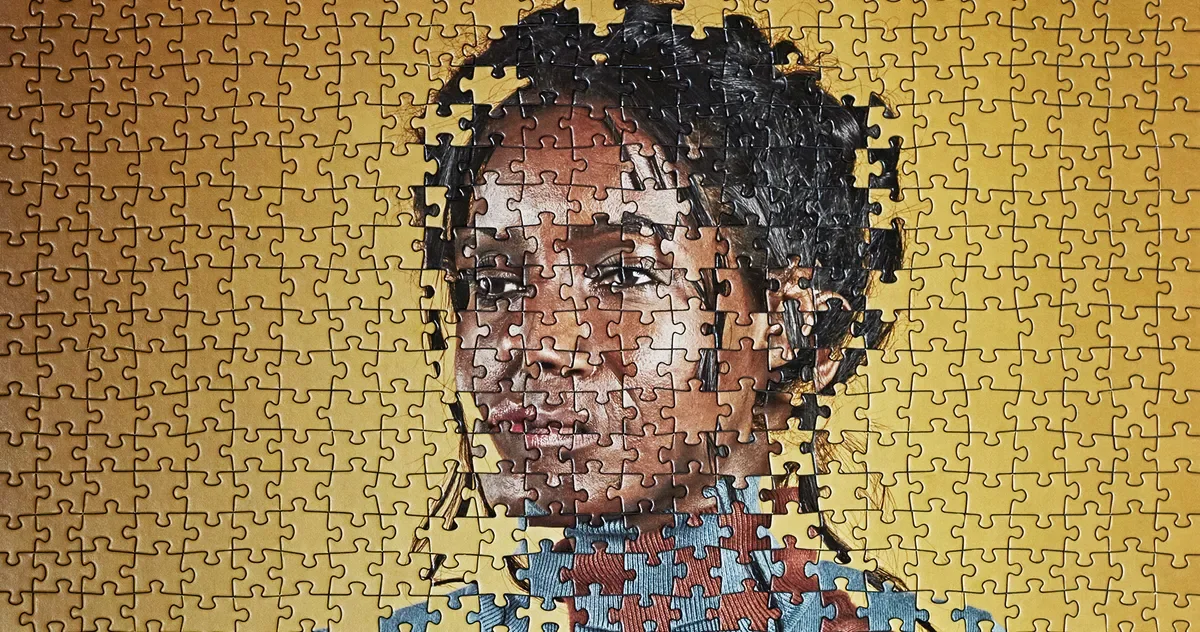
More women are being diagnosed with ADHD in midlife, a pattern researchers link to hormonal changes that may reveal symptoms long mistaken for burnout, aging, or anxiety, prompting calls for more nuanced recognition and treatment.
Explores rejection sensitive dysphoria (RSD), an intense, instantaneous distress to perceived rejection often co-occurring with ADHD (and sometimes autism). Through Jenna Turnbull's experiences and expert insights, it shows how RSD can trigger chest tightness, panic and avoidance, and discusses treatments such as therapy and ADHD medications, highlighting the growing recognition and ongoing stigma surrounding the condition.
The piece argues that rising mental-health diagnoses cannot be attributed to overdiagnosis alone; while self-diagnosis and casual use of mental-health language on social media contribute, increased awareness and reduced stigma encourage help-seeking and may inflate apparent rates, while genuine risk factors—economic insecurity, crises, and the after-effects of the pandemic—likely also play a role; a nuanced view recognizing multiple simultaneous factors is needed, and individuals’ distress must be believed and taken seriously.
A new study finds autism symptom severity, not diagnostic labels, maps to shared brain-network connectivity and gene-expression patterns linked to autism and ADHD, suggesting a common biology across neurodevelopmental conditions.
A long-term relationship faces concern that one partner’s heavy use of ChatGPT—enabled by ADHD—has become a substitute for independent thinking. Experts warn of potential chatbot overdependence, but acknowledge AI can help structure thoughts and tasks. The suggested approach is a calm, non‑judgmental conversation to discover what the tool provides, whether better alternatives exist, and what gaps it fills, while addressing underlying anxiety. The goal is to have AI augment, not replace, the partner’s abilities, and to remind him of his capacity to function without it.
A 299-participant study found that individuals with higher ADHD symptoms solved problems more often through sudden insight than through deliberate analysis, while those with the lowest symptoms balanced insight and analysis. The results showed a U-shaped curve where high- and low-symptom groups performed best overall, suggesting that executive control levels influence creative problem-solving via different mental routes and highlighting potential strengths of neurodiversity in such tasks.
Mewgenics, a long-gestating indie game by Edmund McMillen and Tyler Glaiel, has emerged as a surprise hit—a roguelike about breeding cats with 100+ mutations, including autism and ADHD—released on PC in 2026 and quickly topping Steam as developers report strong early sales; McMillen says the game invites players to 'read between the lines' and celebrate neurodiversity, drawing on his own family life after years of development.
Nature’s review of Bad Influence argues that while the internet democratizes medical knowledge and can raise awareness (e.g., ADHD), it also amplifies unproven claims, self-diagnostic practices, and sponsorship-driven content, with many influencers tied to pharma and lacking consistent advertising disclosures—calling for better research transparency and safeguards against misinformation.
ADHD can fly under the radar in girls, who often show inattentiveness—like drifted focus, forgetfulness, and disorganization—more than hyperactivity. This under-diagnosis can harm self-esteem and mental health, making diagnosis crucial through parent–child discussions, school input, and GP referrals, with home routines to support affected girls while awaiting assessment.
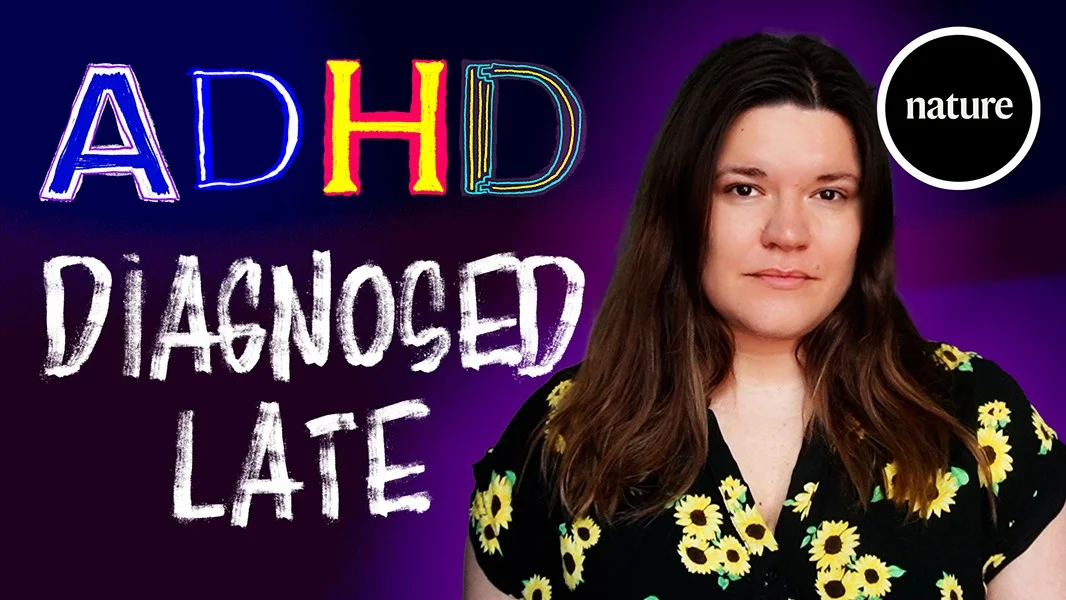
A Nature Outlook feature explains why ADHD is diagnosed later in women, arguing that female symptoms are historically misunderstood, societal expectations mask the condition, and rising awareness brings both clearer recognition and concerns about misinformation; the piece uses Emily Bates’ 34-year diagnosis to illustrate the pattern.
A large UK cohort study of about 10,930 people followed from childhood found that higher ADHD traits at age 10 are linked to more physical health problems and disability by midlife (age 46). Those with elevated ADHD traits had 14% higher odds of two or more conditions (including migraine, back pain, cancer, epilepsy, diabetes) and 42% reported two or more health problems versus 37% with lower trait scores; associations were partly explained by mental health issues, higher BMI, and smoking, with stronger effects in women. The findings emphasize the need for better ADHD recognition, ongoing health monitoring, and accessible support across adulthood.
A European study using health records from Belgium, Germany, the Netherlands, Spain and the UK finds ADHD medication use rose across all ages from 2010 to 2023, with the UK showing the largest relative increase (0.12% to 0.39%). Among UK adults 25+, prevalence rose from 0.01% to 0.20%, with more than a 20‑fold rise in women and about 15‑fold in men. Methylphenidate remained the most prescribed drug; newer medications gained traction, but continuation after initiation varied by country. Researchers say rising recognition of adult ADHD helps explain the trend, but treatment lags the estimated ADHD prevalence, signaling planning needs amid shortages. An amendment clarifies that NHS England, not the UK overall, is overspending on ADHD services.
Adolescents with ADHD are especially drawn to social-media platforms, often scrolling late at night and engaging in risky online interactions that can worsen attention, sleep, and friendships. Research suggests a bidirectional relationship: ADHD traits amplify vulnerability to digital stimulation, while heavy use may heighten impulsivity and inattention, with brain imaging showing subtle cerebellum changes linked to prolonged use. As platforms evolve rapidly, researchers and policymakers are weighing restrictions and interventions that emphasize healthier use patterns over bans, with clinicians advising parents to monitor patterns and content. Real-world cases—like a teen groomed online or exposed to self-harm content—highlight the need for proactive, supportive management.
A 40+ year UK cohort study of 10,930 participants found that higher ADHD traits at age 10 are linked to more physical health conditions and a 14% higher odds of multimorbidity by age 46. Among those likely to have had ADHD in childhood, 42.1% had two or more health conditions at 46, compared with 37.5% of those without ADHD. While smoking, BMI, and psychological factors partly explain the link, an independent health risk remains, underscoring the need for early health screening and interventions addressing health behaviors and social determinants of health.
ADHD is often undiagnosed in girls because symptoms tend to be inattentive and masked by social expectations, and research has historically focused on male presentations; co-occurring anxiety and depression further complicate diagnosis, leading to higher risks of bullying, relationship problems, eating disorders, self-harm, and even premature mortality; improving outcomes requires more female-inclusive research, better diagnostic tools, increased awareness, and gender-tailored treatment approaches.