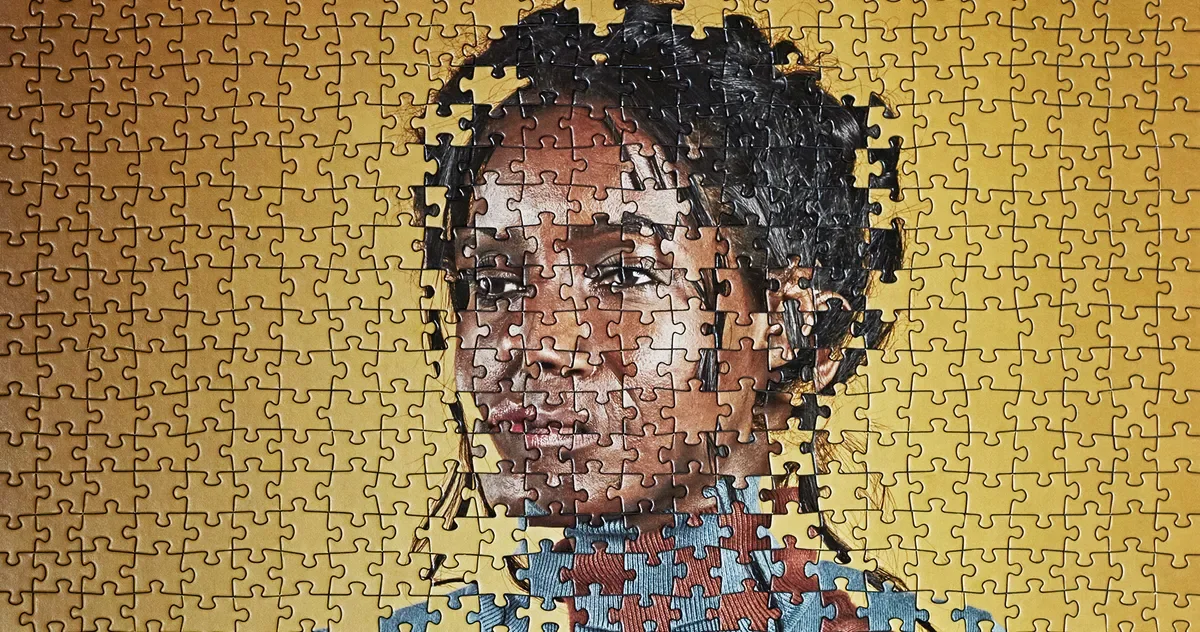
More women are being diagnosed with ADHD in midlife, a pattern researchers link to hormonal changes that may reveal symptoms long mistaken for burnout, aging, or anxiety, prompting calls for more nuanced recognition and treatment.
A zebra finch study shows that the early-morning song isn’t random joy but a rebound from nocturnal silence: melatonin and hormones prime the birds to wake, and the return of light lets them release the stored energy in a powerful dawn chorus, a timing-based vocal warm-up pattern observed across species.
Arousal is a complex, multi-system process driven by brain cues, the autonomic nervous system, and neurochemicals such as dopamine, nitric oxide and oxytocin. It can begin with physical sensations or mental cues (reflex vs desire-driven) and varies by person and between sexes, with features like female “tenting.” Stress and health changes can dampen desire, while long-term relationships often rely on cue-driven arousal and deliberate mood-setting. The piece also notes age-related and health factors that can affect arousal, underscoring the importance of communication and health checks to maintain sexual well-being.
Scientific research is challenging the idea that women are naturally more empathetic than men. While women often score slightly higher on empathy tests, the gap is small with substantial overlap, and both biology (like prenatal testosterone exposure) and social factors influence empathy. Some researchers question the hormonal explanation, and genetic studies show only a small genetic contribution with environment playing a large role. Brain responses to empathic cues are largely similar across genders when not biased by context, and empathy can be learned. Societal expectations and power dynamics shape how empathy is expressed, and there’s a broader shift toward more empathetic masculinity as caregiving becomes more common among men.
Doctors note that the number-one sign of chronically elevated cortisol is unexplained belly fat from visceral fat, which can occur even without changes to diet or exercise; cortisol levels can rise due to stress, illness, sleep deprivation, pregnancy, inflammation, and certain foods or medications, so consult a physician if you notice persistent abdominal weight gain accompanied by other health changes.
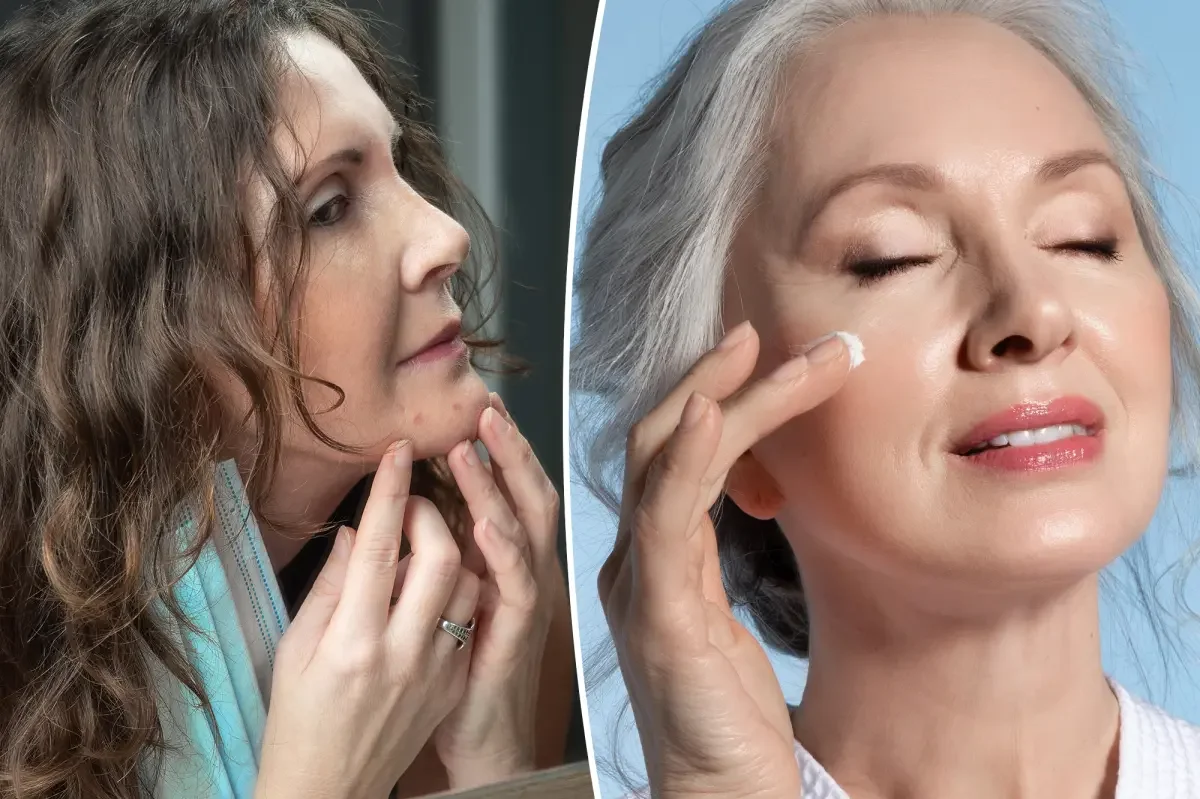
During perimenopause and menopause, hormonal changes can trigger acne in midlife—often on the chin and jawline—even for women who’ve been clear for years. Treatments are typically hormonal (spironolactone, birth control, or hormone therapy) plus topical retinoids or antibiotics, with isotretinoin for more severe cases. Lifestyle steps like adequate sleep, stress management, non-comedogenic skincare, and proper cleansing help; if OTC products fail after about two months, see a dermatologist. Acne often improves after menopause, though evidence on GLP-1 medications and acne remains inconclusive.
A Times nutrition expert links libido to overall health and recommends a Mediterranean-style diet rich in omega-3s, plant proteins, nuts, seeds, fruits and vegetables, and healthy fats like avocado and olive oil to improve hormones and blood flow; it also advises limiting refined carbs and red meat, highlights zinc and B vitamins, and notes midlife and menopausal considerations for women while stressing that consistency matters more than any single meal.
Irritable Male Syndrome (IMS) isn’t a formal diagnosis but a widely used label for aging-male symptoms tied to testosterone decline, including mood swings and irritability, low energy, cognitive fog, reduced libido, sleep issues, muscle loss, and increased abdominal fat. The condition is linked to gradual hormonal changes (roughly 1% testosterone drop per year after 40) and other factors; management typically includes medical testing, lifestyle changes (nutrition, exercise, sleep, stress reduction), and, if appropriate, testosterone therapy, with emphasis on compassionate support for affected men.
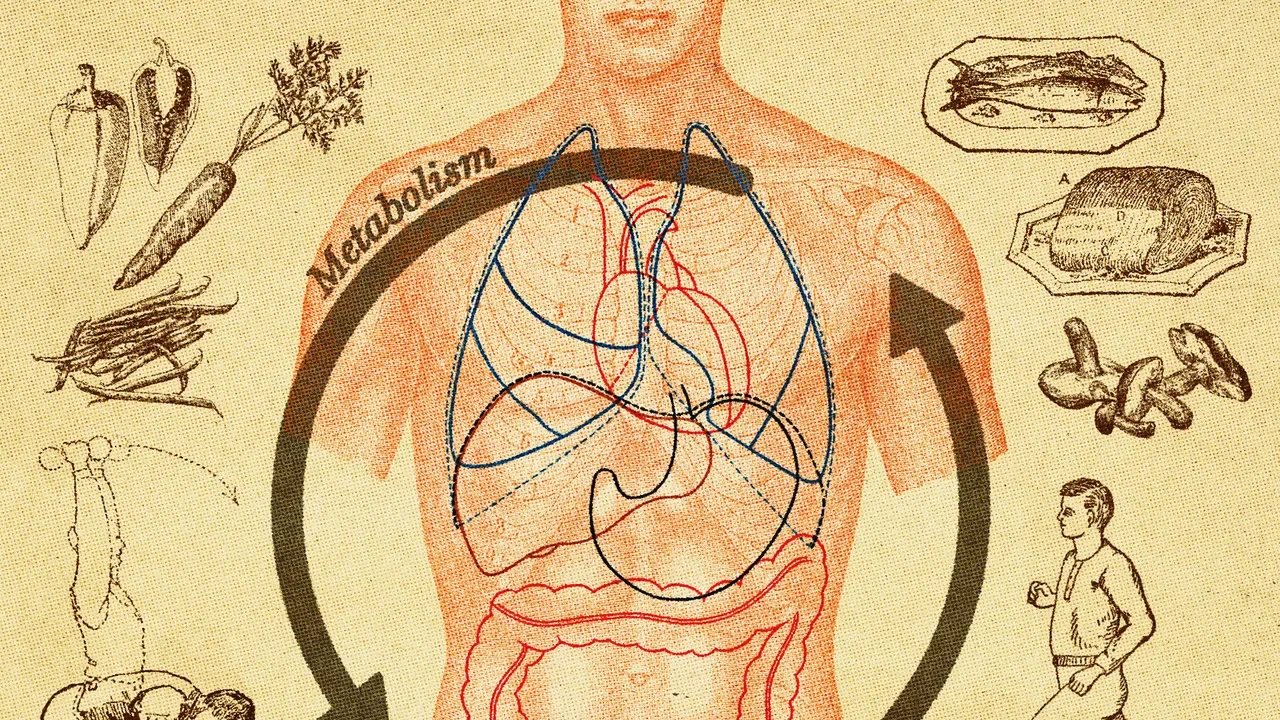
Endocrinologists say metabolism is driven by hormonal balance and daily choices. Key ideas include boosting metabolic rate by managing insulin through lower carbohydrate intake and protein-first meals, using resistance training to preserve muscle, staying active at work to avoid long sedentary periods, and prioritizing sleep and circadian alignment with natural light. They also suggest time-restricted eating with early dinners, stress management, and cautious use of home hormone tests or weight-loss injections. Be alert for signs of hormonal imbalance (fatigue, weight change, menstrual issues, thirst or urination) and seek medical guidance for a tailored plan.
A 35-year-old journalist explores why metabolism slows with age, learning from experts that hormonal changes (like testosterone decline), stress, and sleep disrupt metabolic rate. The takeaway is practical: bias toward smarter, goal‑oriented routines—higher protein intake, resistance training to build muscle, adequate calories, and stress/sleep management—to maintain strength and leaness as you age.
The article highlights the unique strengths of female bodies, emphasizing their metabolic flexibility, physical flexibility, and ability to adapt to life's changes, which collectively contribute to resilience and strength, challenging traditional assumptions about gender and physical capability.
Research from Touro University reveals that vigorous exercise increases extracellular vesicles in the blood that transport hormone precursors like POMC more efficiently across biological barriers, including the blood-brain barrier, potentially impacting stress, mood, metabolism, and drug delivery.
A study in Nature Neuroscience reveals that estrogen enhances learning in female rats by increasing dopamine activity in the brain's reward center, with implications for understanding hormonal influences on cognition and neuropsychiatric disorders.
Scientists have developed a method to detect pregnancy-related hormones in ancient human bones and teeth, potentially allowing researchers to determine reproductive histories of past populations, especially where written records are absent. The technique involves analyzing hormones like estrogen, progesterone, and testosterone preserved in hard tissues, marking a significant breakthrough in archaeological science. However, further research is needed to validate and refine this method for broader use.
Drinking alcohol increases breast cancer risk by affecting hormones and damaging DNA, even at moderate levels. To lower risk, experts recommend abstaining from alcohol or limiting intake, along with maintaining a healthy lifestyle and regular screenings.