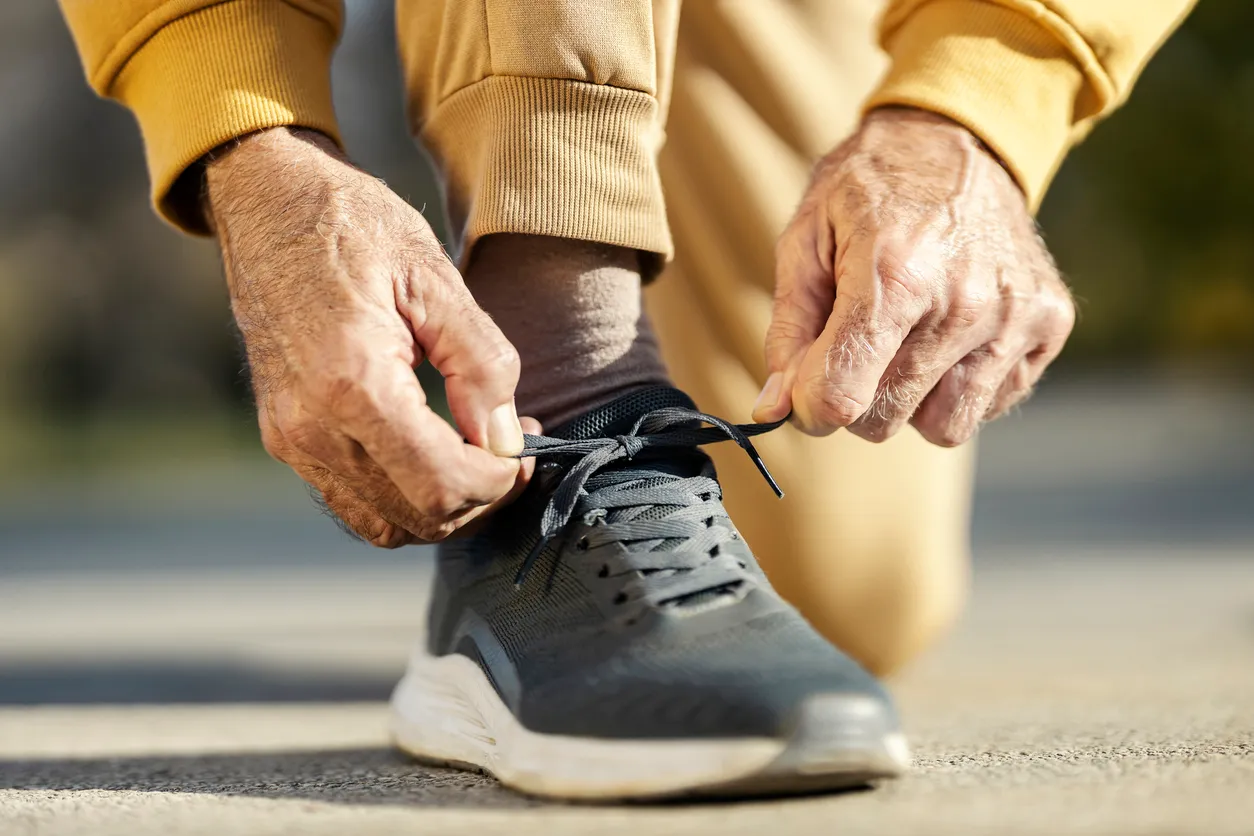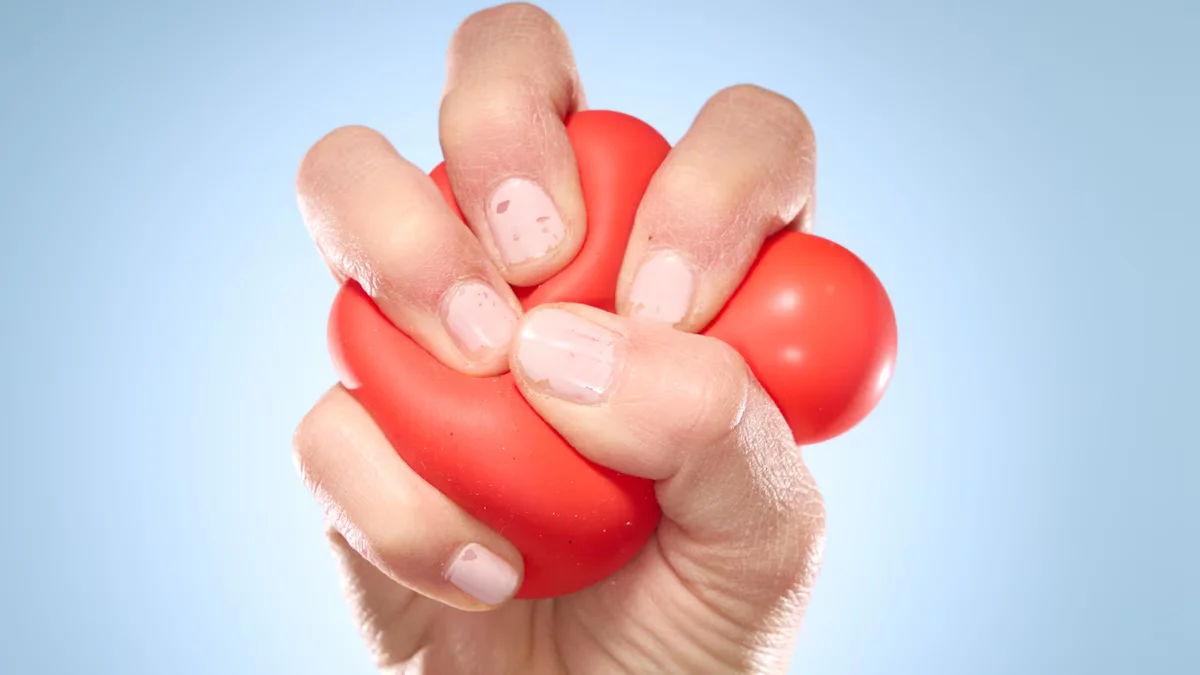
Grip strength is a powerful indicator of overall health, aging, and longevity, reflecting the functioning of multiple body systems and predicting risks of chronic disease, disability, and death. It can be improved through regular resistance exercises, proper nutrition, and daily activities that challenge hand and arm muscles, making it a simple yet comprehensive health marker.

A new 8-minute morning routine designed for people over 50 can enhance muscle recovery and strength by activating circulation and neuromuscular pathways, leveraging the body's natural circadian rhythms, and improving overall resilience without replacing traditional weight training.
Many women overlook their pelvic floor muscles, which support vital organs and influence sexual, urinary, and digestive health. Factors like aging, childbirth, and hormone changes can weaken these muscles, leading to issues like leaks and pelvic pain. Preventative measures include exercises like Kegels, addressing vaginal dryness, managing constipation, and seeking medical advice for symptoms, to maintain pelvic health as women age.
Strong leg muscles, rather than BMI or weight, are key predictors of longevity and independence in aging, with research showing that leg strength impacts survival, brain health, and risk of falls. Regular strength training and functional tests like chair stands can help maintain muscle power and improve health outcomes as we age.
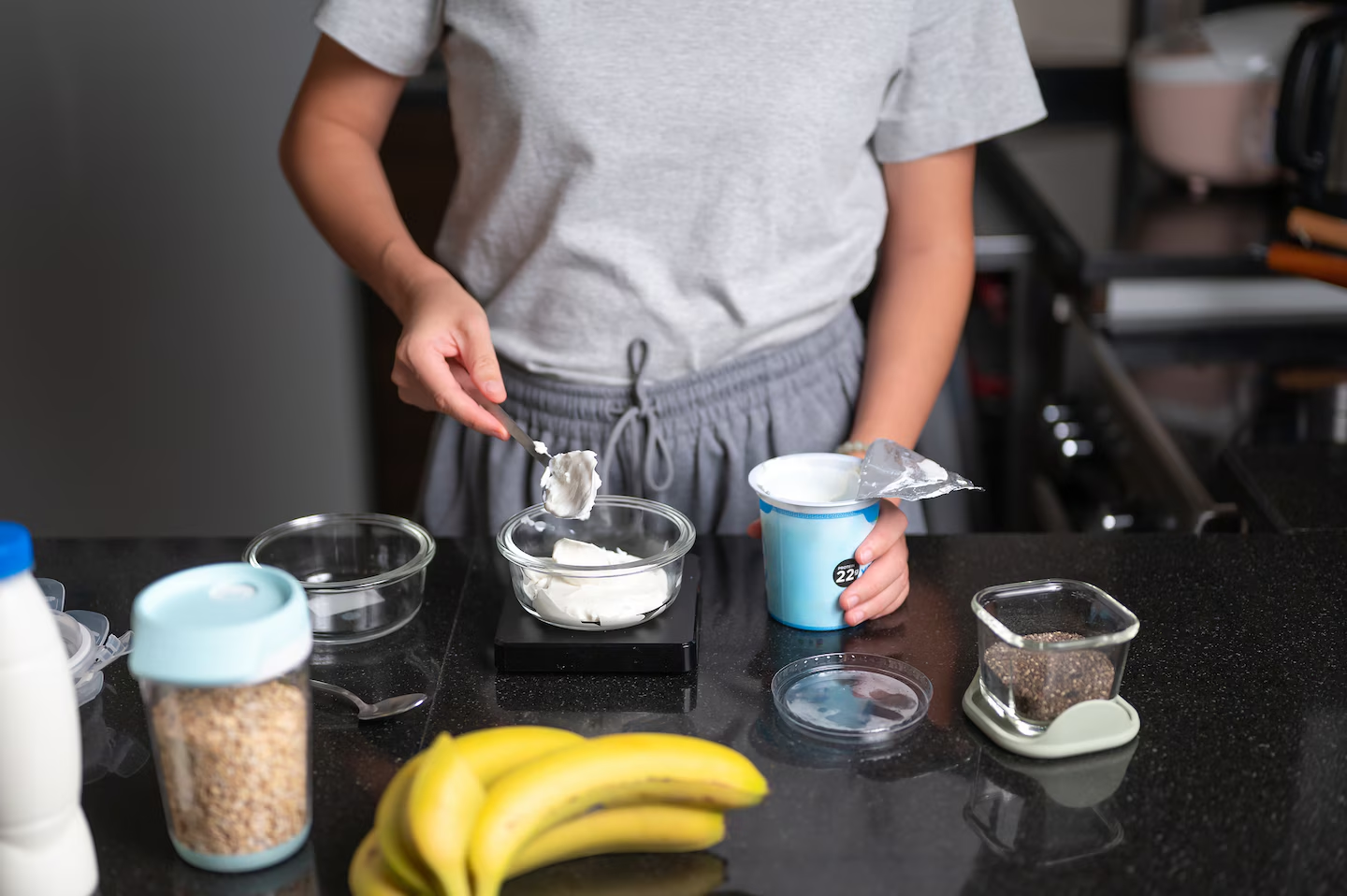
Women should prioritize higher-quality protein in their diet to support long-term health, muscle maintenance, and bone strength, especially as they age or undergo hormonal changes. Consuming around 1.2 g/kg/day of protein, spread across meals and including diverse sources, can lead to better muscle mass, strength, and overall functional health. Practical strategies like incorporating protein-rich snacks and plant and animal sources can help women meet these targets.
Creatine, a compound naturally produced in the body and found in meat and fish, is gaining popularity beyond athletes for its potential benefits in healthy aging, muscle support, and cognitive function, especially when combined with resistance training. While dietary sources may suffice for some, others might consider supplements after consulting healthcare professionals, as they can have side effects and are not a one-size-fits-all solution.
Recent research suggests that strength training can improve erectile function by enhancing muscle health, blood vessel function, and hormonal balance, potentially reducing reliance on ED medications. While not a complete replacement, regular resistance and cardio exercises, combined with a healthy diet, can significantly benefit men's sexual health and overall well-being.
Creatine, a well-researched supplement traditionally used by athletes, offers broad health benefits including support for brain, bone, and muscle health across all ages, especially benefiting older adults, vegetarians, and those under stress. It is safe, easy to incorporate, and effective for enhancing energy, cognitive function, and preventing age-related decline, making it a valuable supplement for everyone.
The article emphasizes the importance of protein in the diet, highlighting its roles in muscle building, recovery, hormone production, and immune function, and discusses a list of healthy high-protein meals recommended by dietitians.
The article explains that the recommended daily protein intake varies based on individual factors, generally around 0.8-1.2 grams per kilogram of body weight, emphasizing the importance of balanced consumption spread throughout the day, and warns against excessive intake while highlighting the role of protein in overall health.
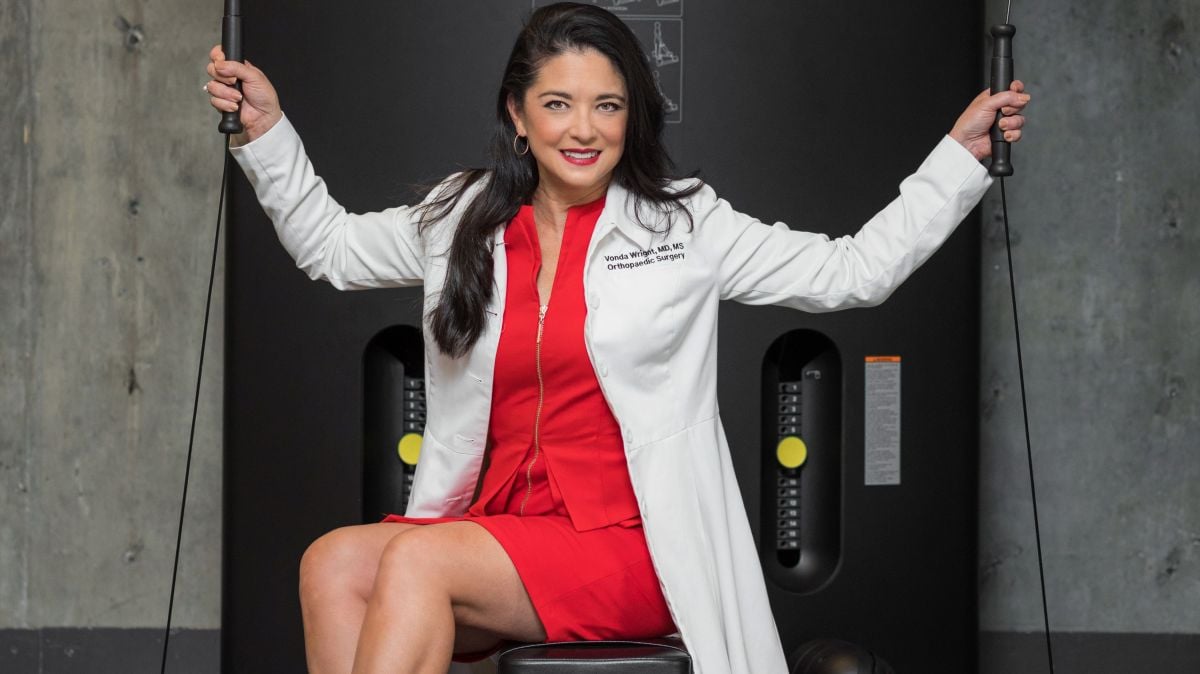
Dr. Vonda Wright, an orthopaedic surgeon, emphasizes the importance of mobility, strength training, and hormonal health to combat the negative effects of ageing in women. She advocates for regular resistance and cardio exercises, proper nutrition, and understanding menopause's impact on musculoskeletal health to improve quality of life and maintain independence in later years.
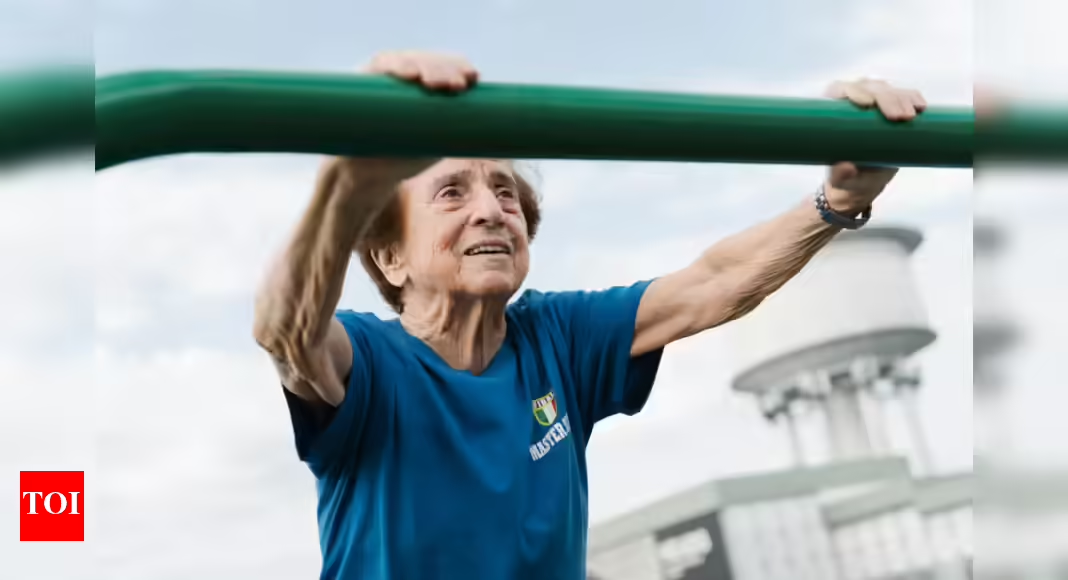
A 92-year-old woman, Emma Maria Mazzenga, continues to sprint and set records, with scientific tests revealing her cardiovascular and muscle health are comparable to someone decades younger, highlighting the benefits of lifelong exercise and healthy lifestyle choices for aging well.
A study analyzing U.S. adults suggests that higher coffee and caffeine intake is associated with increased limb muscle relative to body size, potentially supporting muscle health as we age, though the link is not observed in obese individuals and does not prove causation.
Emma Mazzenga, a 92-year-old elite sprinter, is breaking age group records and exhibiting muscle and cardiovascular health comparable to much younger individuals, due to a combination of genetics, lifestyle, and mindset emphasizing persistence and joy in movement. Scientists are studying her unique physiology to understand the limits of aging, highlighting that her secret is her love for activity and consistent training rather than any special diet or method.
Protein is essential for health, supporting tissue repair, immune function, and hormone production. The recommended daily intake is 0.8 grams per kilogram of body weight, but needs vary based on age, activity, and health conditions. Consuming more than two grams per kilogram offers little benefit and is generally safe. The timing of protein intake is flexible, and both animal and plant sources can provide quality protein, with a varied diet being most beneficial.