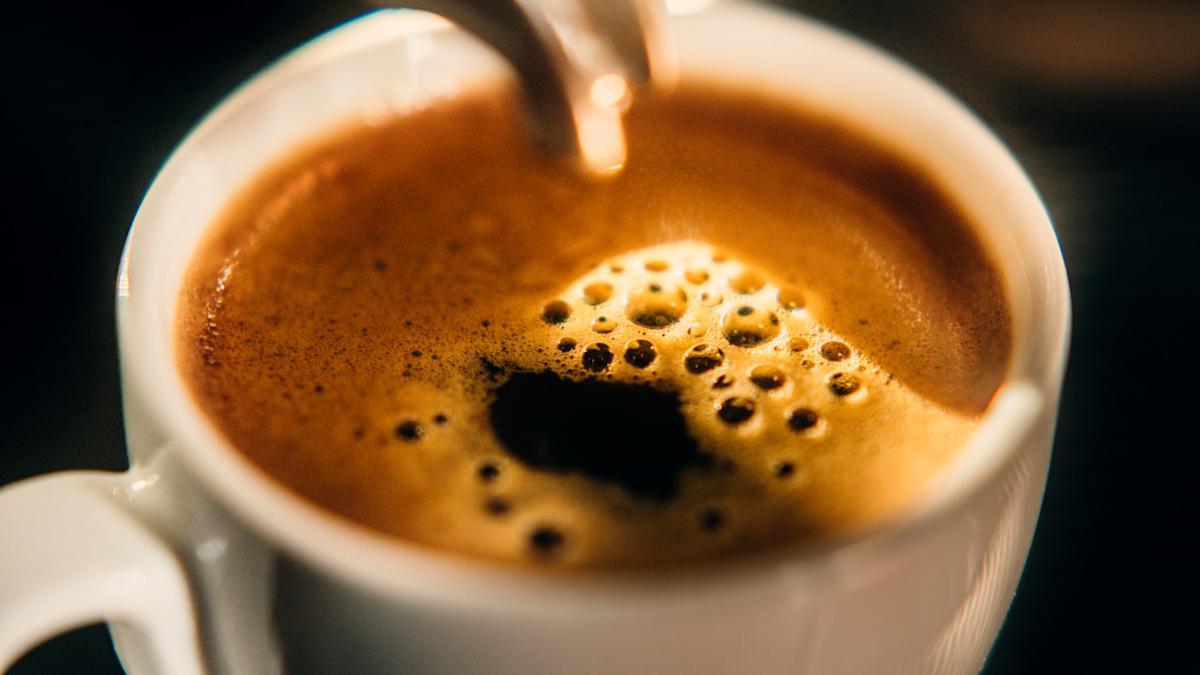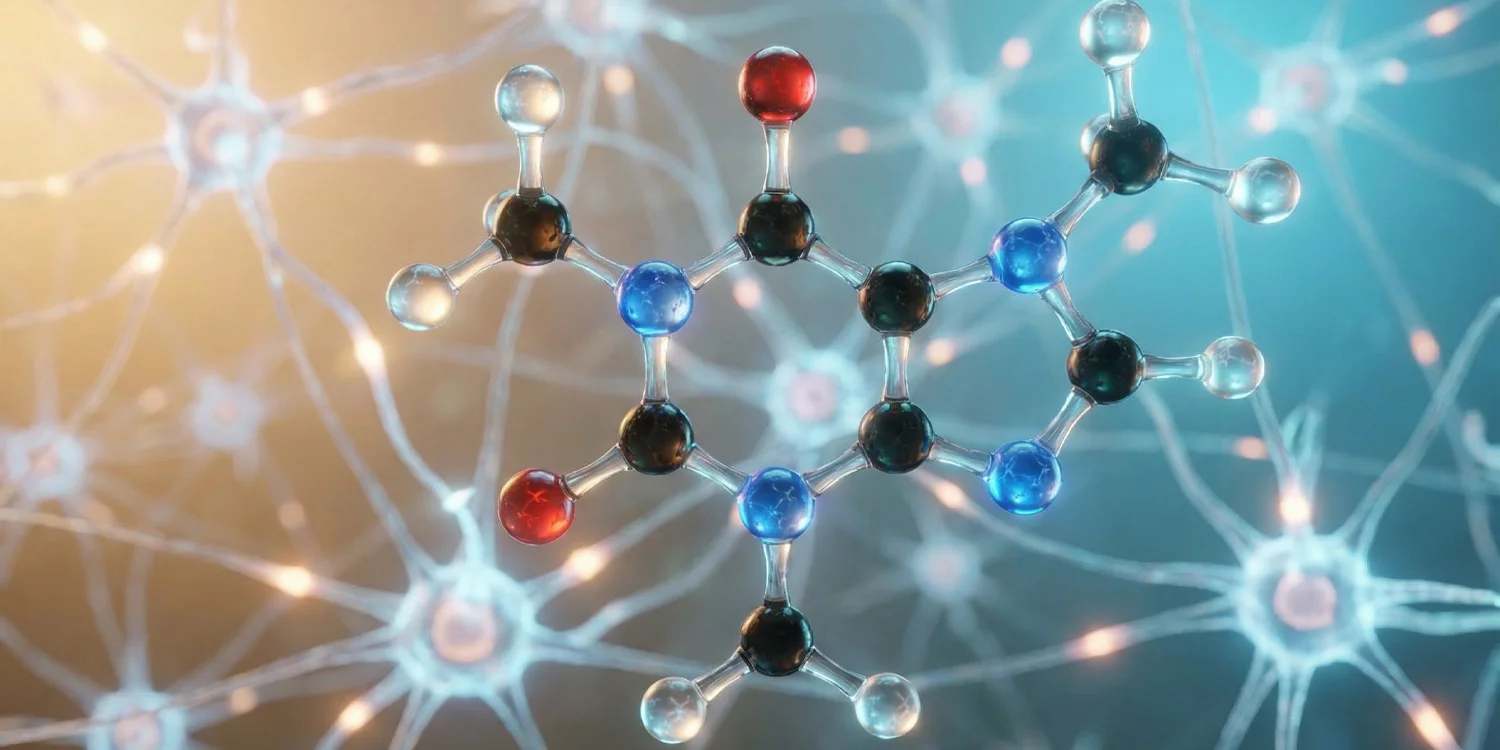
A 2023 study suggests that higher caffeine levels in the blood, influenced by genetic factors, are associated with lower body fat and a reduced risk of type 2 diabetes, though no link was found with cardiovascular diseases. The findings indicate potential benefits of caffeine in metabolism and weight management, but further research is needed to confirm causality and long-term effects.
The article discusses the common afternoon energy slump caused by natural biological processes and offers practical tips such as moderate caffeine intake, balanced meals, hydration, physical activity, social interaction, exposure to light, and good sleep hygiene to combat fatigue and boost alertness throughout the day.
Taking ibuprofen with coffee can enhance its pain-relieving effects due to caffeine's ability to block pain signals and improve absorption, but alcohol should be avoided when taking ibuprofen due to increased health risks.
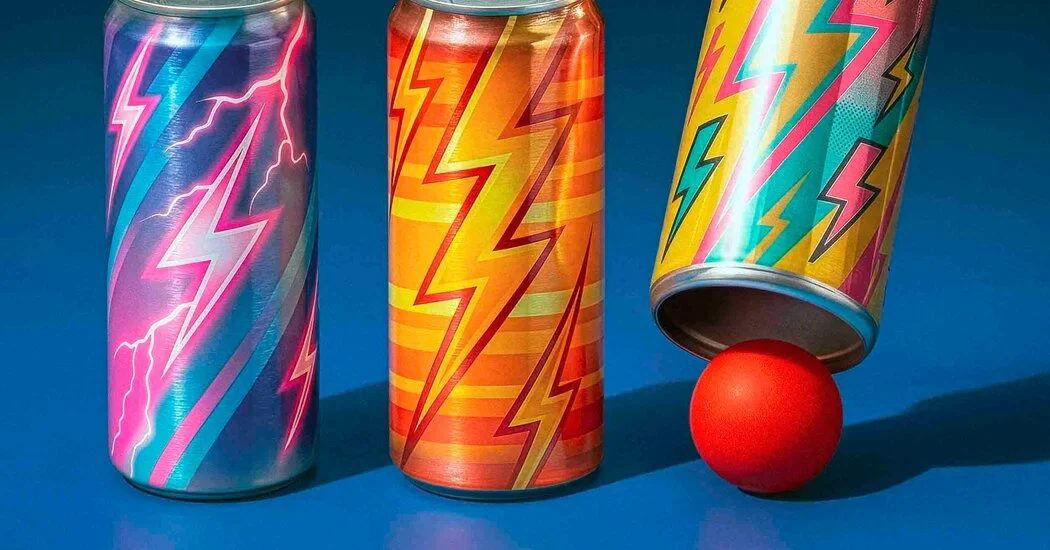
A healthy man in his 50s experienced a stroke likely caused by excessive consumption of high-potency energy drinks containing high levels of caffeine, which led to high blood pressure and vascular constriction. Quitting energy drinks resulted in the normalization of blood pressure and full recovery, highlighting the potential cardiovascular risks associated with energy drink overconsumption.
A recent study suggests that drinking coffee may reduce the recurrence of atrial fibrillation, challenging the traditional advice for heart patients to avoid caffeine, with coffee drinkers experiencing a 39% lower risk of AF episodes compared to abstainers.
A new study finds that drinking one cup of caffeinated coffee daily may reduce the risk of atrial fibrillation (AFib) by 39%, challenging previous advice to avoid caffeine for heart patients, and suggesting potential protective effects of coffee on heart rhythm disorders.
A recent study suggests that drinking a cup of caffeinated coffee daily may reduce the risk of atrial fibrillation by 39%, challenging the common advice for heart patients to avoid caffeine, and indicating potential protective effects of coffee on heart rhythm disorders.
A new four-year study suggests that drinking a cup of caffeinated coffee daily is safe for people with atrial fibrillation and may reduce the risk of recurrence, with the findings indicating a potential protective effect of coffee on heart rhythm disorders.
Recent research suggests that moderate caffeine intake from coffee can help relieve constipation by stimulating bowel movements through increased colonic contractions and supporting gut microbiota diversity, especially in younger and middle-aged adults. However, decaffeinated coffee does not have the same effect, and the benefits may diminish with age. To maximize digestive benefits, it is recommended to consume coffee in moderation, at appropriate times, and with proper hydration, while considering individual tolerance and health conditions.
Dr. Joseph Salhab explains that coffee stimulates bowel movements primarily due to its caffeine content, which promotes colon activity and gallbladder contraction, and the warmth of the beverage. Alternatives like green tea, cold brew, or decaffeinated coffee can reduce this effect. About 30-40% of coffee drinkers experience this urge, and the article offers tips to manage it.
The article discusses how to manage headaches effectively, highlighting the benefits of tracking triggers, using caffeine wisely to enhance pain relief, maintaining a balanced diet, avoiding certain painkillers like codeine, and adopting healthy lifestyle habits such as regular exercise and hydration.
Consuming coffee close to taking prescription drugs can interfere with their absorption and effectiveness, potentially causing adverse effects. Experts recommend waiting 30-60 minutes after medication before drinking coffee and consulting healthcare providers for personalized advice.
A week-long experiment of replacing coffee with matcha revealed that it provides a smoother, sustained energy boost, promotes mindfulness, and offers health benefits like antioxidants and potential stress reduction, though the earthy flavor may not appeal to everyone. Despite not becoming a daily fan, the author gained a new appreciation for matcha's cultural significance and health perks, recommending it as a healthy alternative for those who enjoy its taste or seek a calmer caffeine source.
Many medications can interact negatively with coffee, especially antidepressants, blood thinners, antipsychotics, and certain asthma and blood pressure drugs. It's important to consult with a healthcare provider about potential interactions and timing of coffee consumption to avoid adverse effects.
A study found that caffeine, especially under stress, can increase task persistence in humans, with effects varying based on dose and context, suggesting caffeine promotes active coping behaviors.