Creatine, widely known for enhancing muscle strength, also offers significant benefits for brain health, energy regulation, and metabolic support, making it a versatile supplement for overall health and longevity.
Recent scientific research confirms that creatine, a common supplement traditionally associated with athletic performance, also significantly benefits brain and heart health by supporting cellular energy and neurotransmitter function, with studies showing it is safe for general use and potentially crucial for addressing creatine deficiency disorders.
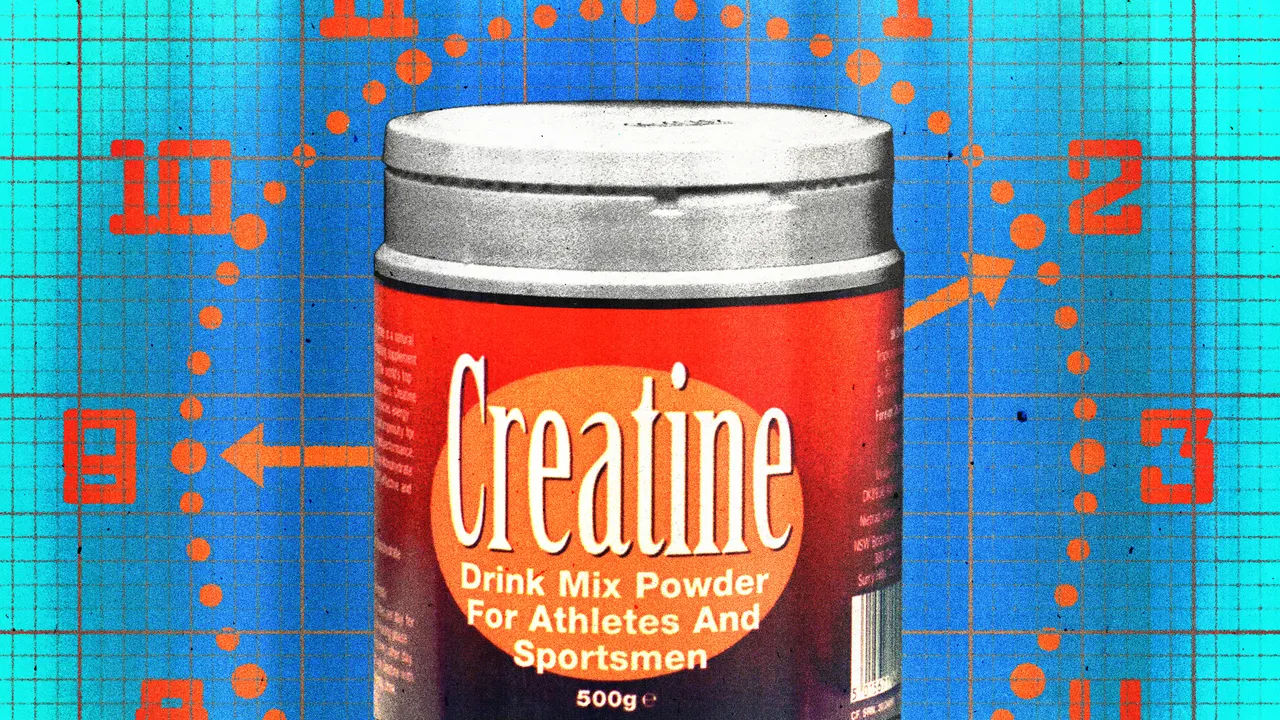
The best time to take creatine is flexible; it can be taken before or after workouts, with consistent daily intake being most important. Pairing it with carbohydrates can enhance absorption, and a standard dose is 5 grams daily, with or without a loading phase. Regular use supports muscle strength, recovery, and cognitive health, but quality and safety of supplements should be verified.
Creatine, commonly known for muscle building, also enhances brain function, supporting memory, focus, and mental energy, and shows promise for treating depression, Alzheimer's, and aiding recovery from brain injuries, with safe usage guidelines provided by Dr. Kunal Sood.
Creatine, a compound naturally produced in the body and found in meat and fish, is gaining popularity beyond athletes for its potential benefits in healthy aging, muscle support, and cognitive function, especially when combined with resistance training. While dietary sources may suffice for some, others might consider supplements after consulting healthcare professionals, as they can have side effects and are not a one-size-fits-all solution.
Many young athletes are using creatine to boost performance and muscle growth, but while generally considered safe when used properly, it should not replace fundamental training, nutrition, and sleep. Proper dosing and education are crucial to avoid adverse effects, and a focus on healthy habits is recommended over reliance on supplements.
Originally Published 2 months ago — by MindBodyGreen
A large-scale study reveals that 71% of women do not consume enough creatine, a nutrient crucial for energy production and hormonal stability, which may impact menstrual health, fertility, and risk of reproductive issues. Increasing creatine intake through diet or supplements could support women's hormonal and reproductive health across different life stages.
Creatine is a popular supplement among young athletes for enhancing strength and performance, and is generally considered safe when used appropriately. However, it should not replace fundamental fitness practices like proper training, nutrition, and sleep. Young users should adhere to recommended dosages and be cautious of misuse, as most benefits come from a balanced diet and consistent exercise.
The best time to take creatine is flexible; it can be taken before or after workouts, with consistent daily intake being most important. Pairing it with carbohydrates can enhance absorption, and a standard dose is 5 grams daily, with or without a loading phase. Regular use supports muscle strength, recovery, and brain health, but quality and safety of supplements should be verified.
The article critiques the trend of female biohacking and supplement use, especially among exhausted mothers, highlighting the risks of over-reliance on unproven products like creatine and weighted vests, and emphasizing the importance of rest and natural strength over constant self-optimization.
Taking more than the traditional 5g of creatine daily can lead to greater benefits across muscle, brain, and bone health, with recommendations suggesting around 7-10g per day depending on body weight for optimal results, especially for those seeking full-body benefits beyond muscle saturation.
Creatine is a well-researched supplement that enhances high-intensity performance, muscle growth, and recovery when combined with consistent training, and is safe for healthy adults at recommended doses, with myths about its safety largely debunked.
Creatine, a well-researched supplement traditionally used by athletes, offers broad health benefits including support for brain, bone, and muscle health across all ages, especially benefiting older adults, vegetarians, and those under stress. It is safe, easy to incorporate, and effective for enhancing energy, cognitive function, and preventing age-related decline, making it a valuable supplement for everyone.
A large South Korean study found that higher dietary creatine intake is associated with better mental health, including lower depression and anxiety symptoms, suggesting that creatine-rich diets may support psychological well-being. However, causality cannot be confirmed due to the study's cross-sectional design.
Creatine, commonly used for muscle strength, also offers cognitive benefits, especially when the brain is stressed or sleep-deprived. Research shows it can improve processing speed, working memory, and potentially mitigate effects of depression and brain injuries. Effective doses for mental benefits are higher than those for muscle, typically between 10-25 grams daily for short periods, with safety generally well-established. However, high doses should be used cautiously and under medical supervision, especially for individuals with preexisting health conditions.