A urologist explains that cycling does not cause prostate damage or long-term sexual health issues, but improper bike fit and riding habits can lead to temporary discomfort and sensations that may be mistaken for problems. Adjustments in bike setup, posture, and riding habits can alleviate these symptoms, and persistent issues should be evaluated by a healthcare professional. Cycling can be safely incorporated into a routine with proper precautions.
Certain foods like oysters, berries, and nuts are backed by science to support sexual health by increasing blood flow, regulating testosterone, and reducing erectile dysfunction, though they should complement a healthy lifestyle and not replace medical advice.
Recent research suggests that strength training can improve erectile function by enhancing muscle health, blood vessel function, and hormonal balance, potentially reducing reliance on ED medications. While not a complete replacement, regular resistance and cardio exercises, combined with a healthy diet, can significantly benefit men's sexual health and overall well-being.
Cardiovascular scientist Dr. James DiNicolantonio highlights three early warning signs of heart disease: erectile dysfunction, shortness of breath during mild activity, and swelling in feet or ankles, emphasizing the importance of early detection and medical consultation to prevent severe cardiovascular events.
A man with erectile dysfunction and anorgasmia seeks advice on how to communicate his needs for more foreplay to his wife, suggesting he lead with positive statements and possibly consider couples counseling to improve their intimacy and understanding.
The article discusses common sexual issues faced by people in their 50s, such as negative beliefs about aging and sexuality, vaginal dryness, erectile challenges, and decreased libido, emphasizing that these are normal changes and offering advice on how to address them, including mindset shifts, using lubricants, and stress reduction techniques.
A doctor explains that dehydration, often caused by heat, alcohol, and sweating, is a common and overlooked cause of erectile dysfunction. Staying well-hydrated by drinking water, replenishing electrolytes, and eating water-rich foods can help improve the condition. Lifestyle factors like poor diet, smoking, and lack of exercise also contribute, and persistent symptoms should be checked with a GP.
Doctors warn that hot weather can cause 'summer penis,' making the penis appear larger due to increased blood flow, but it can also lead to issues like erectile dysfunction, dehydration, fatigue, and sleep problems, especially in sensitive men. Tips include staying cool, wearing loose clothes, and staying hydrated to mitigate these effects.
A woman seeks advice about her husband's inability to get an erection when seeing his mother, which is causing concern. Experts suggest that this may require therapy and exploring medical options, and emphasize that the couple can find alternative ways to maintain intimacy during this period, such as using sex toys or masturbation. The situation is seen as temporary and manageable with patience and creativity.
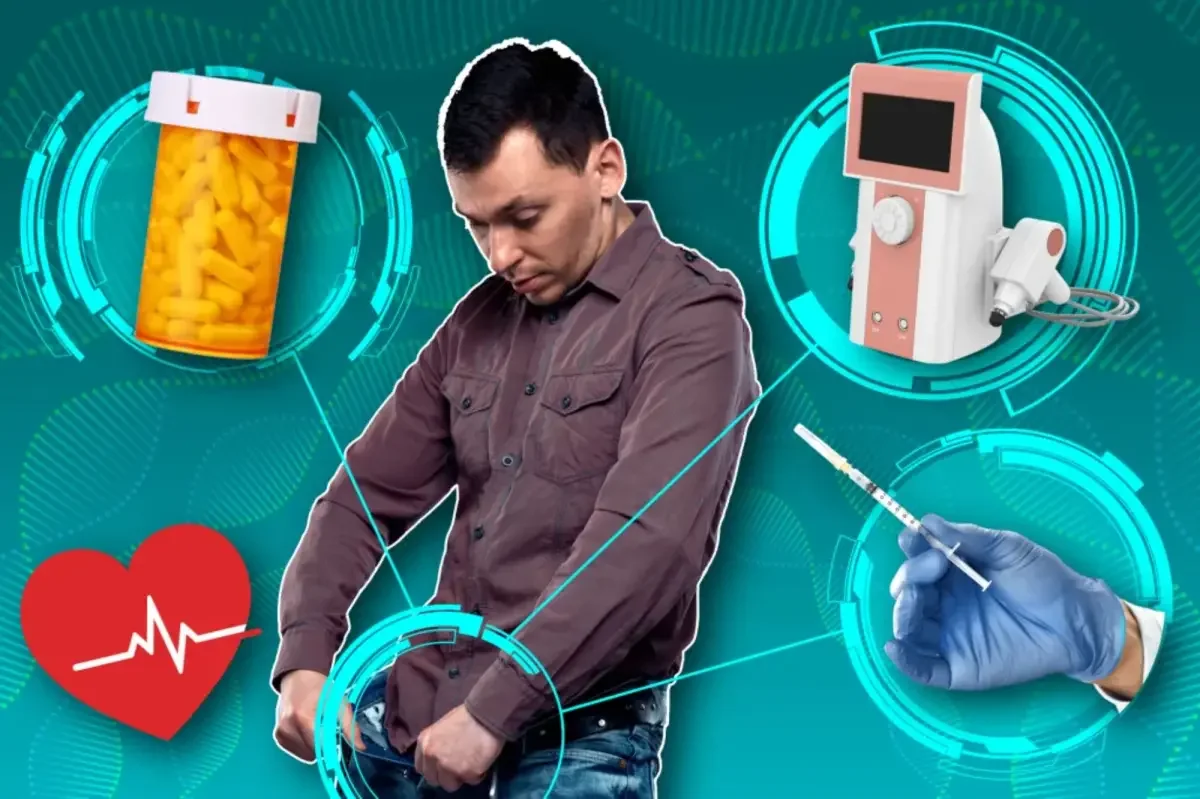
The article offers five doctor-backed tips for men to effectively manage erectile dysfunction, emphasizing the importance of seeking medical advice and adopting healthy lifestyle habits.
The article discusses concerns about penis size changes, potential causes like weight loss and health issues, and the reliability of memory. It also covers topics like gonorrhea transmission timelines and relationship trust after infidelity, emphasizing that physical and emotional health can impact perceptions and realities in sexual relationships.
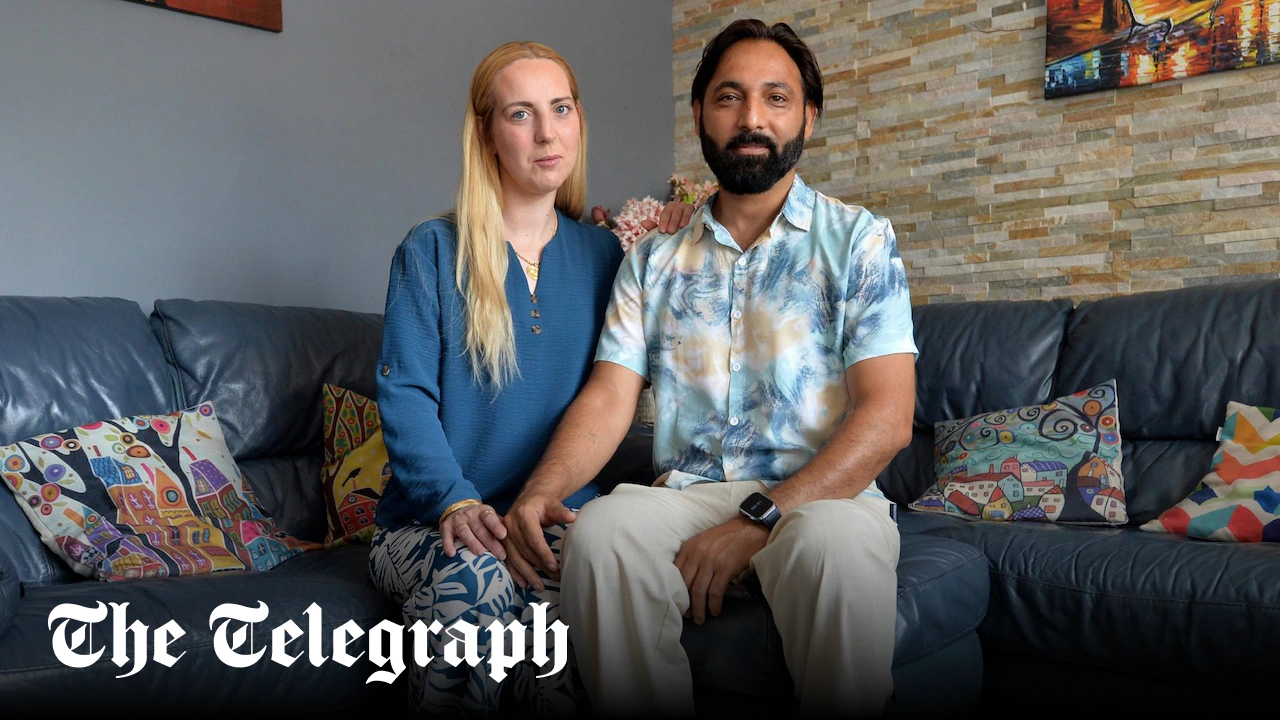
A couple's marriage was strained by diabetes-related erectile dysfunction, but they found solutions through open communication and innovative treatments like the Vertica device, which improved their intimacy and brought them closer together.
The article discusses how prescriptions like Viagra are changing the sexual experiences of older women, highlighting that for some, these medications may not always enhance intimacy and could have complex effects on their sex lives as they age.
Despite challenges posed by erectile dysfunction, especially with the use of medications like tadalafil (Cialis), it is still possible to have spontaneous sex by working with healthcare providers to find suitable routines and redefining intimacy beyond just penetration. Emotional safety, physical stimulation, and a broader view of sexual connection are essential, and seeking support from sex therapists can help couples adapt and maintain a satisfying sex life.
A woman advises her husband, who is experiencing ED and has joined an online support group promoting unproven solutions, to seek medical guidance and reconsider their approach to intimacy, emphasizing the importance of professional help and open communication. The article discusses the challenges of aging, the influence of online communities, and the need for honest dialogue and medical intervention for sexual health issues.