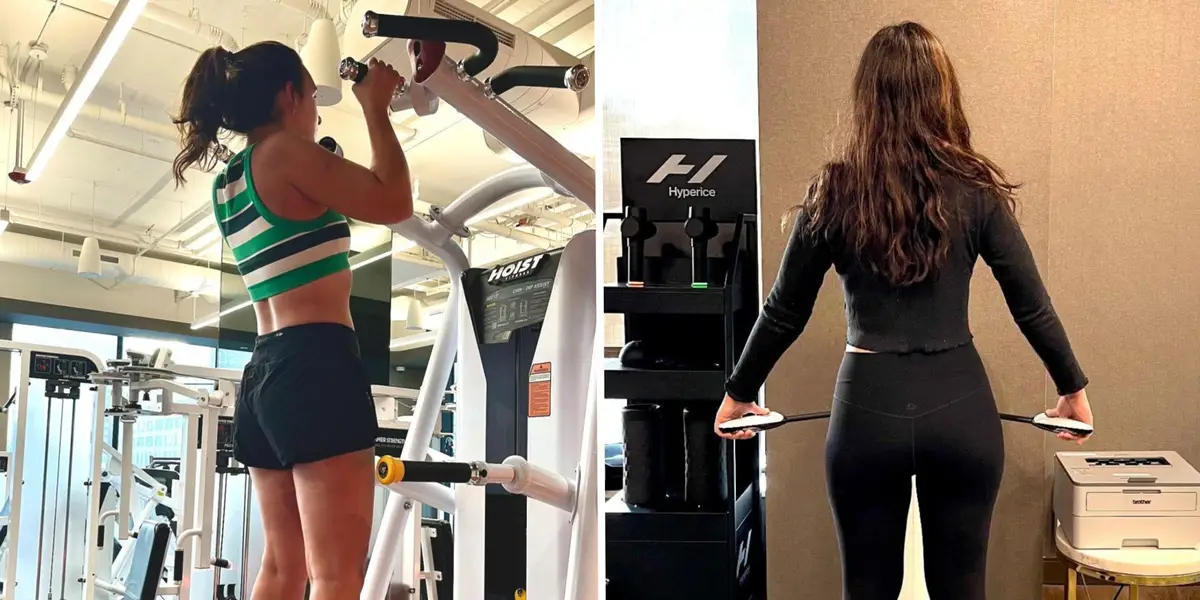
Julia Pugachevsky shares her year-long journey of losing 7% body fat through simple, sustainable changes like walking more, mindful eating, and tracking progress with body composition analyses, emphasizing that small habits can lead to meaningful and enjoyable health improvements.
Research shows that fasted workouts do not lead to greater long-term fat loss or muscle gains compared to fed workouts, and short-term fat burning during exercise does not necessarily translate into overall fat loss. The decision to exercise fasted or not should depend on personal preference and how it affects your performance and well-being, rather than on unsupported claims of superior fat burning.
Fasted exercise, or working out before eating, is popular for fat loss claims, but research shows it doesn't lead to long-term weight loss or body composition benefits compared to exercising after eating. While fasted workouts burn more fat during the activity, the body compensates over time, resulting in no significant long-term differences. Eating before exercise can improve performance and may aid in weight management, but the timing of meals around workouts has limited impact on results. Overall, the most important factor is simply exercising regularly, regardless of fasting or meal timing.
A personal trainer shares her experience after switching from high-intensity CrossFit to low-impact reformer and Pilates, noting improvements in core stability, muscle control, and mental well-being, but also an increase in body fat, highlighting the different benefits and effects of various workout modalities.
A study analyzing U.S. adults suggests that higher coffee and caffeine intake is associated with increased limb muscle relative to body size, potentially supporting muscle health as we age, though the link is not observed in obese individuals and does not prove causation.
New research suggests replacing BMI with body fat percentage as a more accurate measure of health risk, particularly for predicting mortality, which could influence obesity treatment guidelines and medication eligibility.
A new study suggests that bioelectrical impedance analysis (BIA), which measures body fat and muscle mass, is a more accurate predictor of health risks and mortality than BMI, especially in younger adults, and could lead to better early interventions for health issues related to body composition.
A study published in Pediatrics found that children and teens with high BMI are 29 times more likely to have high fat mass, suggesting BMI is a useful screening tool for adiposity despite its limitations. The study supports the continued use of BMI in pediatrics, emphasizing a person-centered approach for assessing health outcomes.
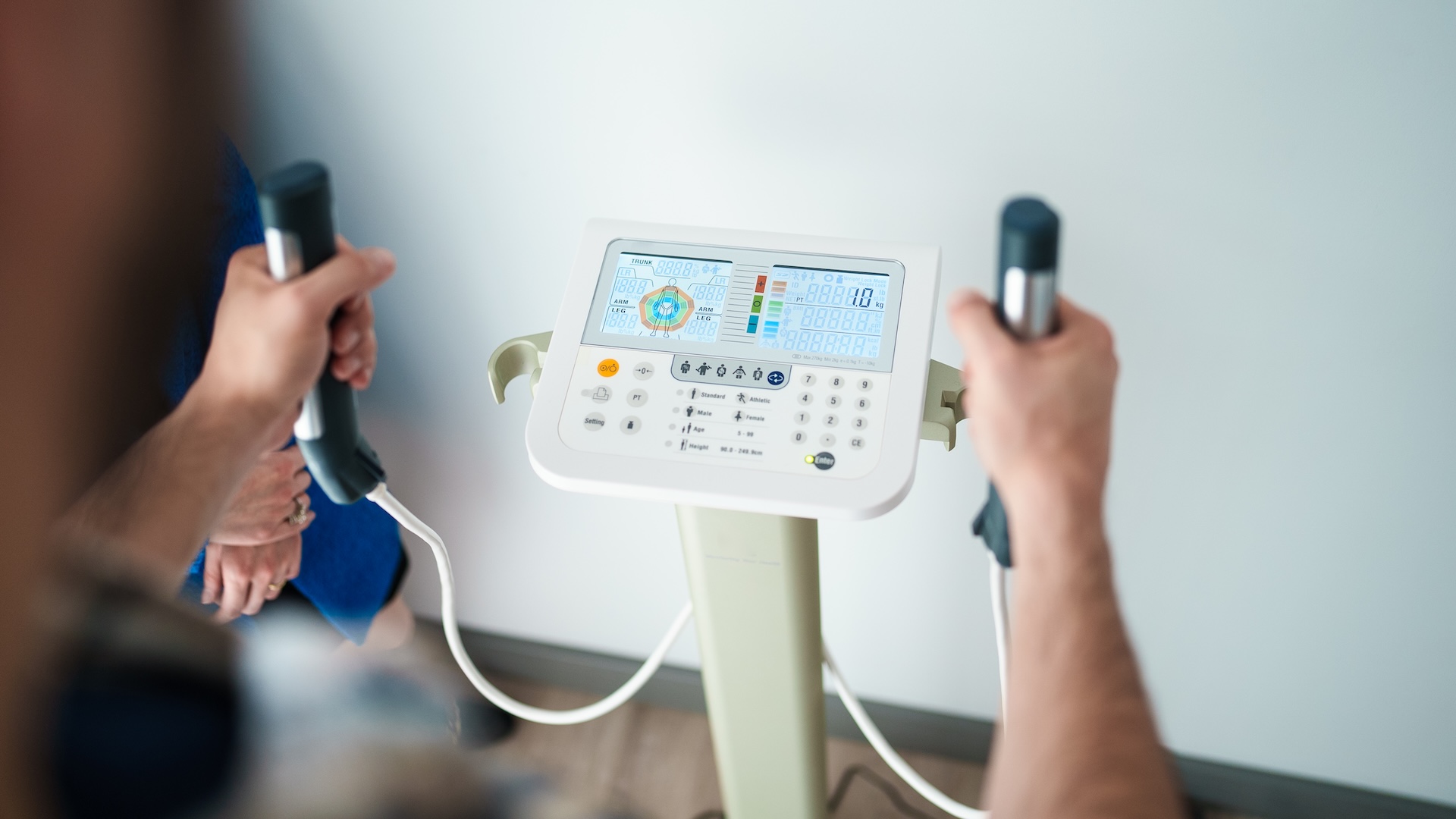
Body composition tests, which measure body fat and muscle mass, are becoming more popular as they provide a more accurate picture of health compared to BMI. These tests, such as DEXA scans and bioelectric impedance analysis, are increasingly available in gyms and medical settings. They help individuals track fitness progress more effectively, showing gains in muscle and reductions in body fat, which are important for overall health and longevity.
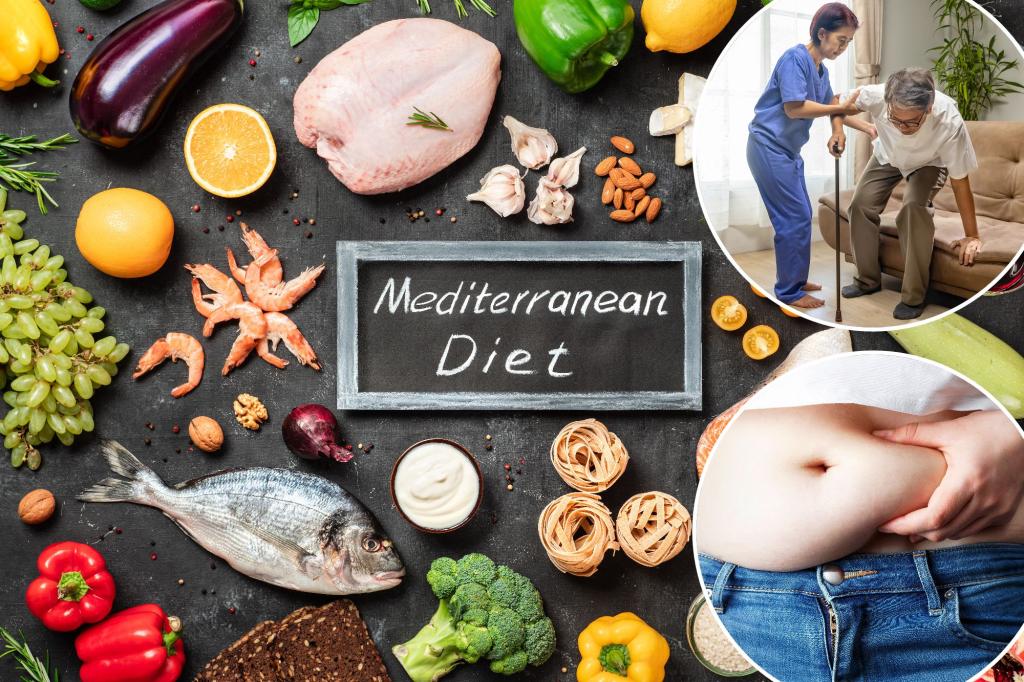
A study published in JAMA Network Open suggests that a lower-calorie, plant-forward Mediterranean diet combined with increased physical activity can help reduce body fat and prevent muscle loss in middle-aged and older adults. The study involved 1,521 participants and found that those following the lower-calorie Mediterranean diet with exercise experienced significant reductions in body fat and an increase in lean mass, while those receiving only general dietary advice had minimal changes in body composition. The findings highlight the importance of maintaining a healthy weight and the potential benefits of adopting a plant-forward diet and regular physical activity for improving body composition and overall health as we age.
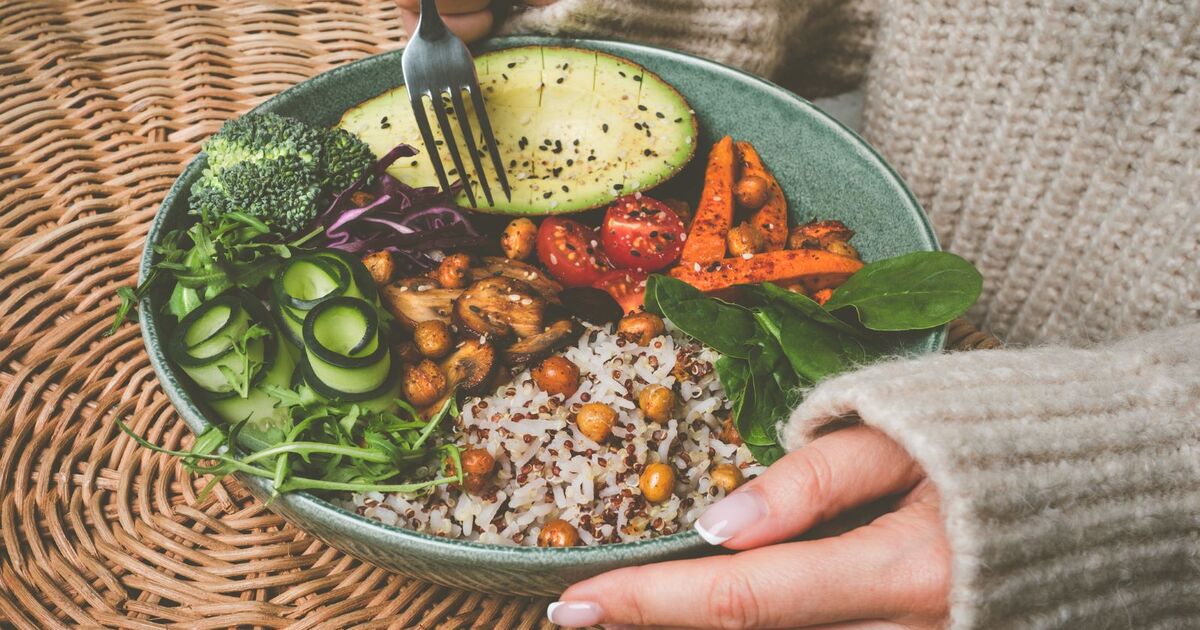
A new study from PREDIMED-Plus reveals that following an energy-reduced Mediterranean diet and increasing physical activity can counter aging-related weight gain and muscle loss. The study showed that participants experienced significant improvements in body composition, including a 5% or greater reduction in fat mass and visceral fat mass, and loss of lean muscle mass after just one year. The Mediterranean diet, which emphasizes whole foods, vegetables, legumes, healthy fats, and fish, has been touted as the healthiest diet in the world. Incorporating more vegetables and fresh herbs is a key aspect of the diet that is often overlooked. The study highlights the importance of both diet and physical activity in maintaining a healthy body weight and overall health.
Older adults who followed a lower calorie Mediterranean diet and increased their physical activity experienced improvements in body composition, according to a study published in JAMA Network Open. The study involved 1,521 men and women aged 55 to 75 without a history of cardiovascular events. Participants who followed the Mediterranean diet and engaged in aerobic physical activity had significant reductions in total body fat mass and an increase in total lean mass. These changes are associated with improved health outcomes, such as reduced risk of cardiovascular disease and type 2 diabetes. The Mediterranean diet, which emphasizes plant-based foods, fresh fruits and vegetables, whole grains, nuts, legumes, fish, and lean meats, has numerous health benefits and can help older adults maintain muscle mass while losing body fat.
The American Medical Association (AMA) has advised doctors to consider other factors besides BMI in determining whether a patient is at a healthy weight, as the measure does not predict disease risk equally well across racial and ethnic groups. The AMA's new policy also says BMI should not be used as a sole criterion for denying insurance reimbursement.
Blake Lively's trainer, Don Saladino, emphasizes healthy habits and body composition over calorie counting and extreme fitness goals. He encourages clients to eat more food, prioritize lean protein, and add in colorful fruits and vegetables. Saladino also stresses the importance of hydration, quality sleep, and consistent movement, including walking. He advises clients to limit alcohol consumption and pick their battles when it comes to indulging. Saladino's Train Like Blake program focuses on building lean muscle and burning fat without massive restrictions.
Fitness expert Katie Kollath recommends dumbbell exercises for women to melt belly fat and improve body composition. Compound movements like dumbbell squats and Romanian deadlifts engage multiple muscle groups, leading to increased muscle mass, metabolism, and calorie burn. Plank dumbbell drags combine planks and upper body movements for greater fat loss and physical fitness. Dumbbell shoulder presses and rows activate core and upper body muscles. Prioritize proper form over weight and stop if experiencing pain or discomfort.