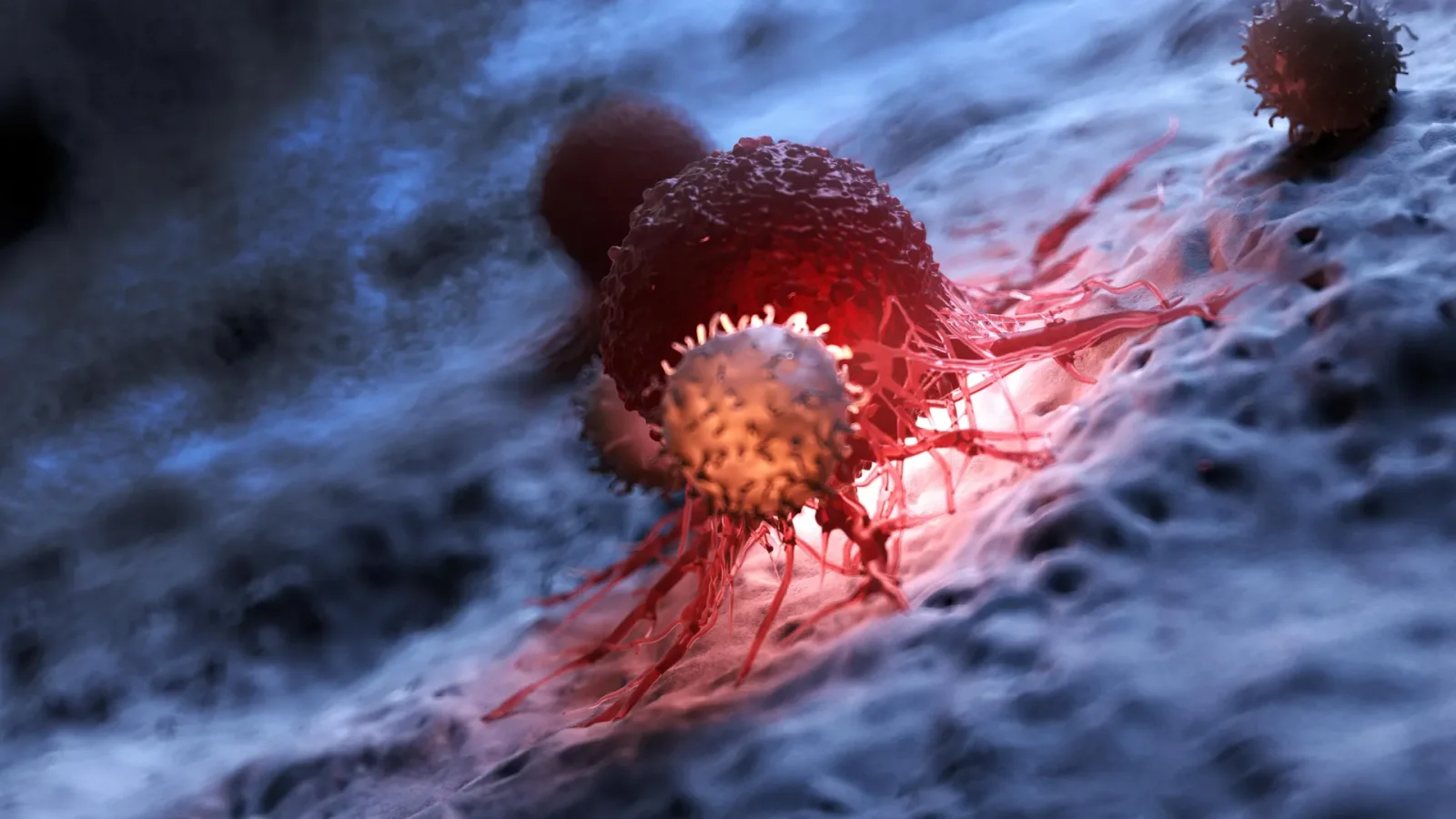
A Tel Aviv University study reveals that melanoma cells release extracellular vesicles that disable immune cells, providing new insights that could lead to improved treatments for skin cancer.
Research from Touro University reveals that vigorous exercise increases extracellular vesicles in the blood that transport hormone precursors like POMC more efficiently across biological barriers, including the blood-brain barrier, potentially impacting stress, mood, metabolism, and drug delivery.
Columbia scientists developed a yogurt-derived, injectable healing gel that promotes tissue regeneration by utilizing extracellular vesicles from milk, demonstrating promising results in mouse models for blood vessel formation and tissue repair without added chemicals.
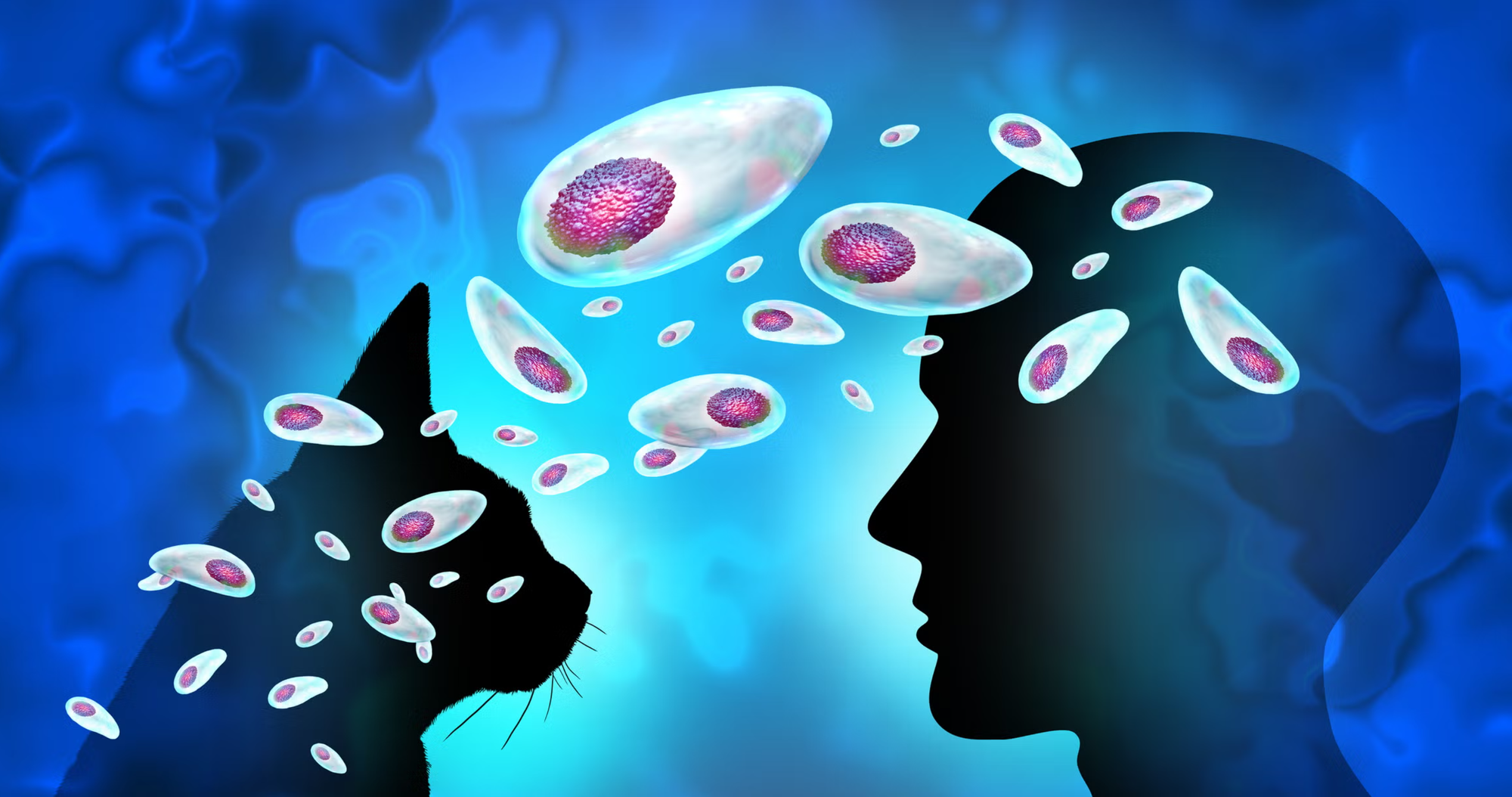
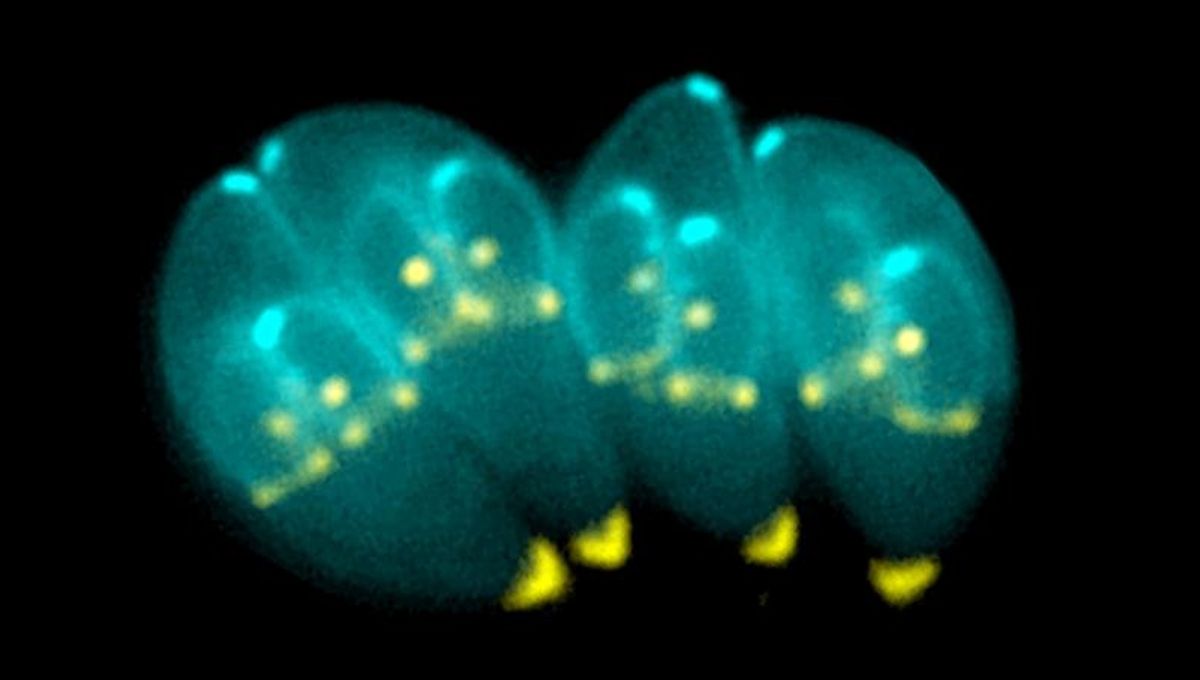
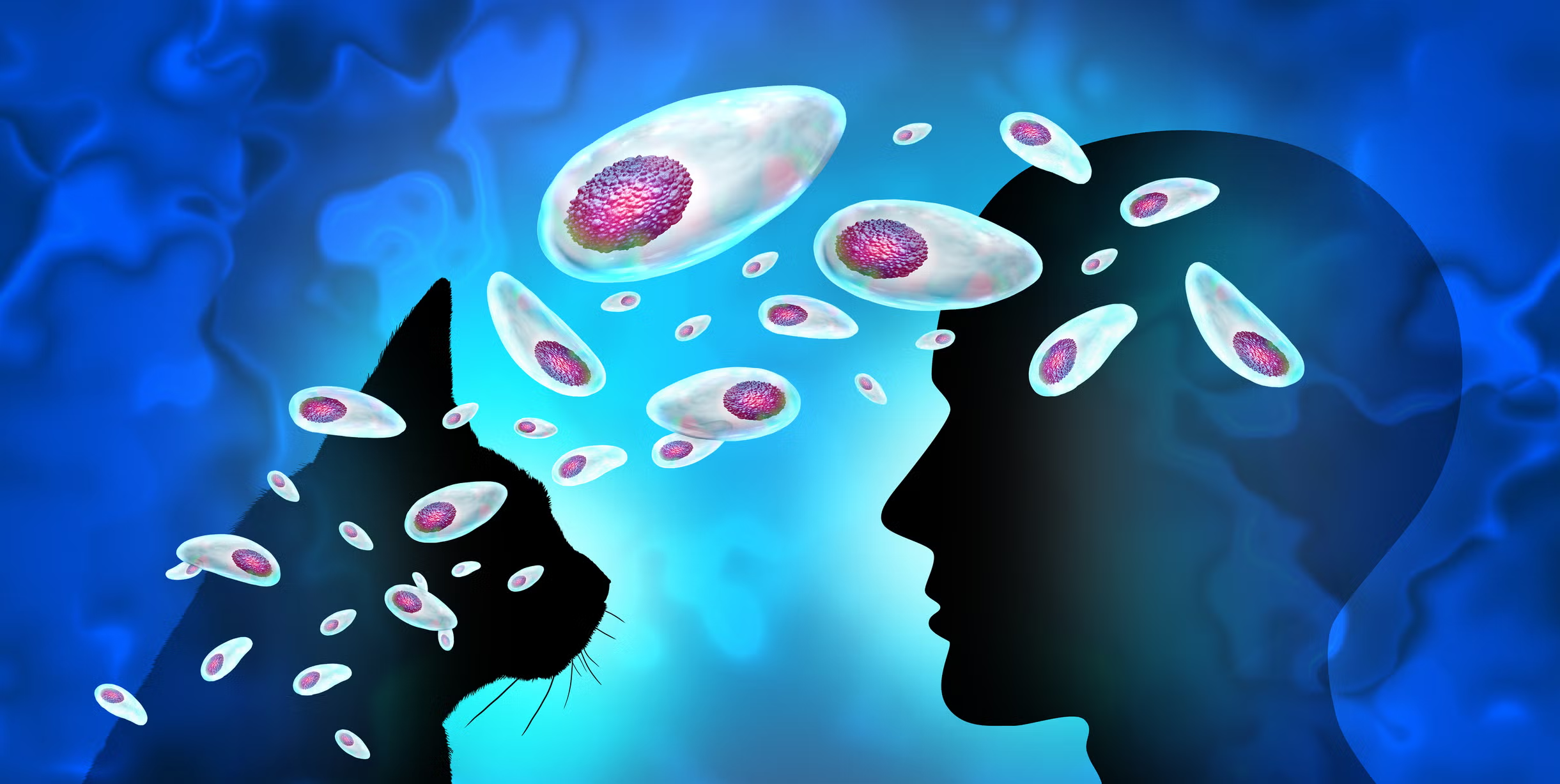
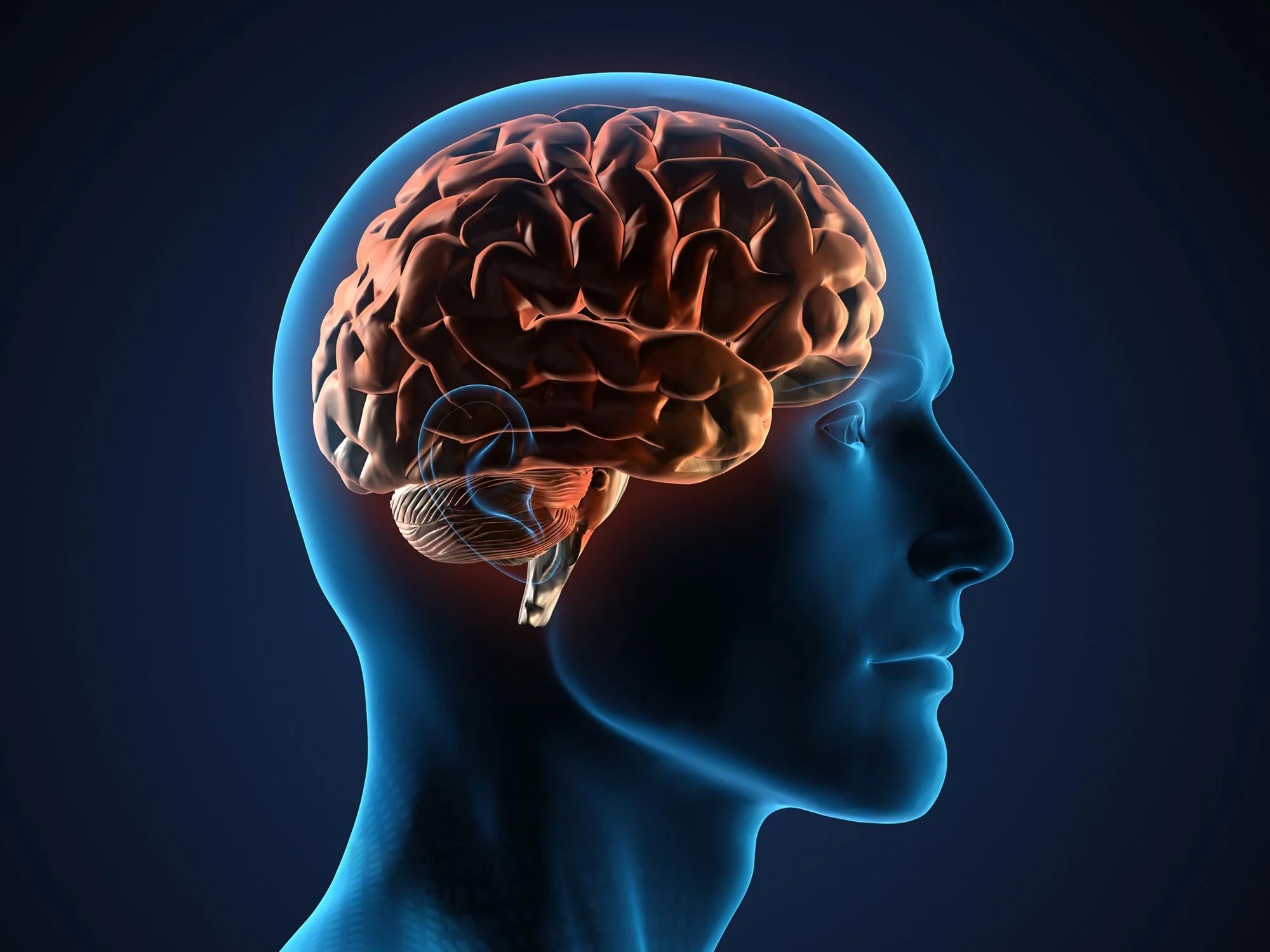
Nearly one-third of Americans are infected with Toxoplasma gondii, a parasite that silently alters brain function by disrupting neuron-astrocyte communication through changes in extracellular vesicles, potentially increasing risks for neurological disorders and offering new avenues for detection and treatment.
New research shows that the brain parasite Toxoplasma gondii disrupts neuron communication by reducing extracellular vesicle signaling, which may contribute to neurological and behavioral conditions; detection and treatment strategies are being explored.
Scientists at UC Riverside discovered that the parasite Toxoplasma gondii disrupts brain cell communication by reducing extracellular vesicle signaling, which can affect neural balance and potentially lead to neurological issues, highlighting new avenues for diagnosis and treatment of brain infections.
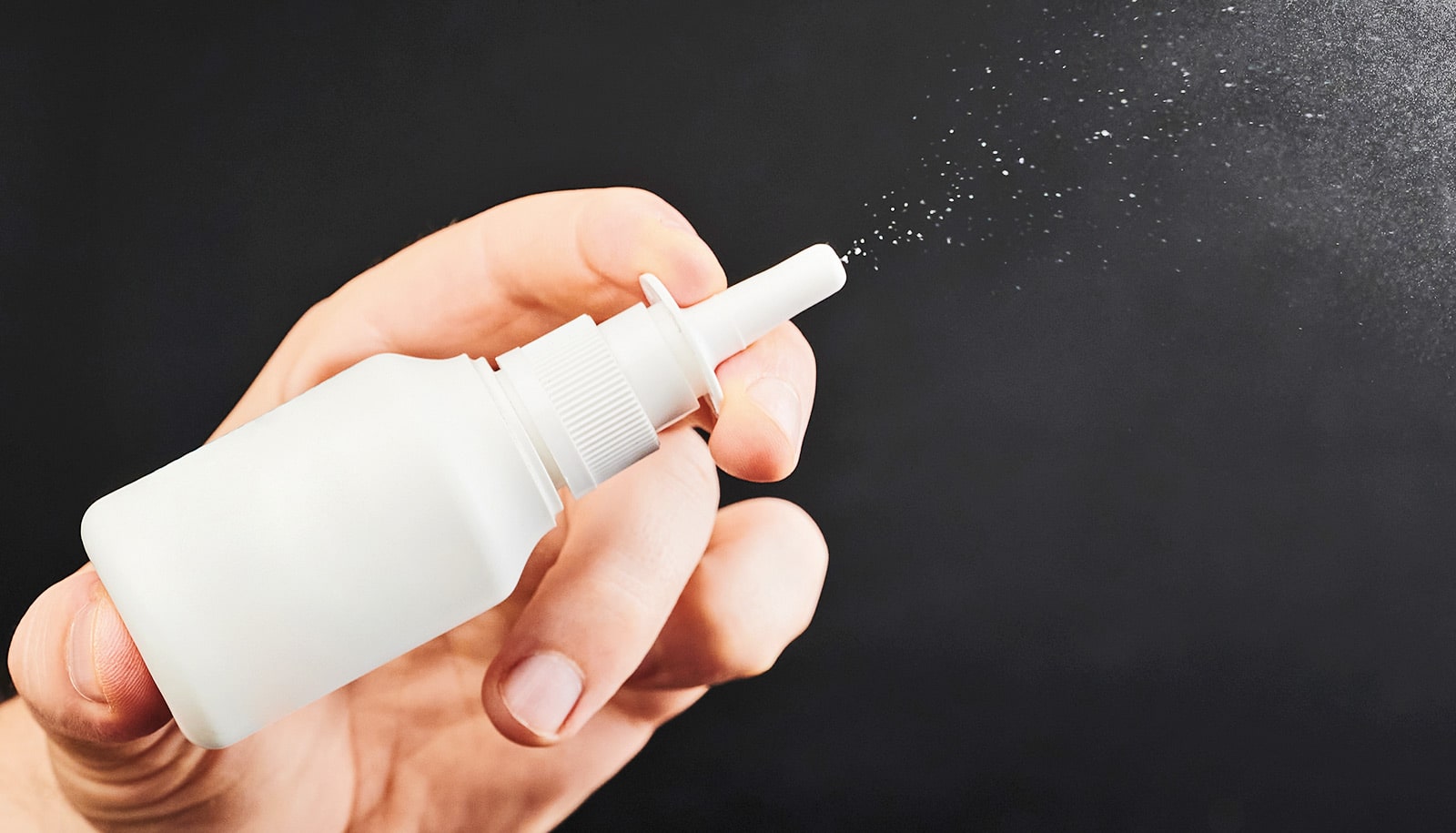
Researchers at Texas A&M University have developed a nasal spray therapy that shows promise in delaying Alzheimer's disease progression by targeting brain inflammation and reducing harmful proteins. Tested in animal models, this treatment could extend cognitive function by 10-15 years, offering a potential breakthrough in Alzheimer's care. The therapy utilizes neural stem cell-derived extracellular vesicles to alter microglia gene expression, reducing proinflammatory proteins while maintaining the ability to clear Alzheimer's-related plaques.
Researchers at Texas A&M University have developed a potential treatment for Alzheimer's disease using a nasal spray containing extracellular vesicles derived from human neural stem cells. This non-invasive method targets chronic neuroinflammation, reducing amyloid-beta plaques and Tau accumulation, and improving cognition and mood in animal models. The treatment alters microglia gene expression, reducing harmful inflammation while maintaining their ability to clear amyloid-beta. The approach could delay Alzheimer's progression by 10 to 15 years, with further studies planned to confirm its efficacy.
Researchers at the University of Rochester have developed a new method called "catch and display for liquid biopsy" (CAD-LB) that uses ultrathin membranes to capture extracellular vesicles (EVs) from a single drop of blood. This method simplifies the process of identifying EVs, which carry important biomarkers, making it faster and more cost-effective for cancer diagnosis and monitoring treatment progress. The technique also shows potential for detecting immune proteins, aiding in the selection of personalized immunotherapies.
Johns Hopkins researchers are making progress in developing a blood test that could detect changes in the brain associated with psychiatric and neurological disorders by examining extracellular vesicles in the blood, which carry messenger RNA reflecting changes in brain tissues. This advancement could lead to early detection of mental health emergencies and the development of a simple blood test for identifying brain disorders involving mood, schizophrenia, epilepsy, and substance abuse. The researchers also hope their work will pave the way for the next generation of prenatal tests, enabling doctors to screen for health issues in babies by drawing blood from the mother.
A recent study has revealed that extracellular vesicles from the placenta play a crucial role in transporting biological information to the developing fetal brain. This discovery could potentially lead to earlier diagnosis and prevention of neurobehavioral disorders such as autism spectrum disorders (ASD) and schizophrenia. The research has also highlighted the negative impact of prenatal exposure to substances like opioids and BPA on brain development and behavior. Understanding how biological information is transferred during pregnancy could revolutionize prenatal care and interventions.
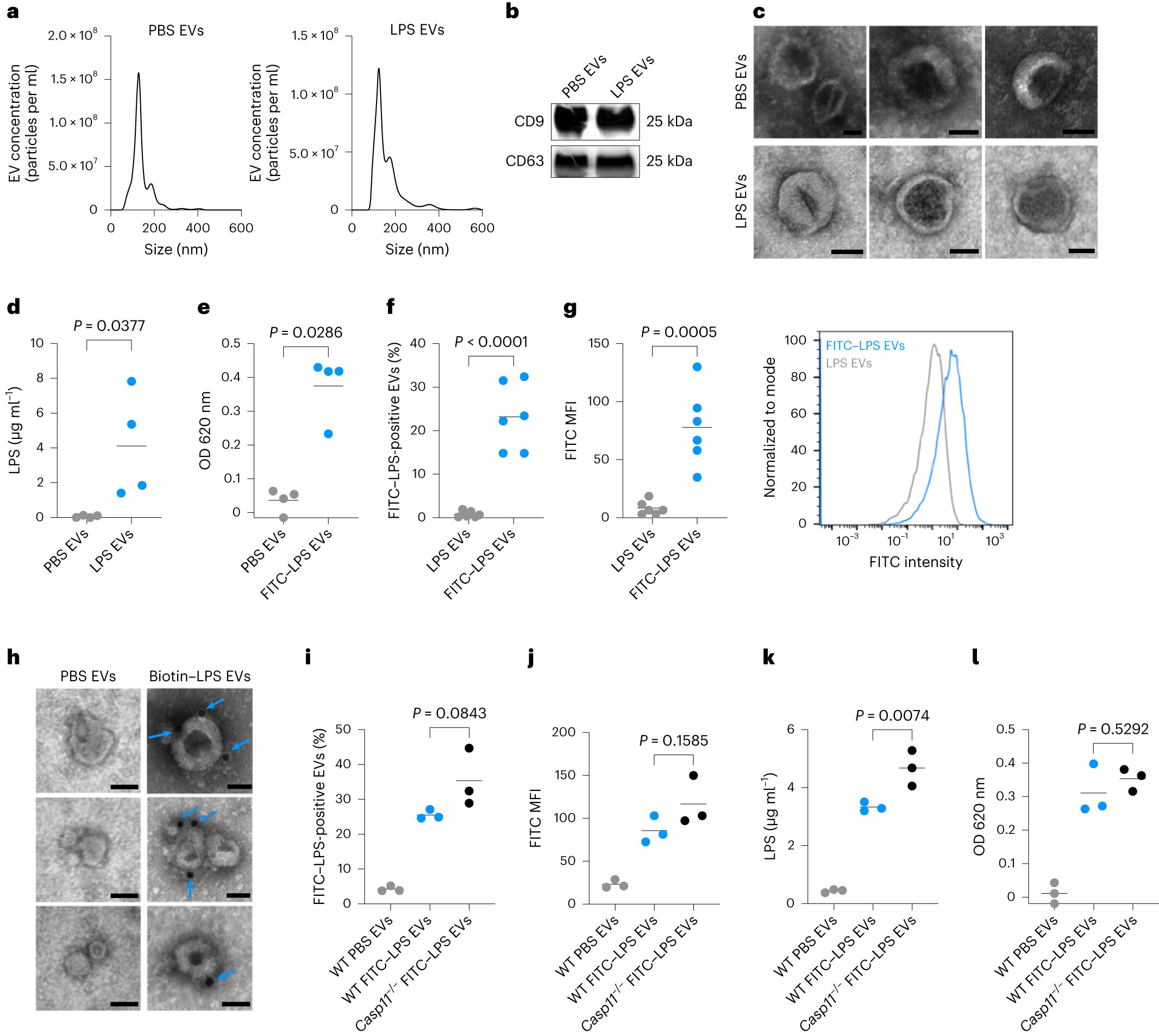
Researchers at the University of Connecticut have discovered that extracellular vesicles (EVs), tiny bubbles produced by human cells, can pick up bacterial products and deliver them to other cells. This finding sheds light on how bacteria, whether beneficial or infectious, impact our health. The EVs act as messengers, carrying molecules that inform the behavior and growth of the receiving cells. Additionally, the EVs can capture pieces of bacteria, which are then transported inside human cells. This mechanism plays a role in immune surveillance and can either help maintain proper bodily functions or lead to inflammation, depending on the type of bacteria and product involved.
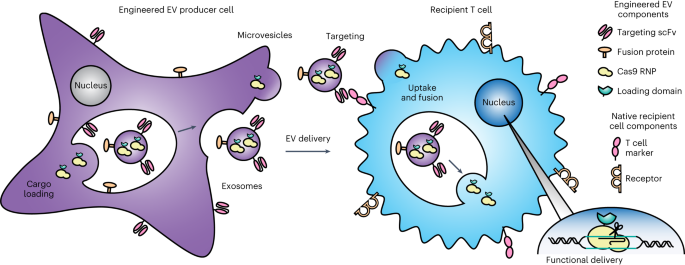
Scientists have developed a method to genetically encode multiple functionalities into extracellular vesicles (EVs) for targeted delivery of biologics to T cells. EVs, such as exosomes, have shown promise as vehicles for therapeutic cargo delivery, but their targeting capabilities have been limited. By engineering EVs to express specific ligands or antibodies on their surface, researchers were able to enhance their binding and uptake by T cells. This approach could potentially improve the efficacy of T cell-based therapies and expand their applications in treating various diseases.
A study led by researchers from the Max Planck Institute for Marine Microbiology has revealed the significant role of extracellular vesicles (EVs) in horizontal gene transfer among ocean microorganisms. Previously, it was believed that gene exchange mainly occurred through direct cell contacts, free-floating DNA, or viruses. However, this study shows that EVs play a crucial role in transferring genetic information in the ocean, challenging existing beliefs and introducing the term "protected extracellular DNA" (peDNA) to encompass the diversity of genetic carriers beyond viruses. The findings open up new avenues for research in various ecosystems and highlight the importance of EVs in cell communication.
Researchers at Vanderbilt University have developed a high-throughput plasmonic nanotweezer technology called "Geometry-induced Electrohydrodynamic Tweezers" (GET) that can rapidly and precisely trap nanoscale objects, such as potentially cancerous extracellular vesicles, near plasmonic cavities. This breakthrough technology allows for the parallel trapping and positioning of single nanoscale biological objects in a matter of seconds without any harmful heating effects. The researchers believe that this advancement will enable a better understanding of the fundamental roles of extracellular vesicles in diseases like cancer.