Grail's Galleri blood test for early cancer detection failed to meet its primary endpoint in a large NHS-backed study, renewing questions about its clinical utility despite some detected benefits. Grail reported selling 185,000 tests in 2025 for $136.8 million, and its stock fell about 47% after hours following the setback.
Danaher will acquire Masimo for $9.9 billion, paying $180 per share and a 38.3% premium to Masimo's last close, to broaden its diagnostics portfolio with Masimo's non-invasive monitoring devices; the deal is expected to close by the second half of 2026, Masimo shares jumped while Danaher's fell on the news.
Danaher announced a definitive agreement to acquire Masimo for $180 per share in cash, valuing Masimo at about $9.9 billion including debt and net cash. The deal, which translates to roughly 18x 2027 EBITDA (or 15x with expected synergies), would make Masimo a standalone operating company within Danaher’s Diagnostics segment. Masimo is expected to be accretive to adjusted diluted EPS by $0.15–$0.20 in the first full year and about $0.70 in year five, with long-term high-single-digit core revenue growth and over $530 million in EBITDA in 2027. Danaher also expects more than $125 million of annual cost synergies and over $50 million of annual revenue synergies by the fifth full year post-close. The transaction is targeted to close in the second half of 2026, subject to regulatory approvals, Masimo shareholder approval, and other customary conditions; financing will come from cash on hand and debt. Advisors named include Citi and Goldman Sachs for Danaher, with Kirkland & Ellis as legal counsel.
Endometriosis is often diagnosed only after years of medical visits, but startups are racing to develop biomarker-based tests using blood, menstrual fluid, saliva, and stool to speed and improve diagnosis, inspired by patients like María Teresa Pérez Zaballos who spent years seeking a diagnosis and went on to found Endogene.Bio.
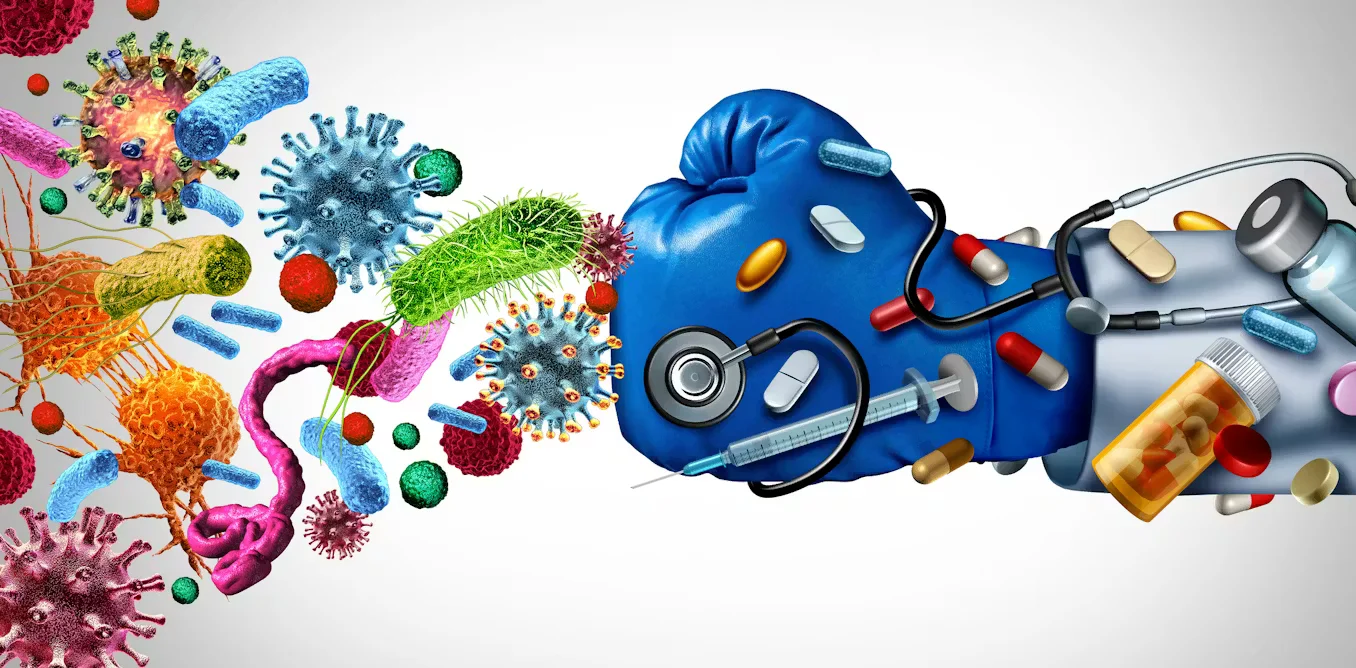
Antibiotic resistance threatens a century of medical progress, but four broad advances are reshaping the landscape: faster, on-site diagnostics; expansion beyond traditional antibiotics through nontraditional therapies (including bacteriophages and microbiome-based approaches and CRISPR antimicrobials); recognizing resistance spreads across ecosystems with One Health approaches; and policy reforms to incentivize antibiotic development, aiming to diagnose earlier, widen treatment options, and safeguard medicines for the future.
Abbott reported Q4 2025 GAAP EPS of $1.01 and adjusted EPS of $1.50 (up 12%), and full-year 2025 sales of $44.3B with adjusted EPS of $5.15 (up 10%). For 2026, it guides organic sales growth of 6.5%–7.5% and adjusted EPS of $5.55–$5.80 (about 10% at the midpoint). The company also plans to close its Exact Sciences acquisition in Q2 2026 to expand cancer diagnostics, announced regulatory advances in electrophysiology and ablation, and declared a quarterly dividend of $0.63.
Live Science reports on SPARDA, a kamikaze-like bacterial defense system that sacrifices infected cells to prevent the spread of invaders. Scientists mapped SPARDA’s beta-relay switches in argonaute proteins with AlphaFold, revealing a self-destruct mechanism that activates in response to threats and can form DNA‑degrading chains. While SPARDA naturally guards bacteria, researchers see potential to repurpose it for diagnostics and other biotech tools, offering a CRISPR‑alternative route that could broaden target flexibility in detecting pathogens.
A revolutionary breakthrough could soon enable testing for Alzheimer's disease through a simple finger prick, potentially allowing for earlier diagnosis and treatment.
A new rapid test for urinary tract infections can quickly identify the most effective antibiotic for each patient, reducing diagnosis time by up to 24 hours and potentially decreasing the use of broad-spectrum antibiotics, thereby helping to combat antibiotic resistance.
Scientists have developed a highly accurate (96%) blood test for diagnosing Chronic Fatigue Syndrome (ME/CFS) using DNA folding technology, which could improve diagnosis and treatment, and may also aid in diagnosing long Covid.
Scientists have developed a low-cost, portable saliva biosensor that can detect BDNF levels in under three minutes, potentially aiding early diagnosis and monitoring of mental health conditions like depression and schizophrenia, with each test costing around $2.19.
Innovative startups and research groups are exploring the potential of menstrual blood as a noninvasive, at-home diagnostic tool for gynecological conditions like endometriosis, leveraging its unique cellular and molecular content to improve early detection and treatment, despite current funding and societal challenges.
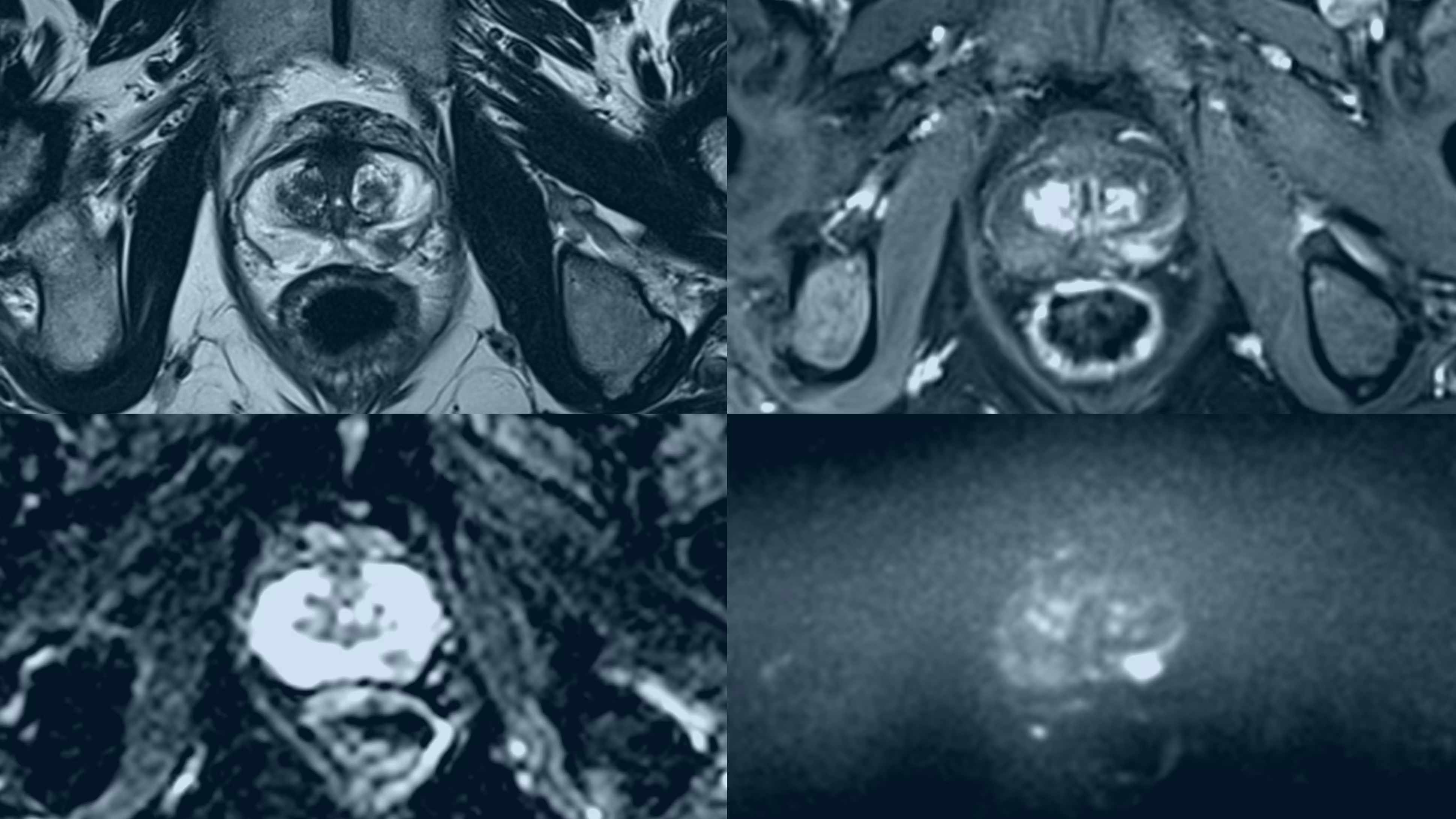
A recent study shows that prostate cancers can be detected using shorter, more affordable scans, potentially improving early diagnosis and reducing healthcare costs.
Simone Gibertoni, CEO of Clinique La Prairie, discusses advancements in longevity, including AI-driven diagnostics and holistic wellness strategies, exploring the future of extending human lifespan in the context of the booming $2tn global wellness market.
Research suggests that certain gait patterns, such as toe-walking or specific arm movements, could be indicators of autism, but these are not definitive and may be influenced by various factors. The article discusses the complexity of diagnosing autism based on physical behaviors and emphasizes the importance of tolerance and understanding of neurodiversity.