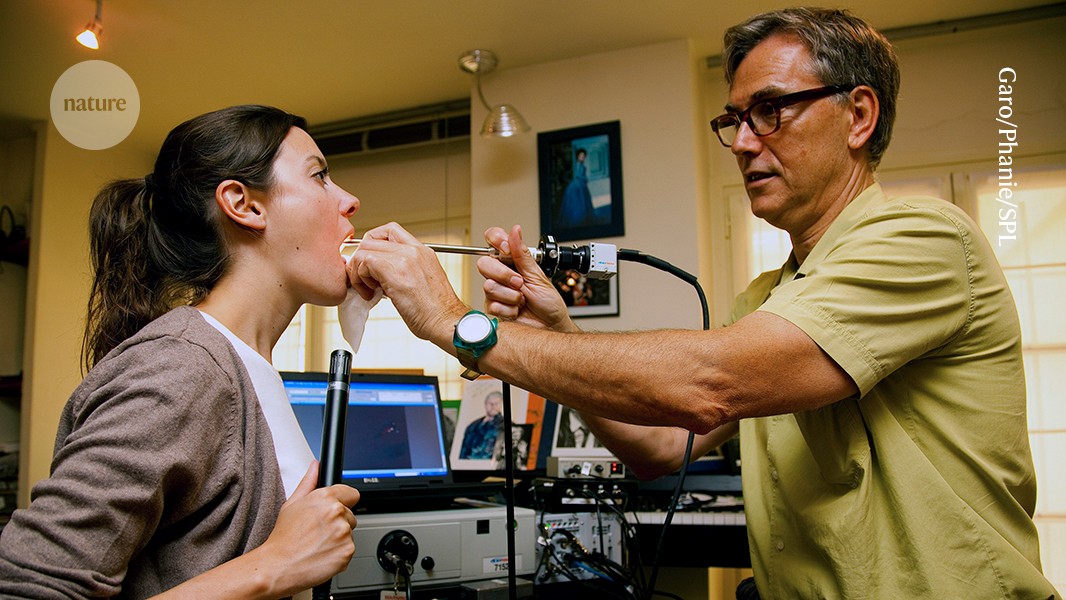
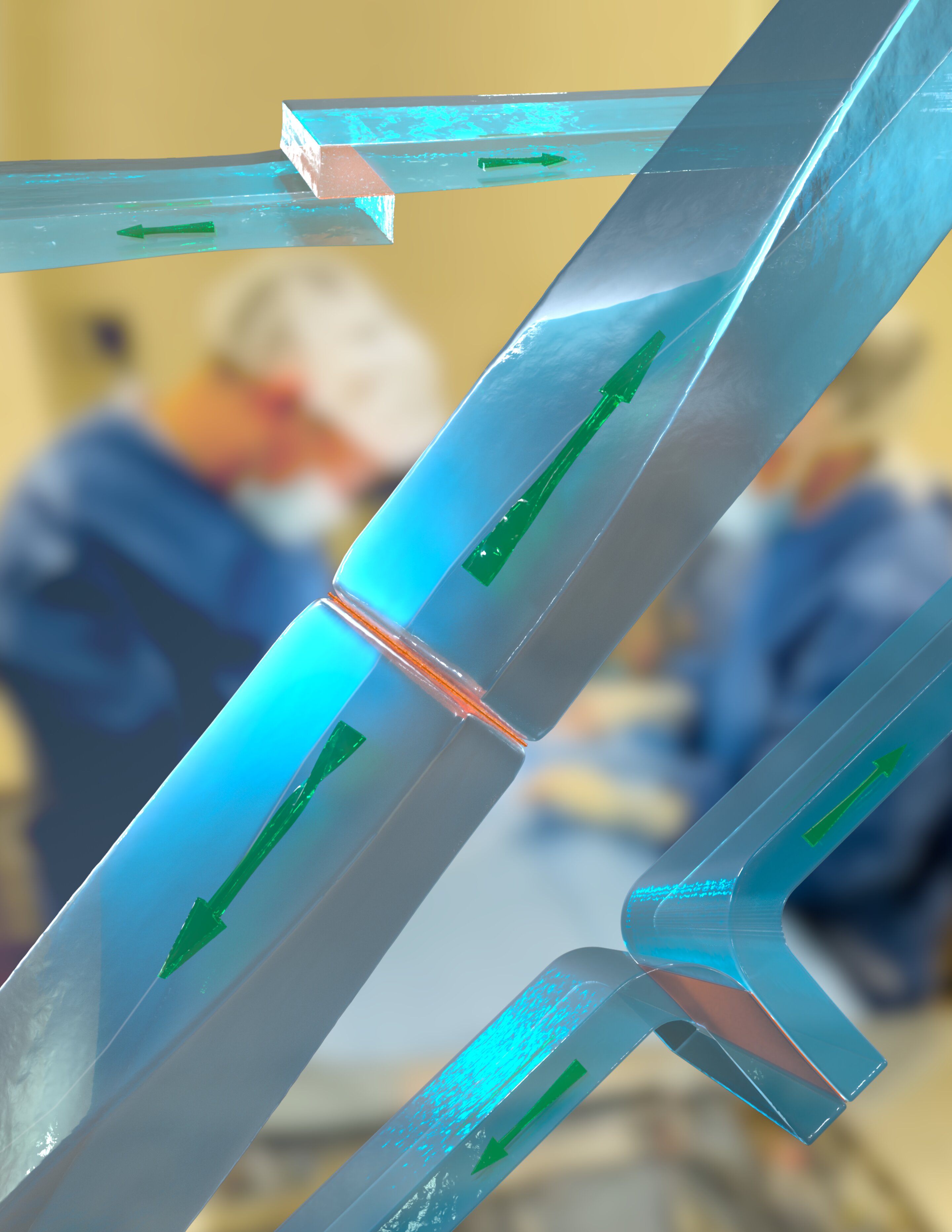
Researchers have developed the world's smallest 3D bioprinter, inspired by an elephant's trunk, capable of delivering healing hydrogels through a surgical scope to aid in vocal cord repair, potentially improving outcomes for patients post-surgery.
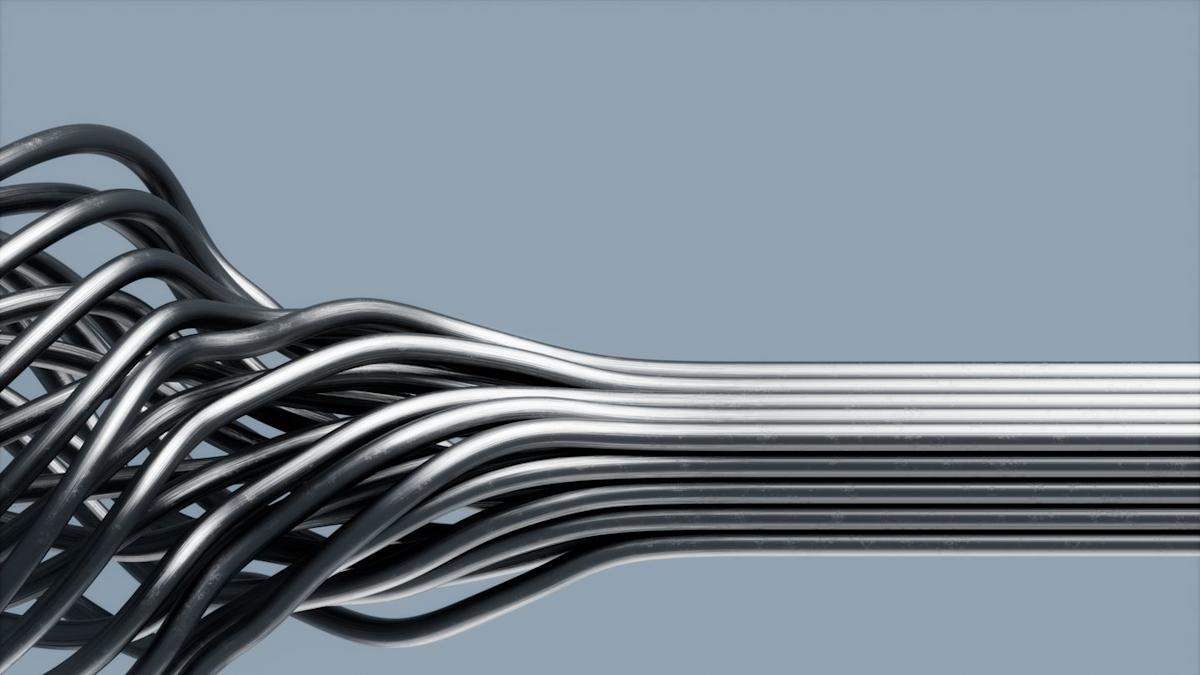
Scientists have developed a new method using vat photopolymerization and hydrogels to grow metal structures that are 20 times stronger than traditional 3D-printed metals, overcoming previous limitations of porosity and shrinkage, though the process is currently time-consuming.
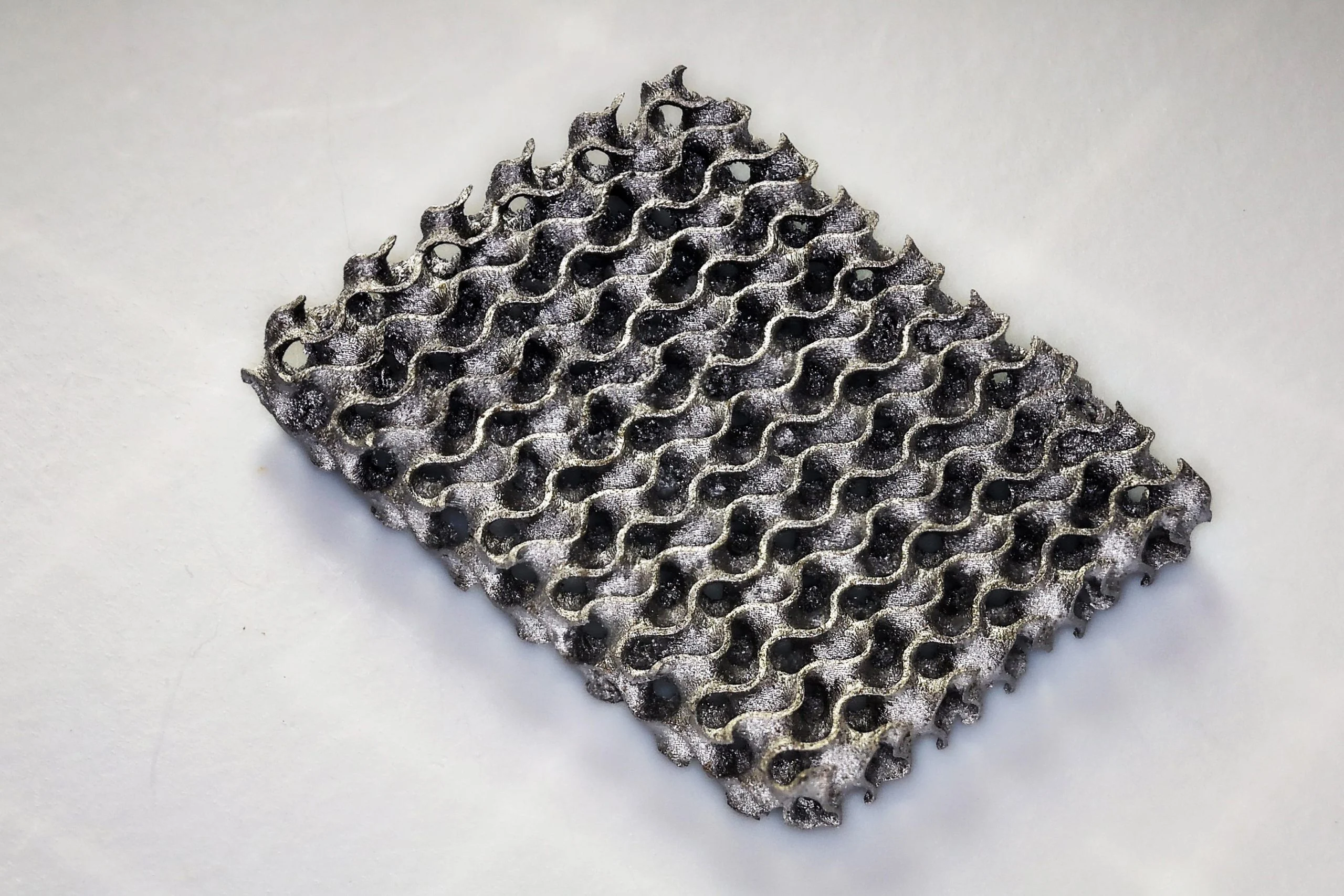
EPFL scientists developed a novel 3D printing method using hydrogels as templates to produce ultra-dense, strong metals and ceramics, which are significantly more durable and less prone to warping than traditional methods, with potential applications in energy, sensors, and biomedicine.
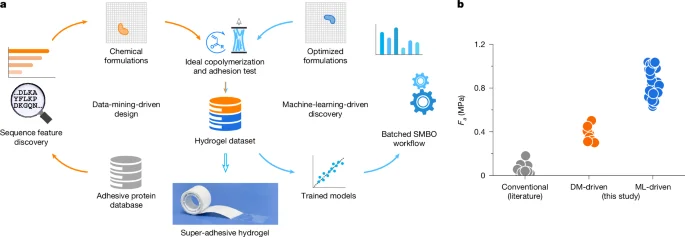
Researchers developed a data-driven approach combining data mining, experimentation, and machine learning to design super-adhesive hydrogels inspired by adhesive proteins, achieving underwater adhesion strengths exceeding 1 MPa and demonstrating potential for various applications including biomedical and marine environments.
Columbia scientists developed a yogurt-derived, injectable healing gel that promotes tissue regeneration by utilizing extracellular vesicles from milk, demonstrating promising results in mouse models for blood vessel formation and tissue repair without added chemicals.
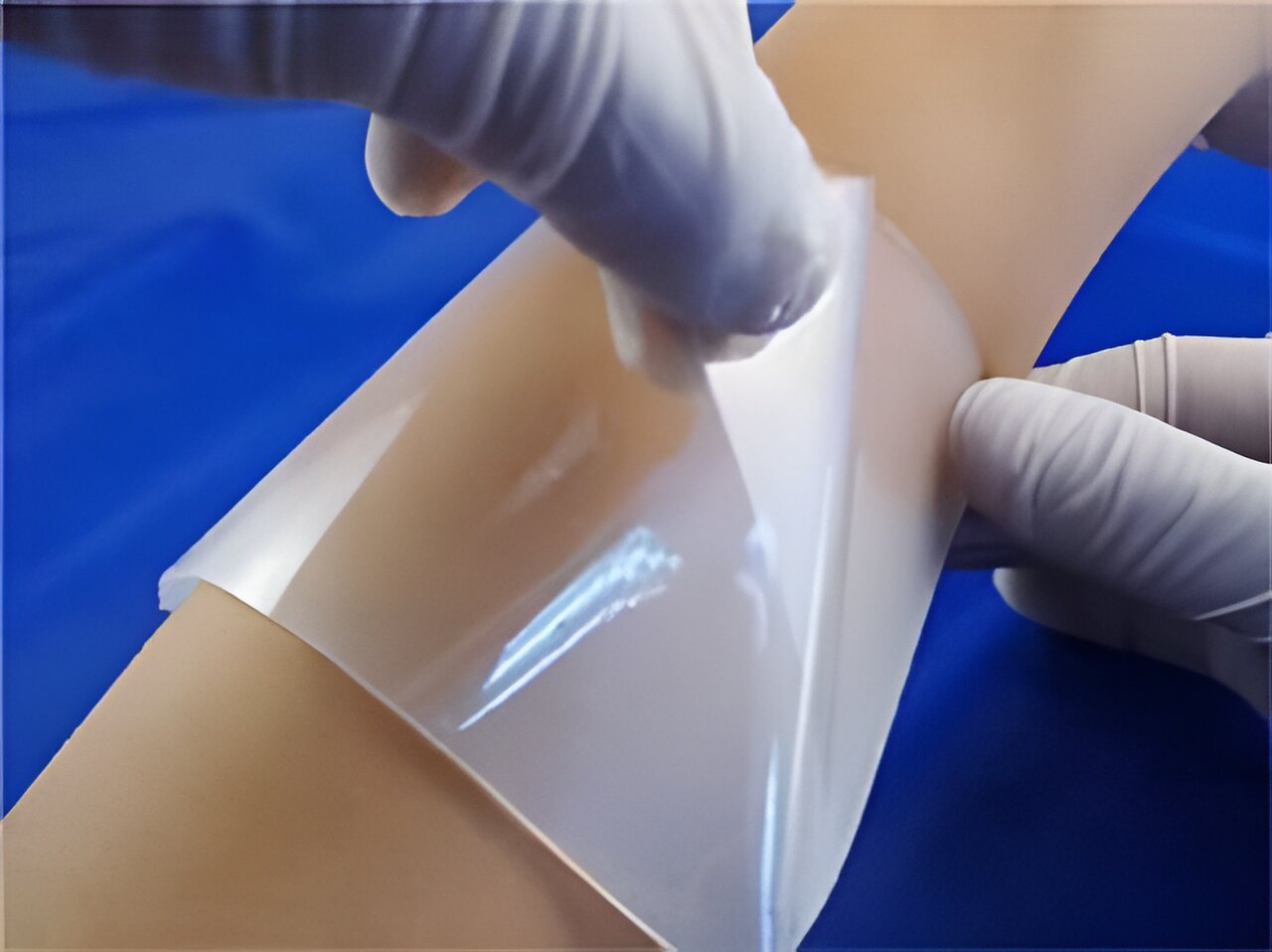
Scientists at the Wyss Institute for Biologically Inspired Engineering at Harvard University and Harvard John A. Paulson School of Engineering and Applied Sciences have developed a simple and versatile method to bond hydrogels and other polymeric materials using a thin film of chitosan, derived from shellfish. This new approach allows for rapid and strong bonding of hydrogels, opening up numerous potential applications in regenerative medicine and surgical care, such as tissue cooling, wound care, and prevention of surgical adhesions. The method could lead to the creation of devices for various medical challenges and offers elegant solutions for urgent unmet problems in regenerative and surgical medicine.
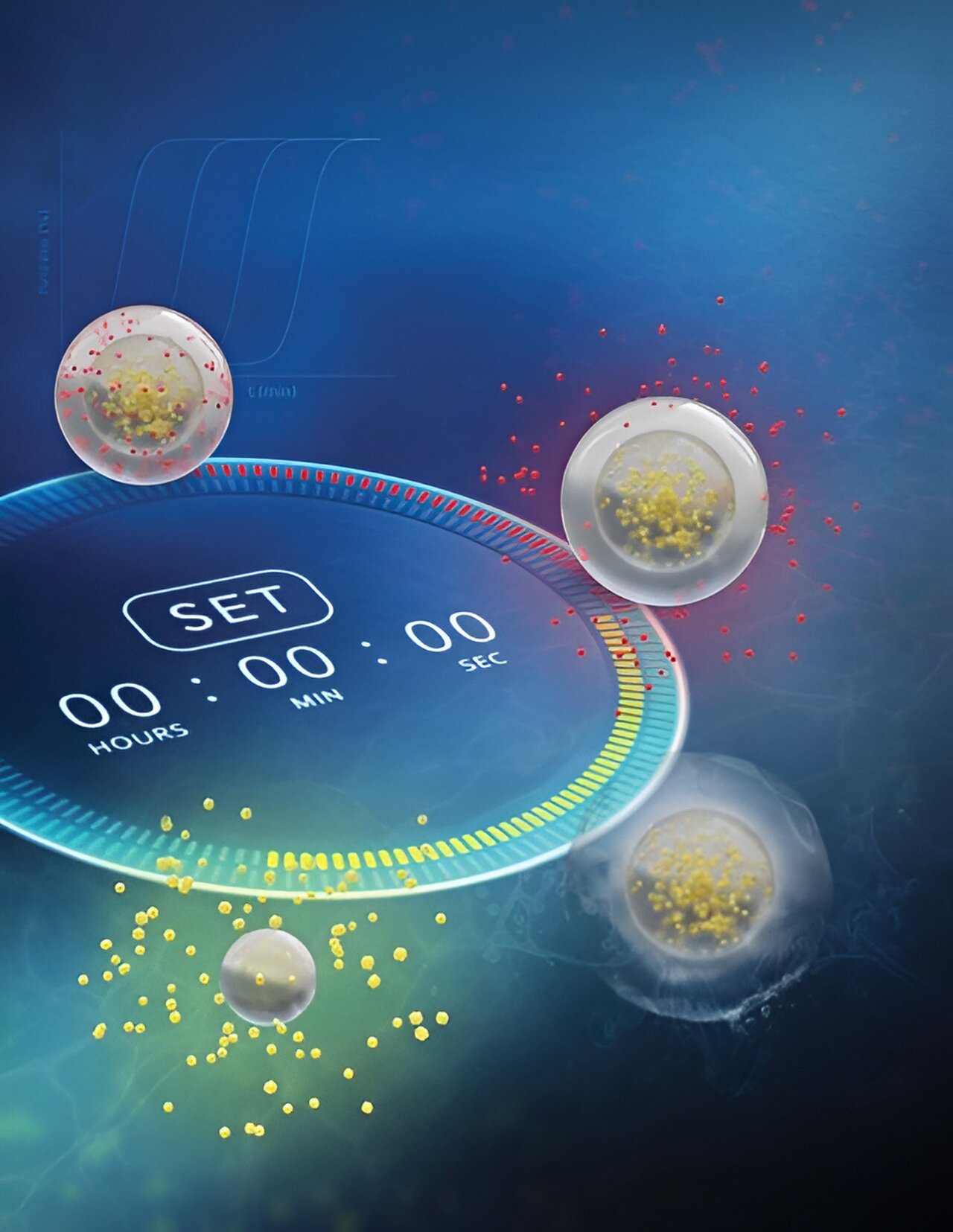
Researchers at MIT have developed a new method for processing and delivering hydrophobic drugs, which are difficult to dissolve in water. The method involves dissolving the drug in a carrier solution and generating nanodroplets dispersed in a polymer solution. These nanodroplets are then gelled into a hydrogel, which holds the drug nanocrystals in place as the carrier evaporates. The hydrogel prevents the nanodroplets from merging together, resulting in uniform nanoparticles. This approach allows for precise control over drug release, including delayed and sequential release. The process shows promise for improving drug bioavailability and enabling the combination of multiple drugs in a single pill.
Scientists from Korea have developed a new strategy to produce tissue adhesive gelatin hydrogels that can accelerate wound healing. By adding calcium peroxide to the hydrogel solution, they created gelatin-based oxygen-generating tissue adhesives (GOTs) that release molecular oxygen, promoting the oxidation and healing of wounds. These GOTs offer precise control of adhesion and mechanical properties, can deliver drugs directly to wounds, and have shown improved coagulation, blood closure, and neovascularization in in vitro and in vivo experiments. The researchers believe that these innovative hydrogels have the potential to become a cost-effective solution for wound management in a clinical setting.
Scientists have developed hydrogels that can be controlled with electricity, allowing them to be easily connected to electronic devices. These hydrogels respond to low voltage and can stretch up to 300% when electricity is applied, making them useful for various applications in materials science and responsive materials.
Scientists at MIT have discovered that light can cause water to evaporate faster than heat alone. In their experiments with water in hydrogels, they observed that light can make water evaporate up to three times faster than the theoretical limit based on heat alone. This surprising finding challenges the conventional understanding of water evaporation and opens up new possibilities for harnessing light energy in various applications.
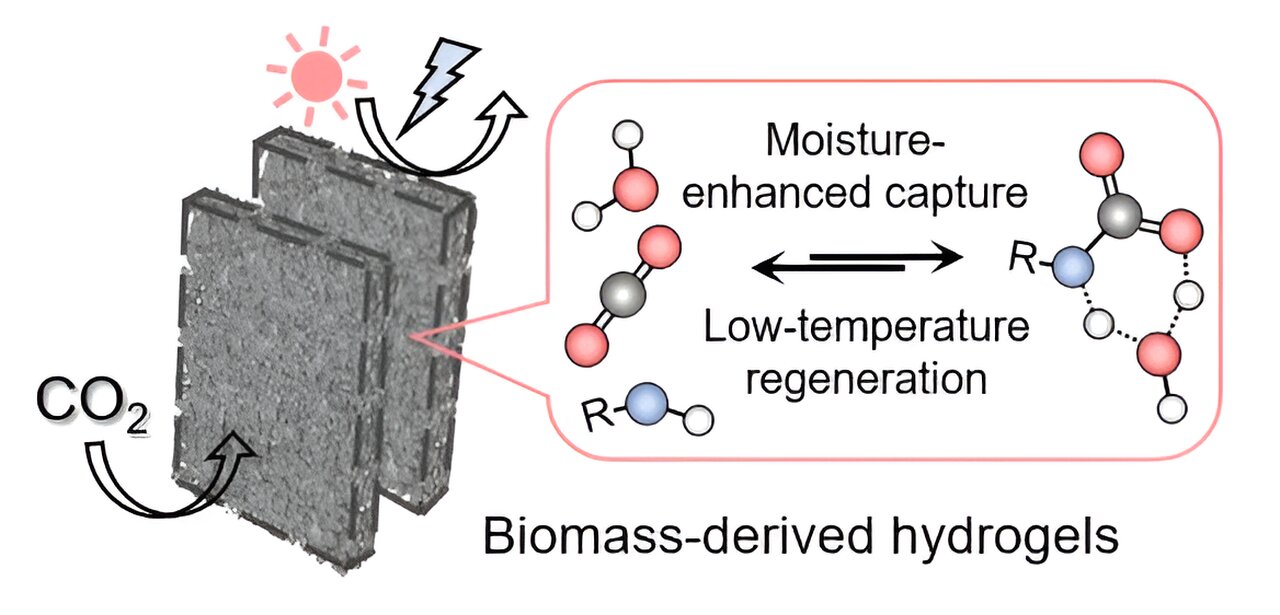
Researchers have developed sustainable carbon-capture hydrogels (SCCH) as a promising material for capturing carbon dioxide (CO2) with high uptake and low regeneration energy. The SCCH, made from low-cost biomass konjac gum, thermo-responsive cellulose, and polyethylenimine (PEI), has a unique hierarchical structure that enables CO2 transport and easy access to active amine sites. The precaptured water vapor enhances CO2 binding, leading to higher capture capacity under humid conditions. The captured CO2 can be released at a low energy supply, achieved through mild electric heating or solar irradiation at around 60°C. The ease of preparation and scalability of the gel make it a potential game-changer for sustainable air quality management and direct air capture technologies.
Researchers have developed bi-continuous conducting polymer hydrogels (BC-CPH) that can be used in 3D printing for bioelectronic interfaces. The hydrogels are made by mixing an electrical phase and a mechanical phase with an ethanol/water solvent, resulting in high mechanical stability and electrical conductivity. This new technology offers a more biocompatible and robust alternative to metal electrodes for interfacing biological and electrical systems.
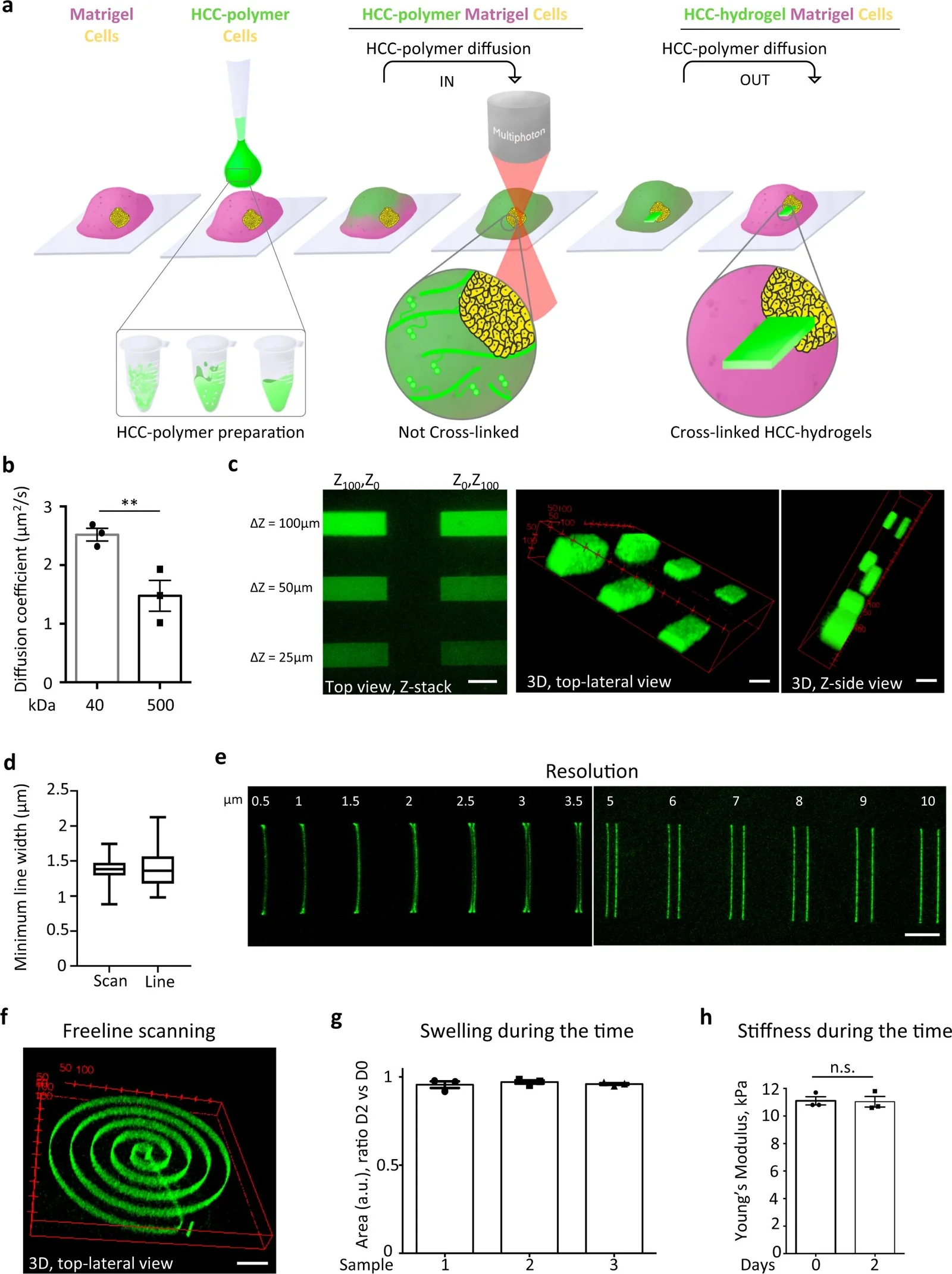
Scientists have demonstrated 3D printing inside "mini-organs" growing in hydrogels, controlling their shape, activity, and even forcing tissue to grow into "molds." This can help teams study cells and organs more accurately, create realistic models of organs and disease, and even better understand how cancer spreads through different tissues. The technique allows for the creation of solid structures within a pre-existing gel to solidify specific patterns in real-time, guiding organoids growing in the gel into a particular structure by using light from a high-specification microscope.