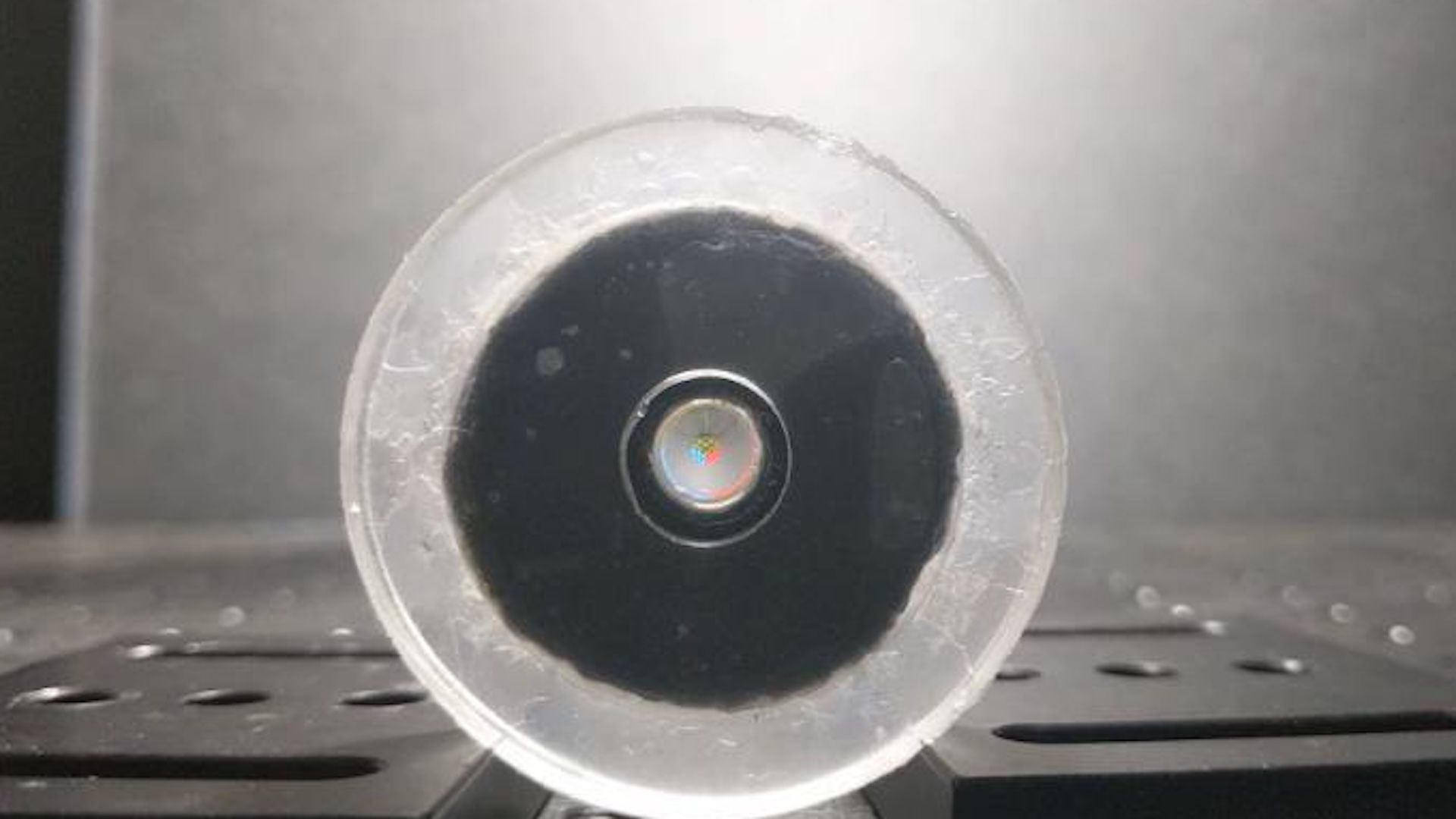
Scientists at Georgia Tech have developed a soft, hydrogel-based robotic eye that automatically focuses using light, without external power, and can distinguish tiny details, potentially enabling advanced 'soft' robots with autonomous vision capabilities.
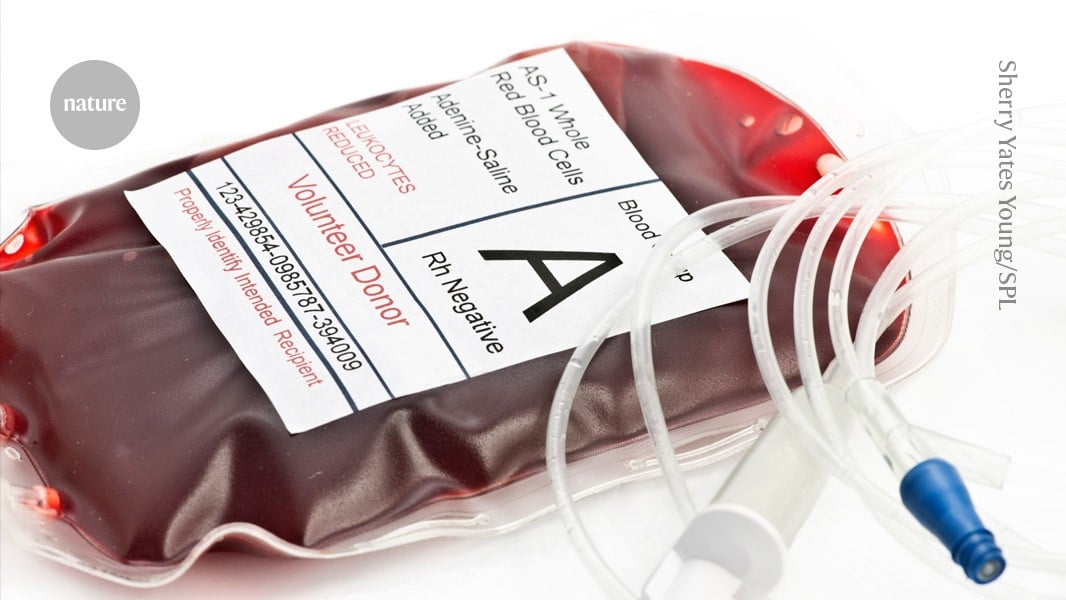
Researchers successfully converted a donor kidney's blood type from A to O using an enzyme, enabling its transplantation into a recipient, which could significantly improve organ donation accessibility and reduce wait times.
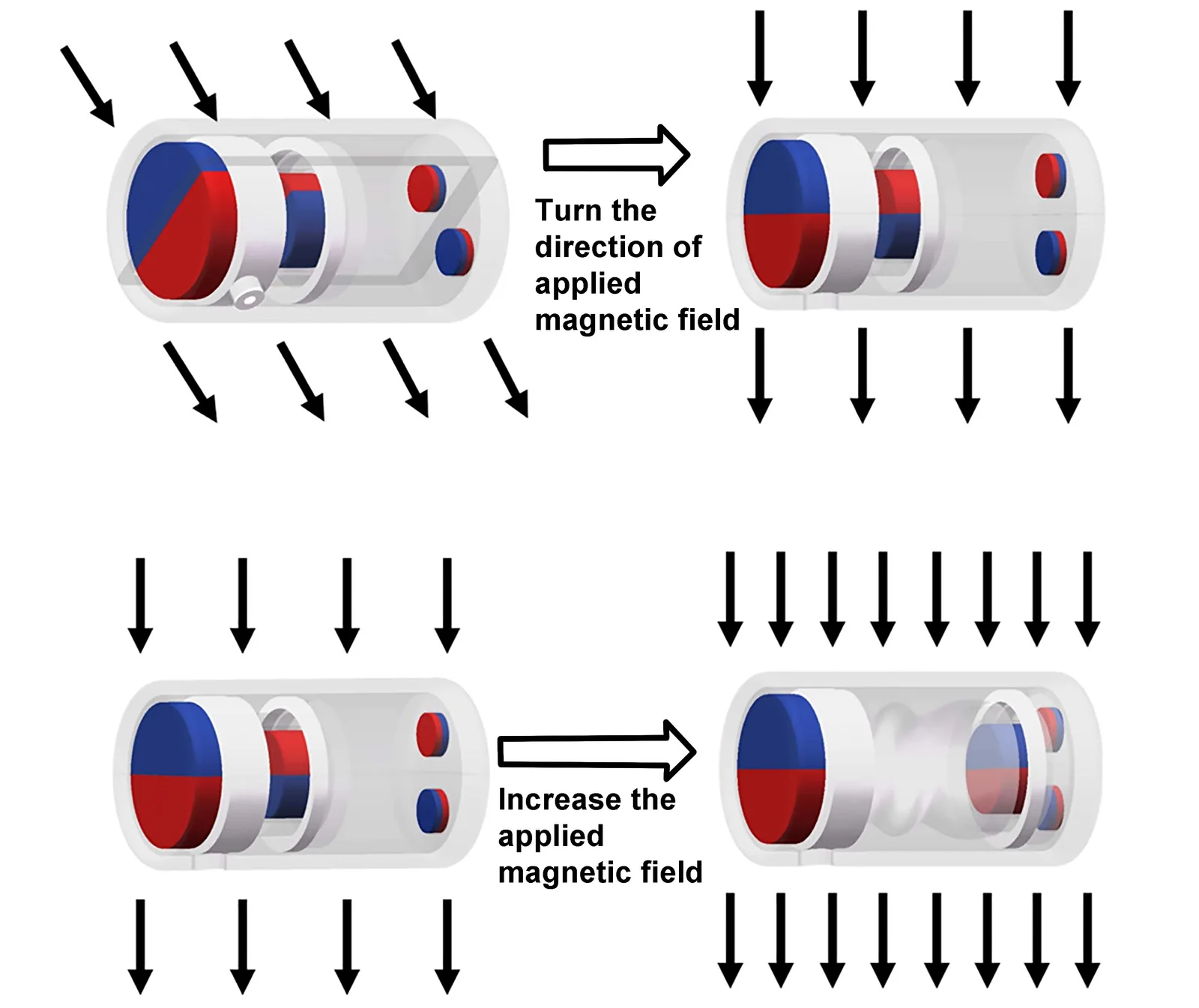
Researchers from HIT Shenzhen have developed a magnetic capsule robot that can take internal samples non-invasively by swallowing a pill with a controllable magnetic mechanism, which opens to collect samples and is later expelled naturally; animal trials are upcoming.
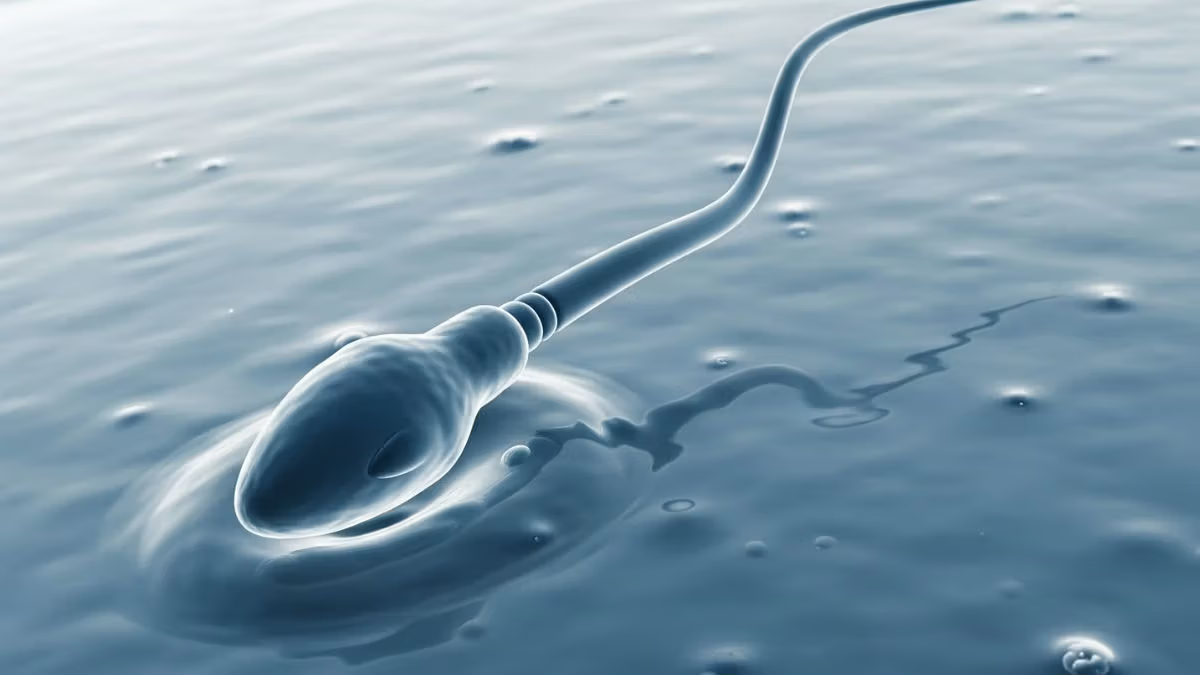
A recent study reveals that human sperm can defy Newton's third law of motion by utilizing non-reciprocal internal forces powered by 'odd elasticity,' enabling efficient movement through viscous environments and challenging traditional physics principles, with implications for biomedical engineering and fertility research.
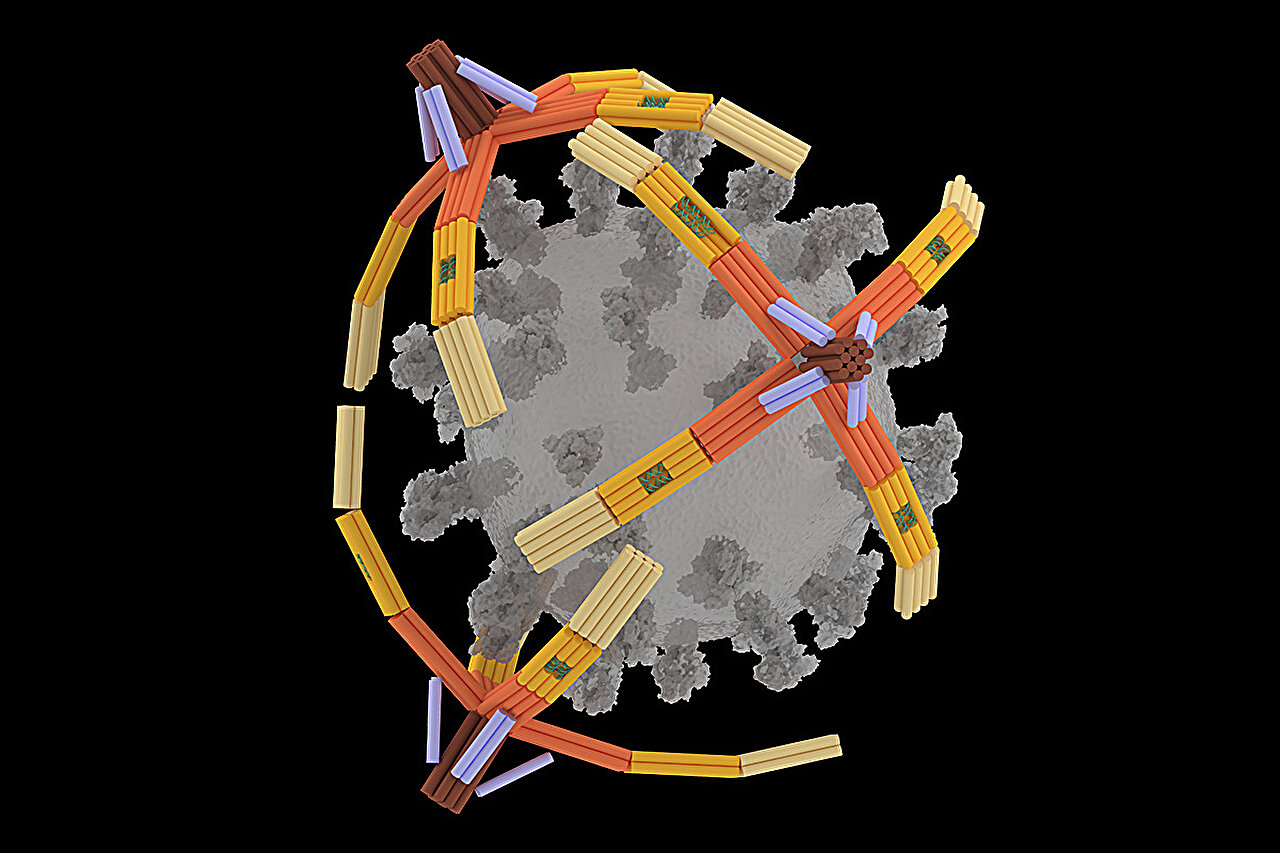
Researchers at the University of Illinois have developed a DNA-based nanorobotic hand, called the NanoGripper, capable of detecting and inhibiting viruses like COVID-19. This innovative tool can rapidly detect viruses with high sensitivity and potentially block them from entering cells, offering applications in diagnostics and preventive medicine. The NanoGripper can also be adapted for targeted drug delivery, such as cancer treatment, by recognizing specific cell markers.
Researchers at the University of Rochester have developed a new method called "catch and display for liquid biopsy" (CAD-LB) that uses ultrathin membranes to capture extracellular vesicles (EVs) from a single drop of blood. This method simplifies the process of identifying EVs, which carry important biomarkers, making it faster and more cost-effective for cancer diagnosis and monitoring treatment progress. The technique also shows potential for detecting immune proteins, aiding in the selection of personalized immunotherapies.
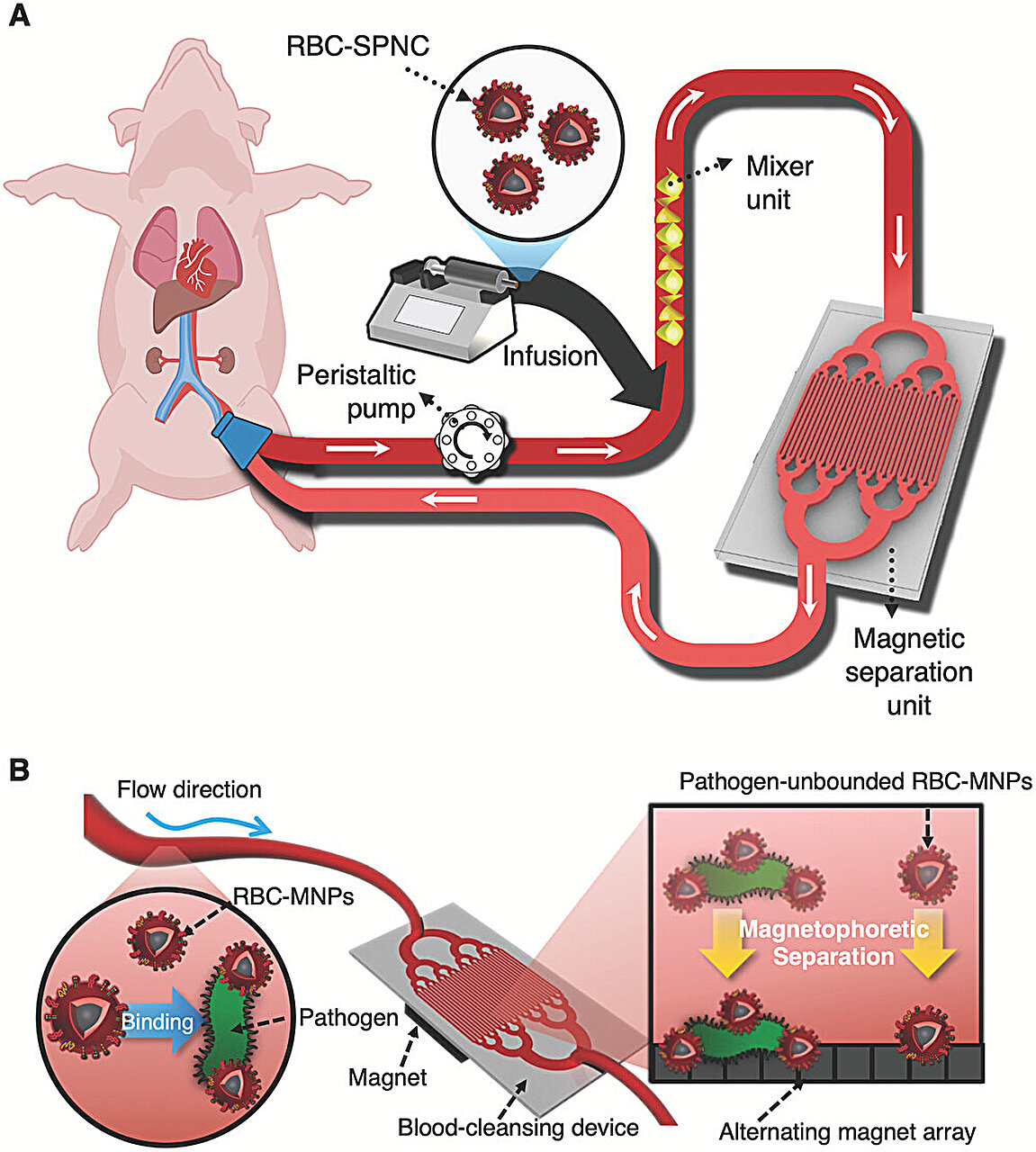
Researchers at UNIST and Seoul National University Bundang Hospital have developed a new technology using superparamagnetic nanoclusters (SPNCs) enveloped by red blood cell-derived nanovesicles to effectively remove inflammation-triggering agents from blood, showing promise for sepsis treatment. This method demonstrated significant therapeutic effects in preclinical trials with bacteremic model swine, potentially offering a breakthrough in treating sepsis by rapidly cleansing blood of pathogens and inflammatory agents.
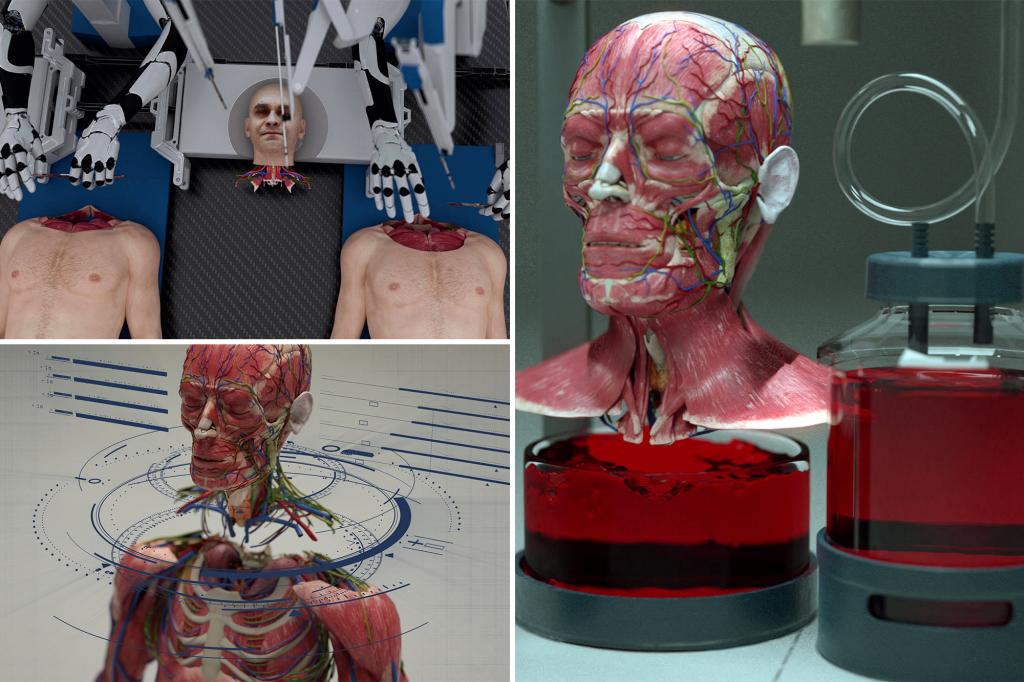
BrainBridge, a neuroscience and biomedical engineering company, has released a viral video demonstrating a simulated head transplant using AI technology. The company claims that head transplants could be accessible within the next 10 years, offering hope for patients with severe conditions like stage-4 cancer and neurodegenerative diseases. The procedure, guided by AI and molecular-level imaging, aims to ensure precise reconnection of the spinal cord, nerves, and blood vessels, maintaining the patient's cognitive abilities. BrainBridge plans to demonstrate the procedure on a live patient within the next eight years.
BrainBridge, a neuroscience and biomedical engineering startup, claims to have developed an AI-mechanized system for performing head transplants, with the first procedure planned within a decade. The innovative surgery aims to help patients with untreatable conditions and neurological diseases, maintaining the memories, cognitive abilities, and consciousness of the transplanted individual. The company plans to utilize surgical robots and artificial intelligence for precise reconnection of the spinal cord, nerves, and blood vessels, and aims to attract top scientists to the project.
Researchers from Georgia Tech have developed a novel cell-based dual treatment for rotator cuff injuries, aiming to address poor clinical outcomes associated with common rotator cuff surgery. The treatment involves a combination of a bone marrow mobilizing agent and local injection of microparticles loaded with a protein called stromal cell-derived factor (SDF) to attract healing cells to the injury site, resulting in enhanced muscle regeneration. This innovative approach shows promise for improving muscle regeneration and has potential applications beyond the rotator cuff.
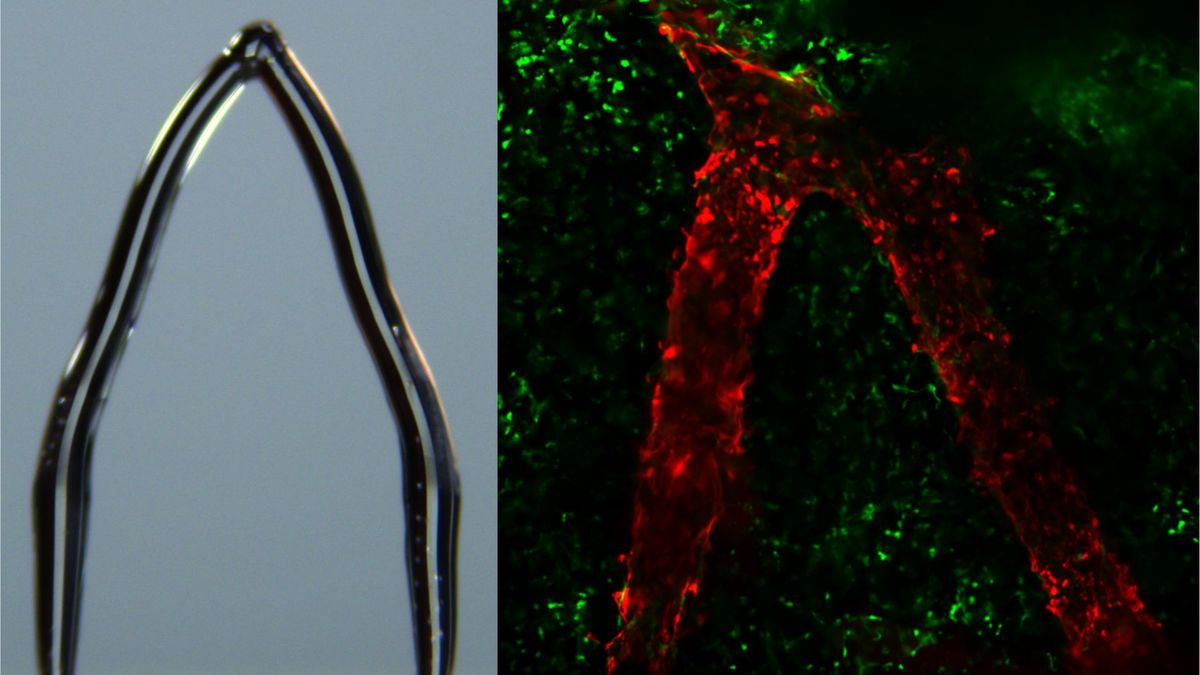
Scientists are using 3D-printed ice sculptures as temporary scaffolds to grow human cells into blood vessel-like structures, demonstrating the potential for creating realistic, lab-grown blood vessels from human cells. The ice printing technique, known as 3D-ICE, allows for the creation of smooth, free-flowing shapes at tiny scales, and could be used to engineer blood vessels that capture the complex geometries of real vascular networks in the body. This method may offer advantages over current artificial blood vessels and could also be helpful for crafting organ-on-a-chip devices. While it will be some time before this technique could be used for human patients, it shows promise for tissue engineering and biomedical applications.
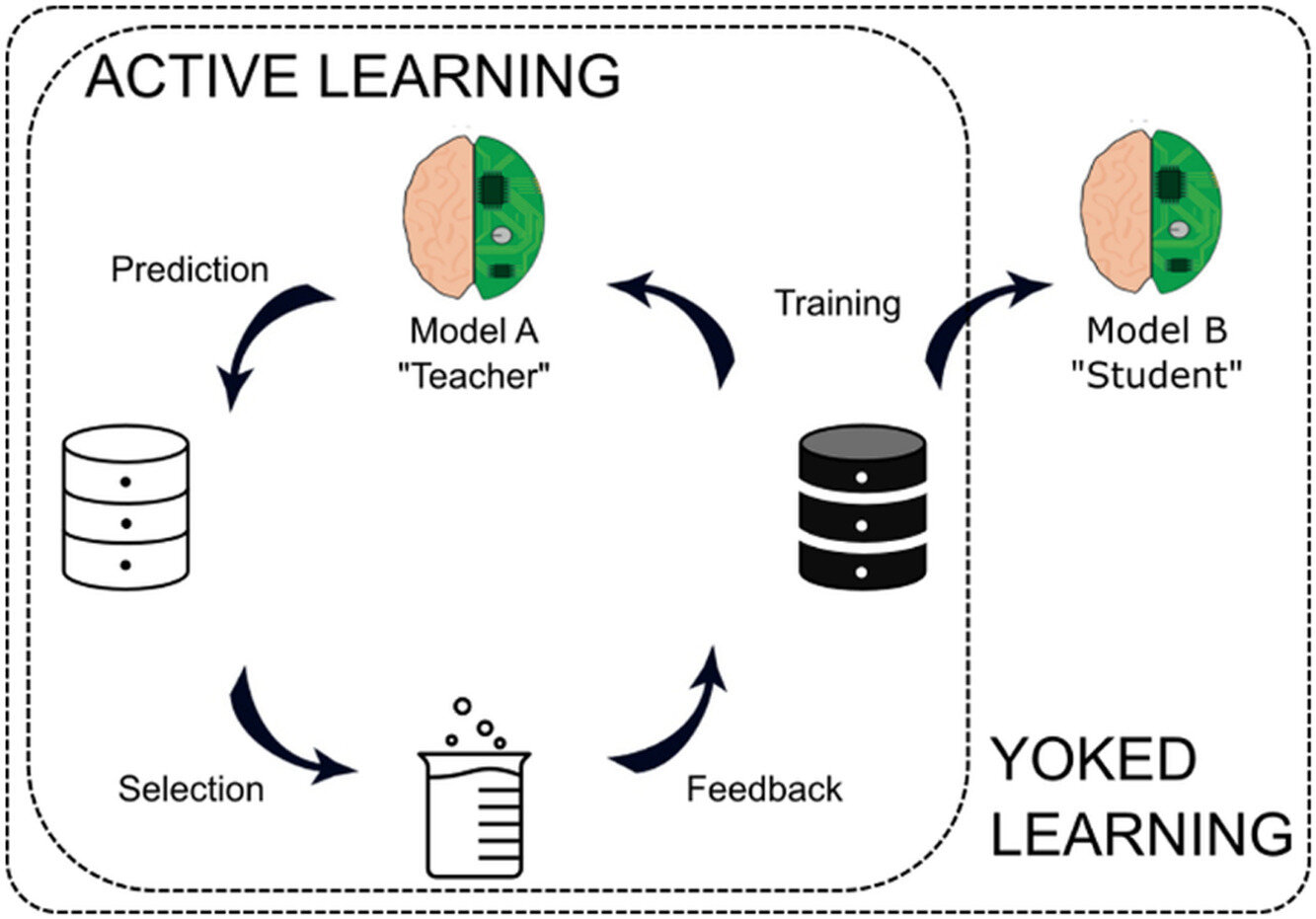
Biomedical engineers at Duke University have developed a new method called yoked learning to improve the effectiveness of machine learning models in identifying molecular properties for potential therapeutics or materials. By pairing a teaching machine learning model with a student model, the technique, known as YoDeL, outperformed or matched the accuracy of active deep learning systems while being much faster. This approach could enhance the efficacy of deep neural networks and help discover new drugs and drug delivery solutions.
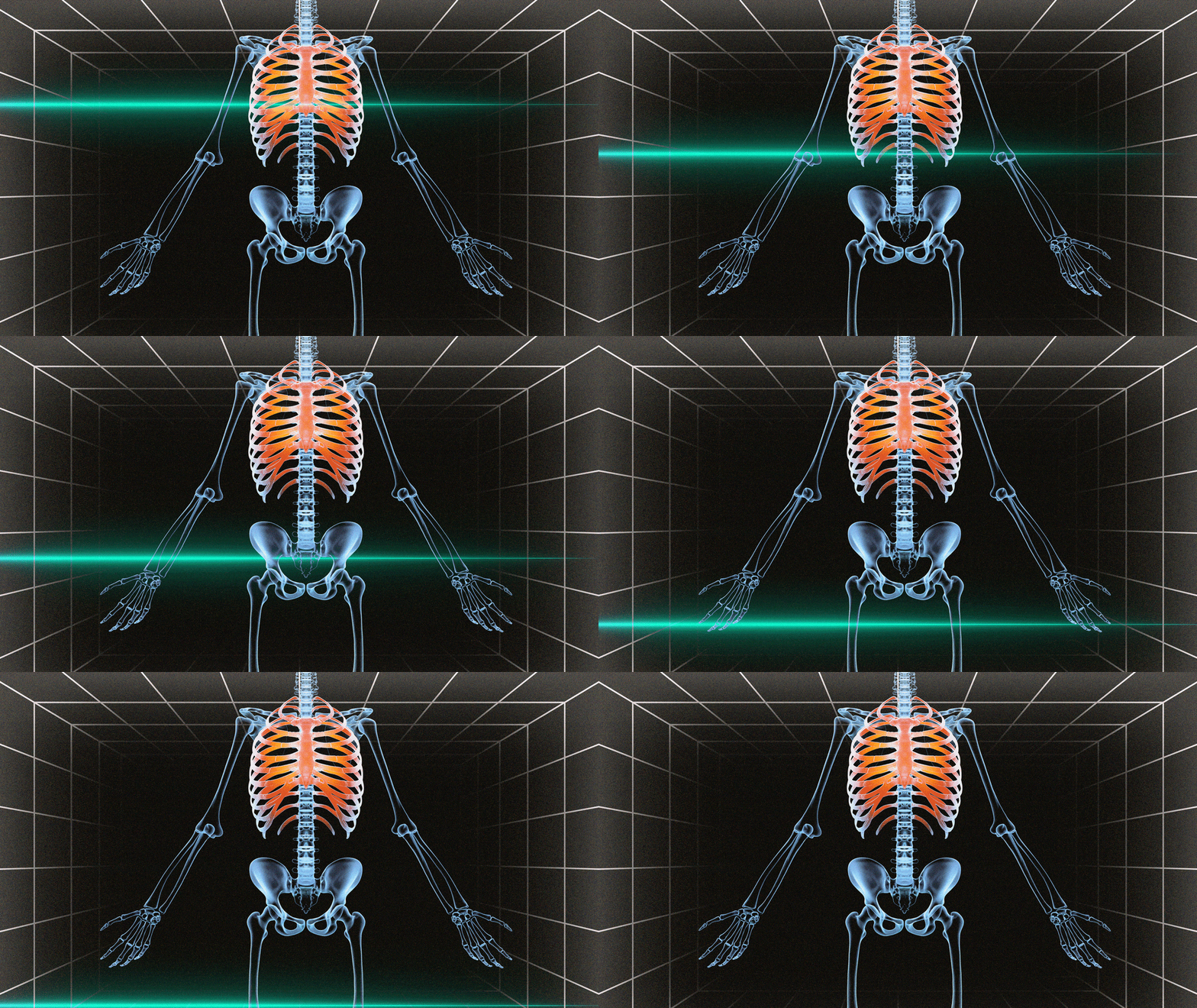
Researchers at Duke University and Harvard Medical School have developed a new method called "deep-penetrating acoustic volumetric printing" (DVAP) that uses ultrasound waves to 3D print inside the human body. By sending ultrasound waves at an injectable biocompatible ink, the ink can be hardened in place to create intricate biomedical structures. This new technique has the potential to repair bones and fix malfunctioning heart valves without the need for invasive open surgery. While more research is needed, the tests conducted so far have shown promising results.
Scientists have developed a new 3D printing technique called Deep-Penetrating Acoustic Volumetric Printing (DAVP) that uses ultrasonic waves and a specially designed substance called "sono-ink" to create structures within the human body. The technique has shown promise in printing complex shapes through layers of biomaterials like skin, muscle, and bone, and has the potential to repair broken bones, patch up torn tissue, and deliver medicine. While more research is needed before human trials can begin, the team behind DAVP is optimistic about its future applications in medical settings.
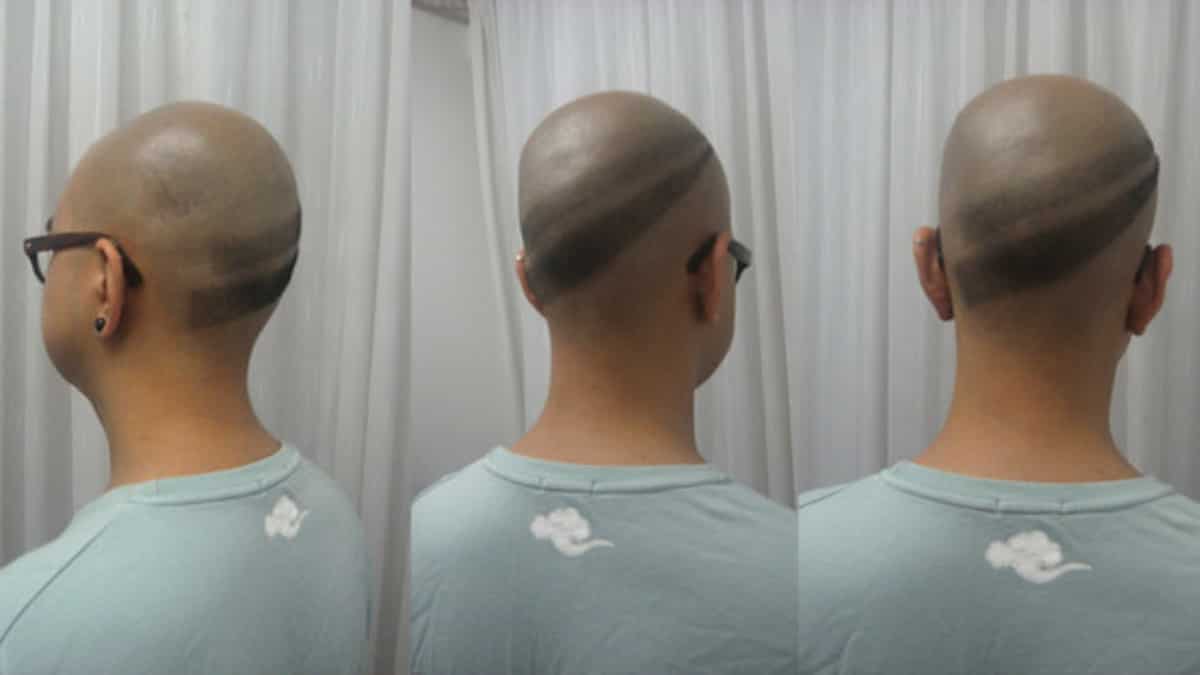
Scientists at Rensselaer Polytechnic Institute have achieved a major breakthrough in biomedical engineering by successfully 3D-printing hair follicles within lab-grown human skin tissue. This advancement not only holds potential for a cure to baldness but also paves the way for regenerative medicine. The incorporation of hair follicles into skin models provides a more realistic platform for testing effective treatments for various skin conditions. The process involved cultivating skin and follicle cells, creating a specialized "bio-ink" for the printer, and depositing the bio-ink layer by layer to mimic natural follicle structures. This breakthrough could shape the future of medical procedures for artificial hair transplants.