Tag

Brain Infection

All articles tagged with #brain infection

Missouri Man Dies from Rare Brain-Eating Amoeba Infection

Originally Published 4 months ago — by Salina Post

Featured image for Missouri Man Dies from Rare Brain-Eating Amoeba Infection
Source: Salina Post

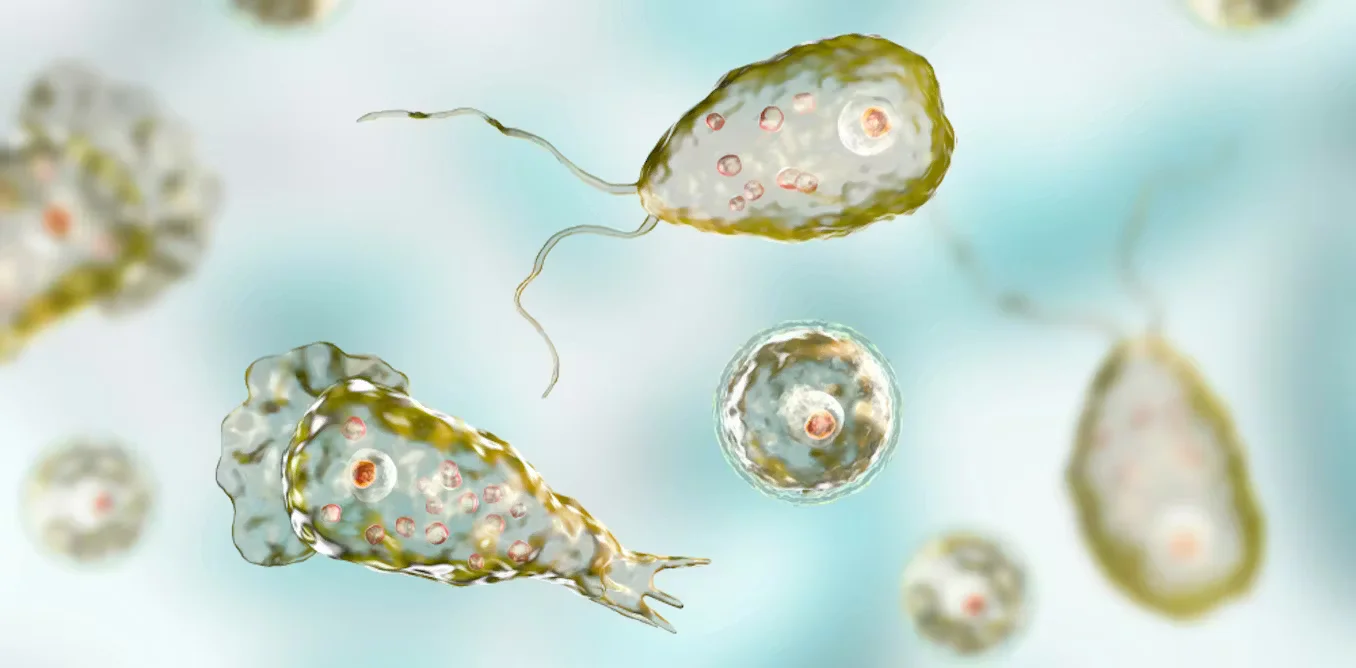
A man infected with the deadly brain-eating amoeba Naegleria fowleri has died in Missouri, possibly linked to water activities at Lake of the Ozarks. The infection, extremely rare and not contagious between people, occurs when contaminated water enters the nose, traveling to the brain. Public health officials are investigating the source, and precautions such as avoiding submerging the head in warm freshwater are recommended to reduce risk.

Nose-Picking in Mice Linked to Alzheimer's Risk

Originally Published 5 months ago — by ScienceAlert

Featured image for Nose-Picking in Mice Linked to Alzheimer's Risk
Source: ScienceAlert

A 2022 study suggests a possible link between nose-picking and increased risk of Alzheimer's, as bacteria like Chlamydia pneumoniae can travel from the nose to the brain in mice, potentially triggering Alzheimer's-like pathology. While human implications are not yet confirmed, the research highlights the importance of nasal tissue health and warrants further investigation into environmental factors in Alzheimer's development.

Nose-Picking in Mice Linked to Alzheimer's Risk

Originally Published 5 months ago — by yahoo.com

Featured image for Nose-Picking in Mice Linked to Alzheimer's Risk
Source: yahoo.com

A 2022 study suggests a possible link between nose-picking and increased risk of Alzheimer's, as bacteria like Chlamydia pneumoniae can travel from the nose to the brain in mice, potentially triggering Alzheimer's-like pathology. While human implications are not yet confirmed, the research highlights the importance of nasal tissue health and warrants further investigation into environmental factors in Alzheimer's development.

Potential Link Between 'Harmless' Virus and Parkinson's Disease

Originally Published 6 months ago — by upi.com

Featured image for Potential Link Between 'Harmless' Virus and Parkinson's Disease
Source: upi.com

A study suggests that Human Pegivirus (HPgV), previously considered harmless, may be linked to Parkinson's disease as it was found in the brains of patients with the disorder but not in healthy individuals, indicating a potential environmental factor influencing disease development.

Potential Viral Link to Parkinson's Disease Uncovered by Researchers

Originally Published 6 months ago — by Medical Xpress

Featured image for Potential Viral Link to Parkinson's Disease Uncovered by Researchers
Source: Medical Xpress

A study suggests that the Human Pegivirus (HPgV), previously considered harmless, may be linked to Parkinson's disease, as it was found in the brains of patients but not in healthy individuals, indicating a potential environmental factor influencing the disease's development.

Up to 30% of Americans May Be Silent Carriers of a Brain-Disrupting Parasite

Originally Published 6 months ago — by The Brighter Side of News

Featured image for Up to 30% of Americans May Be Silent Carriers of a Brain-Disrupting Parasite
Source: The Brighter Side of News

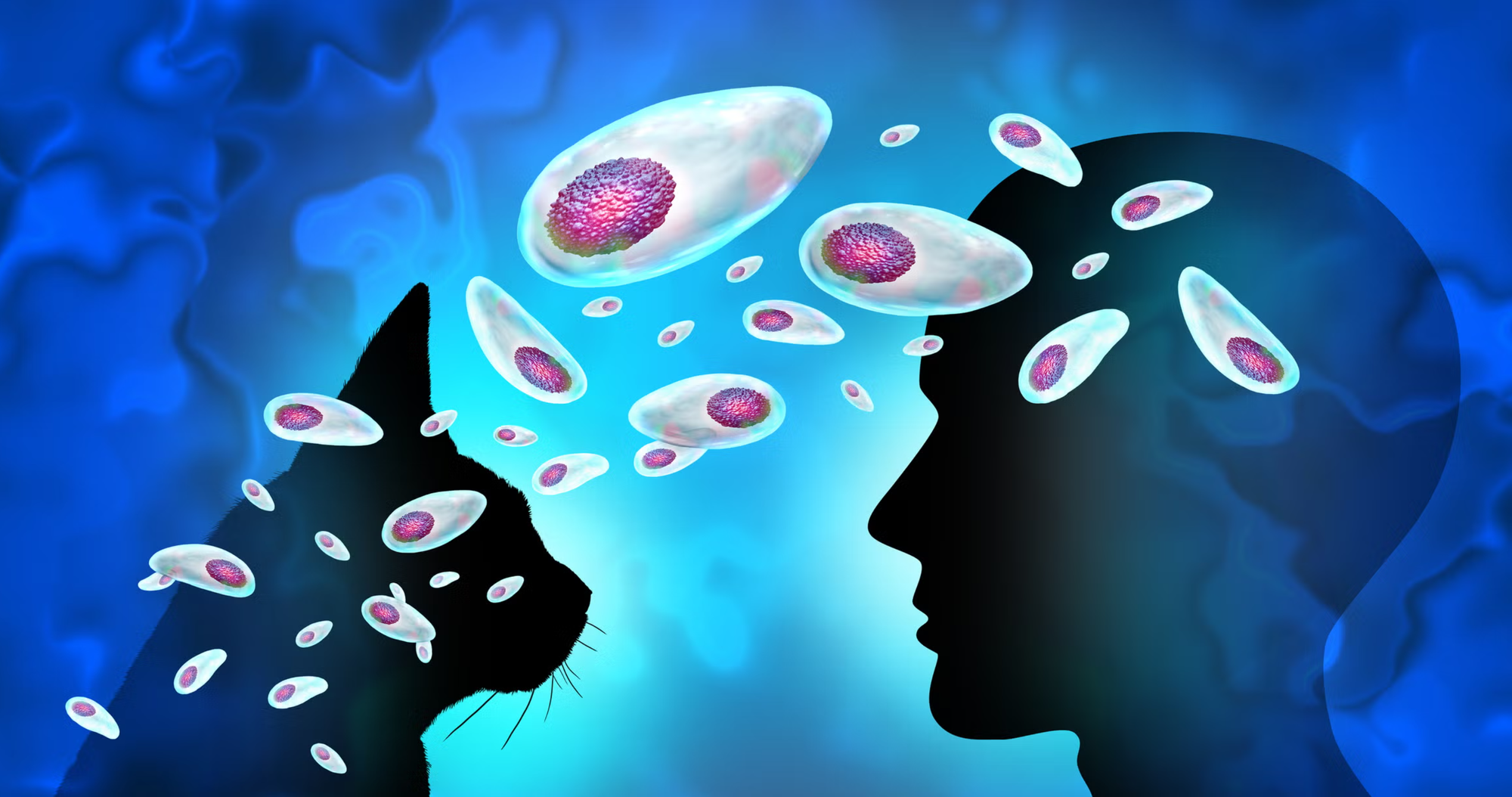
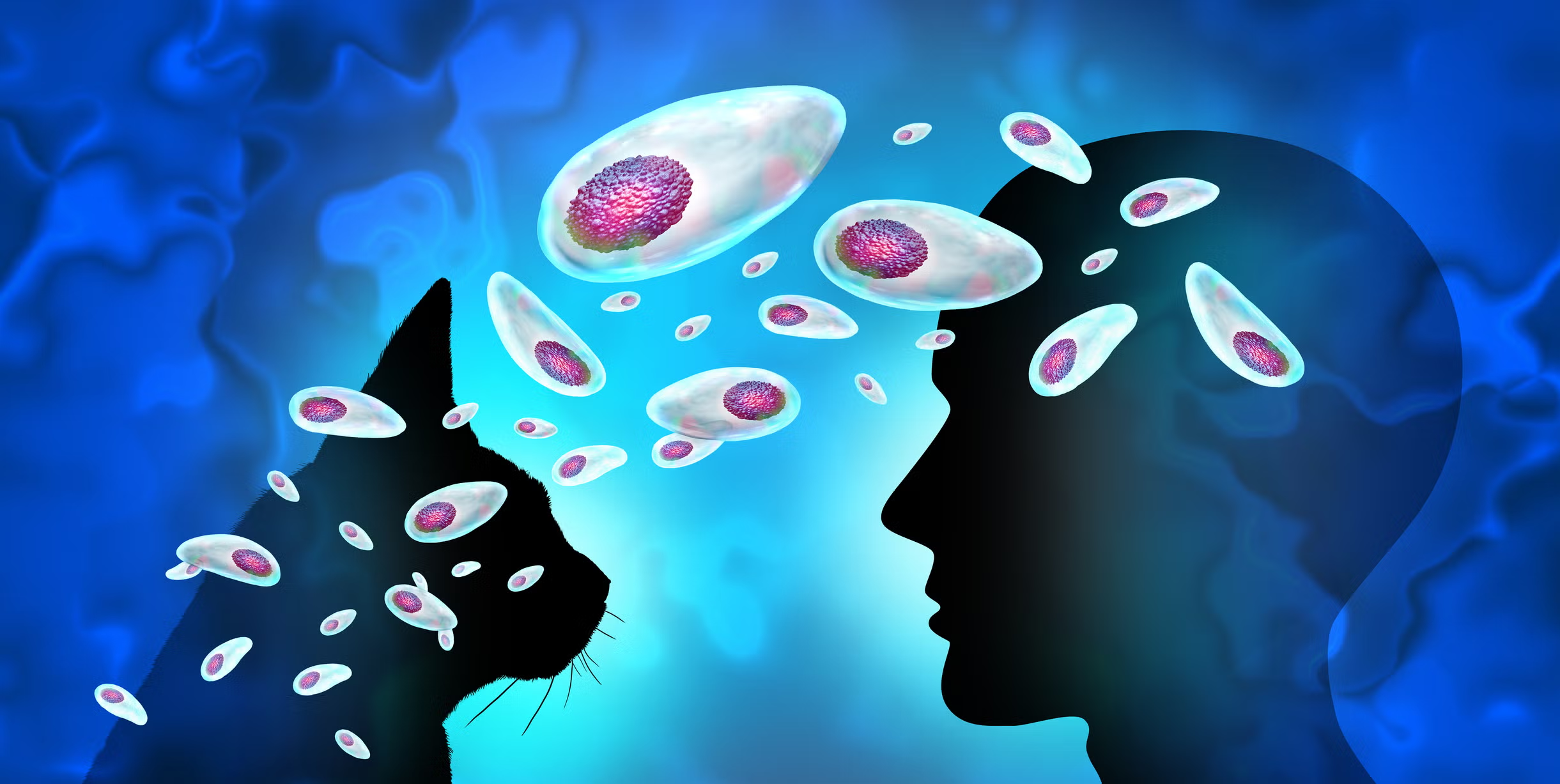
Nearly one-third of Americans are infected with Toxoplasma gondii, a parasite that silently alters brain function by disrupting neuron-astrocyte communication through changes in extracellular vesicles, potentially increasing risks for neurological disorders and offering new avenues for detection and treatment.

Brain Parasite Impairs Neural Communication

Originally Published 6 months ago — by University of California, Riverside

Featured image for Brain Parasite Impairs Neural Communication
Source: University of California, Riverside

Scientists at UC Riverside discovered that the parasite Toxoplasma gondii disrupts brain cell communication by reducing extracellular vesicle signaling, which can affect neural balance and potentially lead to neurological issues, highlighting new avenues for diagnosis and treatment of brain infections.

Texas woman dies after using contaminated tap water for sinus rinse: safety tips

Originally Published 7 months ago — by New York Post

Featured image for Texas woman dies after using contaminated tap water for sinus rinse: safety tips
Source: New York Post

A Texas woman died after rinsing her sinuses with infected tap water contaminated with Naegleria fowleri, a rare but deadly brain-eating amoeba. Experts warn against nasal exposure to unboiled or untreated water, especially in warm freshwater areas, and recommend boiling or using distilled water for sinus rinsing to prevent infection.

Unraveling How the Cold Sore Virus Invades the Brain

Originally Published 1 year ago — by ScienceAlert

Featured image for Unraveling How the Cold Sore Virus Invades the Brain
Source: ScienceAlert

A new study by researchers from the University of Colorado and the University of Bourgogne explores how the herpes simplex virus type 1 (HSV-1), known for causing cold sores, can infect the brain and potentially contribute to neurodegenerative diseases like Alzheimer's. The study found that HSV-1 can enter the central nervous system via the trigeminal or olfactory nerves, affecting key brain regions such as the brain stem and hypothalamus, while sparing others like the hippocampus and cortex. The research highlights the role of microglia-induced inflammation in the brain, which may persist even after the virus is gone, potentially linking HSV-1 to chronic inflammation and neurological diseases. The findings, published in the Journal of Virology, provide insights into the virus's impact on brain health and its possible connection to neurodegenerative conditions.

"CDC Warns of Deadly Amoeba Risk from Nasal Rinsing"

Originally Published 1 year ago — by Livescience.com

Featured image for "CDC Warns of Deadly Amoeba Risk from Nasal Rinsing"
Source: Livescience.com

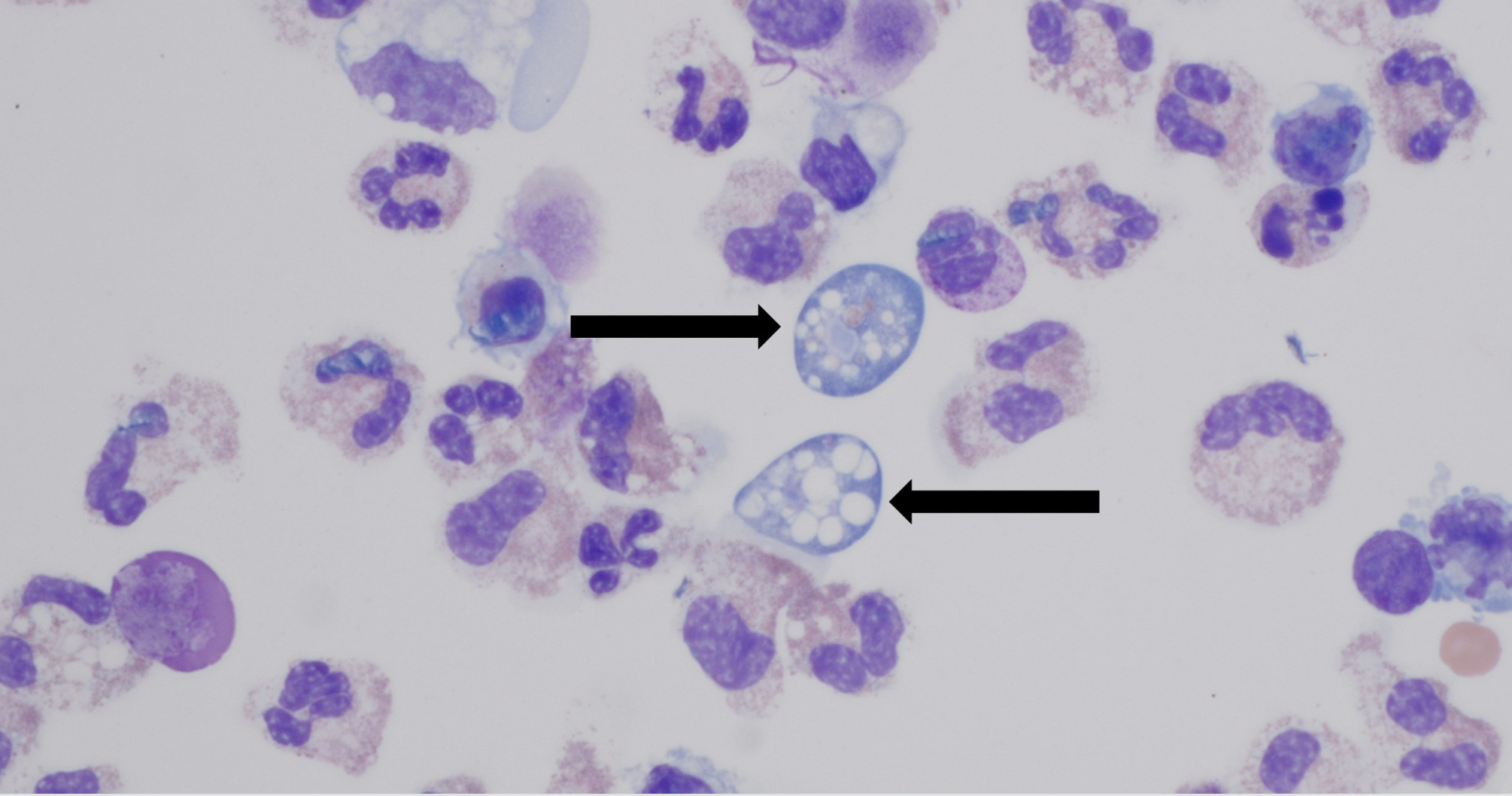
The CDC has reported cases of Acanthamoeba infections resulting from nasal rinsing with unsterile tap water, leading to skin diseases and a rare brain infection called granulomatous amoebic encephalitis (GAE). Three out of 10 infected individuals died, all of whom had weakened immune systems. The CDC recommends using boiled, sterile, or distilled water for nasal rinsing to prevent such infections.

Man's Brain Tapeworms Linked to Undercooked Bacon

Originally Published 1 year ago — by CNN

Featured image for Man's Brain Tapeworms Linked to Undercooked Bacon
Source: CNN

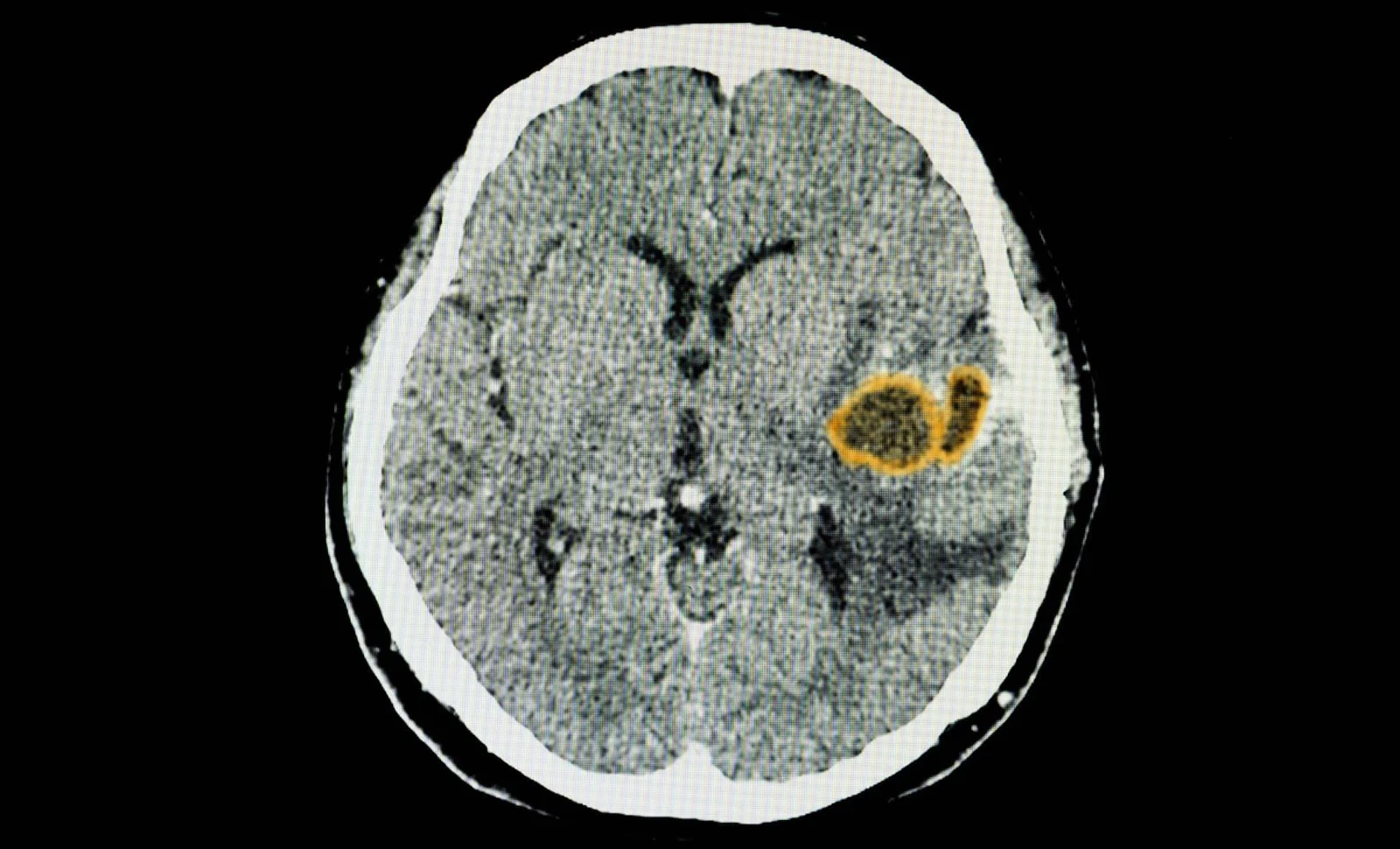
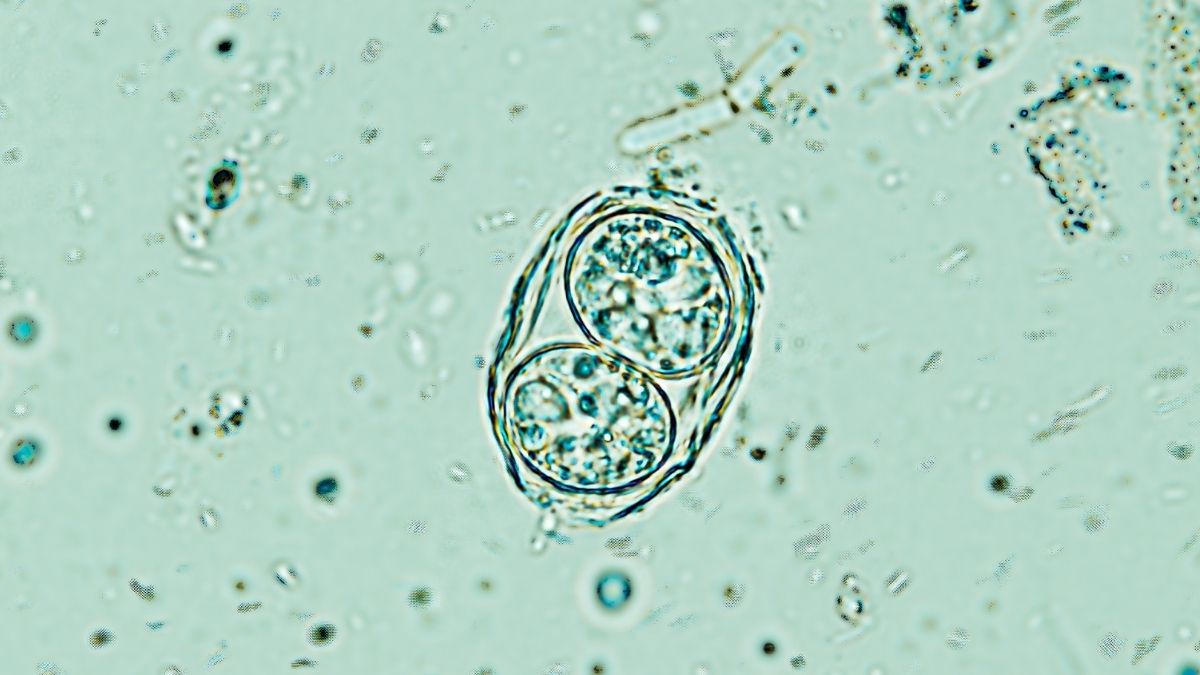
A Florida man suffering from worsening migraines was found to have tapeworm larvae in his brain, likely originating from his habit of eating undercooked bacon. The 52-year-old's CT scan revealed multiple cysts in his brain, initially suspected to be a rare neurologic condition, but further tests showed the cysts were parasitic tapeworm larvae causing neurocysticercosis. The man's history of eating undercooked bacon led doctors to believe he contracted the parasite through "autoinfection." After treatment with steroids and anti-parasitic agents, his headaches improved, highlighting the importance of cooking meat to safe temperatures and proper handwashing to prevent such infections.

"CDC Warns Against Tap Water Nasal Rinsing After Deadly Amoeba Infections"

Originally Published 1 year ago — by Daily Mail

Featured image for "CDC Warns Against Tap Water Nasal Rinsing After Deadly Amoeba Infections"
Source: Daily Mail

The CDC has warned against using tap water for nasal rinsing after 10 patients contracted deadly brain infections from the amoeba Acanthamoeba, found in over 50% of US tap water samples. The amoeba can cause severe illness and even death, particularly among immunocompromised individuals. The CDC recommends using boiled, sterile, or distilled water for nasal rinsing to prevent invasive Acanthamoeba infections. It's important to educate the public about the risks associated with using tap water for nasal rinsing, as many people are unaware of the potential dangers.

"Undercooked Bacon Linked to Parasitic Worms in Man's Brain"

Originally Published 1 year ago — by The Independent

Featured image for "Undercooked Bacon Linked to Parasitic Worms in Man's Brain"
Source: The Independent

A 52-year-old man in the US developed tapeworm larva in his brain, likely from consuming undercooked bacon, leading to neurocysticercosis. Despite no recent travel to endemic areas or contact with pigs, the man's habit of eating undercooked bacon and poor hand hygiene likely caused the infection. The case highlights the increasing frequency of such infections in developed countries and the importance of considering neurocysticercosis in evaluating acute changes in migraines.