
Extracellular Vesicles: Messengers Beyond Human Cells
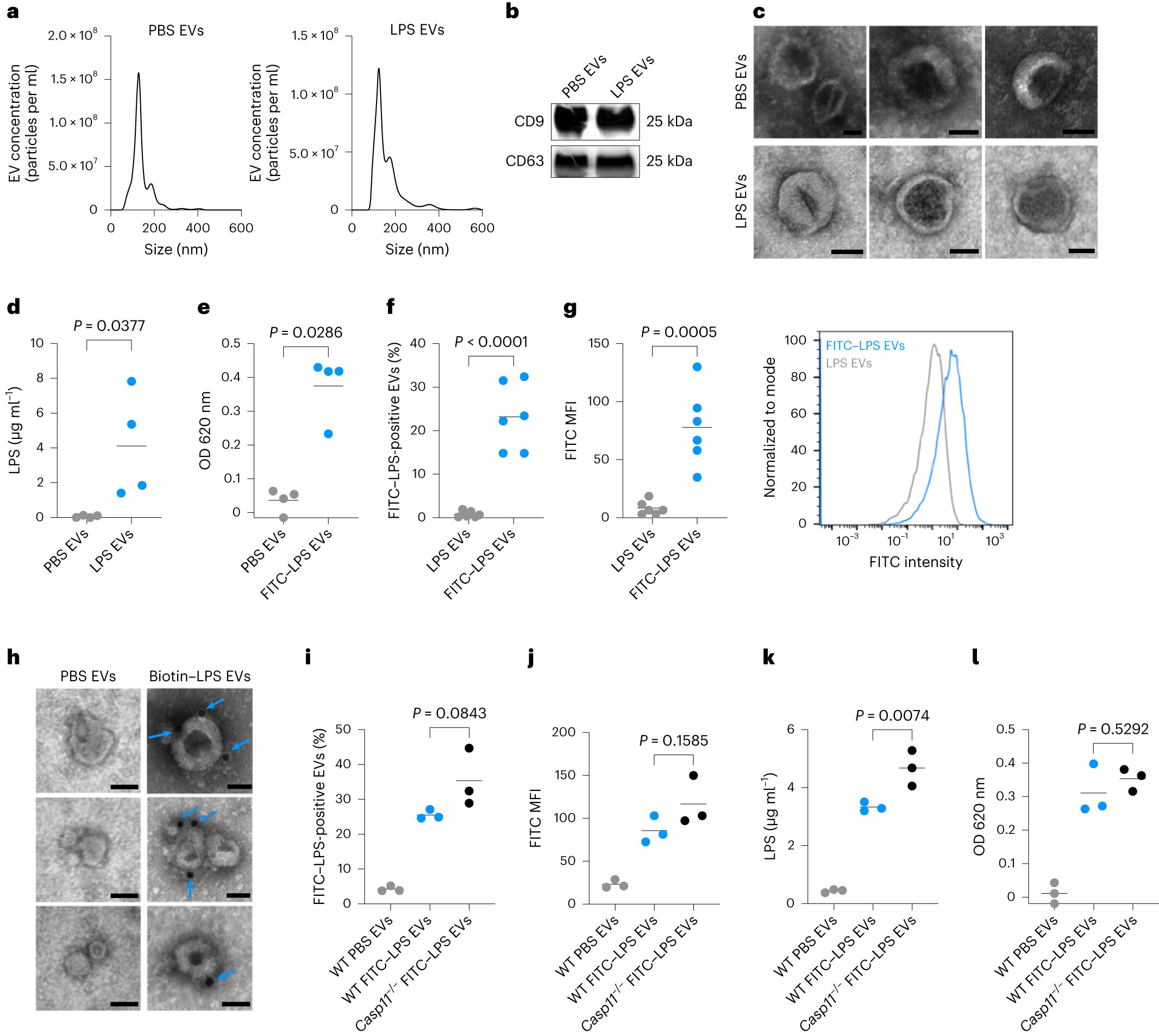
Researchers at the University of Connecticut have discovered that extracellular vesicles (EVs), tiny bubbles produced by human cells, can pick up bacterial products and deliver them to other cells. This finding sheds light on how bacteria, whether beneficial or infectious, impact our health. The EVs act as messengers, carrying molecules that inform the behavior and growth of the receiving cells. Additionally, the EVs can capture pieces of bacteria, which are then transported inside human cells. This mechanism plays a role in immune surveillance and can either help maintain proper bodily functions or lead to inflammation, depending on the type of bacteria and product involved.