Scientists have discovered that a vitamin A metabolite, retinoic acid, can suppress the immune system's ability to fight cancer by promoting immune tolerance. They developed inhibitors that block this pathway, restoring immune responses and improving cancer vaccine efficacy, paving the way for new immunotherapy treatments.
Chinese researchers have developed a new scalable and cost-effective method to produce engineered natural killer cells from cord blood stem cells, enhancing cancer immunotherapy potential by improving efficiency and reducing costs, with successful tumor-killing activity demonstrated in preclinical models.
Miriam Merad's 20-year research on macrophages, immune cells involved in inflammation and immune response, is challenging traditional cancer treatments focused on T cells, and early clinical data suggest that targeting macrophages could enhance immunotherapy effectiveness and address aging and autoimmune diseases.
A study finds that COVID-19 mRNA vaccines, like Pfizer and Moderna, can boost the immune system to recognize and kill cancer cells, especially when combined with immunotherapy, potentially extending benefits to more cancer patients. The vaccines act as an immune alarm, helping to turn 'cold' tumors 'hot,' and are being tested in clinical trials for lung cancer.
Scientists at St. Jude's Research Hospital discovered how mitochondria and lysosomes work together to activate and deactivate regulatory T cells, which are crucial for controlling inflammation and immune responses. Their findings reveal metabolic and organelle signaling pathways that influence T cell function, with potential implications for treating autoimmune diseases and enhancing cancer immunotherapy.
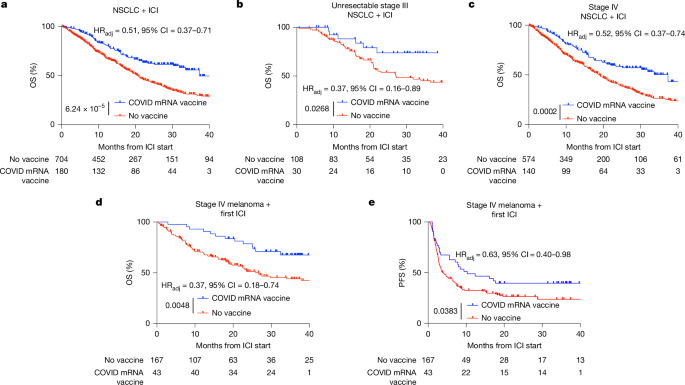
COVID-19 mRNA vaccines enhance the effectiveness of immune checkpoint inhibitors in cancer treatment by stimulating innate and adaptive immune responses, increasing tumor PD-L1 expression, and potentially restoring immune sensitivity in 'cold' tumors, leading to improved survival outcomes in patients with NSCLC and melanoma.
A study presented at the 2025 European Society for Medical Oncology Congress suggests that COVID-19 mRNA vaccines may enhance survival in patients with advanced lung and melanoma cancers by sensitizing tumors to immunotherapy, nearly doubling median survival times when administered within 100 days of starting immune checkpoint inhibitors.
Researchers at MD Anderson Cancer Center presented at ESMO 2025 that mRNA COVID-19 vaccines significantly boost the efficacy of cancer immunotherapy, especially in tumors with low baseline immune activity, by enhancing immune responses and increasing tumor susceptibility to checkpoint blockade, potentially transforming cancer treatment protocols.
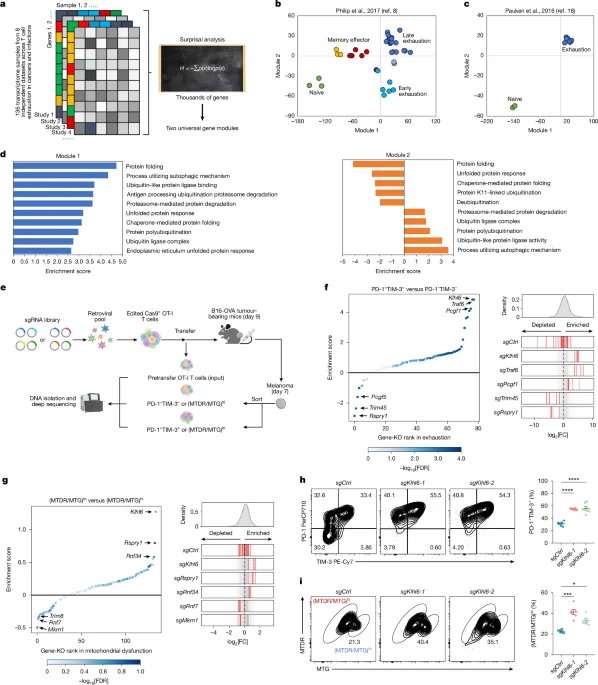
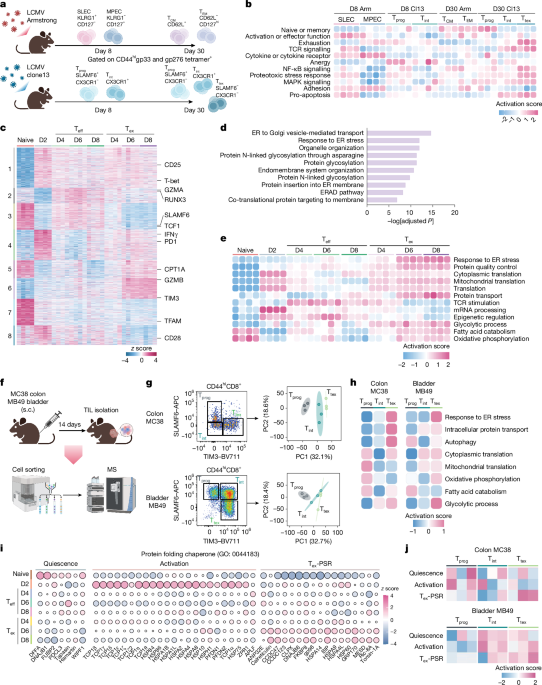
The study reveals that proteotoxic stress response (PSR) drives T cell exhaustion in cancer, characterized by increased protein synthesis, chaperone activation, and protein aggregation, with sustained AKT activity as a key upstream driver. Targeting specific chaperones like gp96 and BiP can mitigate exhaustion and improve immunotherapy outcomes.
Researchers at the University of Chicago discovered that zeaxanthin, a nutrient known for eye health, can boost immune cells' ability to fight cancer and enhance immunotherapy effectiveness, showing promise as a safe, accessible supplement to improve cancer treatments, though further clinical trials are needed.
Research in mice shows that protecting T cell telomeres from oxidative damage with targeted antioxidants can prevent T cell exhaustion caused by tumor environments, potentially enhancing cancer immunotherapy effectiveness, including CAR-T therapy.
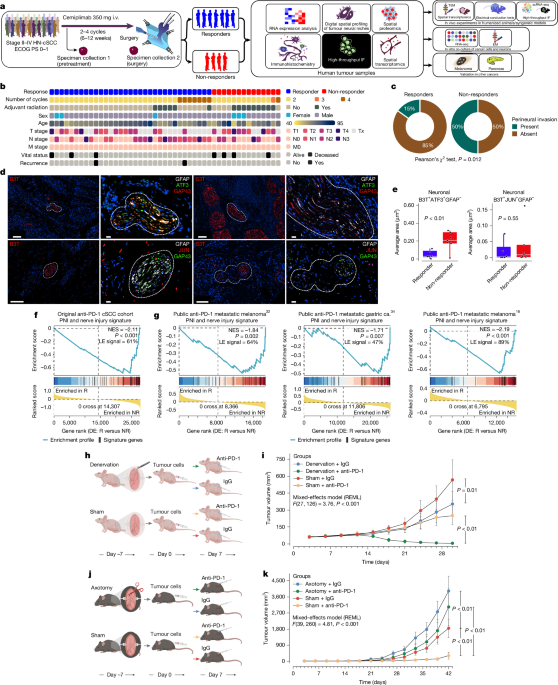
Cancer-induced nerve injury (CINI) promotes resistance to anti-PD-1 therapy by causing myelin degradation and chronic inflammation, which leads to immune exhaustion. The study shows that nerve injury within tumors correlates with immunosuppressive activity and therapy resistance across multiple cancer types, and that blocking nerve injury signaling can improve immune response and treatment efficacy.
A plant virus called CPMV, found in black-eyed peas, shows promise as a cancer treatment by triggering the immune system to recognize and attack tumors, with potential for scalable, plant-based production and long-term immunity. Researchers are working towards clinical trials to further develop this innovative therapy.
Researchers have discovered that the cowpea mosaic virus (CPMV), a plant virus, can activate the immune system to target and destroy cancer cells, showing promise as a low-cost cancer treatment. CPMV stimulates immune responses and long-lasting anti-tumor memory, with ongoing efforts to advance it to clinical trials.
Researchers at UC San Diego have discovered that the cowpea mosaic virus (CPMV), a plant virus, can activate the immune system to effectively target and destroy cancer cells, showing promise as a low-cost cancer immunotherapy. CPMV stimulates anti-tumor immune responses by inducing interferons and activating immune pathways, and can be produced sustainably in plants, paving the way for clinical trials.