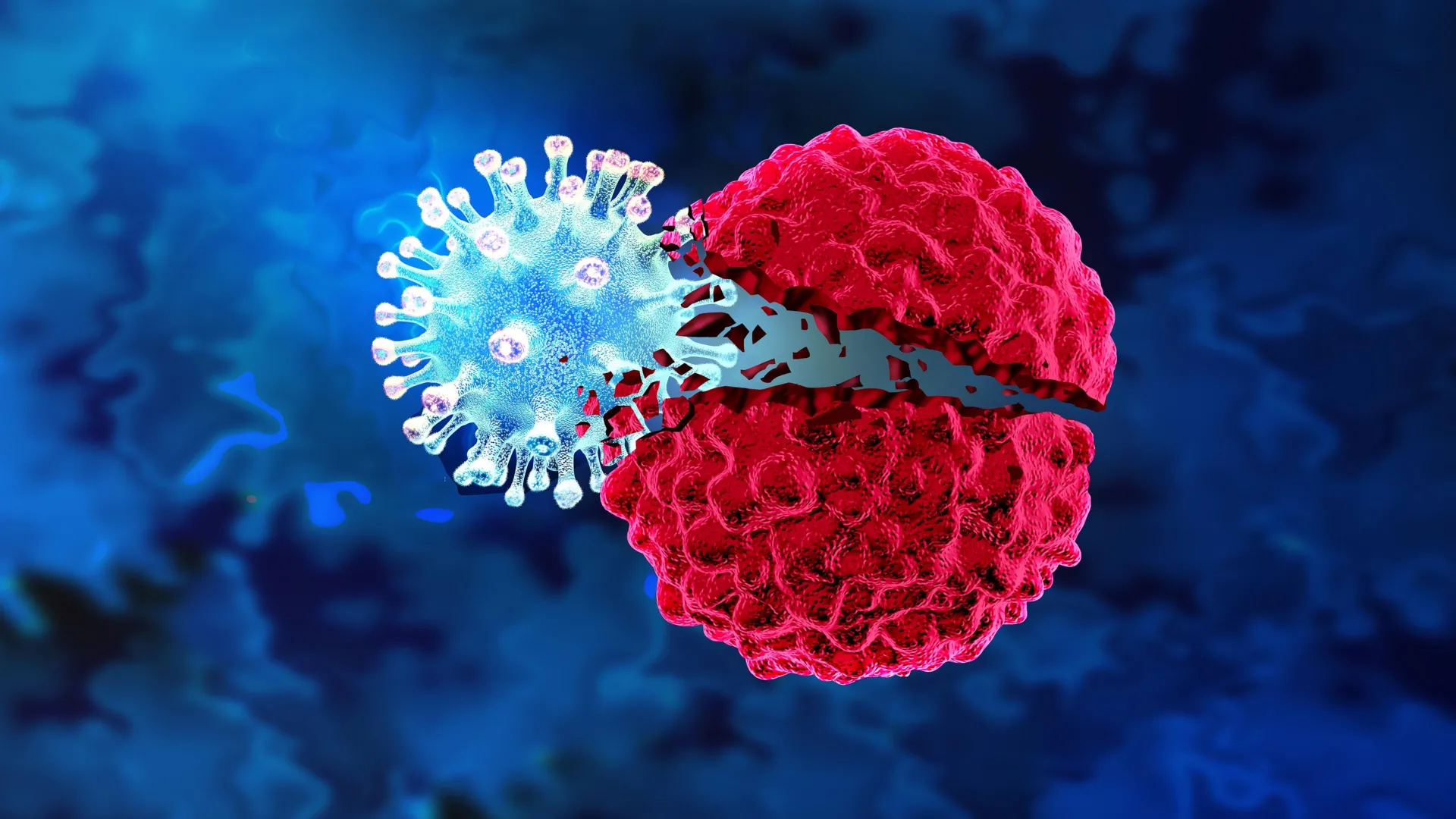
A Tel Aviv University study reveals that melanoma cells release extracellular vesicles that disable immune cells, providing new insights that could lead to improved treatments for skin cancer.
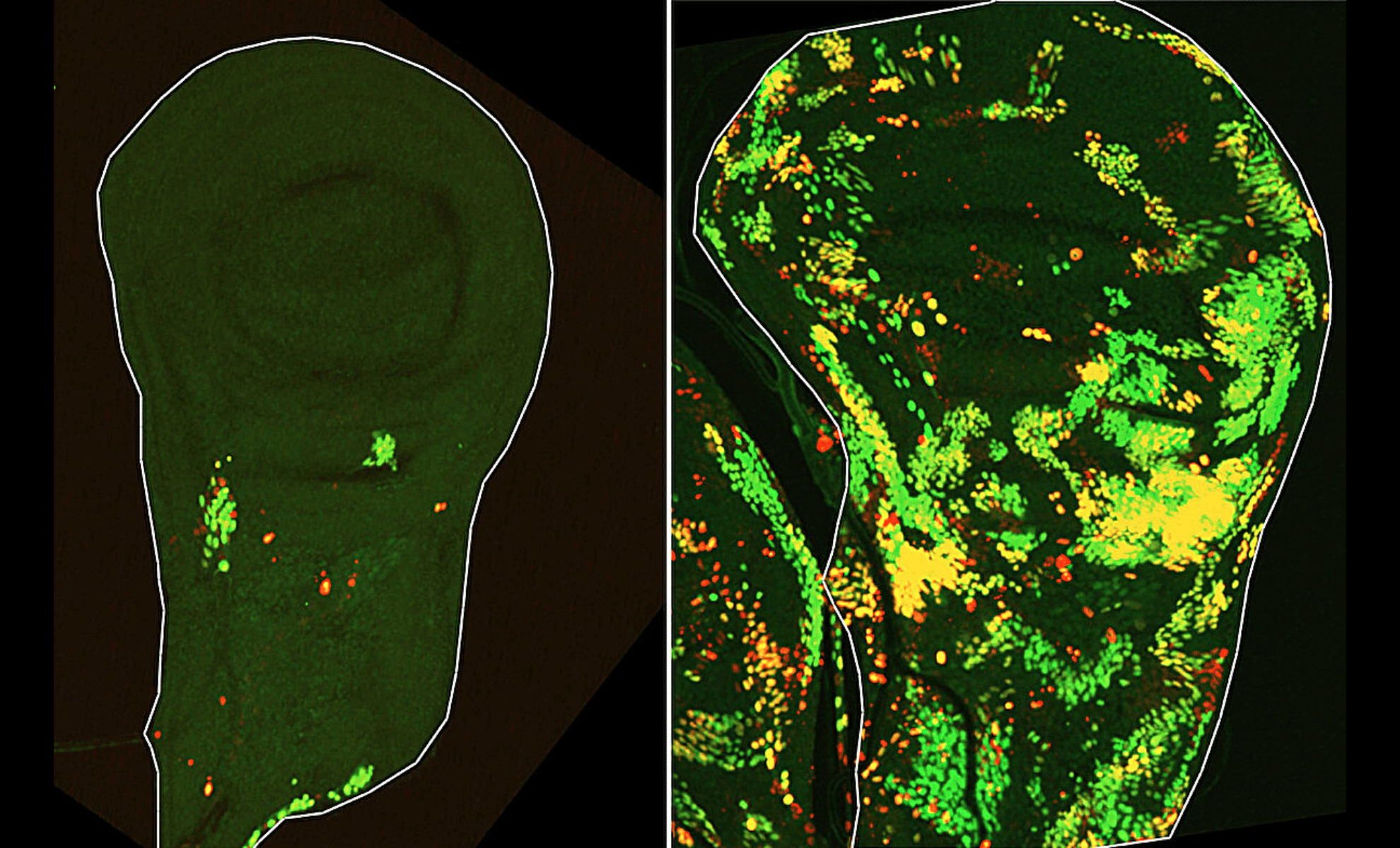
New research uncovers the molecular mechanisms behind tissue regeneration, identifying DARE and NARE cells that resist death and contribute to healing, with implications for understanding cancer resistance and improving therapies. The study highlights a motor protein that prevents apoptosis in DARE cells and reveals how resistance traits are inherited, potentially explaining tumor recurrence after radiation treatment.
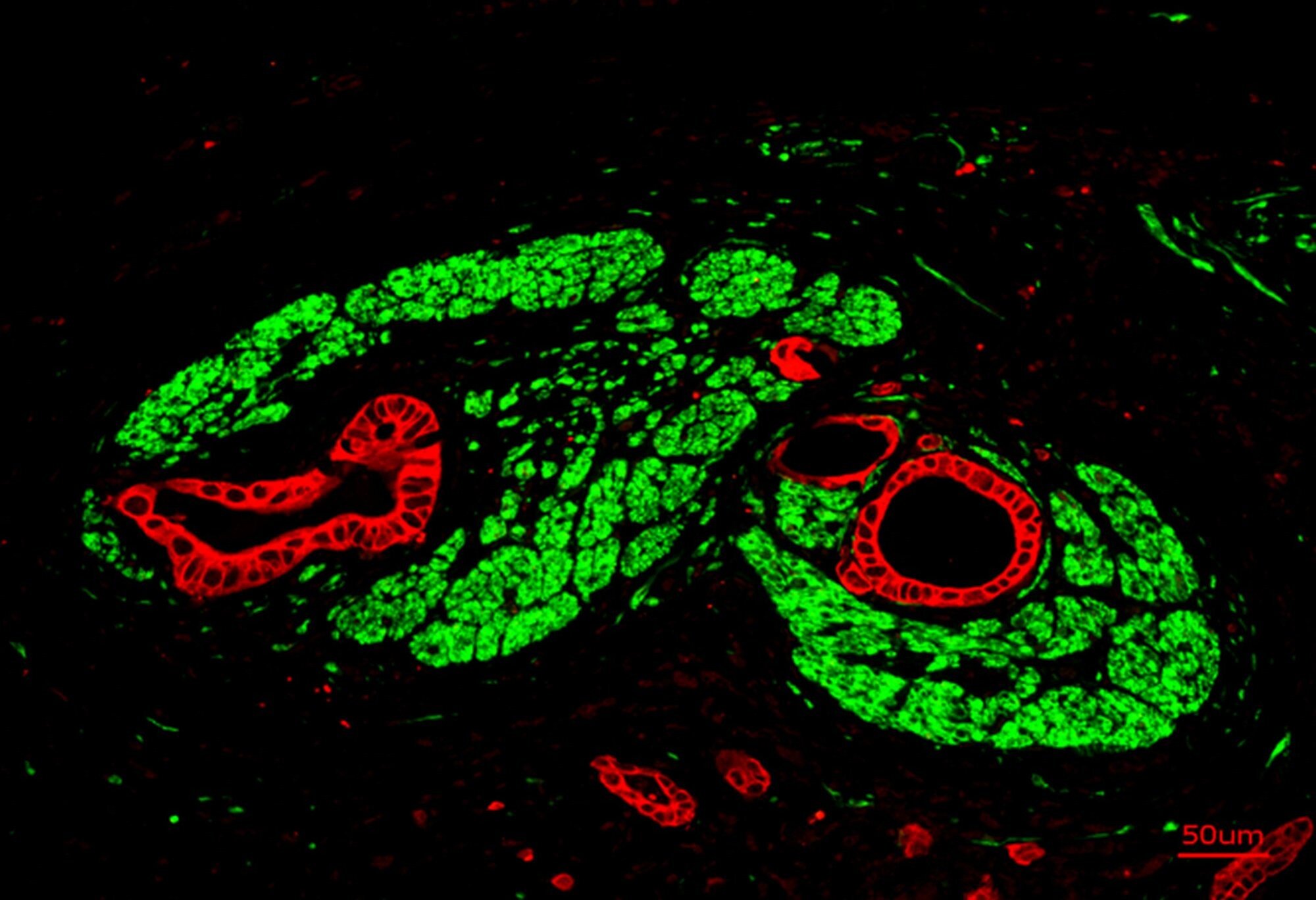
Scientists at TUM discovered that pancreatic tumors form pseudosynapses by exploiting the nervous system, using glutamate to promote tumor growth via NMDA receptors. Blocking these receptors in mice slowed tumor progression, suggesting new therapeutic avenues.,
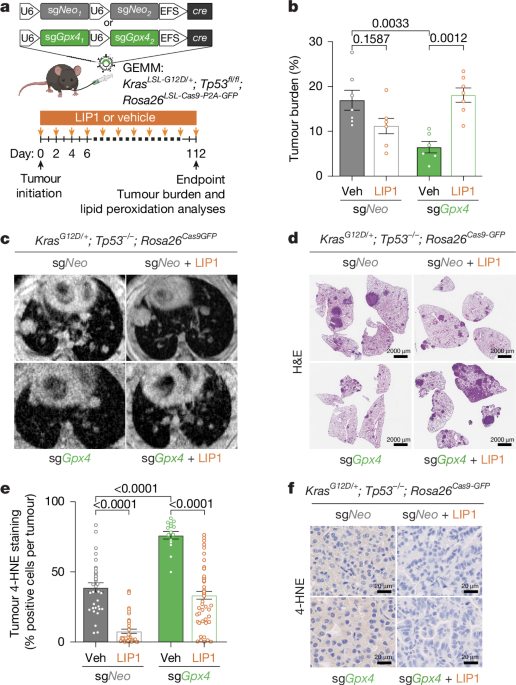
Targeting FSP1 induces ferroptosis, a form of cell death, in lung cancer models, suggesting FSP1 as a promising therapeutic target for treating lung cancer by promoting tumor cell ferroptosis.
Research suggests that 'junk' DNA, specifically transposable elements, can be reactivated in certain blood cancers, leading to DNA instability that can be targeted with existing drugs like PARP inhibitors, offering new hope for treating drug-resistant cancers.
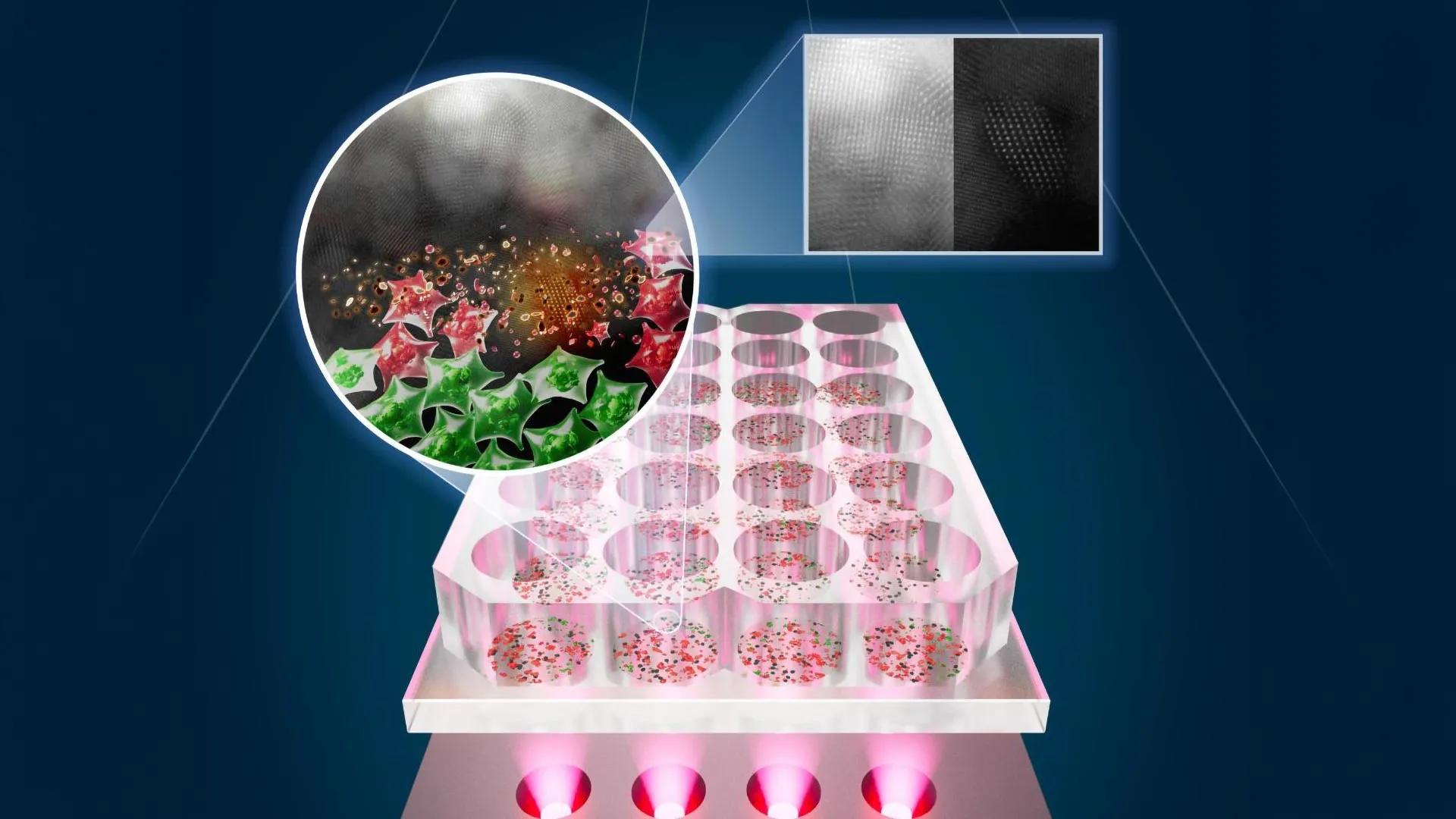
Scientists have developed a new cancer treatment using LED light and tin-based nanoflakes that effectively kills cancer cells while sparing healthy tissue, offering a safer, more affordable alternative to traditional therapies, with promising results in early studies and plans for further development.
HistoSonics, a startup backed by Thiel Bio and Bezos Expeditions, has developed a sound wave-based tumor treatment technology, currently used for liver tumors and expanding to other areas like breast, prostate, and brain cancer, with a $250 million investment to accelerate growth and international expansion.
MIT and Harvard researchers have developed a new engineered CAR-NK cell therapy that evades immune rejection, potentially enabling off-the-shelf cancer treatments with improved safety and effectiveness, demonstrated successfully in mouse models.
AI is revolutionizing cancer treatment by rapidly designing personalized synthetic proteins that train the immune system to target tumors, significantly speeding up the development process and enhancing safety through virtual screening, with potential to transform oncology within a few years.
A study from the University of Chicago found that zeaxanthin, a plant-derived nutrient known for eye health, can enhance the immune system's ability to fight cancer by boosting T-cell activity, potentially improving the effectiveness of immunotherapies. The research suggests that dietary supplements like zeaxanthin could serve as accessible adjuncts to cancer treatment, though clinical trials are needed to confirm these benefits.
The article shares fascinating scientific facts, including Ozzy Osbourne's unique genetics that influenced his lifespan and addiction, groundbreaking cancer treatments using bee venom and psilocybin, innovative medical procedures, and remarkable animal behaviors, highlighting the incredible diversity and potential of scientific discovery.
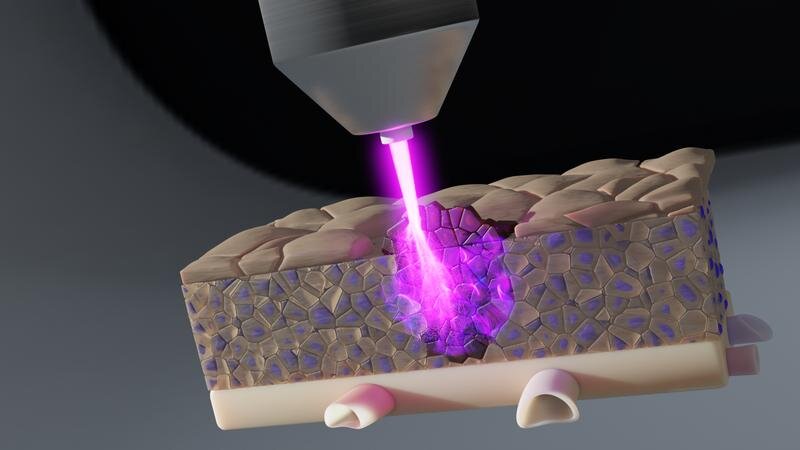
Researchers have demonstrated that cold plasma can penetrate deep into tissue to effectively target and destroy tumor cells, even in deeper layers, by using new tissue models to understand the role of reactive molecules, potentially improving cancer treatments.
Researchers at Columbia Engineering have developed a novel cancer treatment platform called CAPPSID that uses tumor-seeking bacteria to deliver and activate cancer-killing viruses directly inside tumors, effectively bypassing the immune system and enhancing targeted therapy. The system employs Salmonella bacteria to carry the virus into tumors, where it is released to infect cancer cells, with safeguards to prevent spread outside the tumor. Validated in mice, this innovative approach aims to improve the safety and efficacy of bacterial and viral cancer therapies, with efforts underway to translate it into clinical applications.
Researchers at Columbia University developed CAPPSID, a novel cancer treatment that uses bacteria to deliver and activate viruses inside tumors, enhancing safety and effectiveness by shielding the virus from immune detection and controlling its spread, with promising results in mice.
Researchers found that fermenting stevia with a bacterium from banana leaves enhances its ability to target pancreatic cancer cells while sparing healthy cells, potentially due to the formation of a more active compound called CAME, which induces cancer cell death and alters gene activity, offering a promising natural approach for cancer treatment.