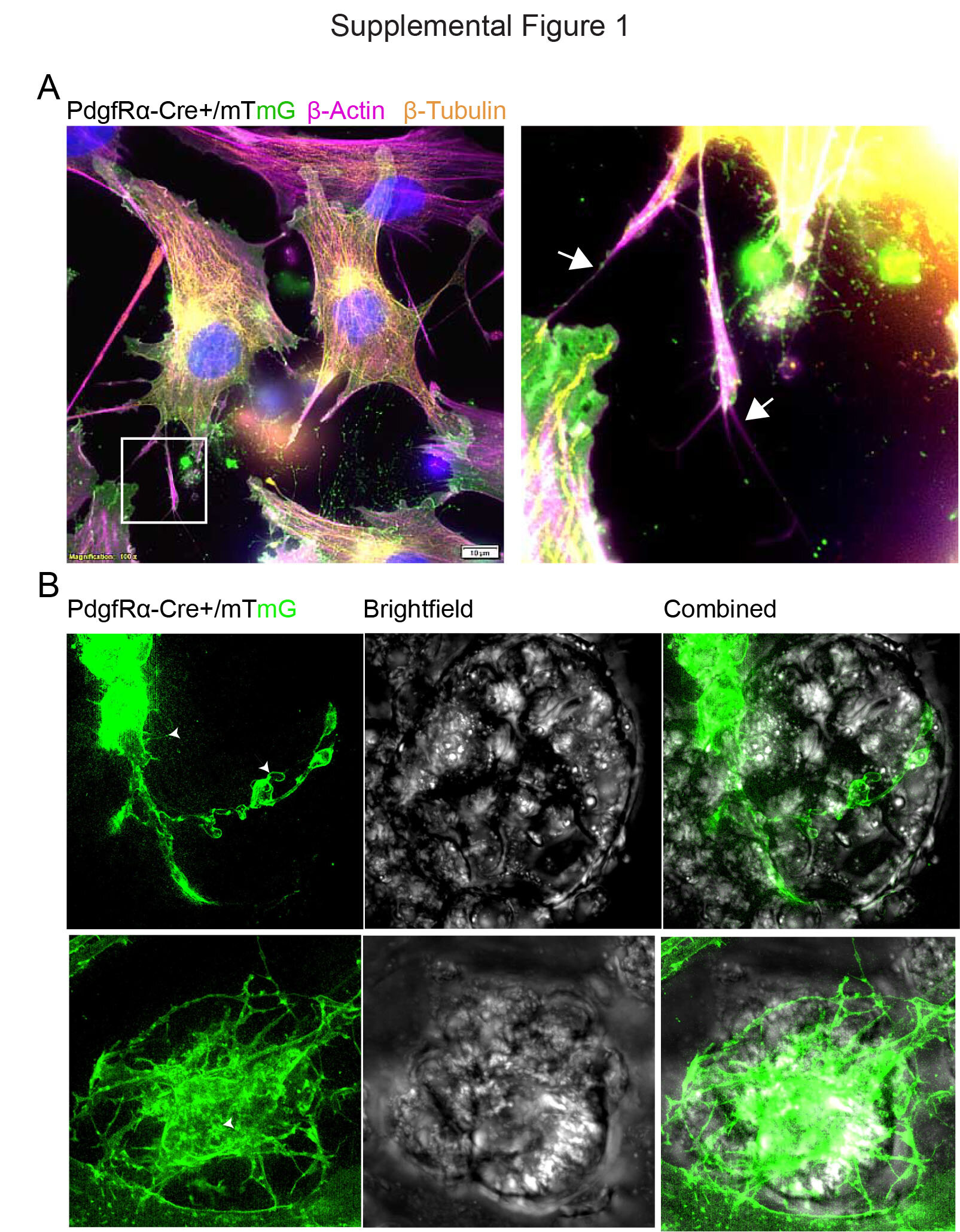
Scientists discovered that support cells called telocytes in the gut use neuron-like extensions to deliver signals directly to stem cells, challenging previous assumptions and opening new avenues for treating gut diseases and improving regenerative therapies.
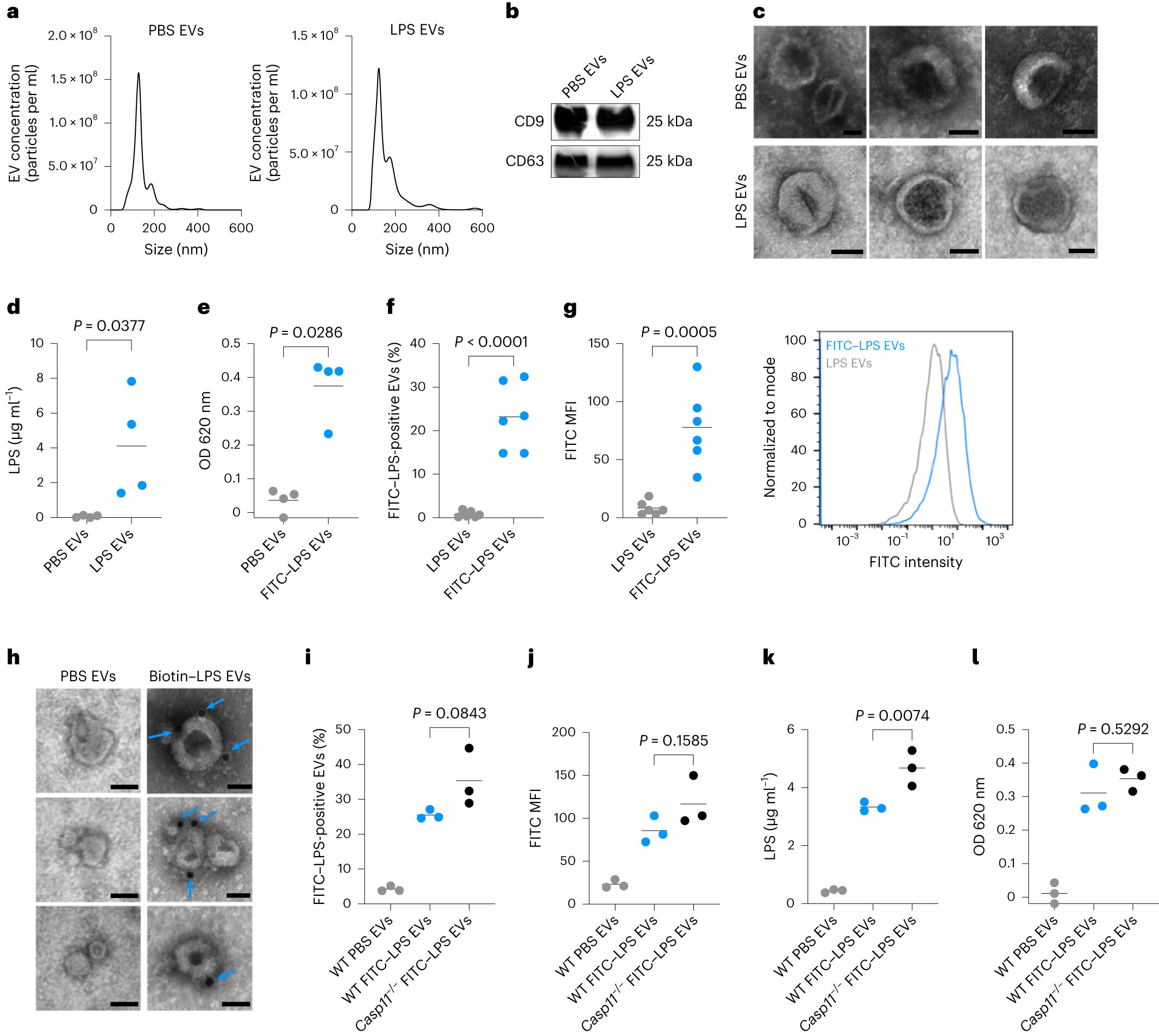
Researchers at the University of Connecticut have discovered that extracellular vesicles (EVs), tiny bubbles produced by human cells, can pick up bacterial products and deliver them to other cells. This finding sheds light on how bacteria, whether beneficial or infectious, impact our health. The EVs act as messengers, carrying molecules that inform the behavior and growth of the receiving cells. Additionally, the EVs can capture pieces of bacteria, which are then transported inside human cells. This mechanism plays a role in immune surveillance and can either help maintain proper bodily functions or lead to inflammation, depending on the type of bacteria and product involved.
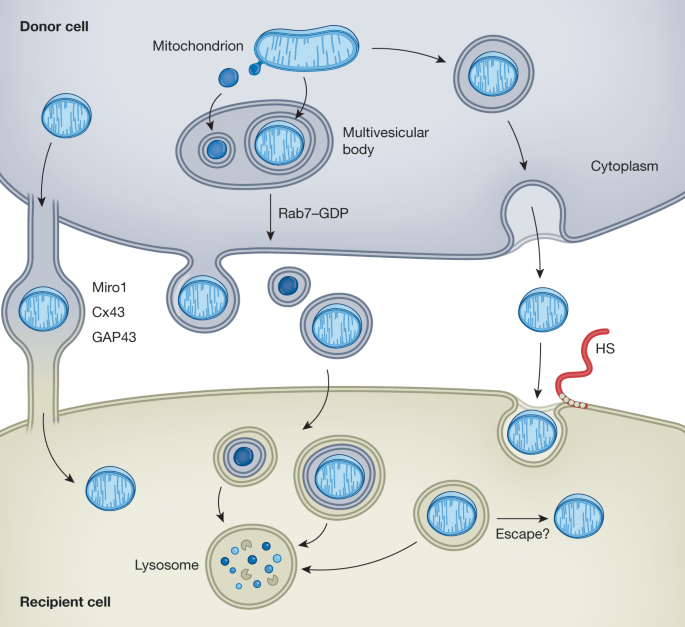
Mitochondria transfer, facilitated by tunneling nanotubes, has emerged as a crucial mechanism for intercellular communication and cellular health. Research has shown that mitochondria can be transferred between cells to rescue aerobic respiration, support energetically demanding processes, and protect against various diseases and injuries. This transfer has been observed in different cell types, including stem cells, cancer cells, and immune cells, and has been found to have therapeutic potential in conditions such as acute lung injury, ischemia-reperfusion injury, and neurodegenerative diseases. Additionally, recent studies have revealed the release of mitochondria in extracellular vesicles, further expanding the understanding of interorgan mitochondrial transport. These findings highlight the power and potential of mitochondria transfer in various biological processes and medical applications.
Researchers have discovered that the midbody remnant, previously thought to be a cellular waste product, contains genetic material that can influence the fate of other cells, including promoting the development of cancer. The midbody, formed during cell division, contains RNA and cellular machinery necessary for protein production. These RNA blueprints are not related to cell division but instead play a role in cell communication and activities such as pluripotency and oncogenesis. Midbody remnants can be released into the bloodstream and taken up by other cells, potentially altering their behavior. The findings suggest that targeting midbody RNA could be a promising approach for cancer detection and therapeutics.
Researchers have developed a technique to identify and trace cell-secreted molecules, known as exerkines, produced during physical activity. The study found nearly 200 different proteins whose presence in the blood changes due to exercise, indicating that the effects of physical activity are widespread across many tissues and organ systems. The cells that were most responsive to exercise were a poorly understood type of cell named for a particular protein receptor (Pdgfra), found in many different tissues and organs. The study raises many questions for follow-up, including the role of Pdgfra cells in different tissues and the potential anti-inflammatory effects of other exerkines.