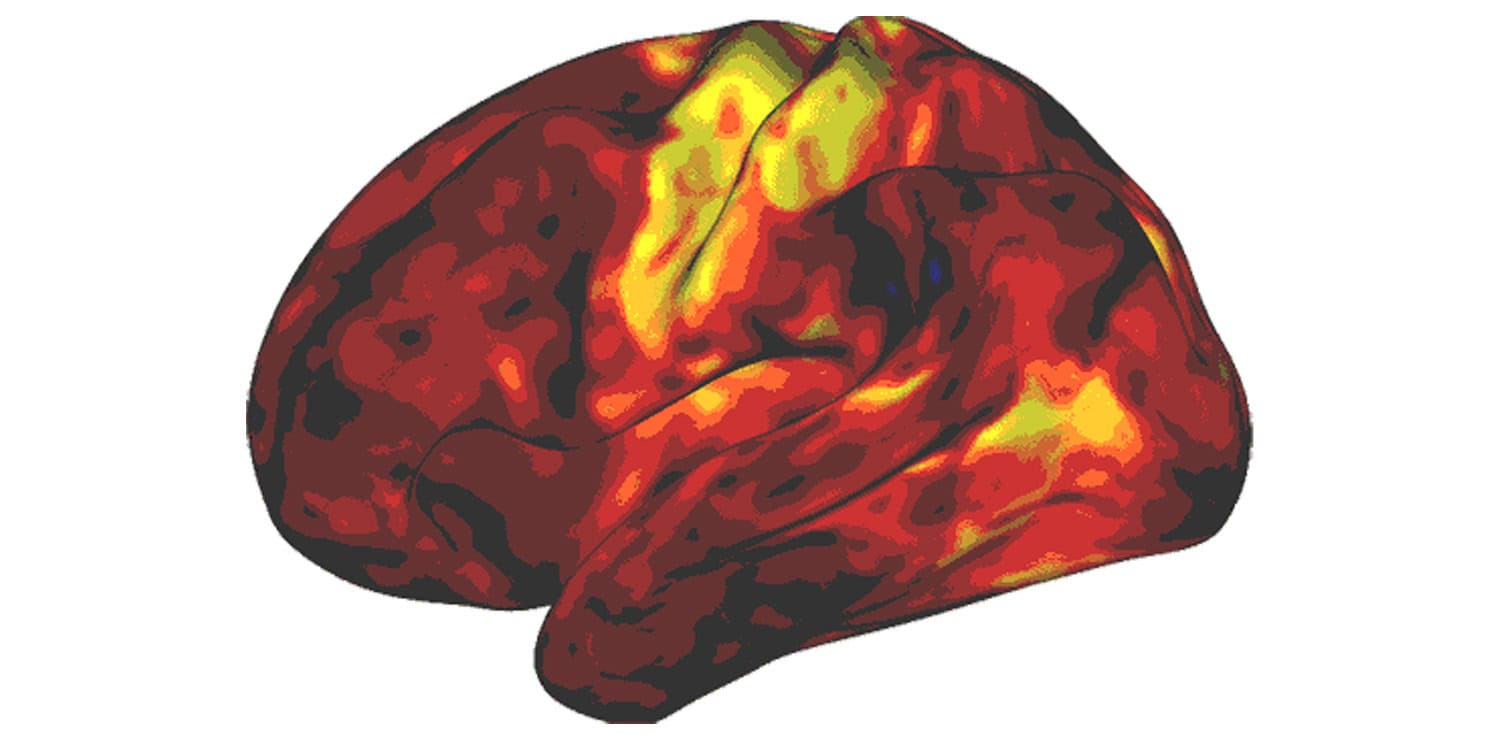
A large brain imaging study reveals that ADHD medications like Adderall and Ritalin primarily affect brain regions related to arousal and wakefulness, not attention networks as previously believed. These drugs mimic the brain patterns of good sleep, effectively rescuing sleep-deprived children temporarily, but do not enhance cognitive abilities in well-rested children. The findings suggest that sleep issues may underlie some ADHD symptoms and highlight the importance of addressing sleep health.
A new study reveals that ADHD medications like methylphenidate primarily act on brain networks related to wakefulness and reward, rather than attention control, by enhancing arousal and motivation, and can mask sleep deprivation effects, challenging traditional views of how these drugs work.
A study uncovers a brain pathway involving BNST GABAergic neurons and DpMe glutamatergic neurons that rapidly converts emotional stress into wakefulness during NREM sleep, offering potential targets for treating stress-related insomnia.
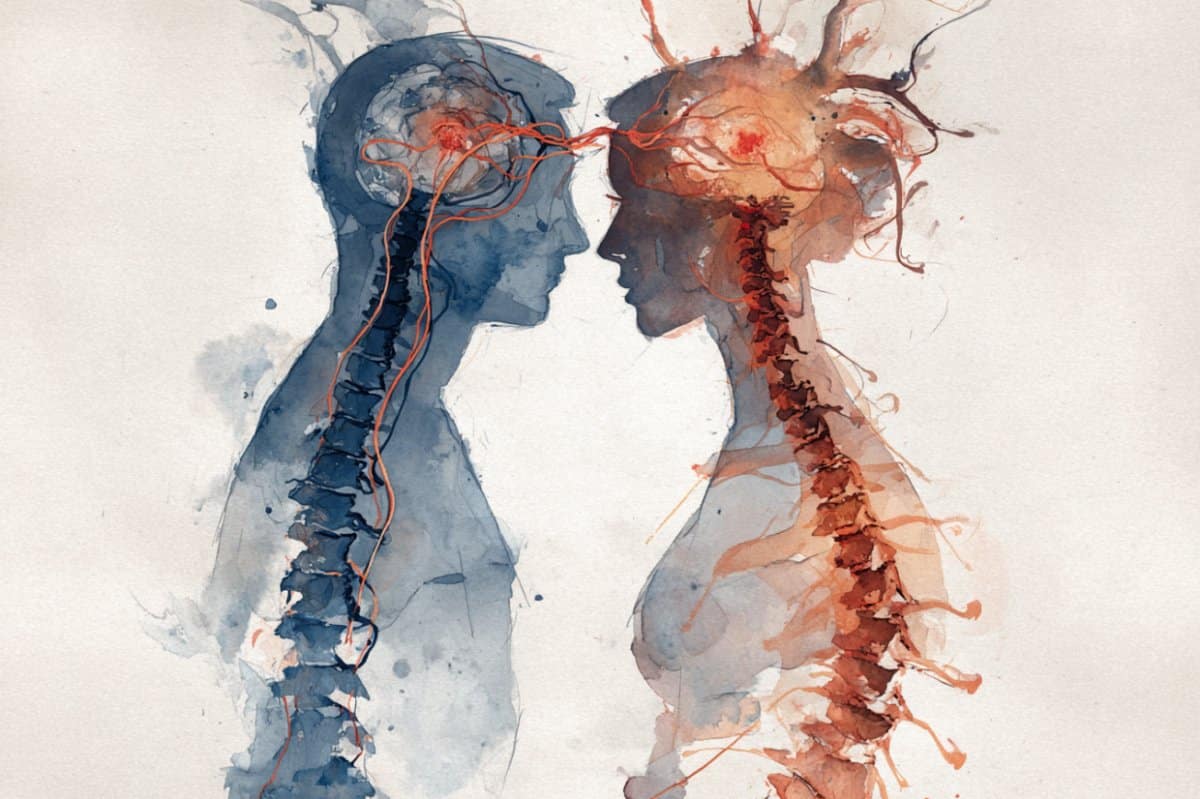
A new study reveals that the spinal cord, specifically Galanin-expressing neurons, actively participates in regulating male sexual arousal and ejaculation in mice, challenging the traditional view that the brain solely controls these behaviors and highlighting the spinal cord as an integrated, active component in sexual function.
Fans speculate that Ricky Martin may have been aroused during Madonna's concert in Miami while judging a "Vogue" ballroom competition on stage with the pop diva. Social media erupted with comments and questions about the singer's excitement, but many fans were simply delighted to see him living his best life and enjoying the show. Ricky Martin later expressed his gratitude to Madonna for inviting him to be part of the electrifying segment.
Researchers from NYU Tandon investigated the impact of personalized music on cognitive performance and arousal, inspired by the Yerkes-Dodson law in psychology. The study found that music with exciting components led to overall better performance, aligning with the law's inverted U-shaped relationship between arousal and performance. The research suggests the potential for developing a personalized brain-computer interface to regulate internal brain states during everyday activities, offering insights into how music choices can influence productivity.
A new review of 154 studies suggests that activities such as hitting a punching bag or jogging are not effective in managing anger, as they can increase arousal and aggression levels. Instead, engaging in activities that decrease arousal, such as deep breathing, muscle relaxation, yoga, meditation, and mindfulness, has been found to effectively control angry feelings and aggressive impulses across diverse settings and for various demographics. The research emphasizes the importance of evidence-based tools for effective anger management, offering simple and free techniques for reducing anger and fostering healthier outcomes.
New research suggests that venting anger is not effective at reducing rage, and instead, techniques such as deep breathing, mindfulness, meditation, yoga, or counting to 10 are more effective at decreasing anger and aggression by lowering physiological arousal. Activities that increase arousal, such as jogging, were found to be generally ineffective or even counterproductive. The study, involving over 150 studies and 10,000 participants, highlights the importance of reducing arousal levels to manage anger, and suggests that strategies for coping with stress can also be beneficial for anger management.