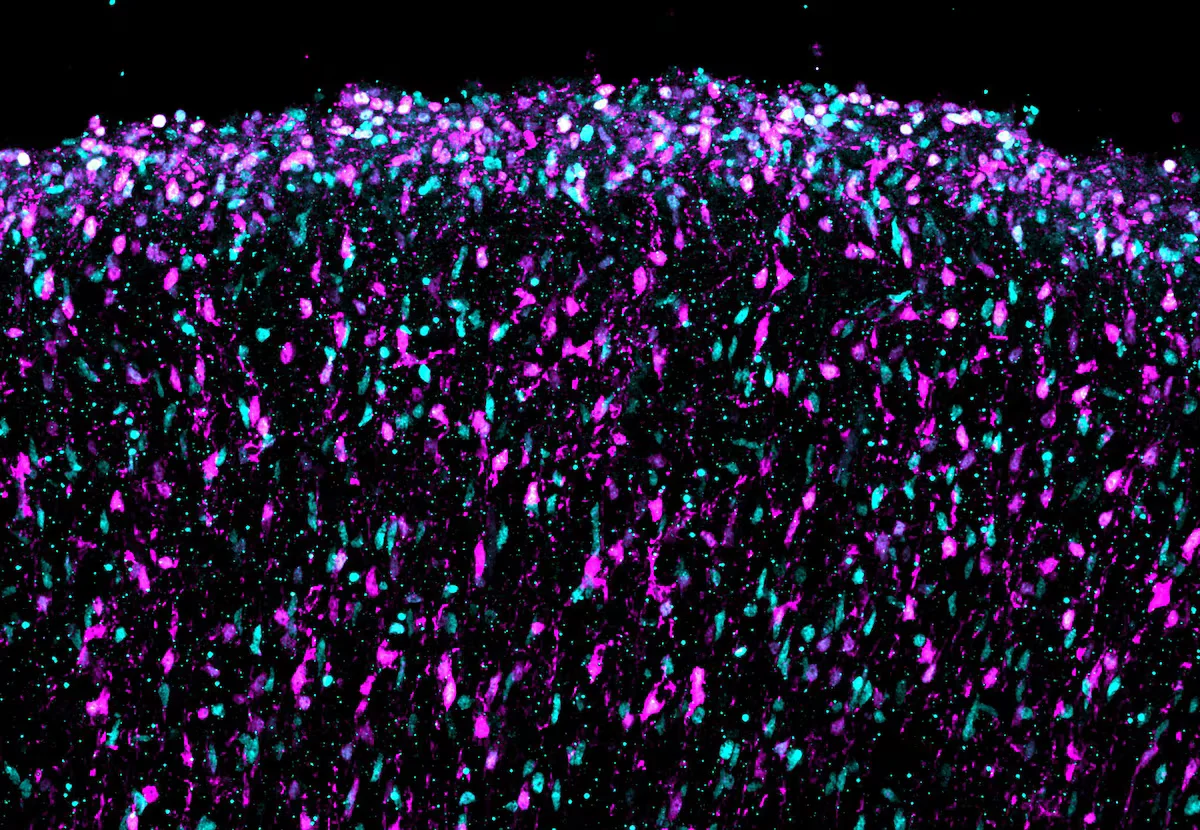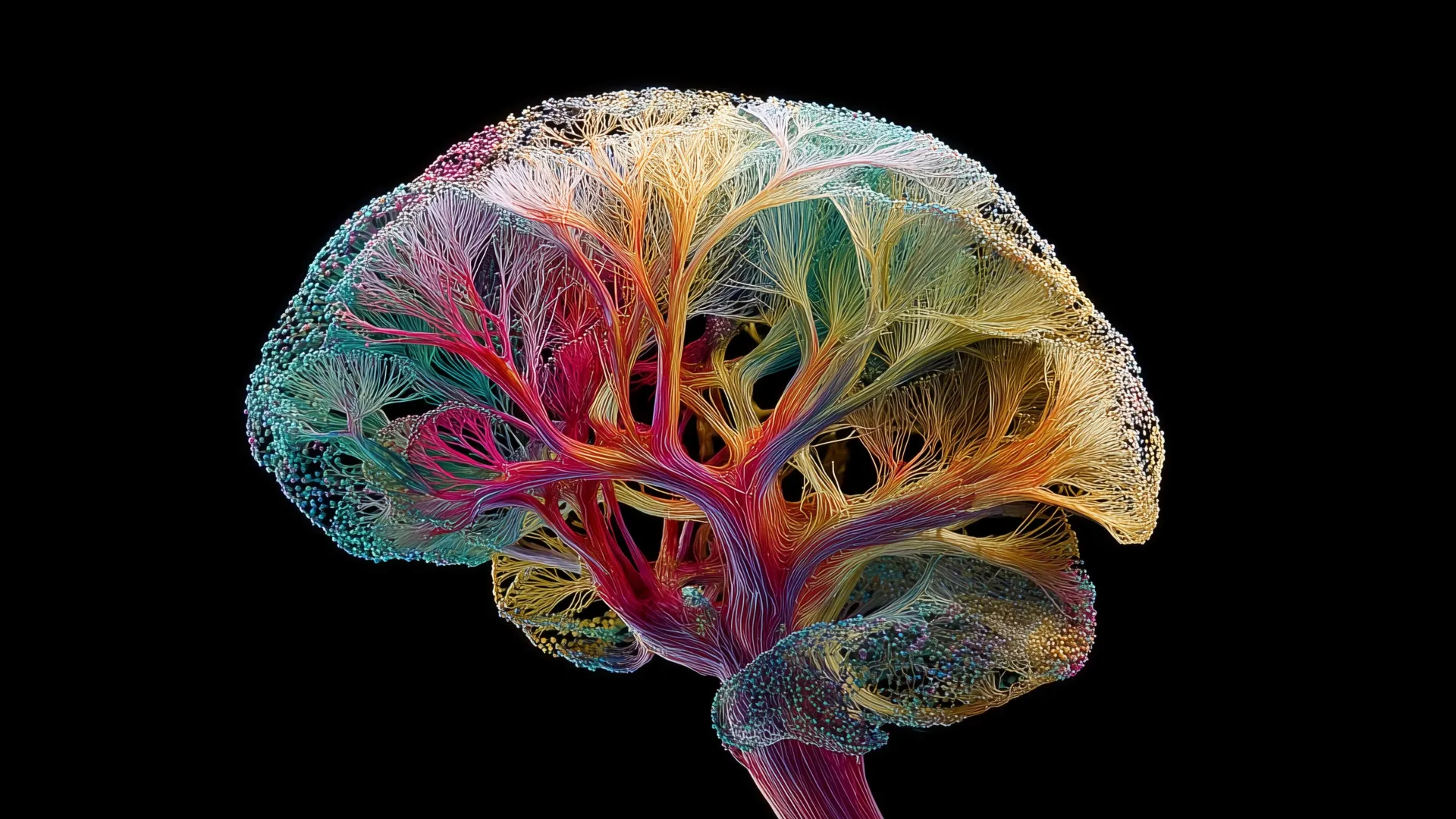
A team led by Tomasz Nowakowski is creating the first detailed map of the human brain's development from embryo to adulthood, aiming to better understand mental disorders and brain formation using advanced technologies and cell analysis, building on historical and recent neuroscience research.
A new AI-powered brain atlas called NextBrain provides unprecedented detail of the human brain, mapping 333 regions at cellular resolution by integrating microscopy and MRI data from post-mortem brains. This open-access tool enables rapid, precise analysis of living brain scans, improving early diagnosis of neurological diseases like Alzheimer's and advancing brain research. It was developed over six years using AI to align and label microscopic slices, and has been validated on thousands of MRI scans, offering a significant leap forward in neuroimaging and understanding brain structure and aging.
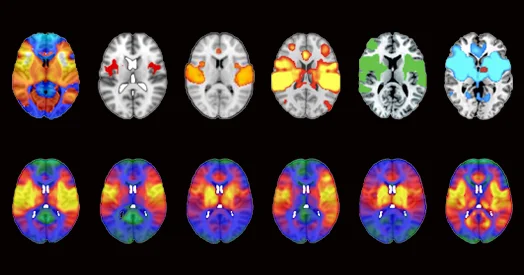
New research using MRI data and meta-analysis tools reveals that the brain's connectivity patterns serve as unique fingerprints for different regions, strongly linking structure to function across various mental activities, providing a comprehensive baseline for understanding healthy brain organization and potential neurological disorders.
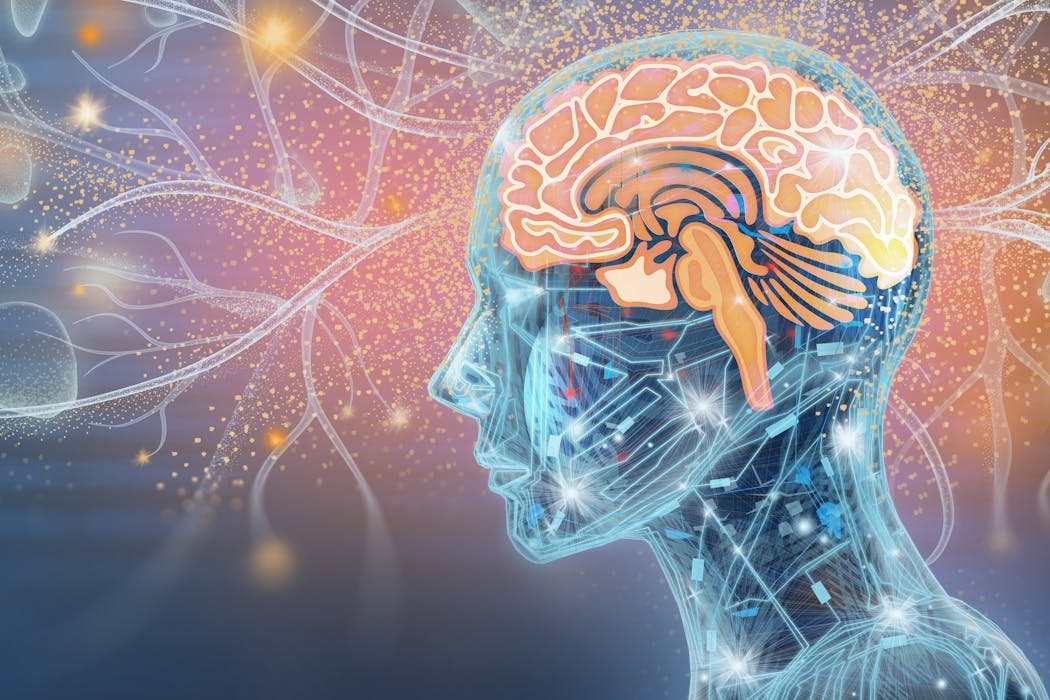
The article explores the possibility of uploading human consciousness into a computer, discussing the scientific challenges such as detailed brain mapping and sensory simulation, and suggests that while theoretically possible, it remains a distant goal likely beyond the next century, though technological progress continues to accelerate.
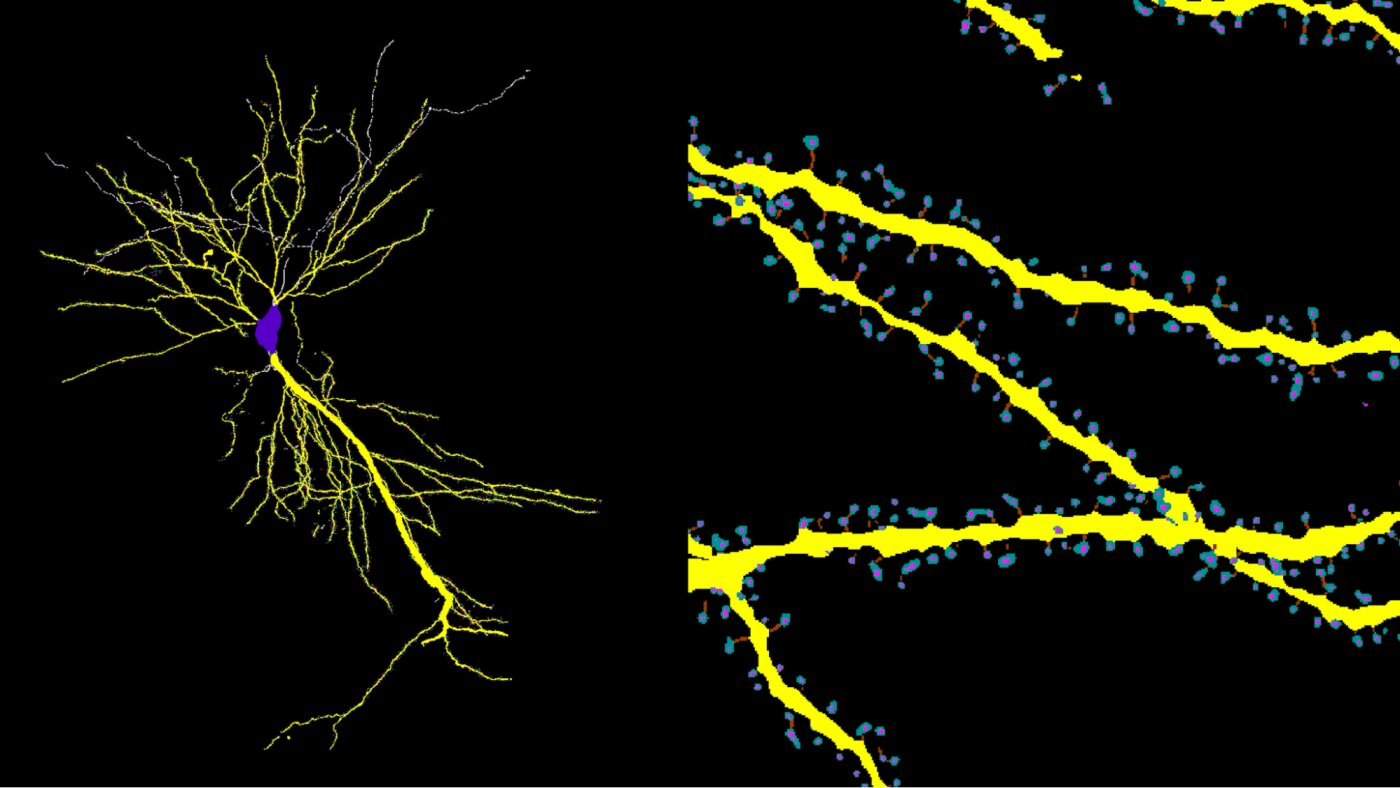
Researchers at Columbia's Zuckerman Institute have developed RESPAN, an open-source AI-powered software that automatically maps and analyzes dendritic spines on neurons, significantly speeding up and improving the accuracy of neuron analysis, which is crucial for understanding neurodegenerative diseases.
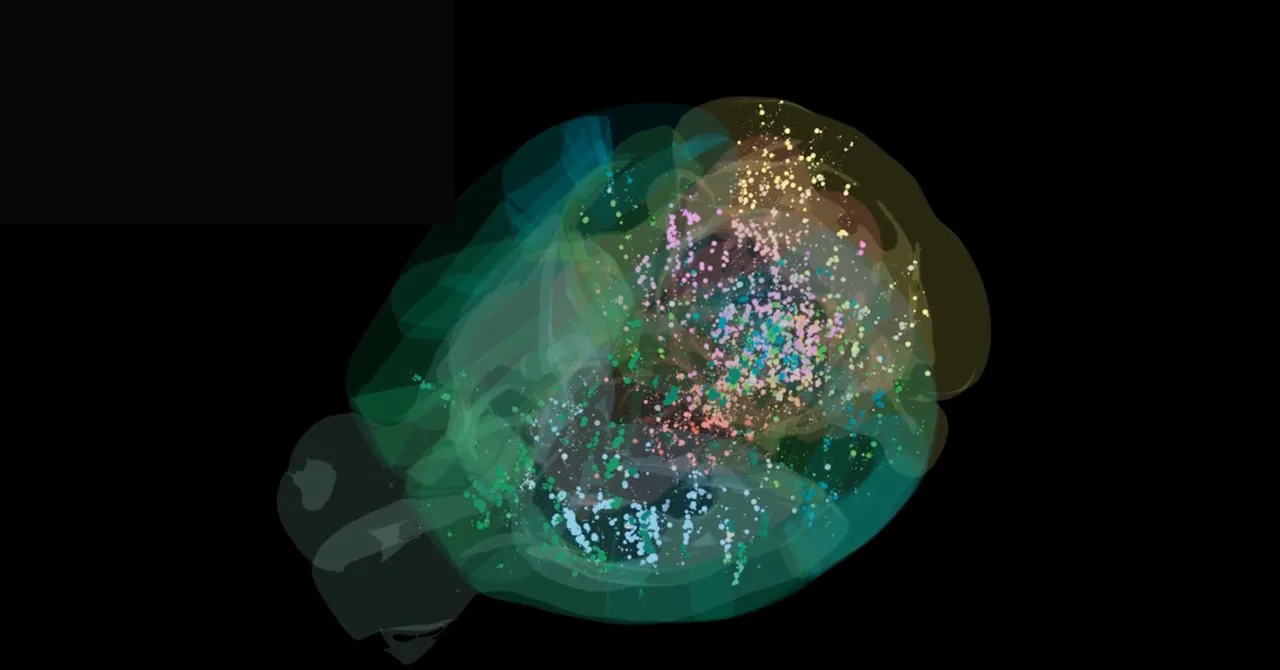
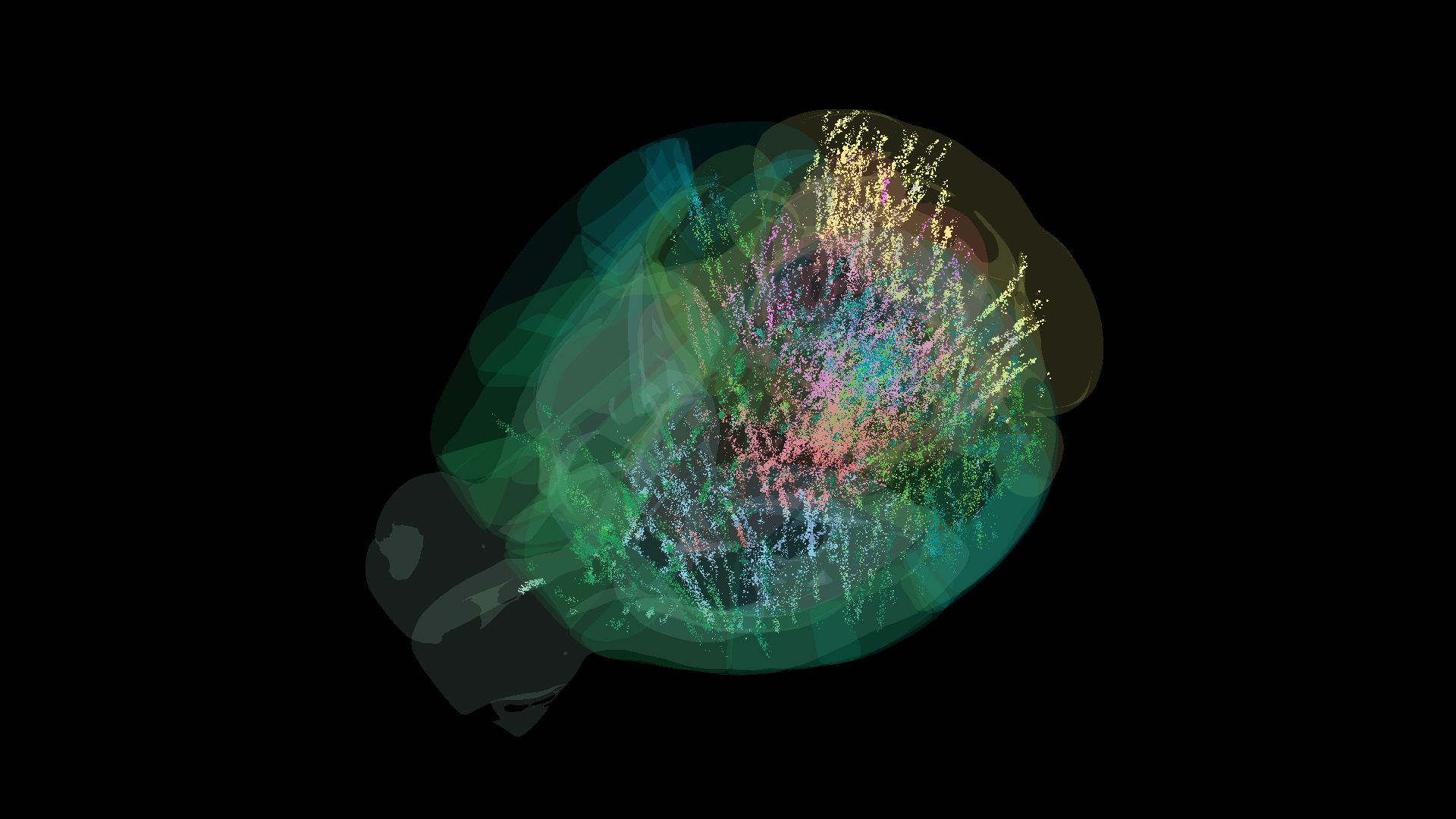
Scientists from twelve labs worldwide have successfully mapped the entire brain activity of mice during decision-making, recording over half a million neurons across 95% of the brain, marking a significant breakthrough in understanding neural processes involved in decision-making.
A recent study suggests that humans share similar neural responses to color perception, indicating that the experience of color like red may be more universally consistent across brains than previously thought, though philosophical questions about subjective experience remain unresolved.
A groundbreaking international study mapped over 600,000 neurons across nearly the entire mouse brain, revealing that decision-making involves more brain regions than previously thought, challenging traditional models and highlighting the importance of collaborative, standardized research in neuroscience.
A recent study published in Nature Neuroscience challenges the long-held belief that the brain's body map reorganizes after limb amputation. Instead, the research shows that the brain's representation of the missing limb remains stable for years, which has significant implications for understanding phantom limb sensations and developing prosthetic technologies. The findings suggest that therapies targeting brain map reorganization may be ineffective, and future approaches should focus on nerve signaling and brain-computer interfaces.
A new study published in Nature Neuroscience challenges the long-held belief that the brain's body map reorganizes itself after limb amputation. Researchers found that the brain's representation of the missing limb remains stable even years after amputation, which has implications for understanding phantom limb sensations and developing prosthetic technologies. The findings suggest that therapies targeting brain map reorganization may be ineffective, and future approaches should focus on nerve signaling and brain-computer interfaces.
A new study using magnetoencephalography and the FREQ-NESS algorithm reveals how musical rhythms instantly reconfigure brain activity, showing dynamic shifts in brain networks and oscillations in response to rhythmic sounds, with potential applications in clinical and therapeutic settings.
A groundbreaking study maps the distinct neural pathways for sensing cool temperatures in mice, revealing that cool and warm sensations travel on separate circuits to the brain, which could have implications for understanding human sensory processing and developing targeted therapies.
A study using high-resolution brain recordings reveals how different brain regions encode words and syntactic roles during sentence construction, showing that the brain's handling of language is dynamic and influenced by grammatical complexity, with implications for understanding language processing and evolution.
A study by Georgia State University researchers has uncovered hidden brain network patterns in schizophrenia using advanced statistical tools to analyze nonlinear connectivity. This approach reveals disruptions in brain networks that traditional imaging methods miss, offering potential biomarkers for early diagnosis and targeted treatments. The findings could revolutionize the understanding and diagnosis of brain disorders by highlighting previously unrecognized dimensions of brain organization.
Neuroscientists have developed a detailed functional map of the brain by analyzing fMRI scans of individuals watching films, identifying 24 distinct networks that process various aspects like faces, speech, and movement. This study, using data from the Human Connectome Project, reveals how executive functions shift between easy and challenging scenes, providing insights into brain responses to complex audio-visual stimuli. The findings could aid future research on individual brain responses related to age or cognitive disorders.