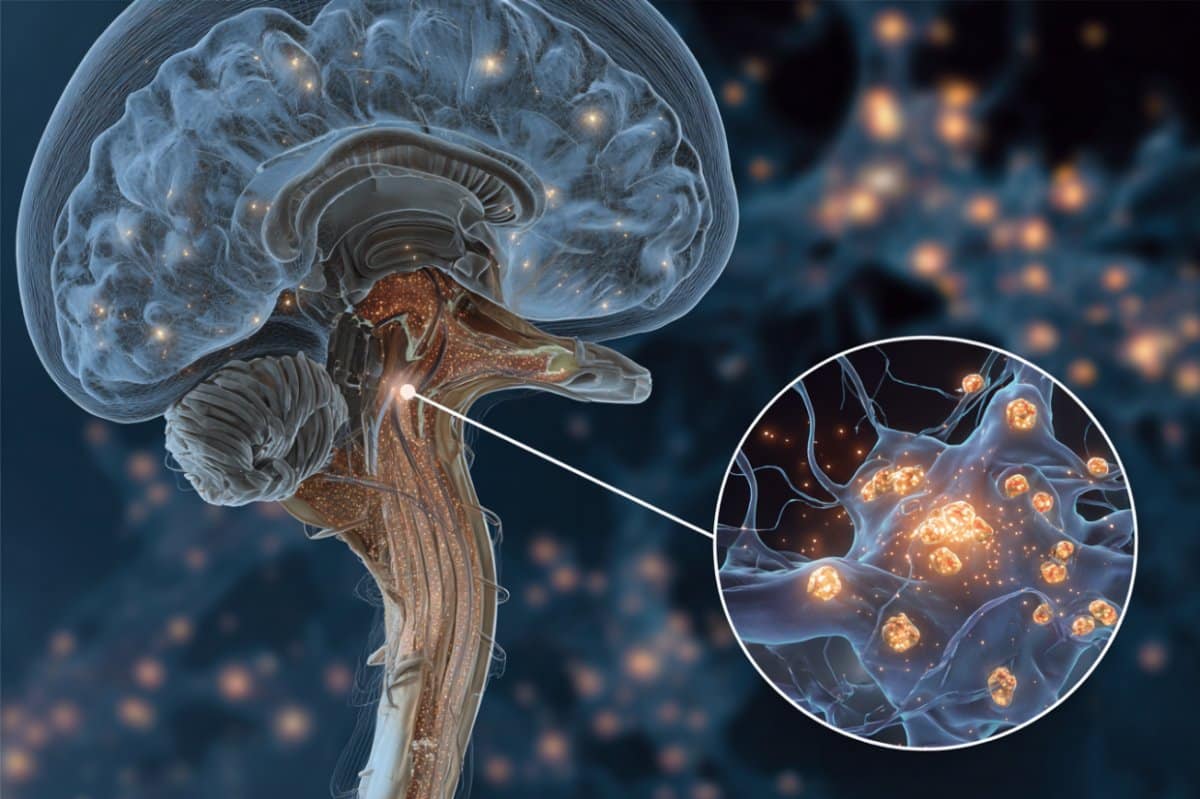
Scientists have discovered a detailed 'pain map' in the human brainstem that activates differently depending on the body part experiencing pain, paving the way for targeted, opioid-free pain treatments.
Scientists have discovered a specific group of neurons in the brainstem that are active in chronic pain and produce a molecule called neuropeptide Y (NPY) that acts as a natural painkiller, opening potential pathways for new pain treatments.
Scientists have identified a specific group of neurons in the brainstem's parabrachial nucleus that are activated during chronic pain and produce a molecule, neuropeptide Y (NPY), which acts as a natural painkiller. This discovery suggests potential for developing new pain treatments that activate this molecule, offering hope for safer alternatives to opioids.
A study from Hebrew University reveals that neurons in the brainstem's medullary dorsal horn respond differently to acute and chronic pain, with a failure of the natural 'braking' mechanism involving A-type potassium currents in chronic pain, potentially guiding new treatments to restore this regulation and prevent pain from becoming chronic.
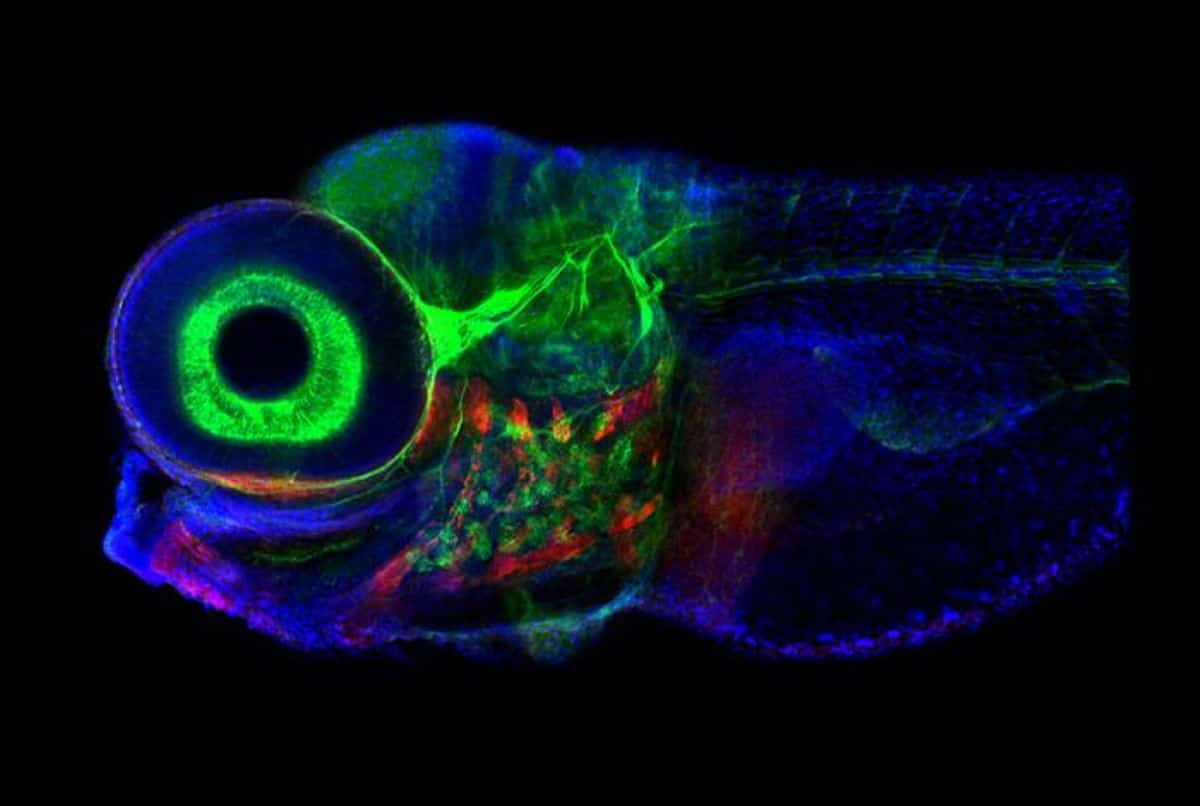
Researchers at Weill Cornell Medicine used zebrafish larvae to study how brainstem neurons guide gaze and maintain short-term memory. By mapping neuronal circuits, they developed a computational model that accurately predicted network activity, offering insights into visual-motor systems and potential treatments for eye movement disorders. The study highlights the zebrafish's simple neural anatomy as a valuable model for understanding complex brain functions.
Researchers are exploring the similarities between Long Covid and post-concussion syndrome, noting shared symptoms like fatigue and cognitive issues. They believe that understanding these parallels could lead to new diagnostic and treatment methods, potentially involving advanced imaging technologies and psychedelic drugs. This approach may also provide insights into related conditions like Chronic Fatigue Syndrome.
Researchers found that the fungus Fusarium solani aggressively attacked the brainstem of patients who developed fungal meningitis after undergoing cosmetic procedures in Mexico. The contaminated epidural anesthesia introduced the fungus into the patients’ cerebrospinal fluid, leading to strokes, brain hemorrhages, and increased brain pressure. Early treatment is crucial, but many patients were not evaluated promptly. The outbreak was likely caused by contaminated morphine in the epidural solution, and experts warn of potential future fungal outbreaks. Patients considering medical tourism should consult healthcare providers, research facilities, and purchase travel insurance.
Researchers have identified a potential brain mechanism associated with sudden unexpected death in epilepsy (SUDEP). By studying individuals with uncontrollable epilepsy, they found a correlation between the amygdala, a brain region involved in emotion processing, and postictal apnea, a dangerous pause in breathing after a seizure. Seizures originating in specific amygdala subregions may suppress breathing and the alarm signal of "air hunger," potentially through novel connections to the brainstem. These findings provide insights into SUDEP and open avenues for further research, preventive measures, and targeted treatments.
Researchers at the University of Copenhagen have identified a group of cells in the brainstem called the pedunculopontine nucleus (PPN) that are responsible for a "freeze frame" effect, where the body enters a state of suspended animation. This discovery could help understand the progression of symptoms in neurodegenerative conditions like Parkinson's disease and potentially lead to better therapies. The PPN's malfunctioning may be linked to the slowed or arrested movements seen in individuals with Parkinson's.