Tag

Brain Disorders

All articles tagged with #brain disorders

science28 days ago

Challenges in Interpreting BOLD MRI Signals and Brain Metabolism

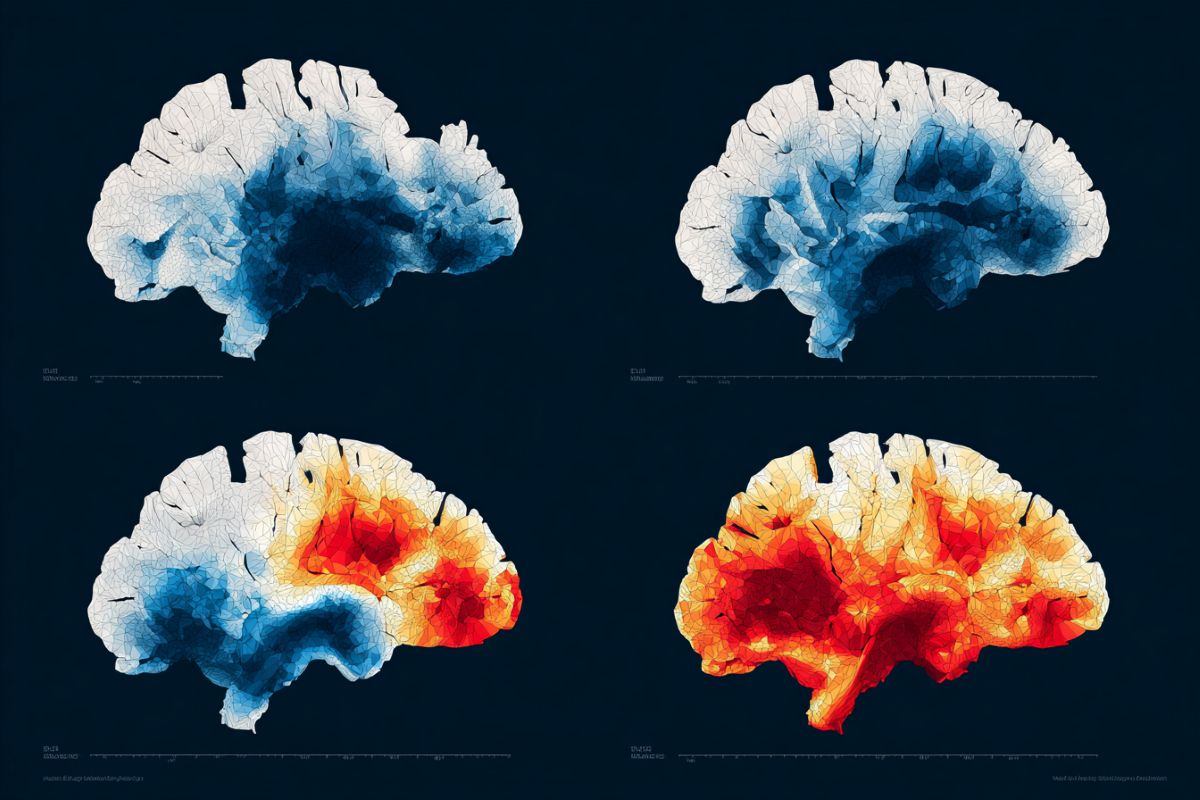
Recent research reveals that fMRI signals often misrepresent actual neural activity, with about 40% of cases showing increased signals where neural activity is reduced, due to regions extracting more oxygen without increased blood flow. This challenges long-standing assumptions in brain imaging and suggests a need for direct energy consumption measurements to better understand brain function and disorders.


health2 months ago

Camelid Antibodies Offer New Hope for Alzheimer's Treatment

A new study suggests that nanobodies, small antibody-like proteins found in camelids like alpacas, could be developed into treatments for brain disorders such as Alzheimer's, offering potential advantages over traditional antibodies due to their size and ability to passively enter the brain, though further safety and efficacy testing is needed before clinical trials.

health1 year ago

"Landmark Study Reveals Sources of Parkinson's, Tourette's, and OCD"

Scientists have used Deep Brain Stimulation (DBS) to identify dysfunctional brain circuits responsible for Parkinson's, Tourette's syndrome, OCD, and dystonia, offering a potential path to target the sources of these common brain disorders. This breakthrough could lead to the development of cures or better medications to alleviate symptoms. Additionally, a new gene change in a microprotein called SHLP2 has been discovered, which protects against Parkinson's and could lead to new treatments, offering hope for precision medicine-based therapies for these devastating diseases.

health1 year ago

"Breakthrough Study Reveals Origins of Parkinson's, Tourette's, and OCD"

Scientists at Mass General Brigham have identified the sources of Parkinson’s, Tourette’s syndrome, OCD, and dystonia in a groundbreaking study using Deep Brain Stimulation (DBS) to pinpoint dysfunctions in the brain responsible for these disorders. By lighting up parts of the brain and using electrodes, they were able to identify malfunctioning networks and understand why DBS has been helping patients. This breakthrough could lead to the development of better remedies and medications for these common brain disorders, offering hope for potential cures in the future. Additionally, a previously unknown genetic mutation that provides significant protection against Parkinson's has been identified, potentially leading to new medical treatments for the condition.

health1 year ago

"Uncovering Sources of Four Brain Disorders for Potential New Treatments"

Researchers at Mass General Brigham have used deep brain stimulation (DBS) to identify dysfunctional brain circuits responsible for Parkinson’s disease, dystonia, obsessive compulsive disorder (OCD), and Tourette's syndrome, potentially leading to new treatments. The study, published in Nature Neuroscience, involved 261 patients and showed preliminary improved results in three cases. While the findings provide hope for personalized therapies, experts caution that the study's small sample size requires further validation through prospective trials. The research marks the first step in defining the "human dysfunctome," and may lead to more sophisticated mapping techniques and new therapeutic avenues for neurological conditions.

health1 year ago

"Revolutionizing Neurotherapy: The Promise of Low-Intensity Focused Ultrasound"

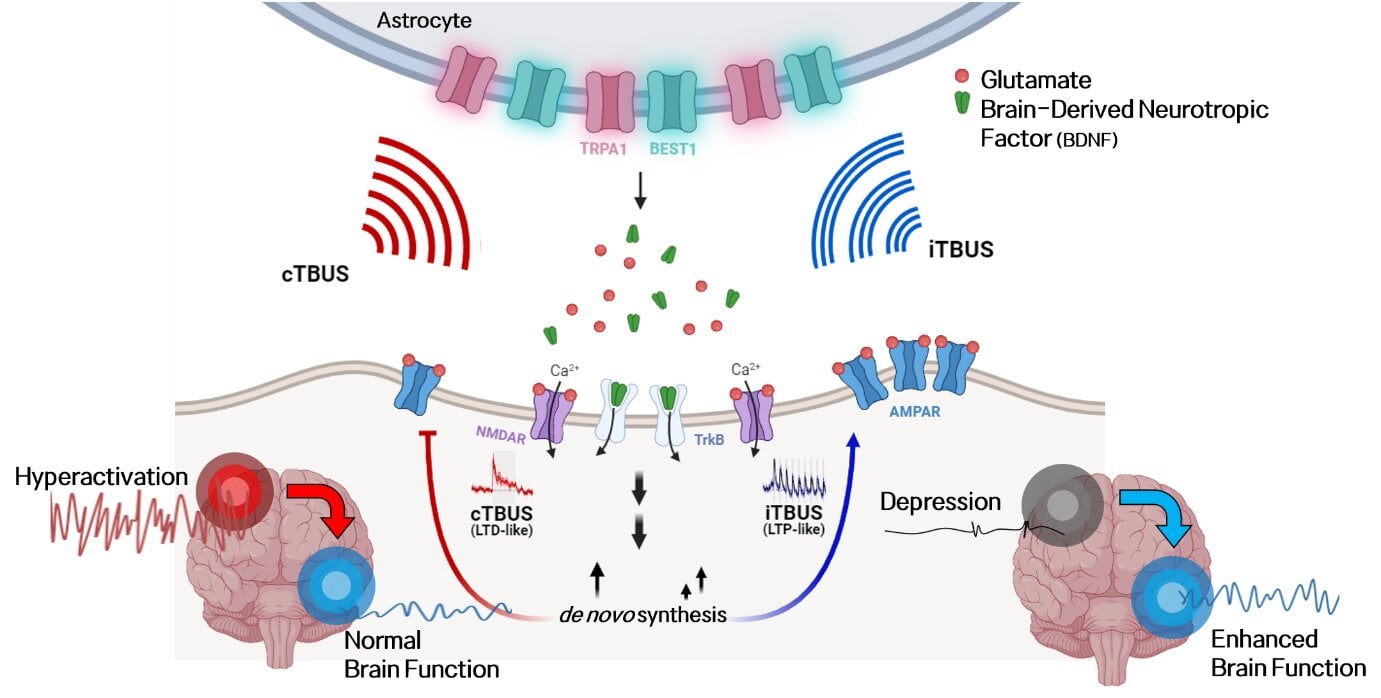
A new non-invasive brain stimulation technique called Patterned Low-Intensity Low-Frequency Ultrasound (LILFUS) has been developed by researchers, showing promise for treating brain disorders. This technique, which uses ultrasound to stimulate specific brain areas, has the potential to induce long-lasting changes in brain function by modulating neural plasticity. The study found that LILFUS can improve motor skill learning and may have applications in treating conditions such as depression. The researchers plan to continue studying the technology for the treatment of brain disorders and the enhancement of cognitive functions.

health-covid-191 year ago

Study Shows Small Increase in Heart and Brain Disorders Linked to COVID Vaccines

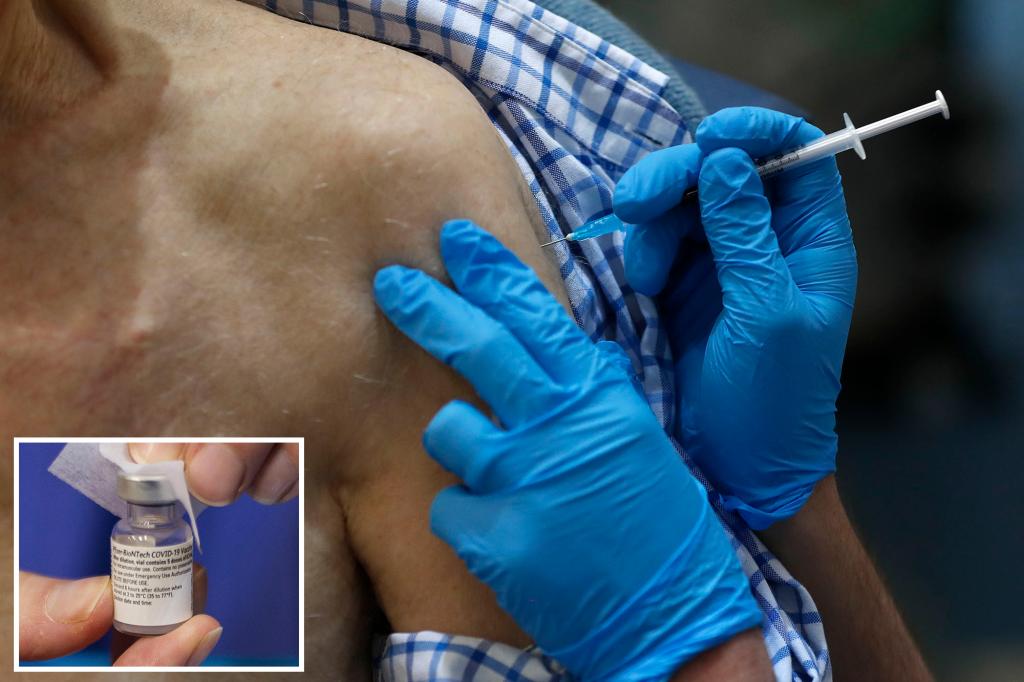
A large vaccine study found that COVID vaccines from Pfizer, Moderna, and AstraZeneca are linked to rare occurrences of heart, brain, and blood disorders, including myocarditis, pericarditis, blood clots in the brain, Guillain-Barre syndrome, and other conditions. While the study identified increased risks, experts emphasize that the benefits of vaccination still outweigh the risks, especially compared to the potential risks of contracting COVID-19.

science-and-technology2 years ago

Unveiling the Complete Cellular Map of a Mammalian Brain

Researchers have created the first comprehensive cell atlas of a mammalian brain, mapping over 32 million cells in the mouse brain. This atlas, part of the NIH BRAIN Initiative, offers unprecedented insights into brain cell types and connections, advancing our understanding of the human brain and aiding in developing new treatments for brain disorders.

neuroscience2 years ago

Unveiling the Hidden Power of White Matter in the Brain

A groundbreaking study conducted by researchers at Vanderbilt University has used functional magnetic resonance imaging (fMRI) to detect significant brain activity in white matter, challenging the conventional focus on gray matter. The study observed increased blood oxygenation-level dependent (BOLD) signals in white matter when subjects performed tasks, suggesting the potential importance of white matter in understanding various brain disorders. The researchers aim to further investigate these white matter signals and their biological basis, as well as their implications for brain function and connectivity.

neuroscience2 years ago

"Unveiling the Brain's Response to Blue Light: Scientists Capture Powerful Signal in White Matter"

Scientists at Vanderbilt University have used functional magnetic resonance imaging (fMRI) to detect blood oxygenation-level dependent (BOLD) signals in the white matter of the brain. They found that when individuals performed tasks during brain scans, BOLD signals increased in white matter throughout the brain. This discovery challenges the historical focus on gray matter and suggests that white matter plays a significant role in brain activity. Further research will explore the implications for brain disorders and investigate the biological basis for these changes.

science-and-technology2 years ago

Unveiling the Human Brain: Mapping 3,000+ Cells to Revolutionize Disease Treatment

Scientists have mapped over 3,000 types of brain cells as part of a human brain atlas, allowing researchers to understand how the human brain differs from other animals and how it changes over time. The map could lead to improved treatments for brain disorders such as Alzheimer's and depression by providing insights into the effects of DNA variations on individual brain cells and identifying vulnerable or affected cells. This research is just the beginning, with more types of brain cells expected to be discovered and a deeper understanding of their functions and interactions.