A comprehensive review of long COVID identifies key symptom clusters, including fatigue, respiratory, neurologic, and other symptoms, highlighting the importance of personalized treatment approaches and the influence of demographic and viral factors on symptom presentation.
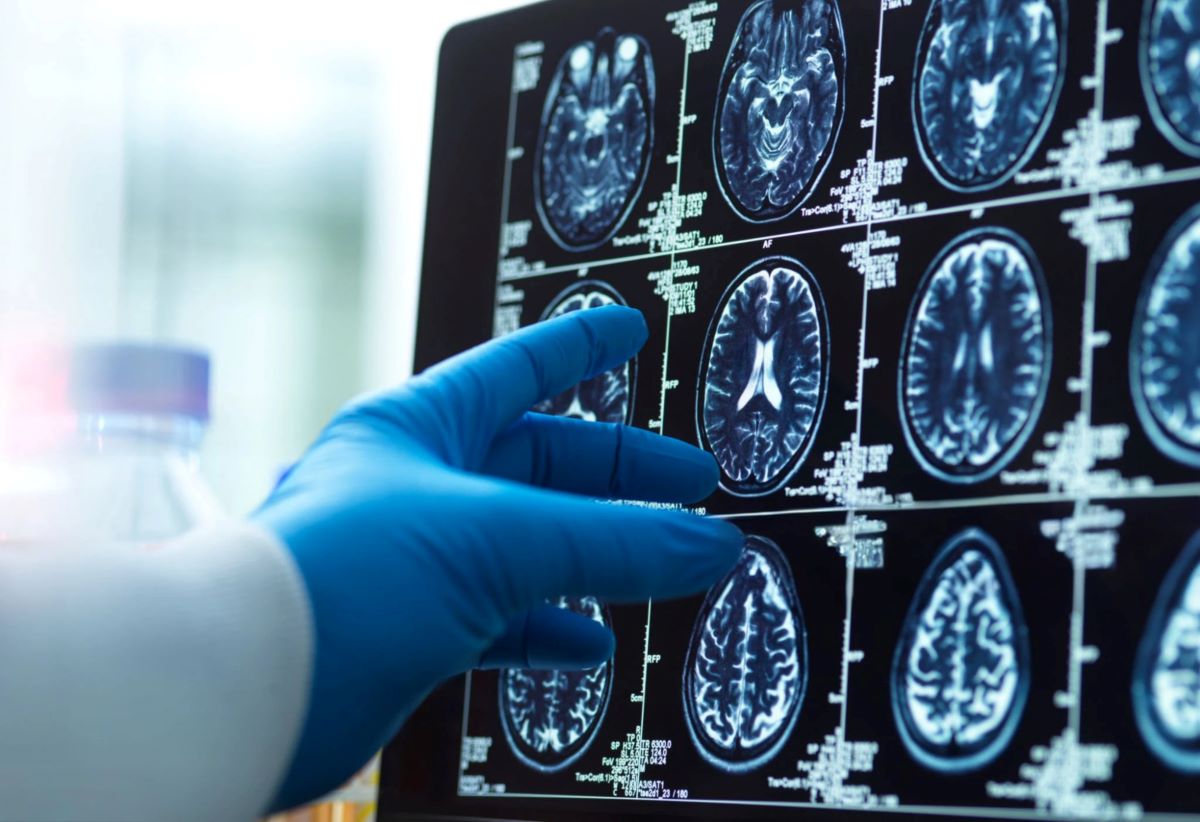
Research using advanced MRI techniques shows that COVID-19 can cause lasting changes in the brain even after full recovery, potentially leading to long-term neurological effects and cognitive issues, regardless of ongoing symptoms.
A new hypothesis suggests that damage to the brainstem caused by viral infections like COVID-19 may underlie symptoms of Long COVID and ME/CFS, potentially explaining their multi-system effects and guiding future research and treatments.
Researchers suggest that dormant infections like Epstein-Barr virus and tuberculosis may contribute to long COVID symptoms, highlighting the need to explore co-infections and immune system interactions for better understanding and treatment of the condition.
Research using advanced MRI techniques shows that COVID-19 can leave lasting effects on the brain, affecting both recovered individuals and those with Long COVID, potentially explaining ongoing cognitive issues.
New research suggests that long covid may be linked to chronic inflammation, with activated immune defenses persisting for over six months, leading to potential new treatment avenues targeting inflammation. The study highlights the need for further research and clinical trials to develop effective therapies for long covid, which affects millions worldwide.
The most common COVID-19 symptoms in December 2025 remain fever, cough, fatigue, and sore throat, with current variants like Nimbus and Stratus causing symptoms similar to previous strains. Vaccination and booster shots are strongly recommended before holiday gatherings to reduce the risk of severe illness and long COVID. Preventive measures such as masking, hand hygiene, and avoiding infected individuals are still advised, and testing is crucial for proper diagnosis and treatment.
Lydia Fischer Dooley has been suffering from Long-Covid symptoms for over three years, which severely impact her daily life, and she aims to raise awareness about this often overlooked condition.
A study from Spain suggests that the sequence of pre-existing chronic conditions may better predict long COVID risk than individual conditions, highlighting the importance of disease trajectories in understanding persistent symptoms post-infection.
The article emphasizes the importance of vaccinating healthcare workers under 65 against Covid-19 to protect both staff and patients, reduce transmission, and prevent healthcare system overload, advocating for ACIP to endorse universal vaccination for this group amid ongoing challenges and barriers.
A clinical trial found that the anti-inflammatory drug colchicine does not improve long-COVID symptoms or functional outcomes, highlighting the need for alternative therapies. Additionally, avian flu outbreaks continue to affect poultry farms across multiple US states, and Fiji has successfully eliminated trachoma as a public health problem, the first in the world to do so.
The article discusses the ongoing crisis of long COVID in the US, criticizing RFK Jr.'s actions that have undermined research and support for long COVID patients, and highlighting the broader systemic issues of healthcare inequality, disinformation, and the historical neglect of disabled and chronically ill populations. It emphasizes the importance of collective activism and justice in addressing these issues and calls for support for independent journalism.
Originally Published 2 months ago — by Rolling Stone
The article discusses the growing recognition of Long Covid as a serious and persistent health issue affecting children, highlighting the physical, emotional, and educational challenges faced by young patients and their families, and criticizing the current political and medical response as inadequate and often dismissive.
A recent study has identified increased activity of AMPA receptors and associated inflammation as biological factors behind long COVID brain fog, providing potential targets for future treatments, and confirming the condition as a legitimate clinical issue.
Jonathan Toews returned to the NHL after missing two seasons due to long COVID, playing his first game for the Winnipeg Jets and receiving a warm welcome from fans and teammates, showing signs of being close to his best despite some room for improvement.