A meta-analysis shows that resistance training and other forms of exercise can significantly improve cognitive functions in adults over 60, with resistance training being particularly effective for overall cognition and inhibitory control, highlighting the importance of staying active for brain health as we age.
The article introduces the 5-Day Brain Health Challenge, focusing on the MIND diet, which emphasizes foods like berries, leafy greens, nuts, fish, and whole grains to support brain health, reduce cognitive decline, and lower dementia risk, supported by scientific studies.
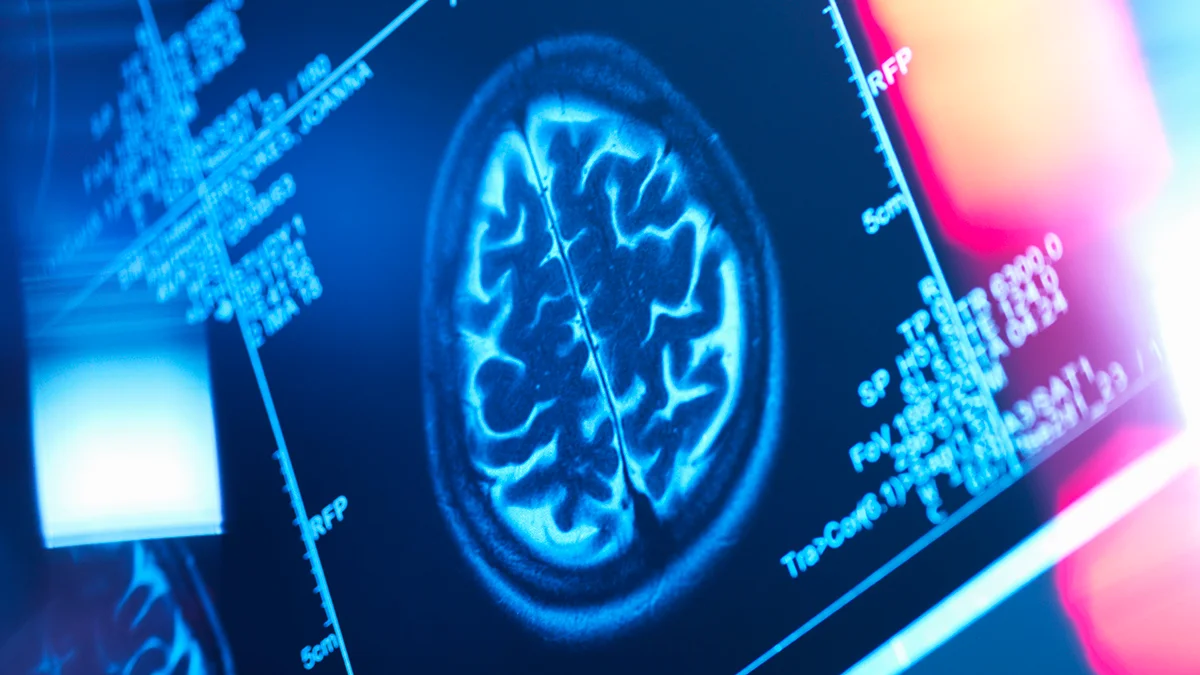
Evangeline Lilly revealed she has brain damage and decreased brain function after suffering a concussion from a fall, and is now working with doctors to address the injury.
Dr Jeremy London shares four scientifically supported lifestyle strategies—regular movement, cognitive stimulation, social connection, and cardiovascular health—that can help slow down age-related cognitive decline and preserve mental sharpness into later life.
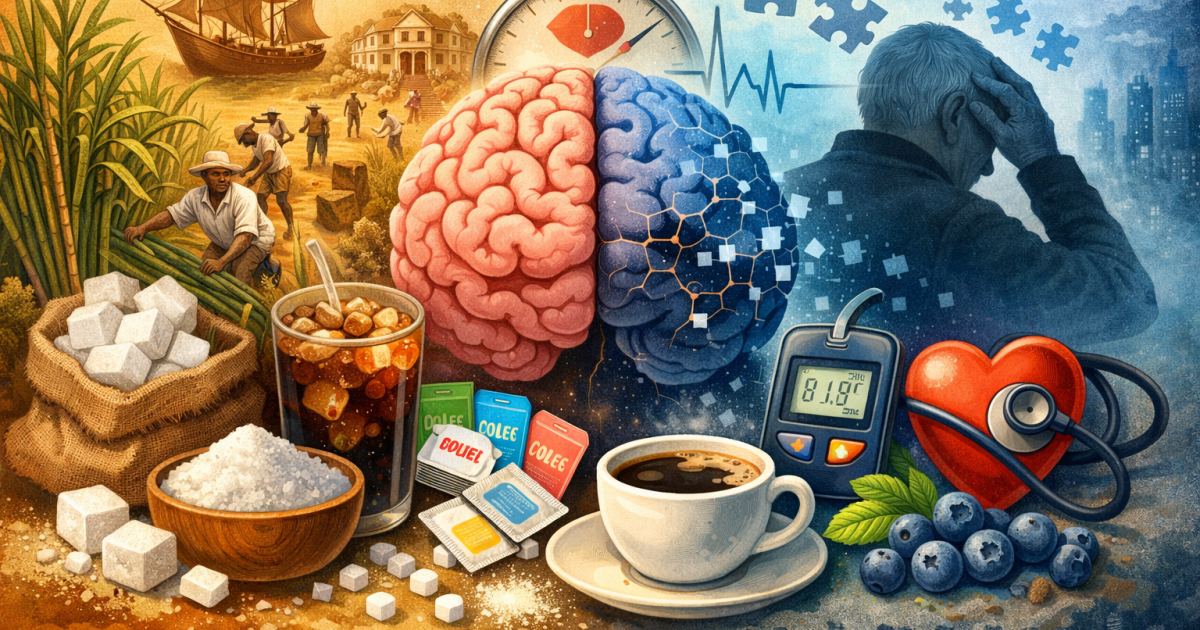
Consuming liquid sugar, especially through sugary drinks like soda and sweetened beverages, can cause long-term brain damage by inducing inflammation, insulin resistance, and cognitive decline, with particularly harmful effects on children and young adults. Artificial sweeteners may also accelerate mental decline, and reducing sugar intake by choosing healthier alternatives can help protect brain health.
Consuming liquid sugar, especially in sugary drinks like soda and sweetened beverages, can cause long-term brain damage by leading to insulin resistance, inflammation, and oxidative stress, which impair memory, focus, and increase dementia risk. Early exposure in children is linked to attention problems and ADHD, and artificial sweeteners may also accelerate cognitive decline. Reducing intake and replacing sugary drinks with water or unsweetened beverages can help protect brain health.
Research indicates that the shingles vaccine may slow or prevent the progression of dementia and reduce the risk of developing it, showing potential both as a preventive and therapeutic measure, especially among women, based on a study of over 300,000 health records in Wales.
A study suggests that changes in daily driving patterns, monitored via vehicle data loggers, can serve as early digital biomarkers for cognitive impairment and dementia, potentially allowing earlier detection and intervention before severe symptoms emerge.
A Brazilian cohort study suggests that high consumption of non-caloric artificial sweeteners may be associated with accelerated cognitive decline over eight years, raising concerns about their long-term safety despite regulatory approval, with potential mechanisms involving neurotoxicity and gut microbiota alterations.
A small Brazilian study found that microdoses of cannabis extract may help stabilize cognitive decline in patients with mild Alzheimer's disease, showing potential for a new therapeutic approach without psychoactive effects. Further research with larger samples is needed to confirm these findings.
A large-scale study finds that objective social isolation directly accelerates cognitive decline in older adults, independent of loneliness, across all demographic groups, highlighting the importance of social connections for neurological health and Alzheimer's prevention.
Recent research suggests that the shingles vaccine not only prevents shingles but also significantly reduces the risk of dementia and may slow its progression in older adults, potentially offering a simple and accessible way to improve brain health and combat cognitive decline.
A study in the European Heart Journal found that higher levels of cardiac troponin, a heart damage marker, in midlife are associated with an increased risk of dementia and brain shrinkage up to 25 years later, suggesting that blood tests could help identify individuals at risk for cognitive decline early on.
A high-fat diet disrupts the gut-brain axis by increasing serotonin in the gut while depleting it in the brain, leading to inflammation, impaired mood, and metabolic issues, highlighting the importance of gut microbiome health for mental and physical well-being.
Researchers found that analyzing long-term driving patterns using GPS data can predict mild cognitive impairment in older adults with up to 87% accuracy, potentially enabling earlier intervention and better safety measures.