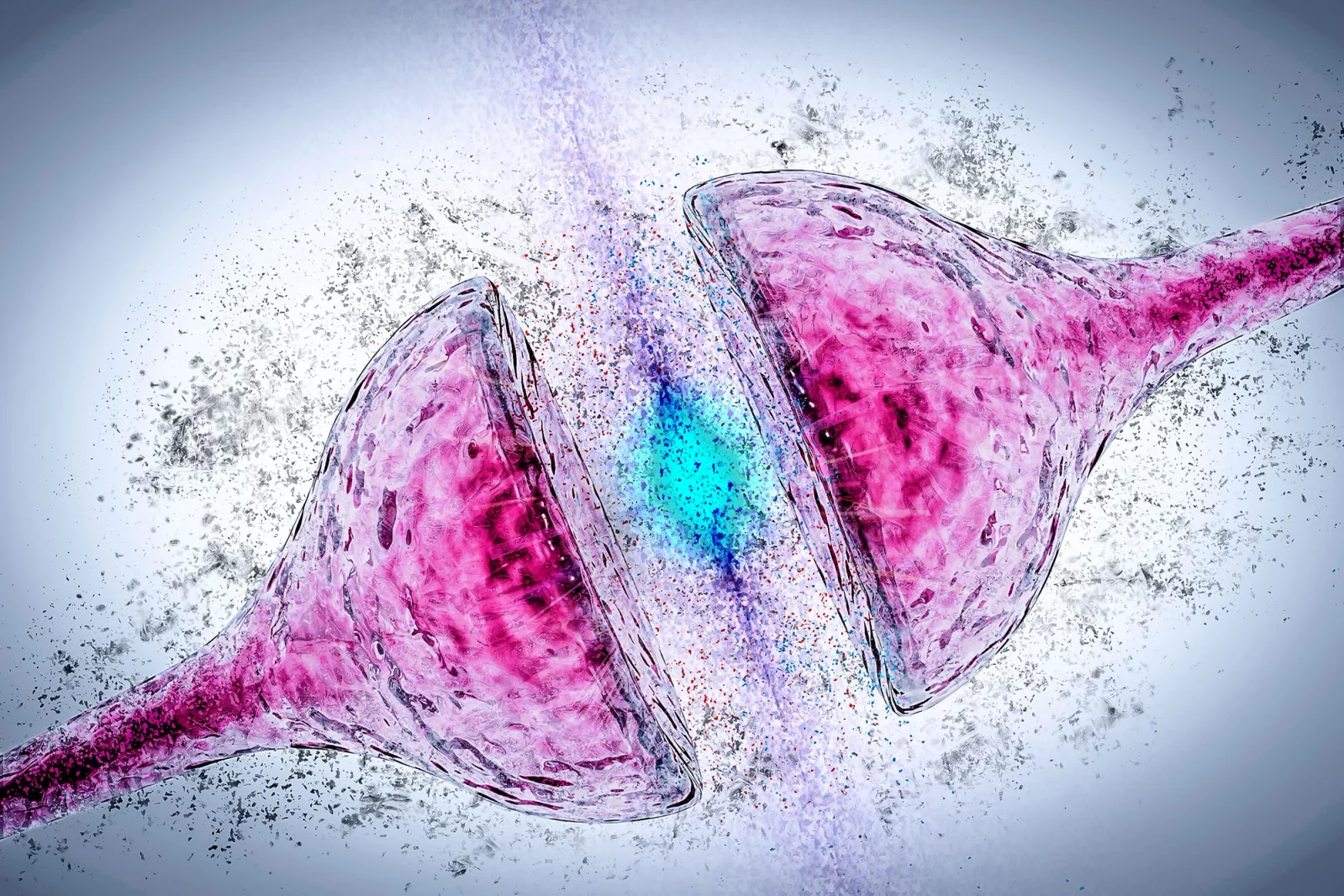
A UCLA Health study links long-term residential exposure to the pesticide chlorpyrifos with more than a 2.5-fold increase in Parkinson’s disease risk. Animal tests show chlorpyrifos damages dopamine neurons and triggers brain inflammation via autophagy disruption, suggesting autophagy restoration as a potential therapeutic angle. Despite declines in the U.S., past exposure and ongoing use elsewhere mean monitoring and further research on pesticide-related neurodegeneration are warranted.
Research links the pesticide chlorpyrifos to increased Parkinson’s risk by damaging brain cell recycling systems, leading to neuron death and protein accumulation, with evidence from human data, animal models, and cellular studies highlighting the importance of environmental factors in neurodegenerative diseases.
Rachel Reid, author of Heated Rivalry, revealed that the success of its TV adaptation has led to her receiving specialist help for her Parkinson's disease, including a crucial appointment with a neurologist that could improve her treatment and quality of life.
A study suggests that oral bacteria like Streptococcus mutans can migrate to the gut, produce metabolites such as ImP, and potentially contribute to Parkinson’s disease by affecting neurons and promoting neuroinflammation, highlighting new therapeutic targets involving the microbiome.
A study from McGill University challenges the traditional view of dopamine's role in Parkinson's disease, suggesting it provides the basic conditions for movement rather than directly controlling movement speed or force, which could lead to simpler and more targeted treatments.
Researchers developed a new 'zap-and-freeze' technique to rapidly freeze and study brain cell activity, revealing ultrafast endocytosis processes in both mice and human brain tissues, which could provide insights into the mechanisms of Parkinson's disease and aid in developing targeted treatments.
Alabama farmer Mac Barlow, who used the weed killer paraquat for decades, was diagnosed with Parkinson's disease and is now part of a lawsuit against the manufacturer, Syngenta, alleging the chemical caused his condition. Despite claims from the company denying a link, evidence suggests paraquat is associated with neurological harm, and Barlow's case highlights concerns over pesticide safety and regulation.
Ohio vineyard owner Dave Jilbert, diagnosed with Parkinson's disease after using the toxic pesticide paraquat, is suing the manufacturer and advocating for a ban on the chemical, which has been linked to neurological harm and banned in many countries but remains in use in the U.S.
South Korean research shows that patients with restless legs syndrome (RLS) have a higher risk of developing Parkinson's disease, but treatment with dopamine agonists appears to offer a protective effect, delaying or reducing the incidence of Parkinson's. The study suggests early management of RLS could be crucial for long-term neurological health.
New research suggests that long-term exposure to the industrial solvent trichloroethylene (TCE) in air may increase the risk of developing Parkinson's disease, highlighting the need for stronger regulations and further investigation into environmental pollutants' health impacts.
Former Browns quarterback Bernie Kosar, 61, is hospitalized and undergoing a third procedure to stop internal bleeding caused by an infection, while awaiting a liver transplant and managing Parkinson's Disease.
British actress Pauline Collins, known for her role in 'Shirley Valentine' and a career spanning over six decades, has died at 85 in London after battling Parkinson’s disease.
Despite being a 50-year-old, inexpensive, and effective treatment for Parkinson's disease, levodopa remains inaccessible to many worldwide due to systemic political, logistical, and regulatory failures. The authors call for a coordinated global response to make levodopa universally available, affordable, and safe, similar to the successful international efforts against HIV/AIDS, emphasizing that access to this life-changing medication is a matter of human rights and public health urgency.
Early detection of neurological issues like tremors, memory lapses, stroke symptoms, and subtle seizures is crucial for effective intervention and better outcomes, emphasizing the importance of public awareness and timely medical evaluation.
Researchers have identified specific brain wave patterns in the basal ganglia that correlate with Parkinson's symptoms, potentially enabling more precise and dynamic deep brain stimulation therapies to improve motor control.