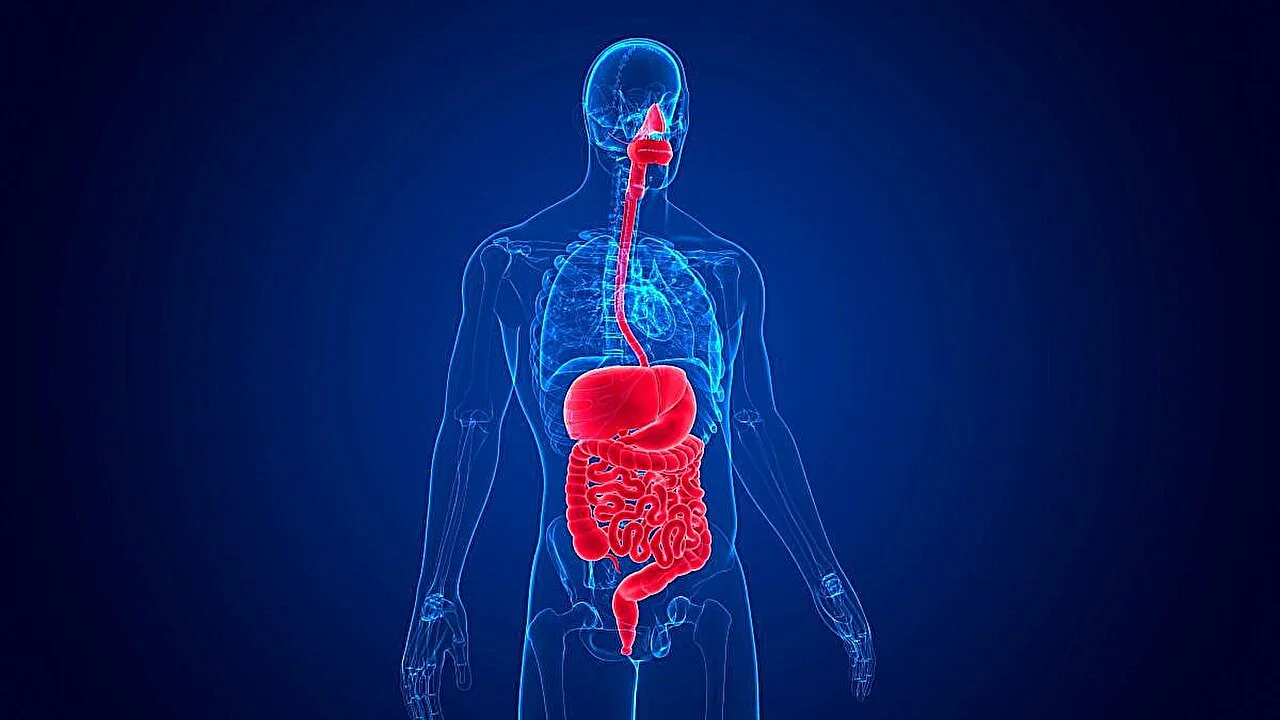
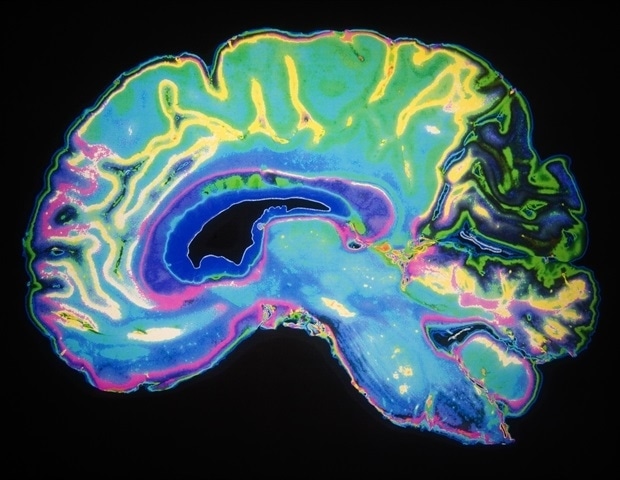
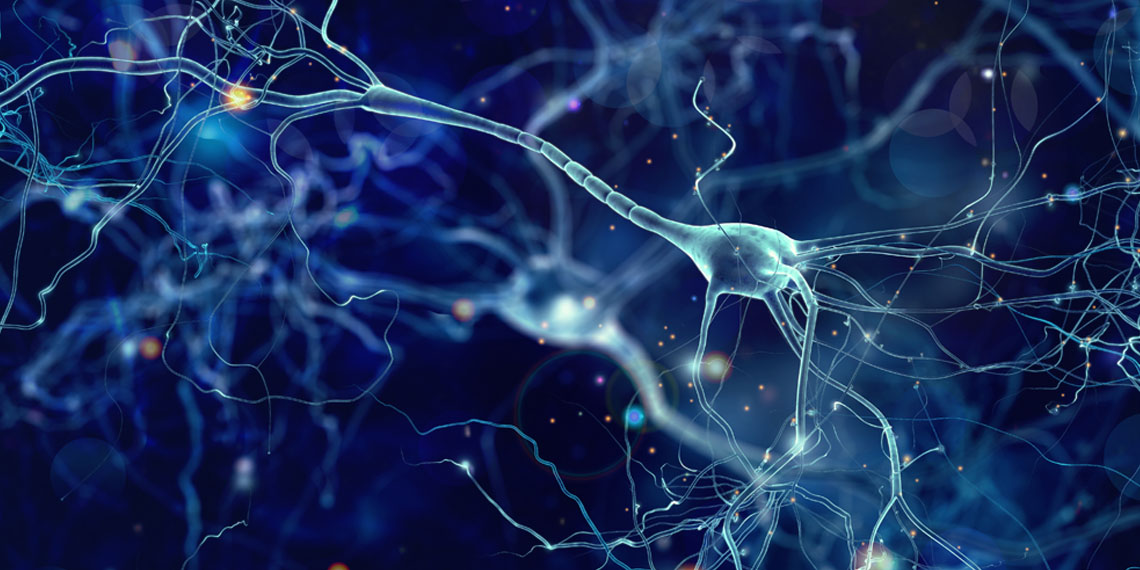
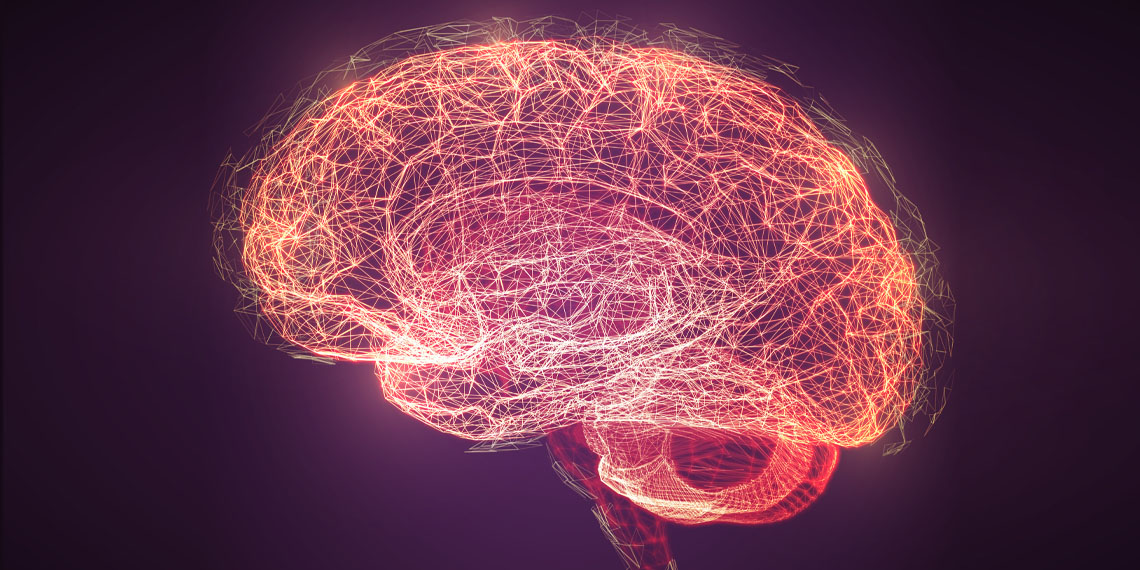
Scientists at UC San Diego discovered that rhythmic muscle movements in the gut may explain how brain blood vessels coordinate their expansion and contraction, revealing a surprising link between gut and brain rhythms through synchronized oscillations.
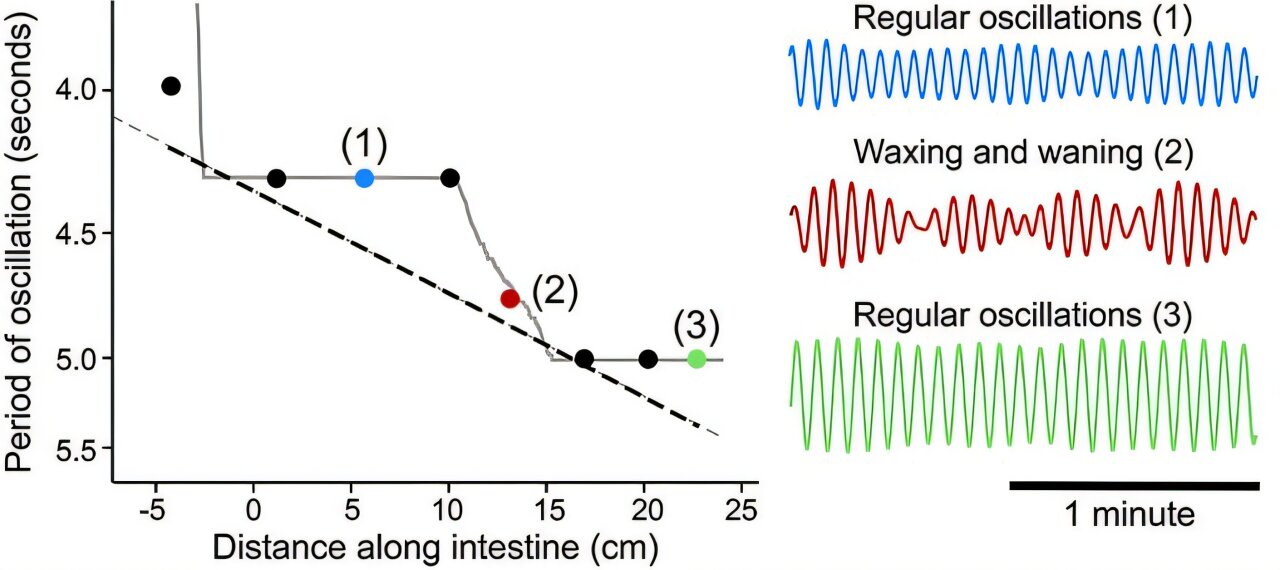
Researchers at UC San Diego discovered that synchronized oscillations in the gut, modeled as coupled oscillators, explain how food moves through the digestive tract, revealing a staircase effect of frequency locking that supports peristalsis and may inform gastrointestinal health research.
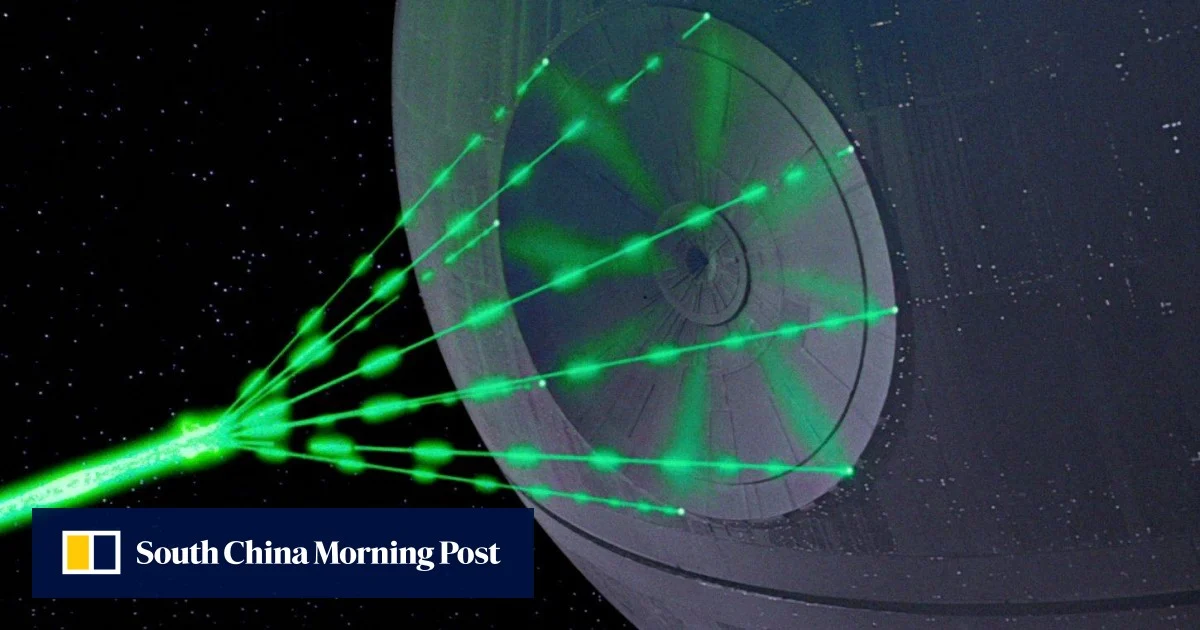
Chinese scientists have developed a high-power microwave weapon that combines electromagnetic waves with precise timing technology to create a powerful energy beam capable of targeting a single location. This system, which has undergone experimental trials, involves multiple microwave-transmitting vehicles that synchronize their emissions to merge into a single beam, similar to the concept of the Death Star in Star Wars. The technology requires extremely precise positioning and timing, achieved through optical fiber connections, and has demonstrated the ability to disrupt signals from American GPS and other satellites.
DuckDuckGo browser introduces a new end-to-end encrypted Sync & Backup feature, allowing users to securely synchronize their bookmarks, passwords, and Email Protection settings across multiple devices without needing to sign in. The feature is available on Windows, macOS, iOS, and Android, and employs local encryption to store sensitive data, with end-to-end encryption during syncing. Users can manage their synced devices and retrieve data using recovery codes. Additionally, a password requirement for synchronization is being rolled out to enhance security.
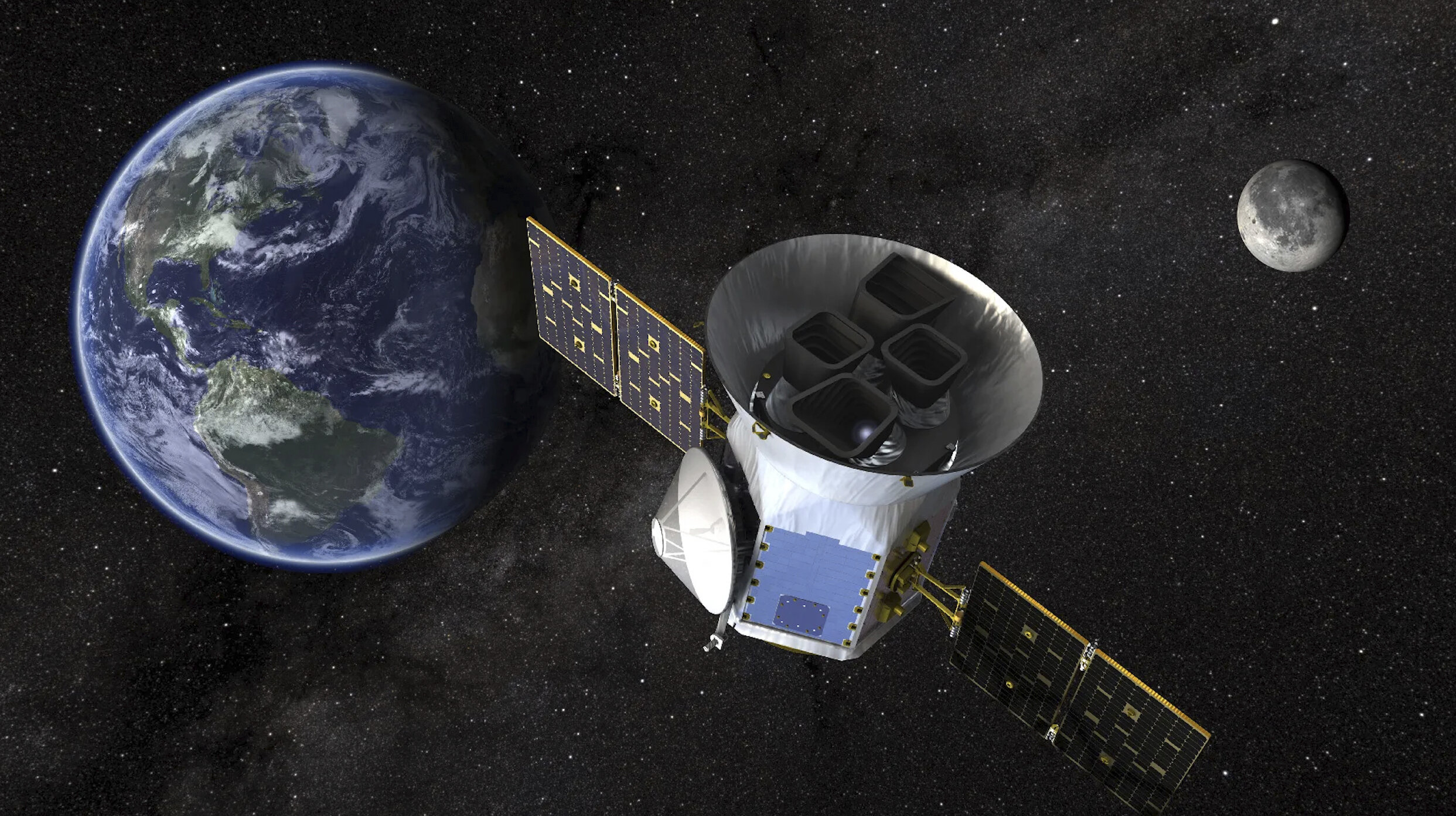
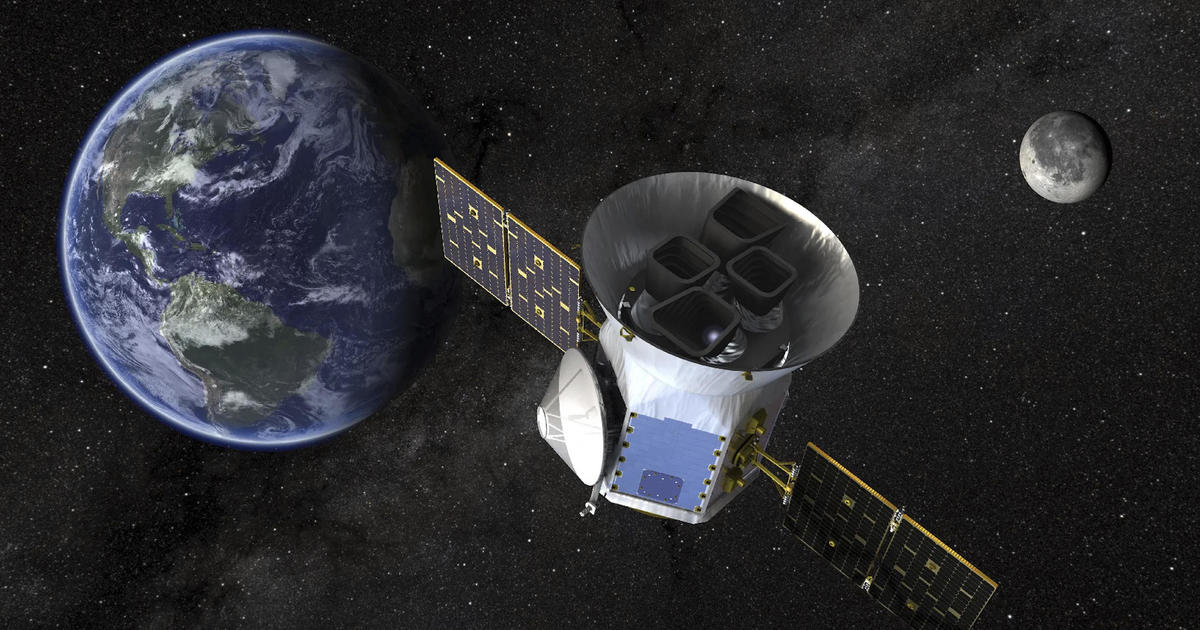
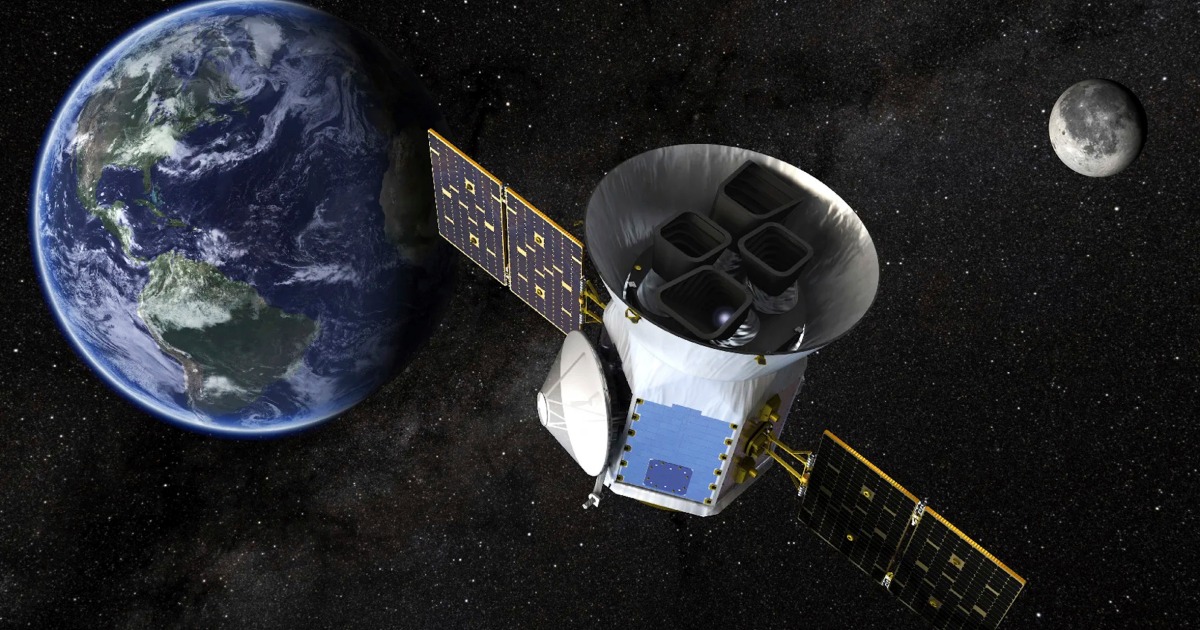
Astronomers have discovered a rare solar system 100 light-years away with six planets moving in perfect sync, providing insights into the origins of our own solar system. The planets are similar in size to Neptune and have orbits closer to their star than Mercury in our solar system. The discovery was made using NASA's Transiting Exoplanet Survey Satellite (TESS) and the European satellite CHaracterising ExOPlanet Satellite. Further study with the James Webb Space Telescope will help characterize the atmosphere of these synchronized planets.
Astronomers have discovered a rare solar system in the Milky Way with six planets that move in perfect synchrony, resembling a grand cosmic orchestra. The system, located 100 light-years away, provides insights into the formation of solar systems across the galaxy. The planets are not within the habitable zone and are larger than Earth, with densities similar to gas giants. Their orbits range from nine to 54 days, and the system exhibits a precise resonance pattern. This discovery offers a unique opportunity for comparison and further study of planetary systems.
Astronomers have discovered a rare solar system in the Milky Way, 100 light-years away, where all six planets are perfectly synchronized in their orbits, resembling a grand cosmic orchestra. This finding provides insights into the formation of solar systems and may help researchers understand how our own solar system evolved. The planets in this system are not within the habitable zone, making the likelihood of life as we know it unlikely. The synchronized motion of the planets is known as resonance and is a rare phenomenon, with only about 1 in 100 solar systems retaining this synchrony.
Astronomers have discovered a unique solar system located 100 light-years away in the constellation Coma Berenices, consisting of six planets moving in perfect synchrony like a grand cosmic orchestra. This rare find can provide insights into the formation of solar systems in the Milky Way. The planets, which are two to three times the size of Earth, have densities similar to gas giants and are located closer to their star than Venus is to the sun. While none of the planets are within the habitable zone, their synchronized orbits offer a valuable comparison for studying other systems.
Astronomers have discovered a rare solar system with six planets in perfect synchrony, moving like a grand cosmic orchestra. Located 100 light-years away in the constellation Coma Berenices, this unique system provides insights into the formation of solar systems in the Milky Way. The planets, roughly two to three times the size of Earth, have densities similar to gas giants and are too hot to support life. The orbits of the planets exhibit precise resonance, with the innermost planet completing three orbits for every two by its closest neighbor. This discovery sheds light on the rarity of such synchronized systems and the factors that can disrupt their harmony.
A leading time scientist, Judah Levine, suggests introducing a leap minute to align the Earth's two official clocks, the Universal Time clock and the atomic clock, which currently require leap seconds to stay synchronized. Levine believes that allowing a slight deviation between the clocks could enable the addition of a leap minute every 50 years, providing a more manageable solution. However, industries relying on precise time, such as flight control and stock trading, may face challenges. Some tech companies have already developed their own methods to manage time variations, while a planned 100-year pause on the leap second in 2035 requires global agreement.
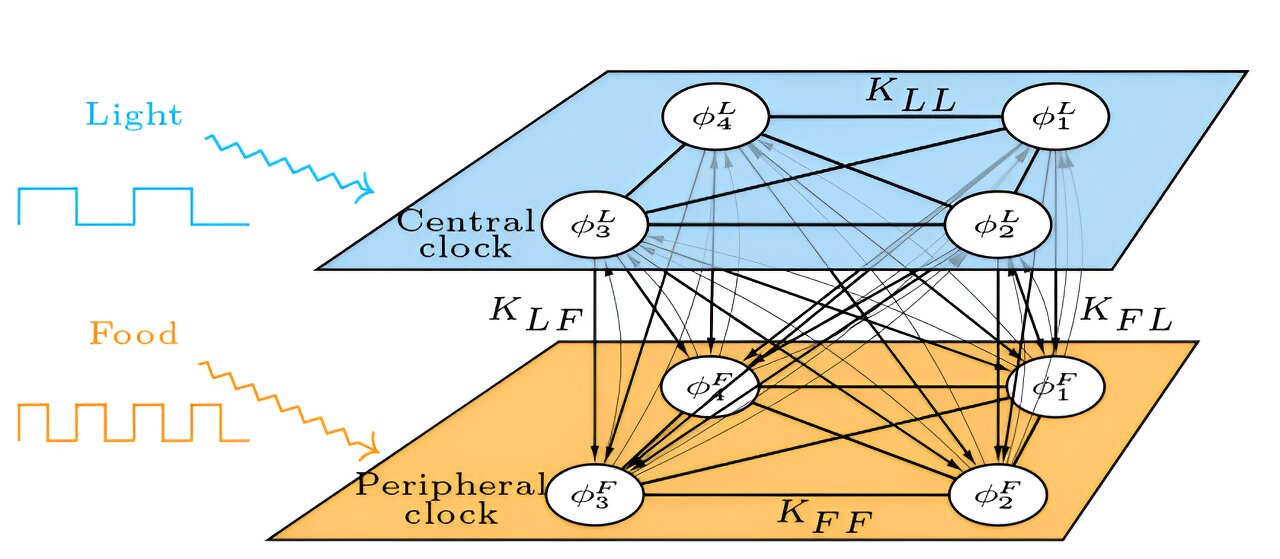
A team of scientists has developed a mathematical model to study the interactions between multiple internal clocks in the body, focusing on the effects of aging and disruptions like jet lag. The model revealed that desynchronization of internal clocks can occur due to conflicting time cues, such as nighttime eating or warm weather during a short photoperiod. The researchers found that aging weakens the signals between circadian clocks and reduces sensitivity to light, making the system more vulnerable to disruptions and slower to recover. They also discovered that having a larger meal in the early morning of a new time zone can help overcome jet lag, while constantly shifting meal schedules or eating at night can lead to misalignment between internal clocks. Further research aims to identify factors that result in more resilient internal clocks, potentially leading to recommendations for preventing jet lag and maintaining a healthy circadian system in old age.
Researchers at Lund University have discovered that psychedelic drugs, such as LSD and ketamine, cause synchronized brain waves in rats. Using a technique that simultaneously measures electrical signals from 128 areas of the brain, the researchers found that both LSD and ketamine resulted in the same wave patterns, despite affecting different receptors in the brain. The study suggests that this wave phenomenon, rather than individual neuron activity, is strongly linked to the psychedelic experience. The findings could potentially be used as a research model for psychoses and may provide insights into the mechanisms behind consciousness.
Breathing plays a crucial role in coordinating brain activity in the prefrontal brain network during wakefulness, according to a study published in Scientific Reports. The research suggests that respiration can synchronize neural activity, particularly in the gamma rhythm frequency range, in cognitive areas of the brain. This finding provides new insights into the relationship between breathing and cognitive processing and could have implications for meditative practices that involve controlled breathing. The study also highlights the importance of understanding the connection between body and mind in cognitive experiences.
A recent study challenges the conventional belief that intelligent people think faster. The study discovered that people with higher fluid intelligence, which is a measure of problem-solving ability, actually took more time to solve difficult tasks compared to those with lower fluid intelligence. The researchers stumbled upon the finding while creating personalized brain network models based on data from the Human Connectome Project. The researchers proposed a trade-off between decision-making speed and accuracy, which aligns with theories from fields like economy and psychology on fast and slow thinking. The study provides valuable insights into the relationship between intelligence, decision-making speed, and brain network dynamics.
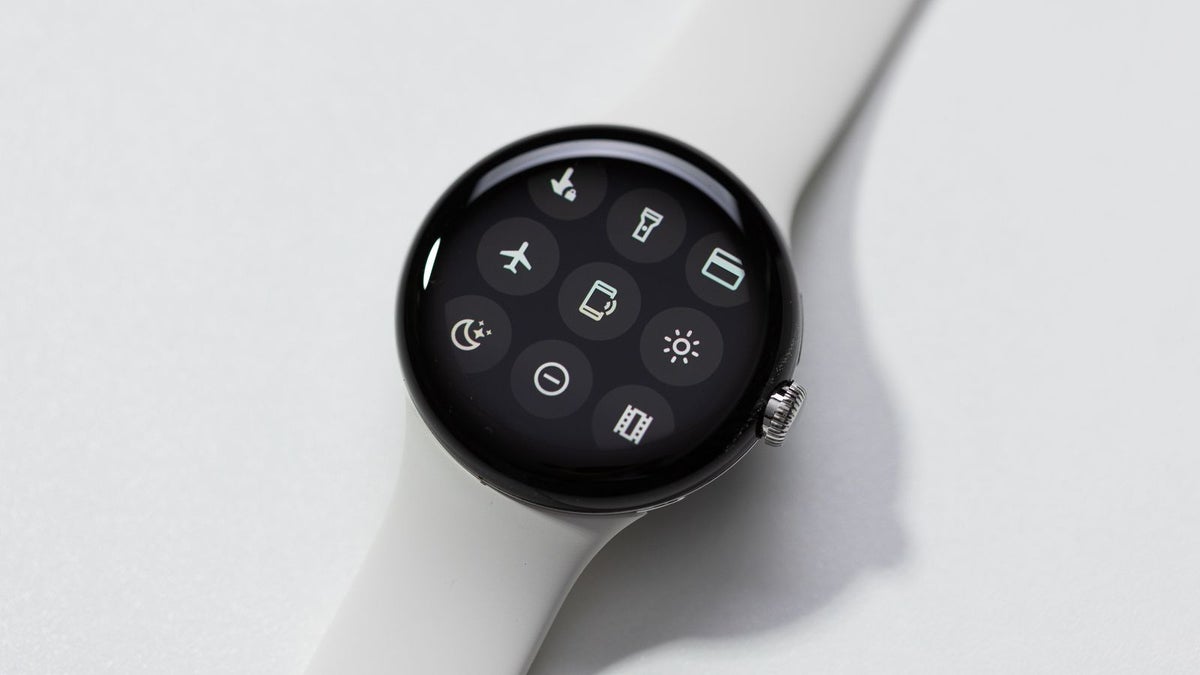
The Pixel Watch will soon be able to synchronize with Android phones, including the Pixel 7 and Pixel 6a, for features like Do Not Disturb and Bedtime Mode. This will prevent the watch from ringing during meetings or disturbing sleep. The feature will be optional and available through Settings in the next Pixel Feature Drop expected in September 2023.