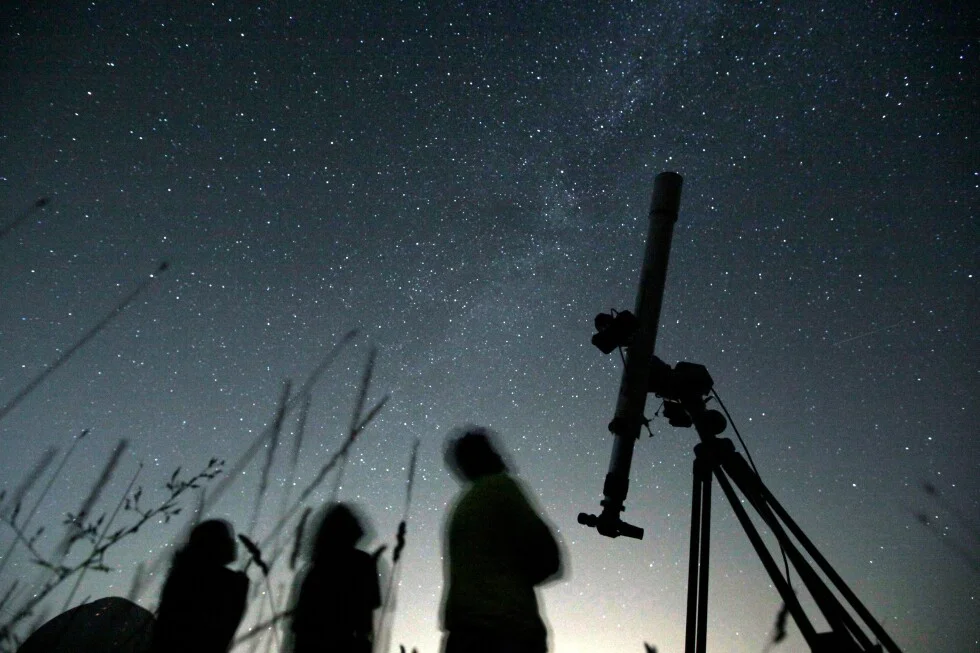
February’s Sky to Showcase Six Planets in Evening View
Skywatchers can expect six planets to be visible in the night sky toward the end of February, offering a rare multi-planet view for observers under clear, dark skies.

All articles tagged with #planets
Skywatchers can expect six planets to be visible in the night sky toward the end of February, offering a rare multi-planet view for observers under clear, dark skies.
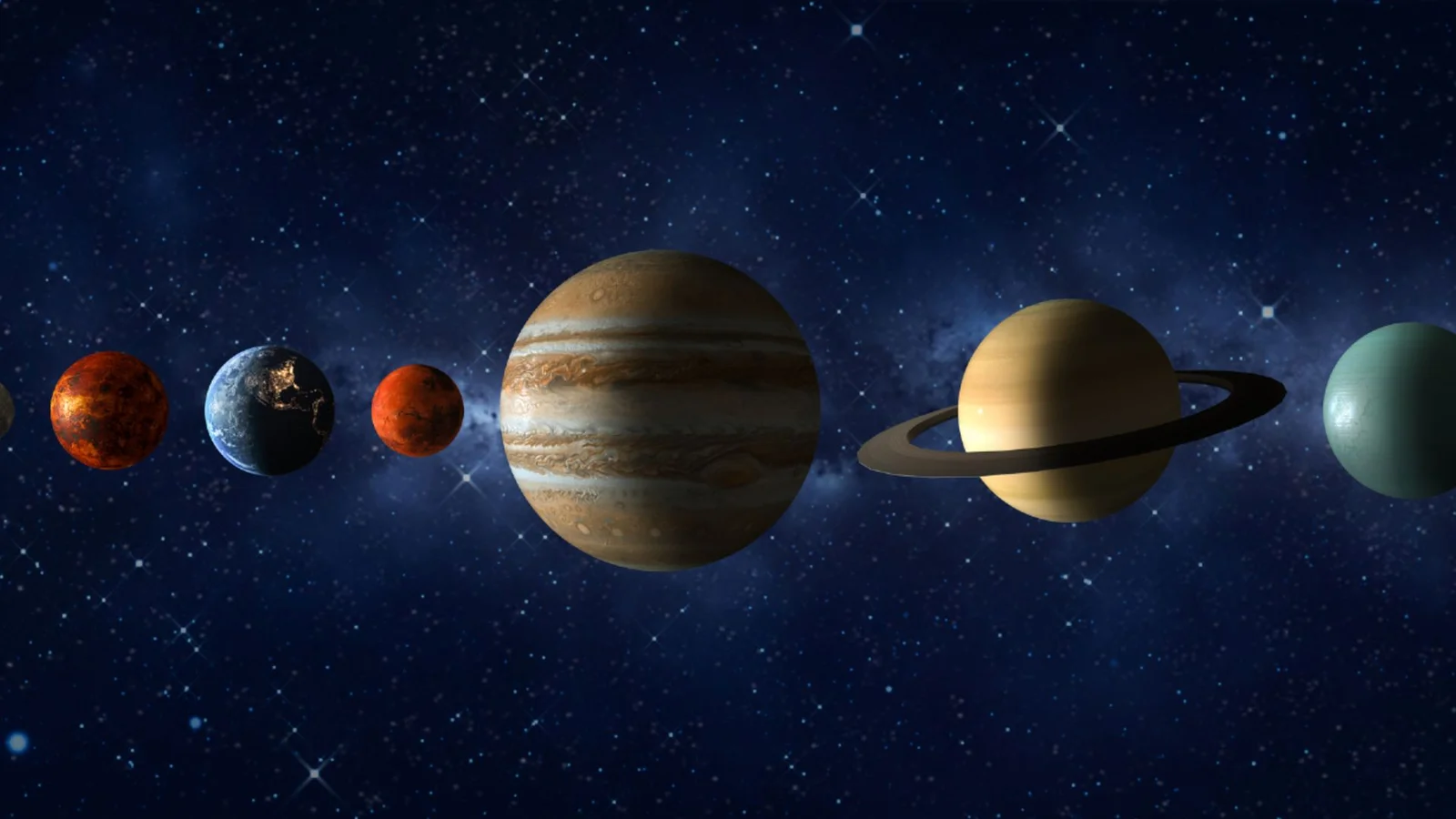
A rare planetary parade will bring Venus, Mercury, Saturn, Neptune, Uranus and Jupiter into the western evening sky after sunset on Feb. 28, with Venus and Mercury near the horizon and Saturn/Neptune nearby; binoculars may help spot Neptune. The Moon will accompany the Beehive Star Cluster that night, and a total lunar eclipse (the “Blood Moon”) is expected on March 3, visible from parts of the western U.S., Pacific, New Zealand, Australia and East Asia. The window to view this alignment is brief and best with a clear, unobstructed western horizon.
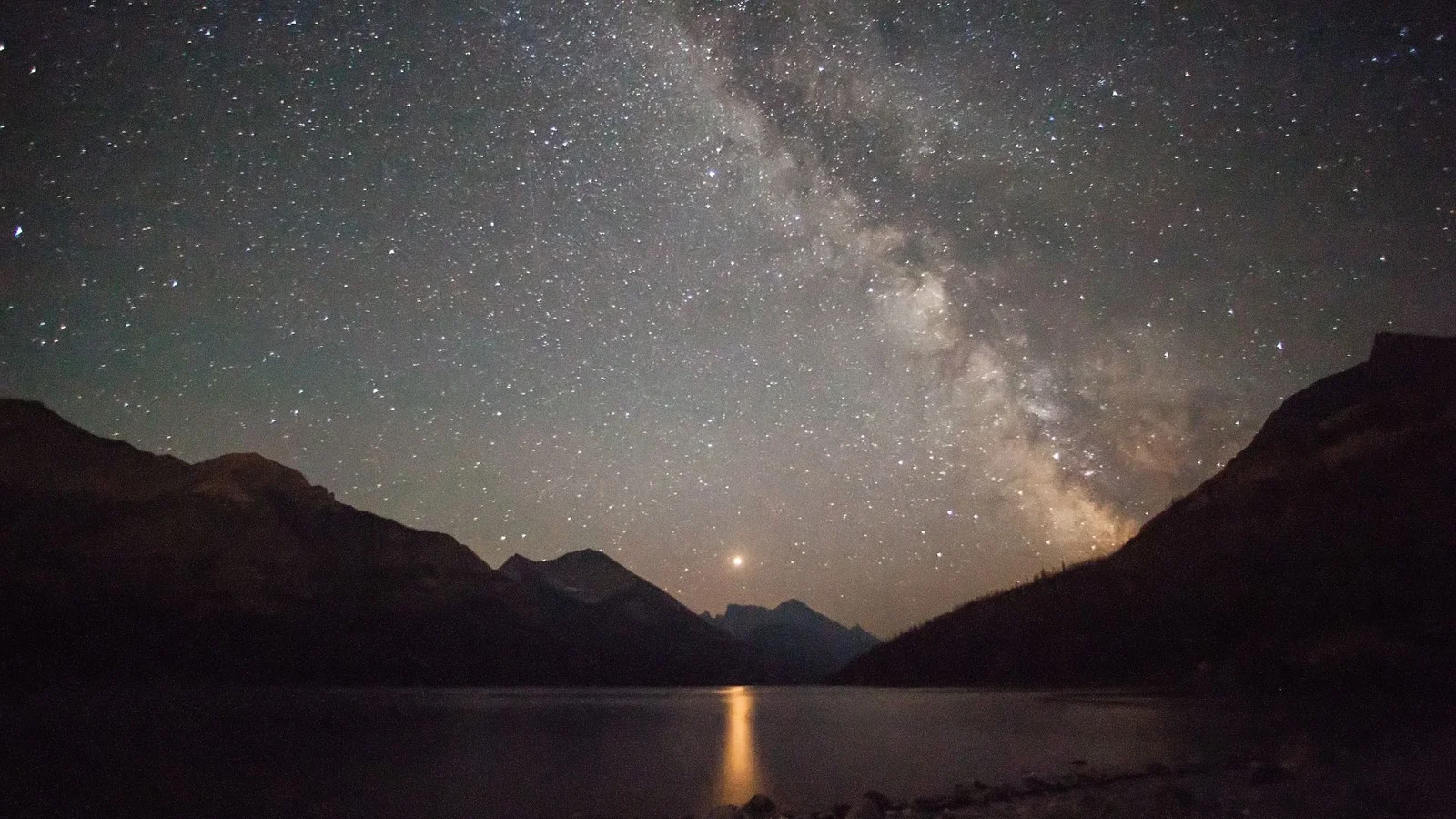
February 2026 offers one of the year’s best planetary lineups: Jupiter shines high in the eastern sky after sunset, Mercury appears for a three‑week window low in the west‑southwest starting Feb. 6, Venus becomes more visible toward month’s end, Mars remains hidden near the Sun, and Saturn sinks lower in the sky; the piece provides viewing tips and timing, including Mercury’s Feb. 18–19 Crescent Moon pairing and its greatest elongation around Feb. 19.
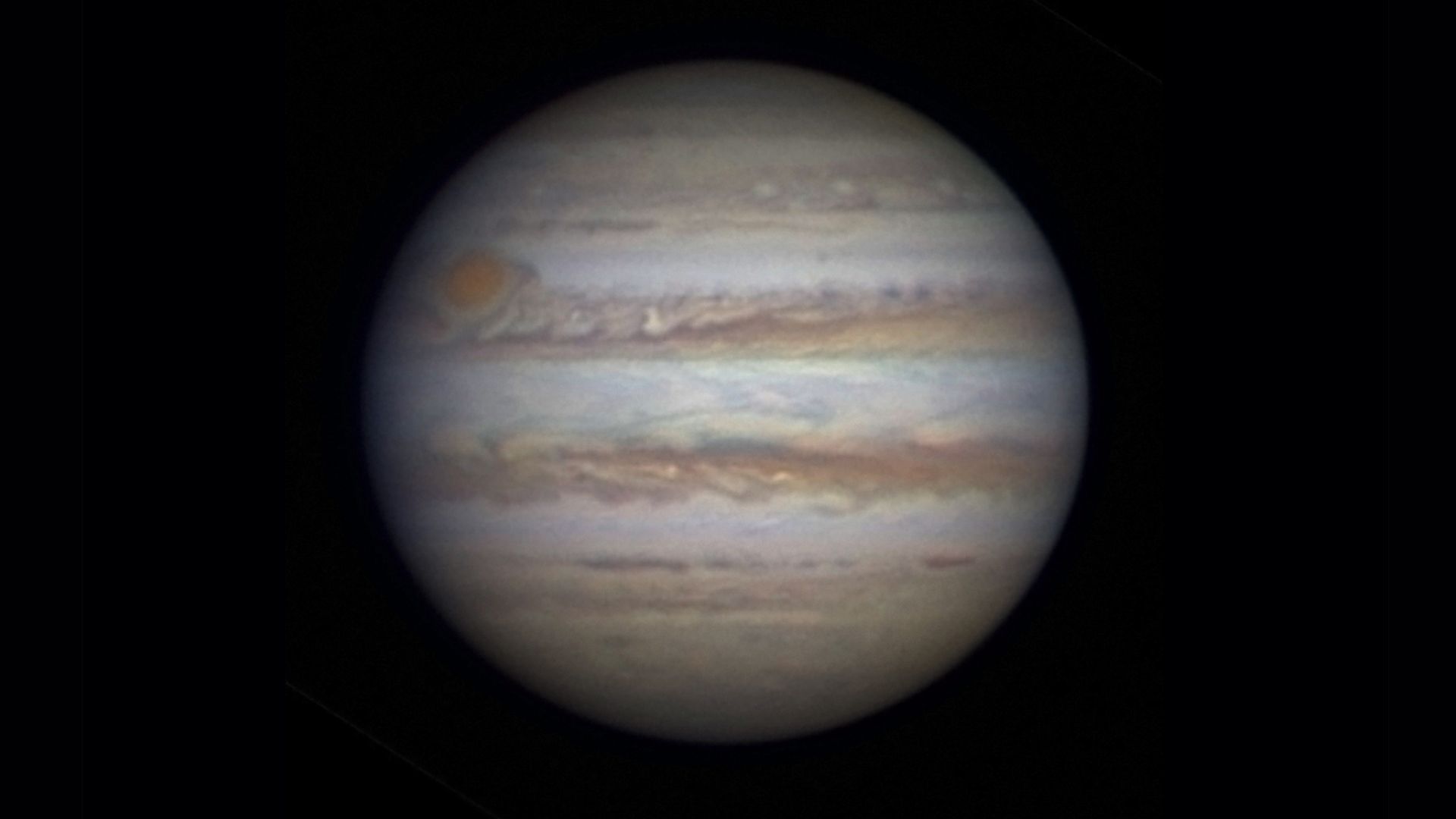
This weekend, Jupiter reaches opposition, making it the brightest and most visible in the night sky all year, especially near the constellation Gemini, offering a prime viewing opportunity with binoculars or telescopes to see its moons and cloud bands, and it will remain visible throughout January and into February.
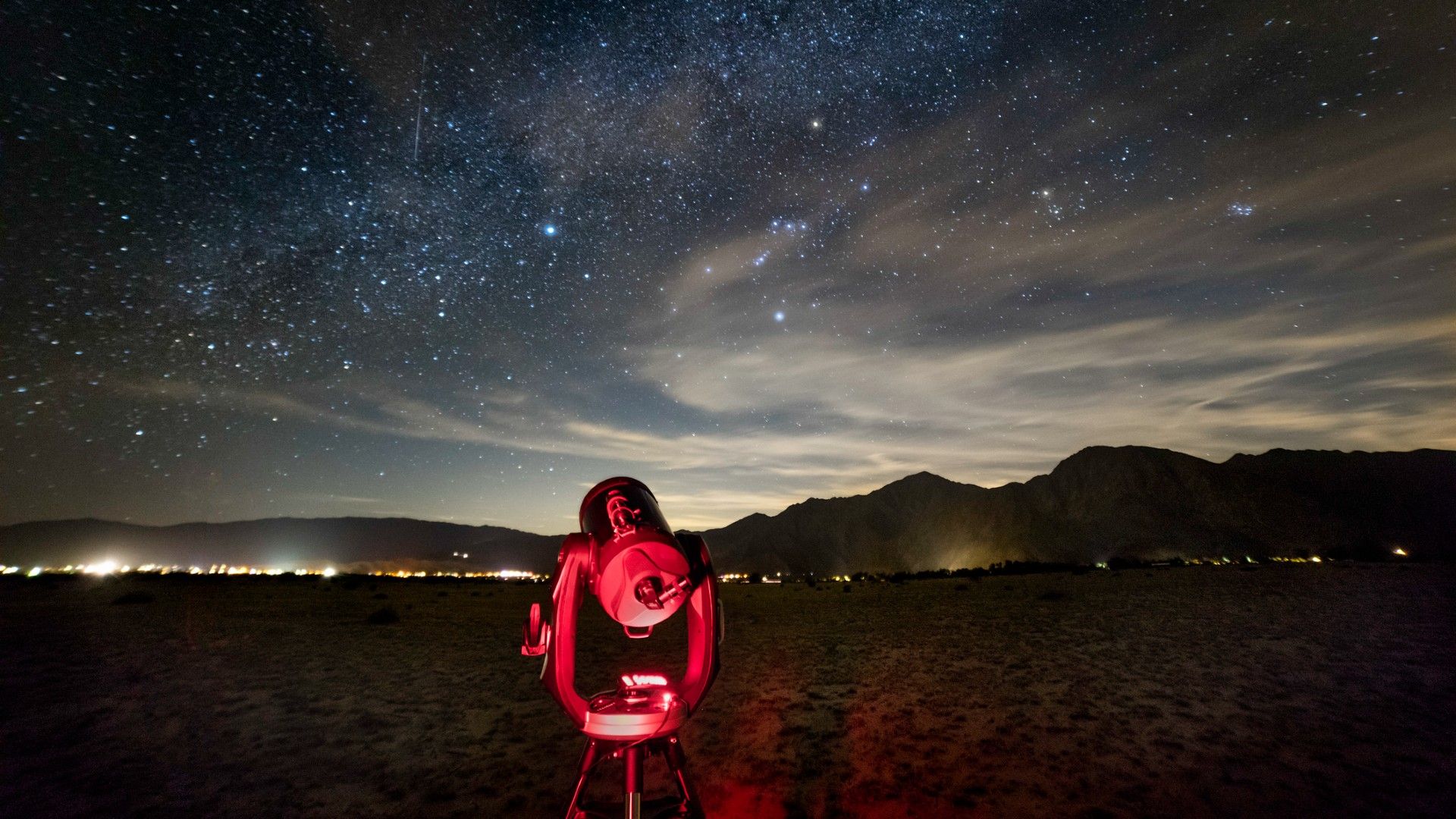
In January, only Jupiter and Saturn are visible to the naked eye, with Jupiter reaching opposition on Jan. 10 and shining brightly, while Venus, Mercury, and Mars are hidden behind the sun for most of the month. The best viewing times are around these events, with Jupiter being the highlight of the month.
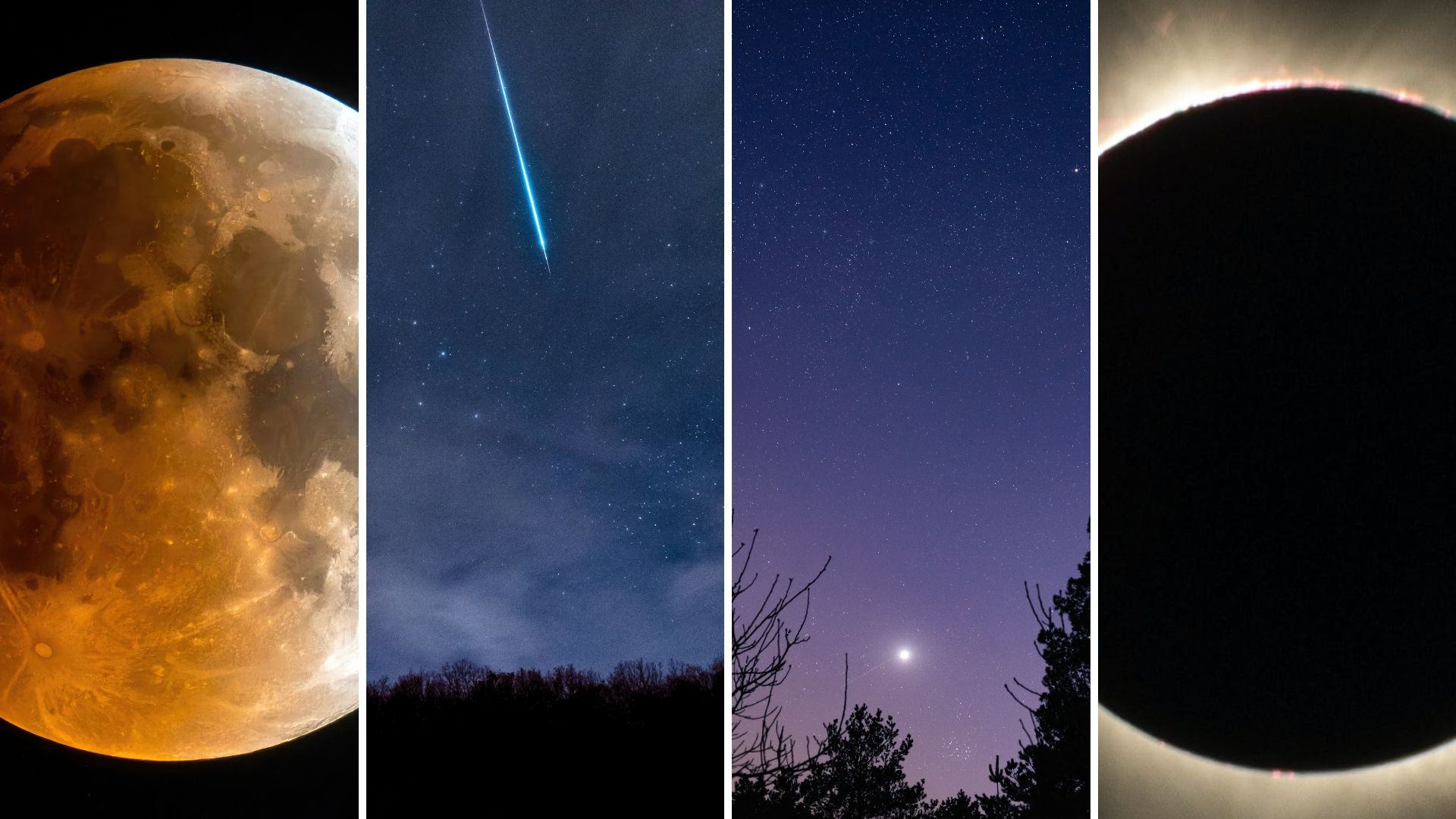
2026 offers numerous exciting skywatching events including eclipses, planetary conjunctions, meteor showers, and a supermoon, providing spectacular opportunities for astronomy enthusiasts to observe the night sky.
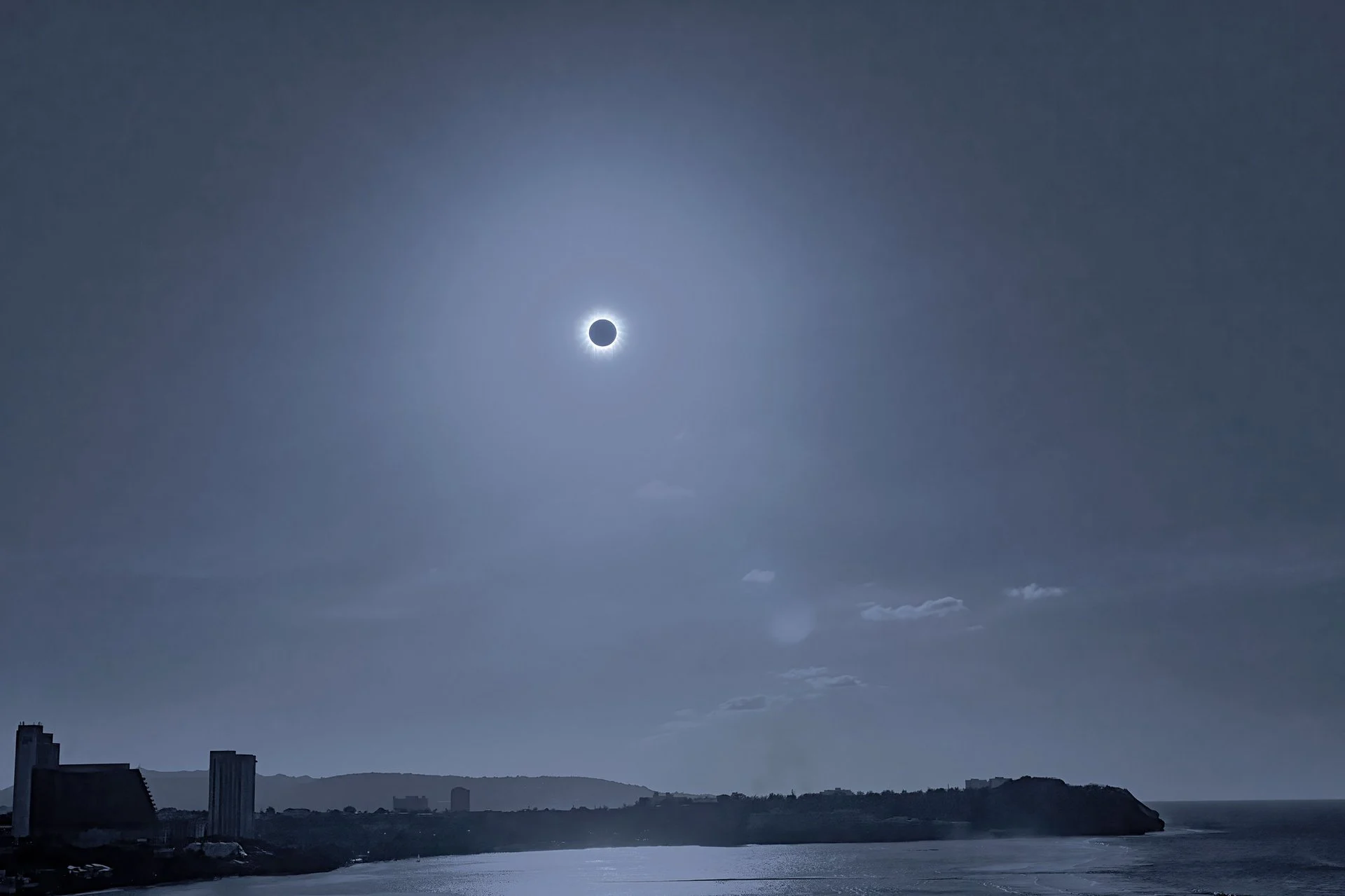
2026 will feature major astronomical events including a total solar eclipse, lunar eclipses, planetary occultations, meteor showers, and notable planetary conjunctions, making it an exciting year for skywatchers.

On Christmas night 2025, stargazers can enjoy viewing the waxing crescent moon, Saturn, Jupiter, and Polaris, along with prominent constellations and star clusters, making for a spectacular winter sky experience.
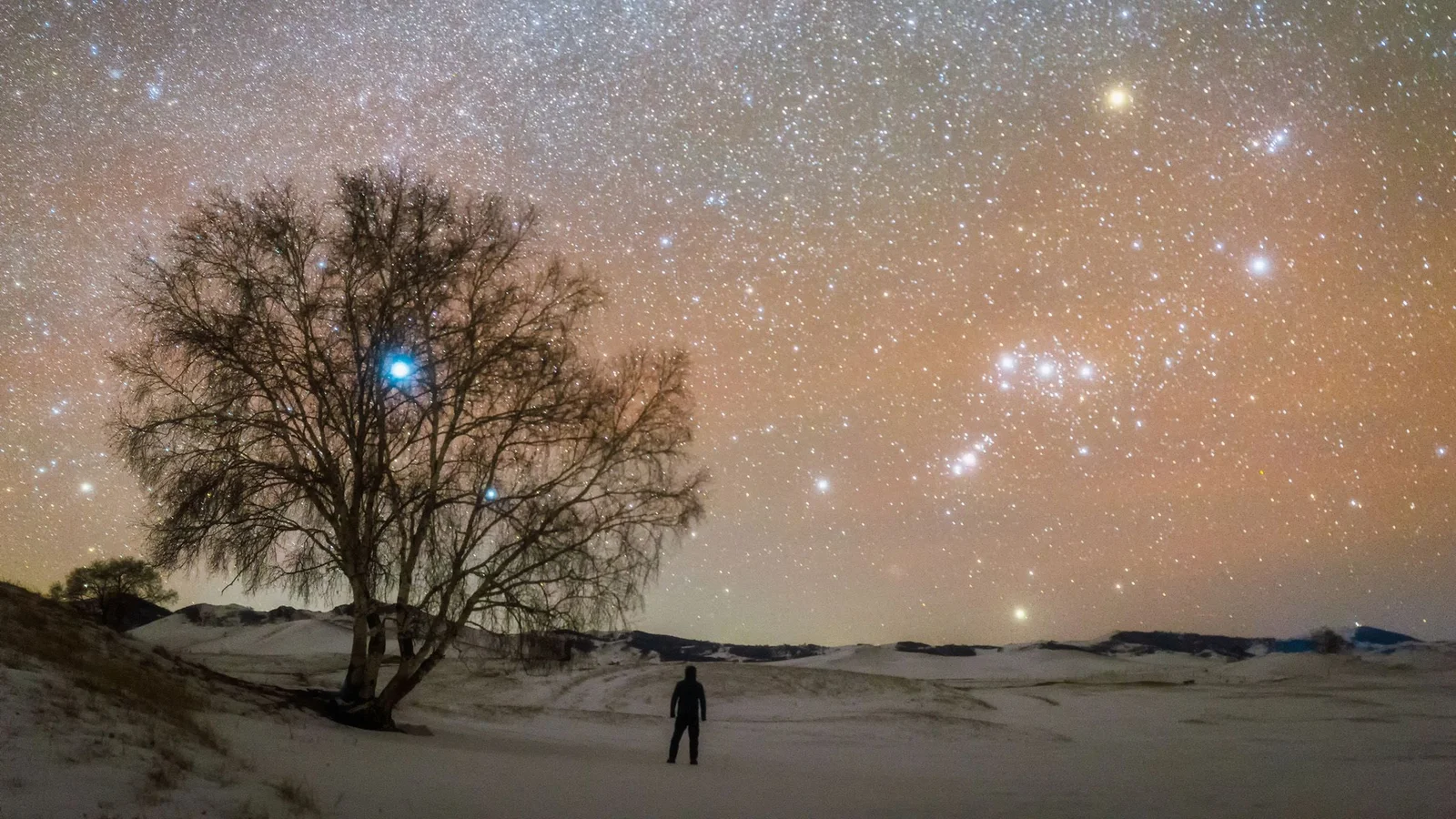
Winter is an ideal season for binocular stargazing in the Northern Hemisphere, offering spectacular sights such as Sirius with its rainbow colors, Jupiter at opposition with its moons, the first quarter moon with shadows, the Owl Cluster in Cassiopeia, a supermoon rise, star clusters in Auriga, the winter Milky Way, Caroline’s Rose, Earthshine on the moon, and more, all visible with good binoculars and clear, dark skies from November 2025 to January 2026.
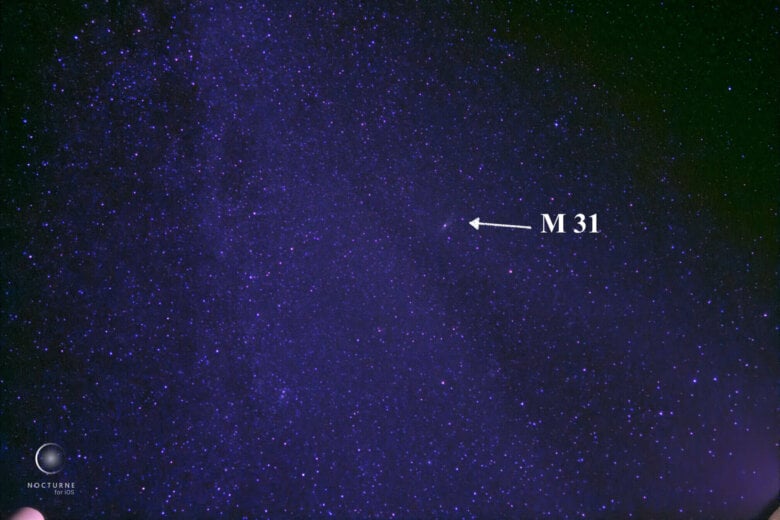
In November 2025, notable sky events include the full hunter’s supermoon, the Leonid meteor shower on November 20-21, and the visibility of planets like Jupiter and Saturn. The month also features the star Capella, the Milky Way, and the Andromeda Galaxy, with various astronomy events and viewing opportunities in the D.C. area.
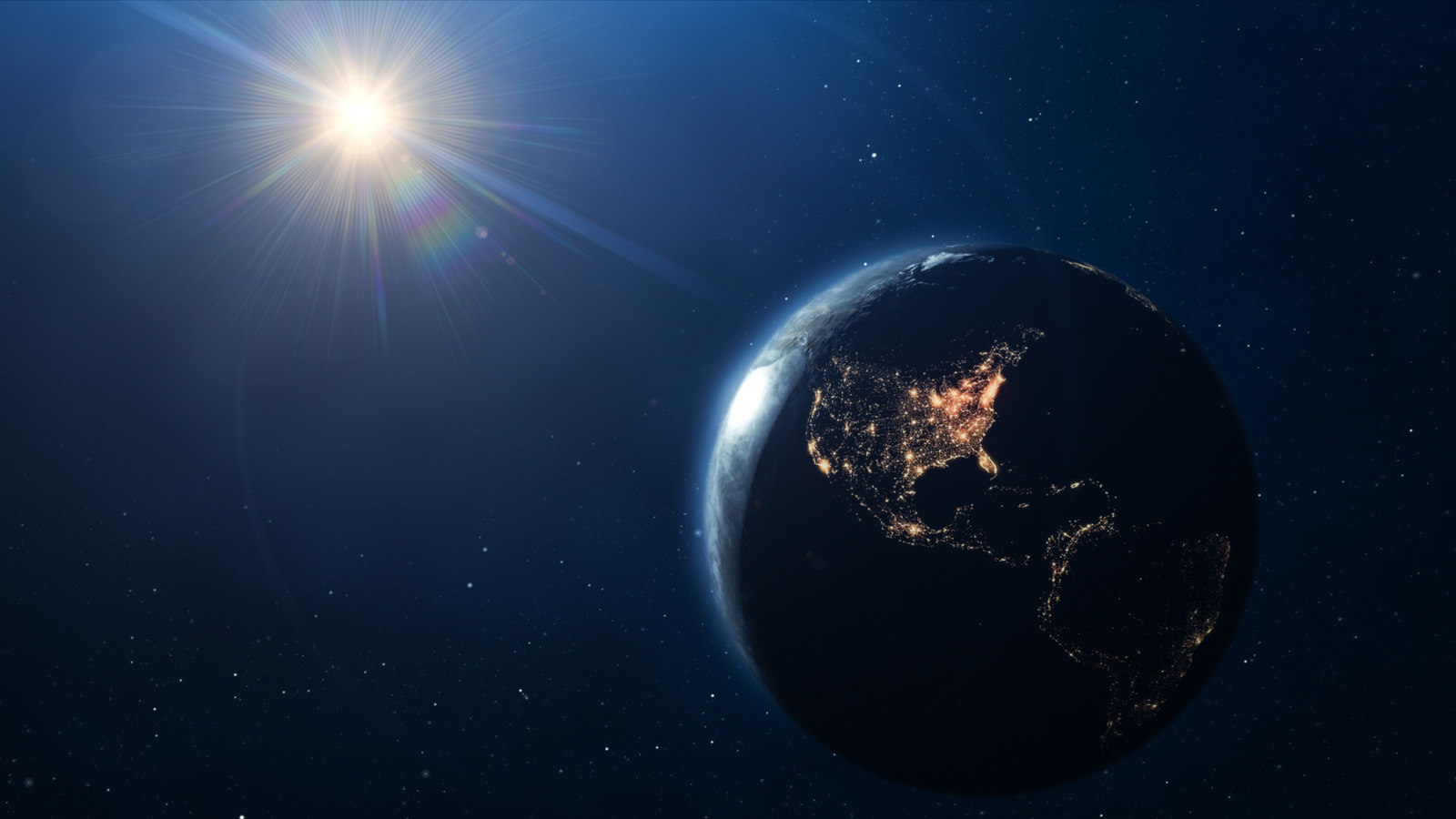
A recent study proposes a new theory explaining why planets in our solar system are tilted, shedding light on the dynamics of planetary formation and evolution.
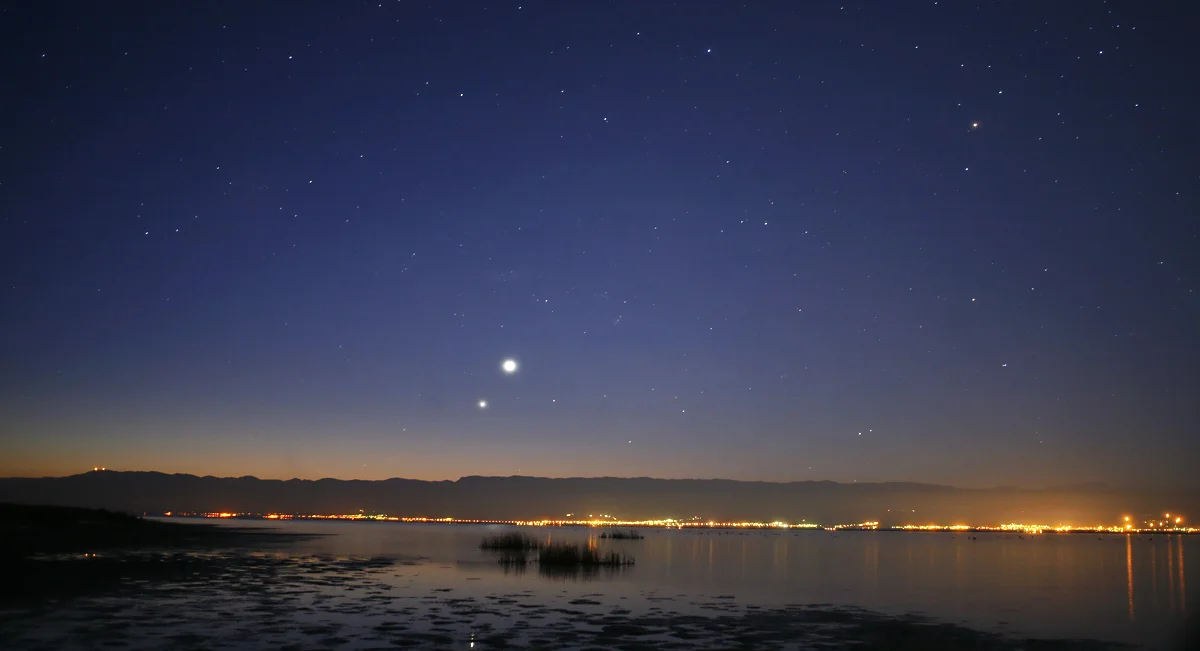
As fall begins in September, New Yorkers can enjoy longer nights for stargazing, with notable celestial events including Saturn at opposition, visibility of Neptune, Venus, and Jupiter, along with minor meteor showers like the Aurigid and Epsilon Perseid, especially during the darker phases of the moon after September 21.
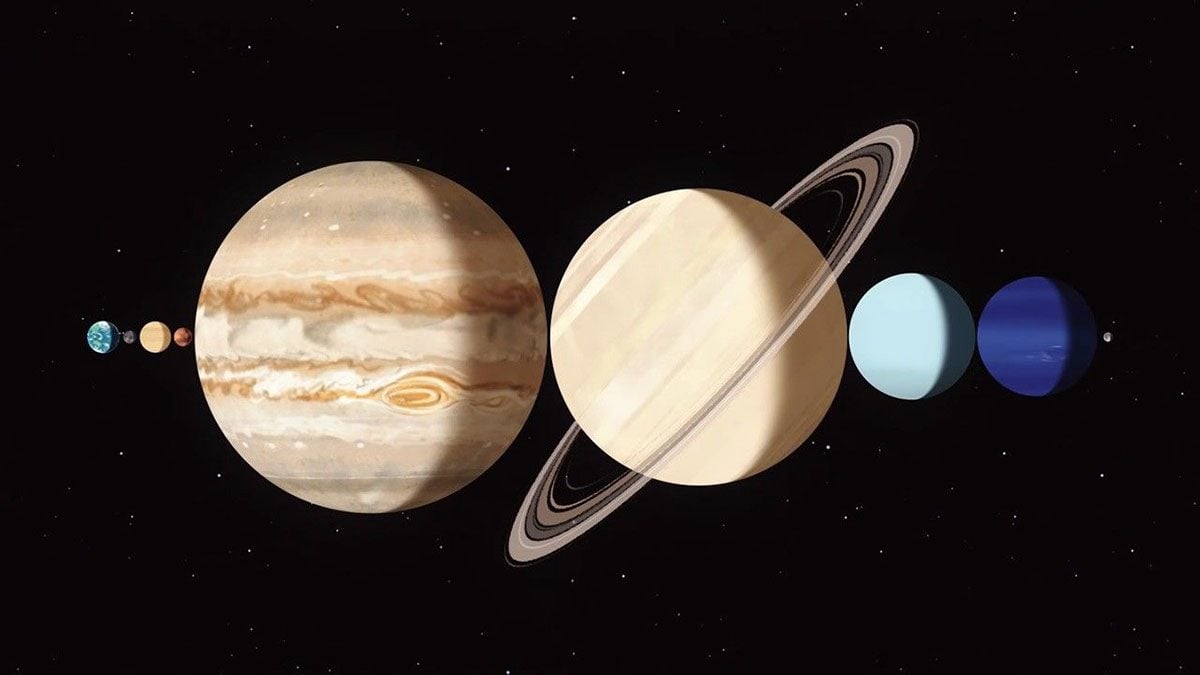
The article explains that the average distance from Earth to the Moon is about 384,400 km, and all the planets of the Solar System could fit within this distance, including Jupiter and Saturn, highlighting the vastness of space and the optical illusions that make the Moon appear larger and closer than it actually is.
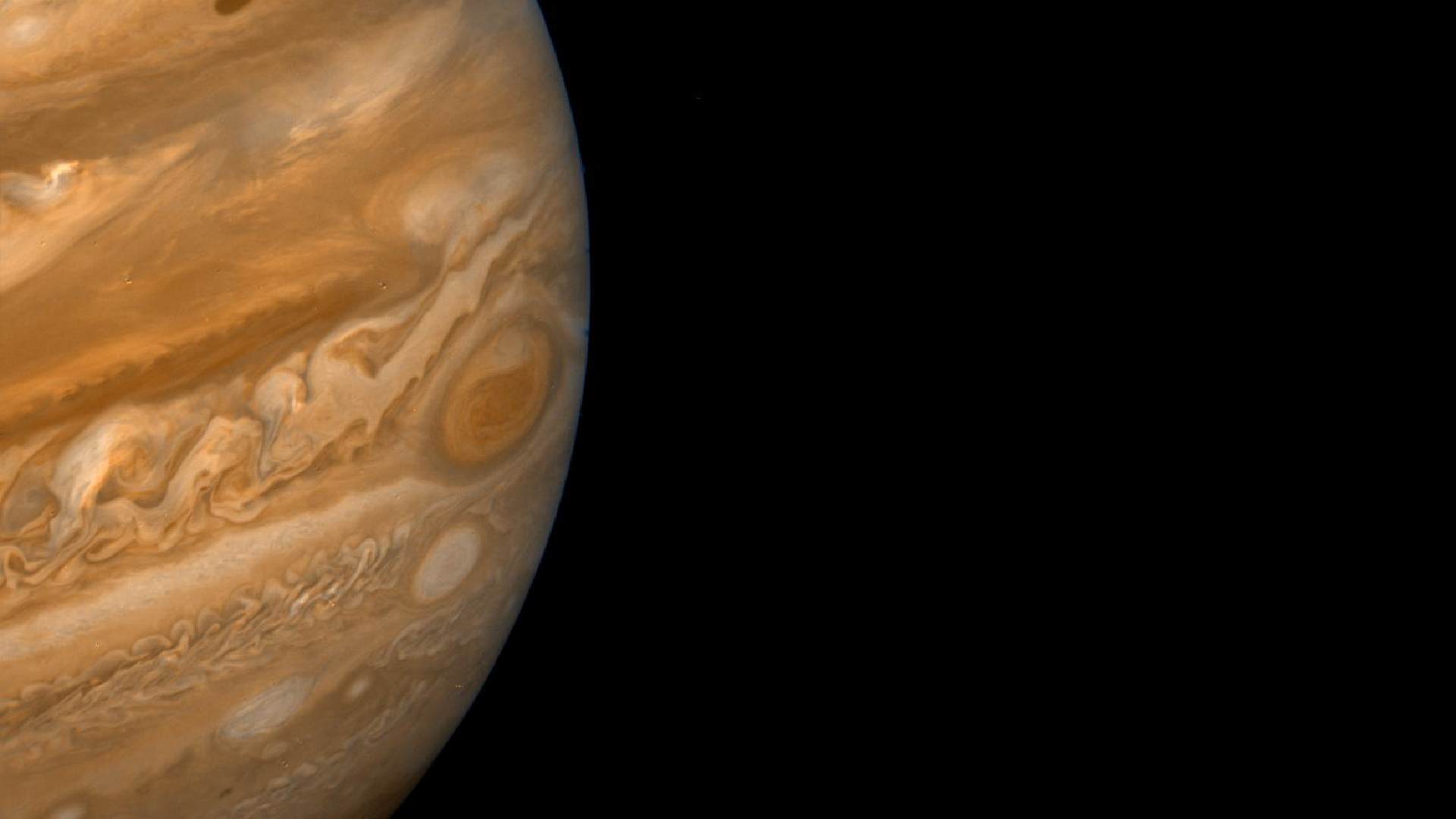
Venus and Jupiter will appear very close together in the sky on August 12, less than a degree apart, offering a spectacular view for early risers and skywatchers using binoculars or telescopes, with the event visible before sunrise and slightly affected by the moon's brightness.

This weekend, sky-gazers can view August's sturgeon moon at its peak, along with planets Venus and Jupiter, and upcoming meteor showers. Additionally, 2025 will feature four more full moons, including supermoons, and notable lunar and solar eclipses in September.