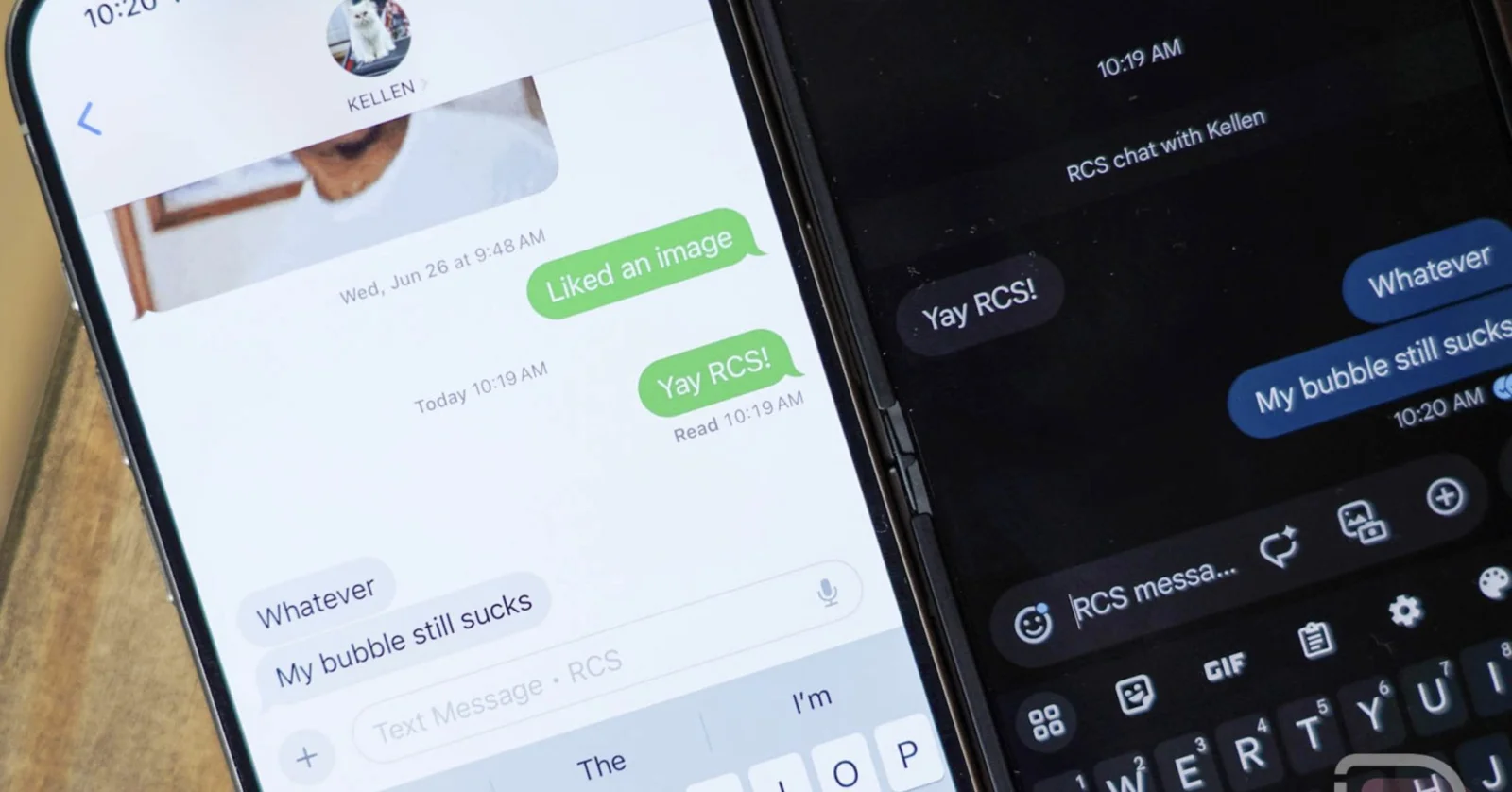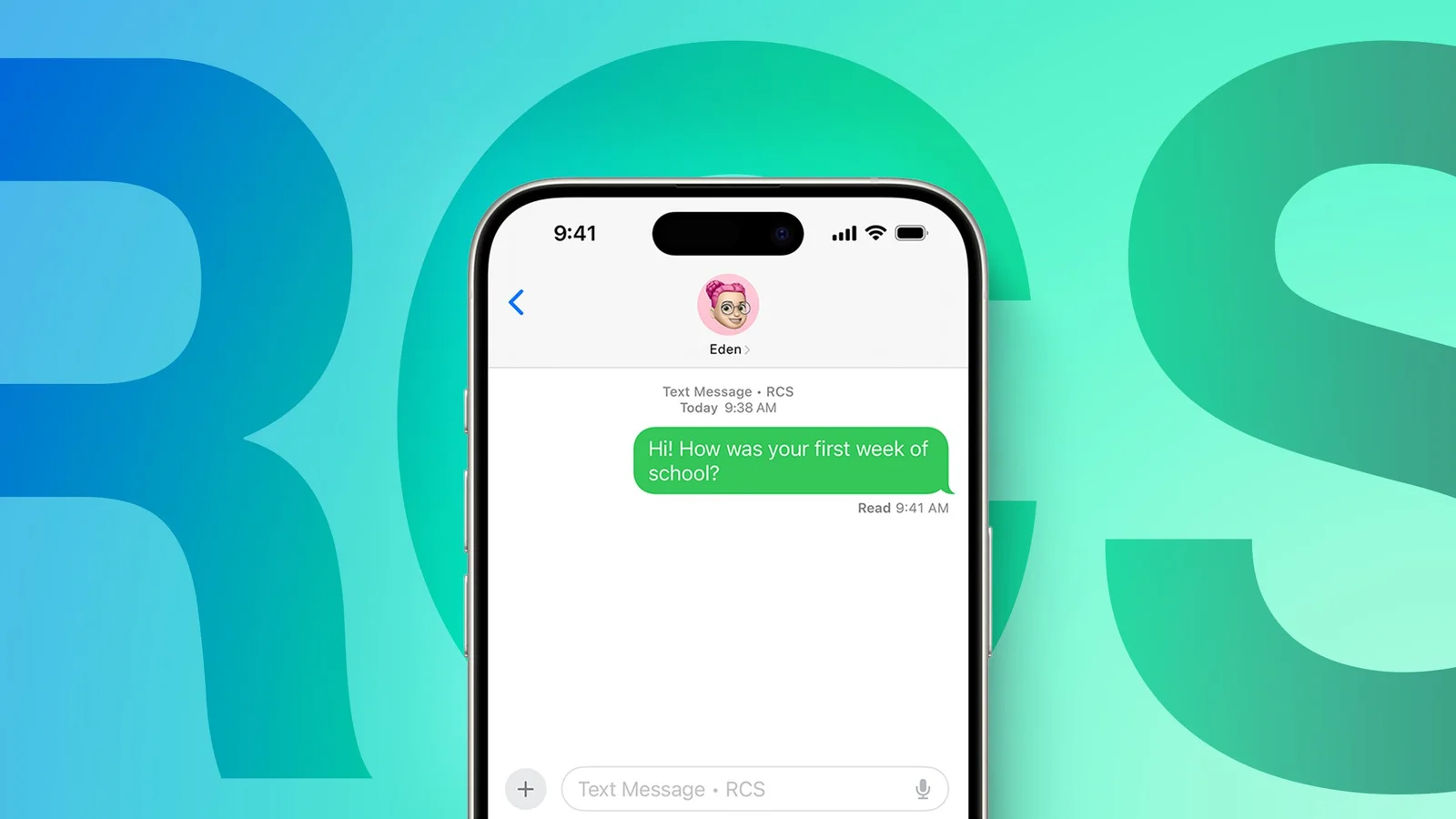
Apple has yet to implement key messaging upgrades, including end-to-end encryption and other RCS protocol enhancements, in iOS 26, with these features possibly arriving in later updates like iOS 26.2, expected around December.
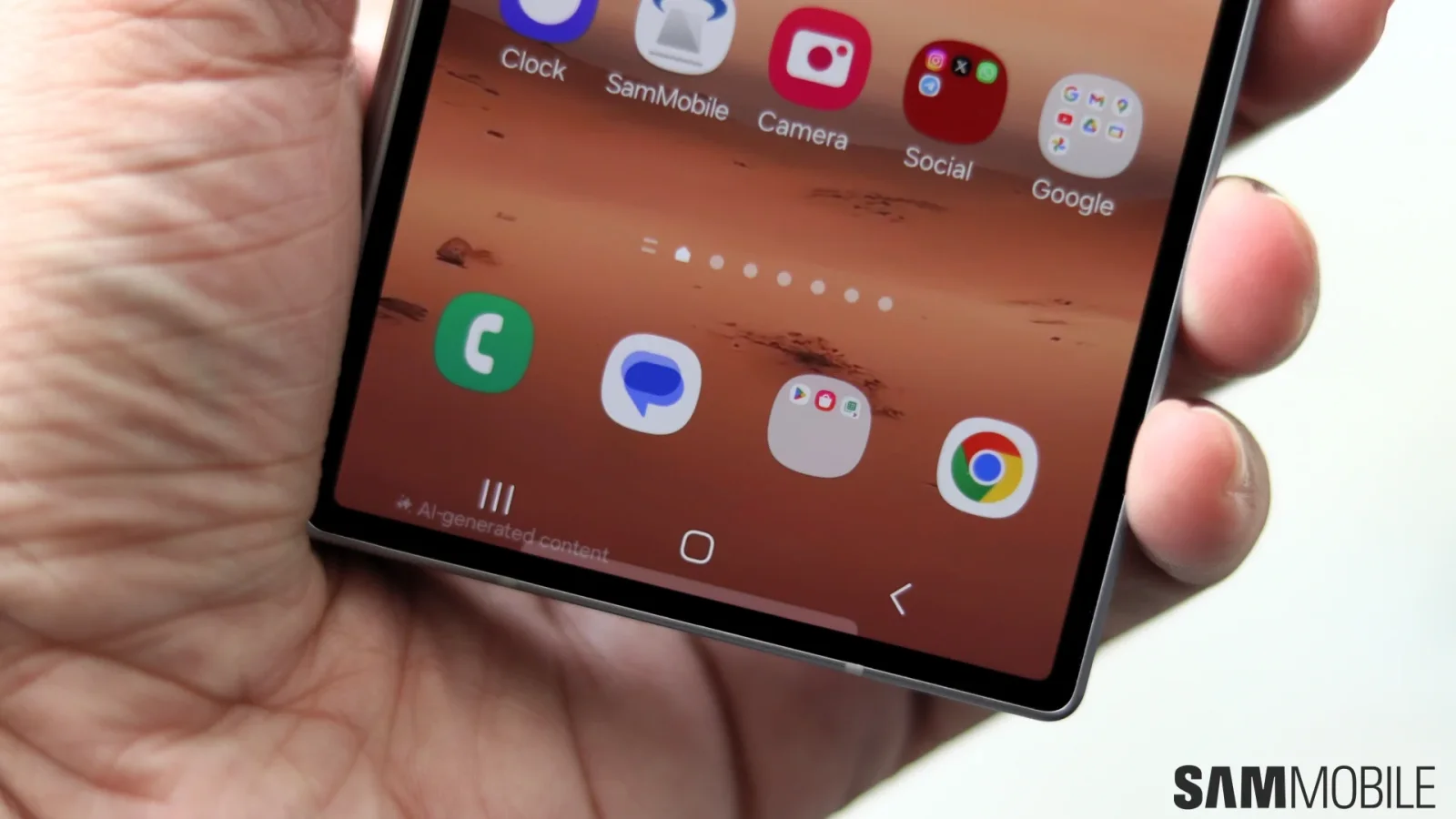
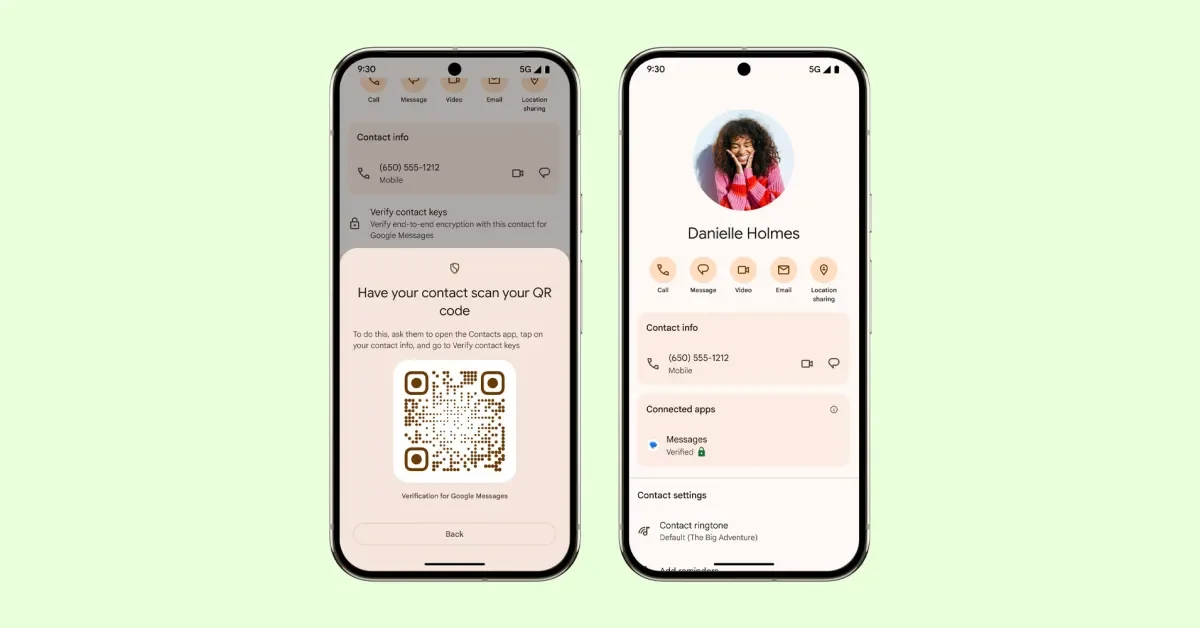
Google Messages is rolling out QR code-based key verification in its beta, allowing users to scan QR codes to verify contact encryption keys, enhancing message security. The feature is not yet on the stable channel and is part of Google's broader efforts to improve privacy and security in messaging apps, with plans to extend this system to third-party apps in 2025.
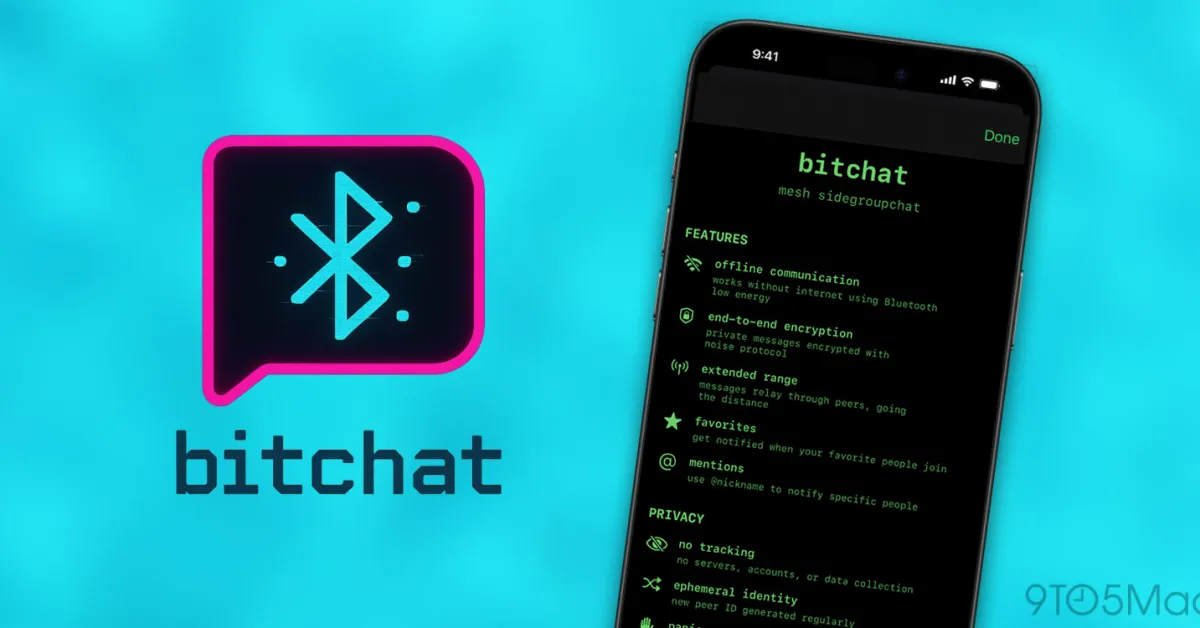
Jack Dorsey's new Bluetooth-based, decentralized messaging app 'bitchat mesh' has launched on the App Store, offering privacy-focused, peer-to-peer communication without servers or user data collection, though it currently has a bug preventing Android connectivity.
Cloudflare has open-sourced its end-to-end encryption solution for its video app Orange Meets, which uses Messaging Layer Security (MLS) for secure group communication, client-side encryption with WebRTC, and a Designated Committer Algorithm for dynamic group management. The project is a technical prototype aimed at developers and privacy enthusiasts, not a polished consumer product, and is available for testing and further development.
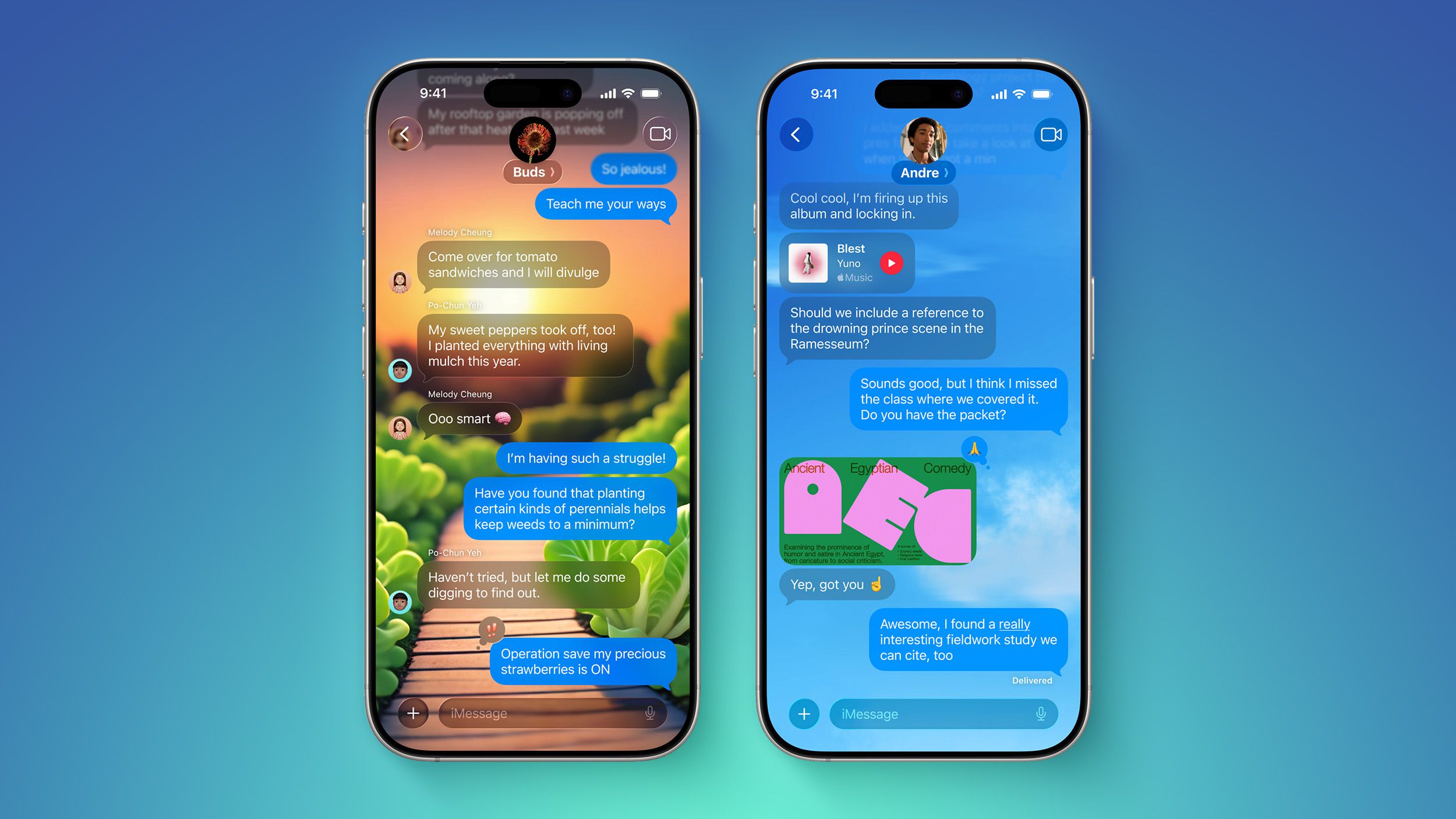
iOS 26 introduces at least 10 new features to the Messages app, including polls, conversation backgrounds, Apple Cash in group chats, typing indicators, contact adding, message selection, unknown sender screening, natural language search, photo previews, and support for end-to-end encrypted RCS messages, with the update available later this year.
Apple's iMessage faces a new warning as Sunbird, a third-party relay between Android and Apple's ecosystem, raises concerns about end-to-end encryption. Sunbird's relay system converts Android-oriented texts into iMessages, leading iMessage users to believe the conversations are end-to-end encrypted when they are not. Sunbird's return comes with promises of improved security, but its lack of end-to-end encryption raises doubts about its security. The article advises against using third-party relays and suggests using cross-platform alternatives like WhatsApp or Signal for secure messaging.
WhatsApp is warning its 2 billion users about a serious new problem with its upcoming upgrade, which aims to comply with Europe’s DMA and open its platform to third-party chats. The new guidance reveals a fatal flaw in the update, highlighting serious security risks for users due to the challenge of maintaining end-to-end encryption while enabling interoperability with other services. The warning emphasizes the inability to guarantee the security and privacy of messages sent or received through third-party providers, raising concerns about potential compromises to user security.
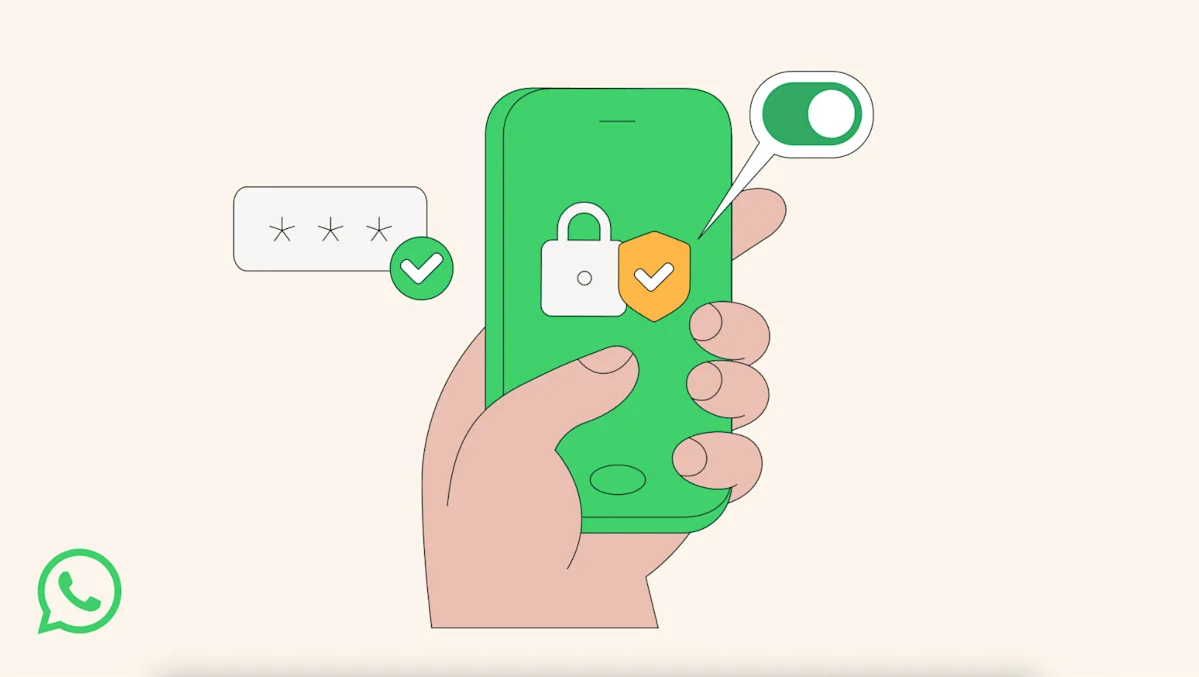
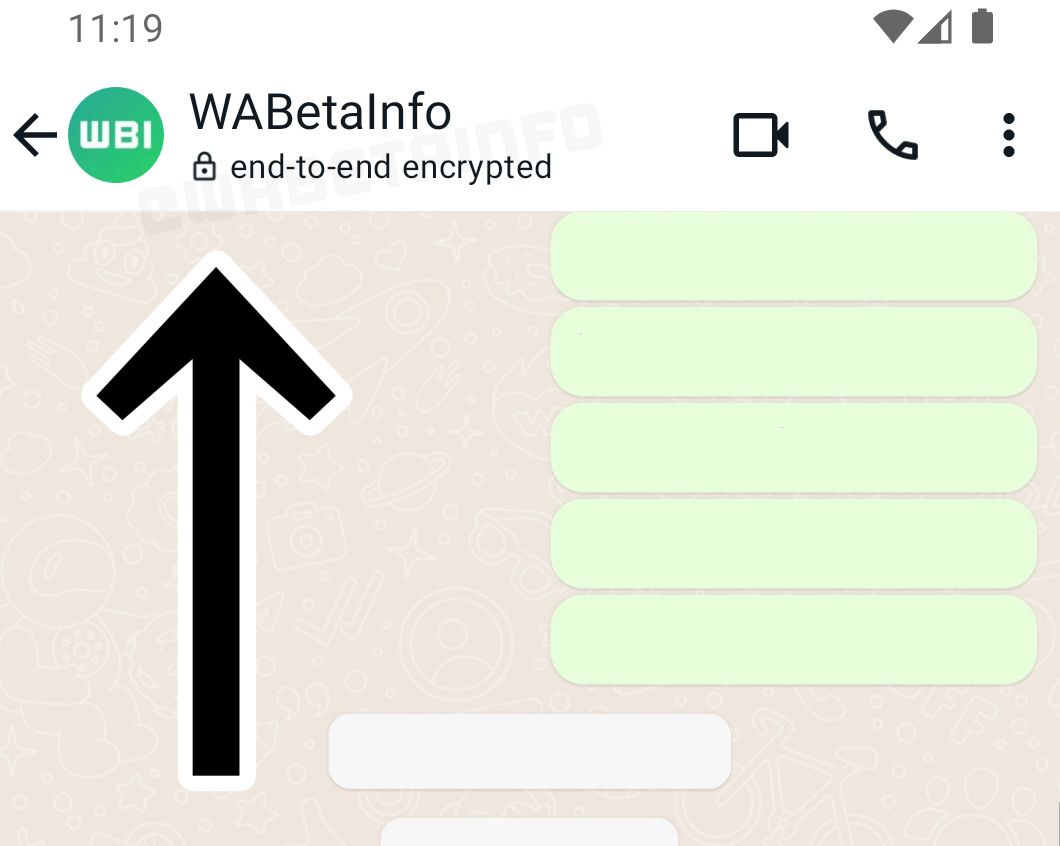
WhatsApp is testing a new feature on Android that briefly displays an "end-to-end encrypted" indicator at the top of chat threads, as part of Meta's rollout of third-party chat interoperability in the EU. This feature is currently being tested by beta users and aims to provide users with more transparency about the security of their conversations.
WhatsApp is set to comply with Europe's DMA by opening its platform to third-party chats, but a new warning reveals a serious risk for its 2 billion users. The update aims to maintain end-to-end encryption while enabling interoperability, but without control of both endpoints, the platform cannot guarantee the security and privacy of messages sent to or received from third-party providers. This poses significant security risks, leading experts to advise users to stick to separate end-to-end encrypted messengers and avoid mixing and matching platforms.
In compliance with the new EU law, the Digital Markets Act (DMA), WhatsApp and Messenger are making changes to enable interoperability with third-party messaging services while maintaining end-to-end encryption and privacy guarantees. The law requires designated messaging services to allow third-party interoperability, enabling users to send and receive messages with opted-in users of either Messenger or WhatsApp. The implementation of interoperability focuses on preserving privacy and security, utilizing the Signal Protocol for encryption, and building on Meta's existing client/server architecture. Meta emphasizes the importance of transparently informing users about the differences in security and privacy when communicating with third-party providers.
Signal, the end-to-end encrypted messaging app, is testing a new feature that allows users to create unique usernames to keep their phone numbers private. This feature is opt-in and aims to provide anonymity and privacy by allowing users to initiate conversations without sharing their phone numbers. Users can also control who can see their phone numbers and who can find them by their numbers through privacy settings.
DuckDuckGo browser introduces a new end-to-end encrypted Sync & Backup feature, allowing users to securely synchronize their bookmarks, passwords, and Email Protection settings across multiple devices without needing to sign in. The feature is available on Windows, macOS, iOS, and Android, and employs local encryption to store sensitive data, with end-to-end encryption during syncing. Users can manage their synced devices and retrieve data using recovery codes. Additionally, a password requirement for synchronization is being rolled out to enhance security.
WhatsApp is preparing to introduce third-party chat support ahead of the Digital Markets Act deadline, allowing other messaging networks to operate within its app. This move aligns with the EU's mandate for messaging interoperability. Meta is also working on adding support for other chat apps to Messenger. The new feature will be opt-in to prevent spam and scams, and companies seeking interoperability with Meta's system will need to sign an agreement. However, concerns about potential privacy and security issues have been raised, and it remains unclear if other operators like Telegram, Viber, and Google plan to add interoperability support with WhatsApp.
WhatsApp is reportedly developing a new feature that would allow users to share files with nearby devices, similar to Apple's AirDrop. The feature is still in development and would require users to shake their devices to activate a request and be in close proximity to the recipient. The shared files, likely photos and videos, will be end-to-end encrypted, and phone numbers will be kept private when sharing with non-contacts. It's unclear when the feature will be available and how it will differ from AirDrop in terms of functionality.
WhatsApp is testing a new file-sharing feature in its Android app that will allow users to share files with people nearby. The feature, which is end-to-end encrypted, has the potential to bring cross-platform sharing to WhatsApp's 2 billion users worldwide, but there is no official release date yet.