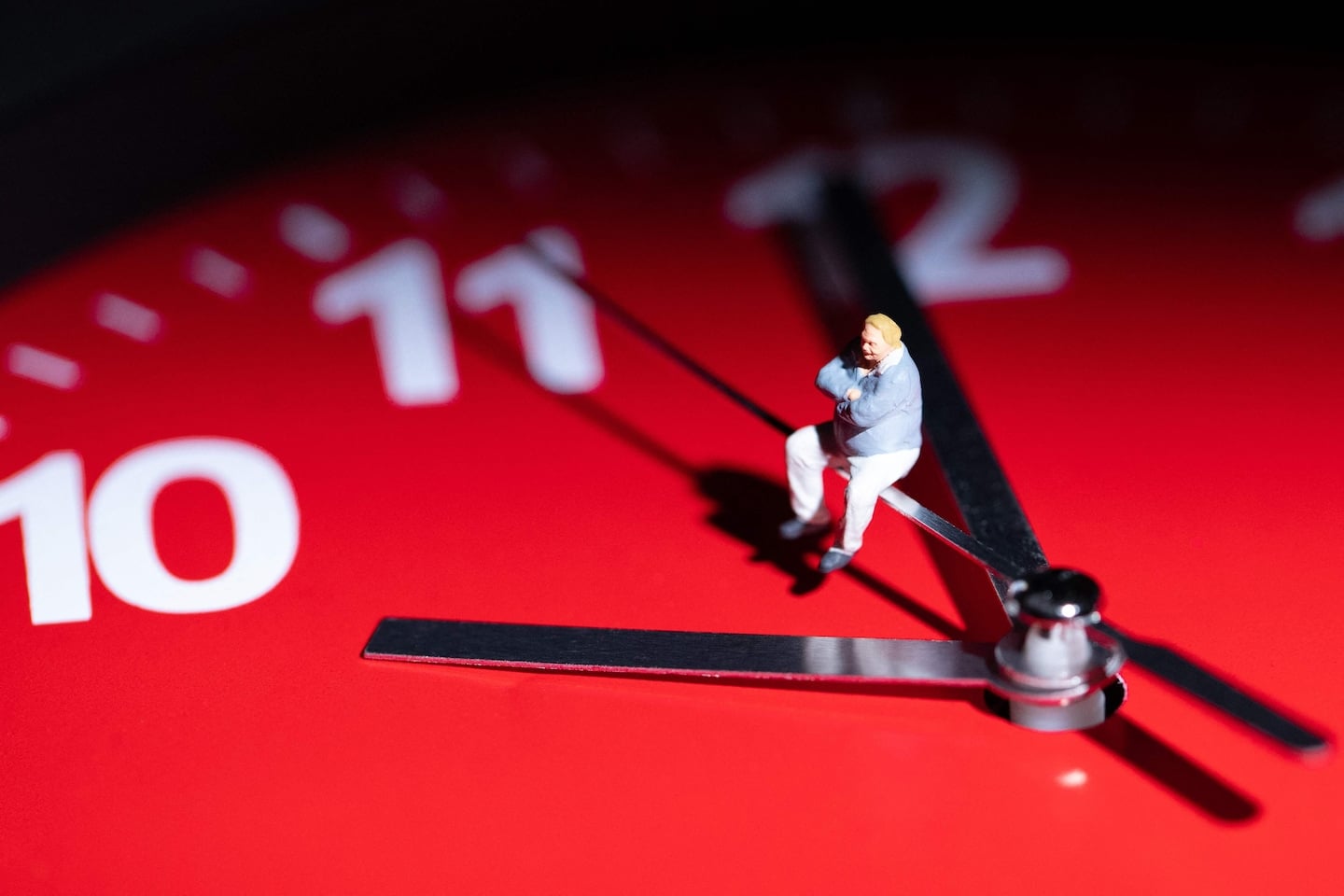
Scientists have found that clocks on Mars run faster than on Earth by about 477 microseconds per day due to differences in gravity and orbital dynamics, with implications for future space missions and tests of Einstein's relativity.
Daylight saving time ends on Sunday, requiring clocks to be set back one hour, with most US states observing the change except Hawaii and Arizona. Many Americans prefer permanent daylight saving time, but efforts to make it permanent have stalled in Congress due to concerns about winter darkness and safety. The Sunshine Protection Act has bipartisan support but has not yet been enacted.
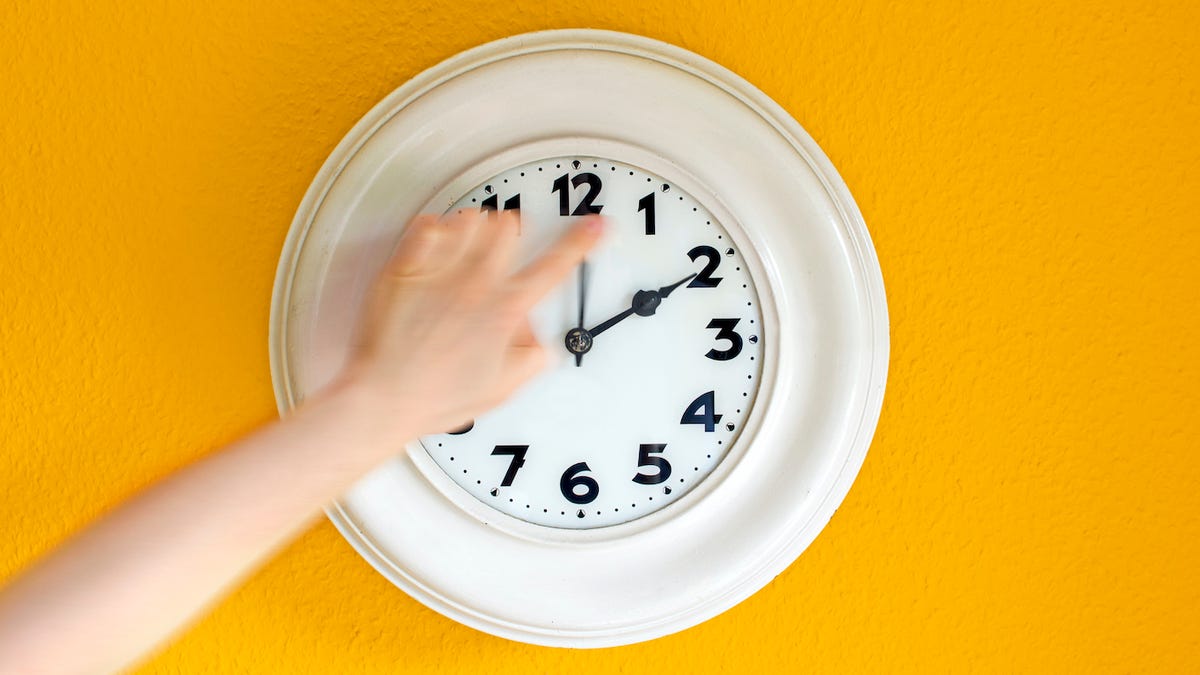
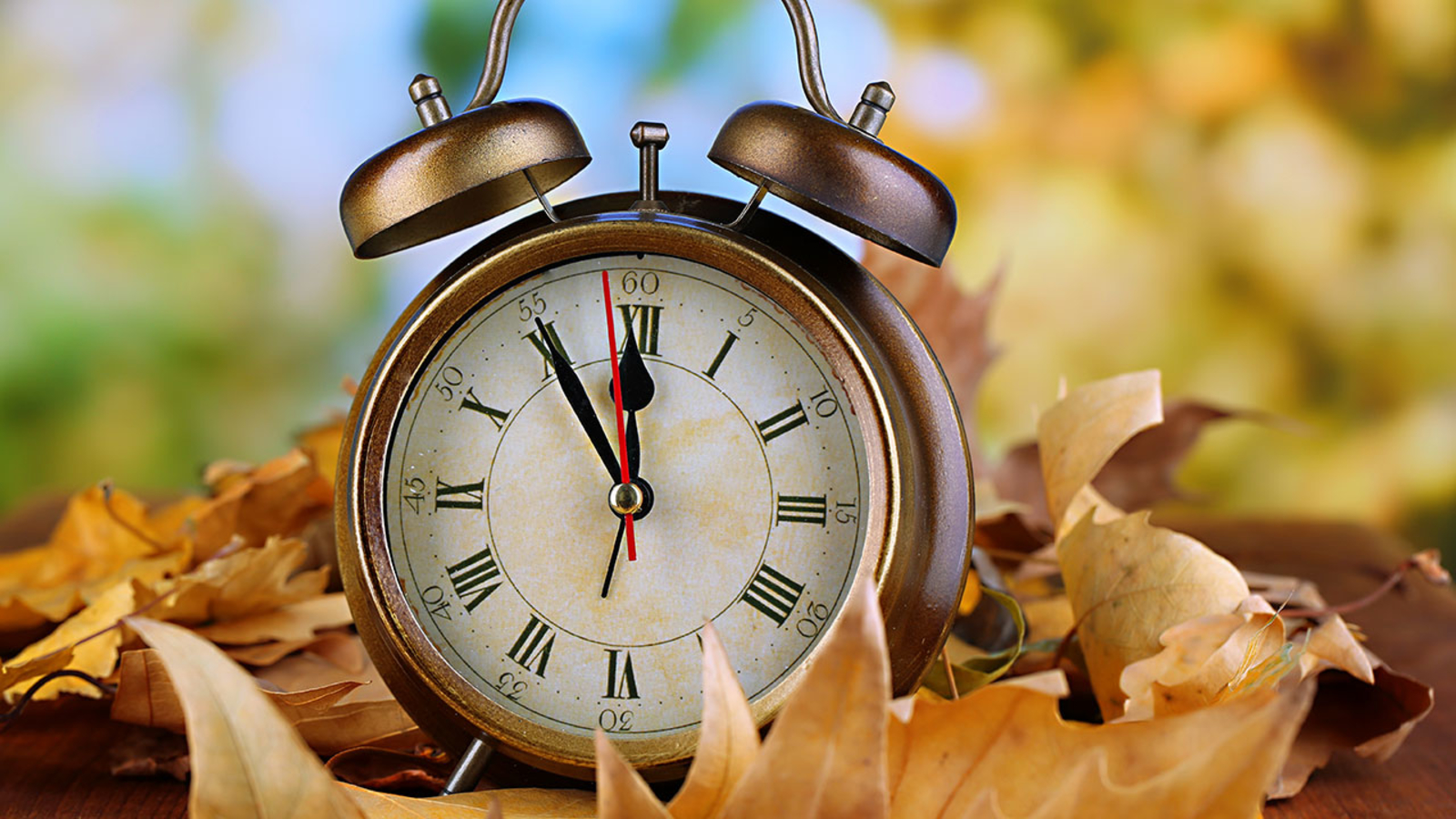
Daylight saving time ends on November 2, 2025, when clocks are set back an hour, providing most Americans with an extra hour of sleep. The change occurs at 2 a.m., reverting to 1 a.m., and marks the end of the spring-to-fall cycle that began in March. Some states and territories, like Hawaii and Arizona, do not observe daylight saving time. The practice, originating in the early 20th century for energy saving, remains debated due to health and safety concerns, with recent polls showing strong public support for permanent daylight saving time.
The UK is ending Daylight Savings Time this weekend, moving clocks back by one hour to Greenwich Mean Time, which can affect sleep patterns but also offers an extra hour of sleep. Experts recommend exposure to daylight to help regulate circadian rhythms during this transition.
Scientists at King's College London have developed mathematical equations showing how any sequence of random events can be used to create a clock, which could help explore the quantum nature of the universe and improve understanding of biological timekeeping processes, with implications for understanding diseases and fundamental physics questions.
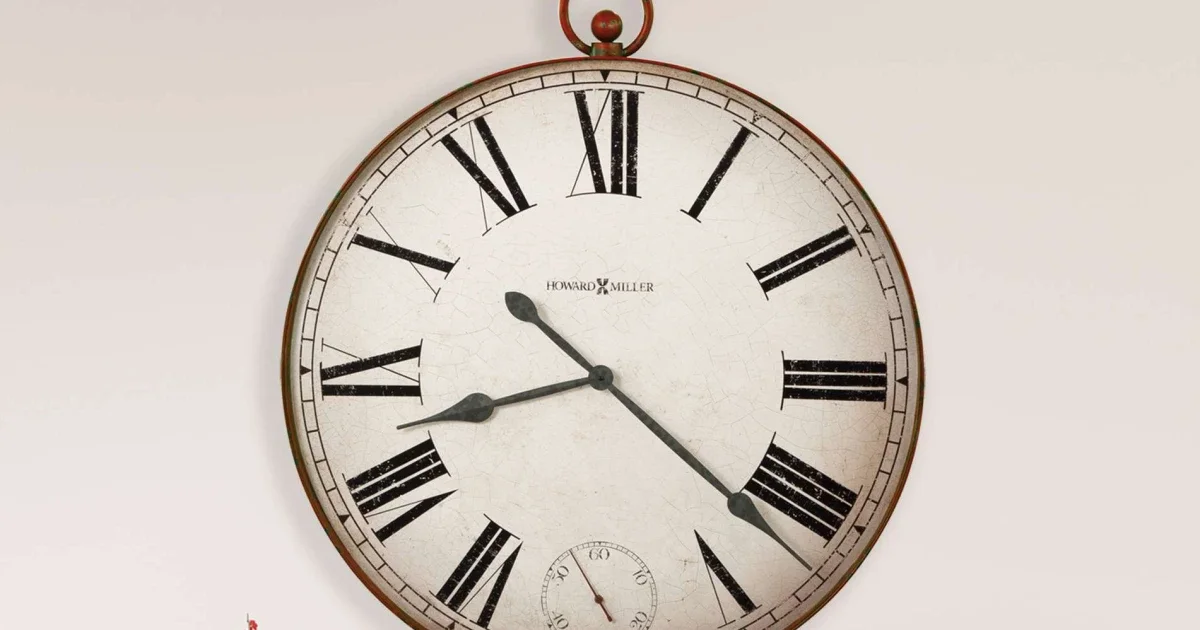
Howard Miller Co., a nearly century-old Michigan clock manufacturer, is closing due to tariffs and economic challenges, affecting local industry and employment.
The article discusses the concept of time in physics, emphasizing that the time of physics is not real time but a mathematical abstraction. It explains that while modern clocks are incredibly precise, they do not reveal the true nature of time and are tools invented to measure aspects of the experiential flow of time. The article warns against mistaking abstract, mathematical time for lived time and emphasizes the importance of understanding the purpose of a specific notion of time without attributing ontological primacy to it.
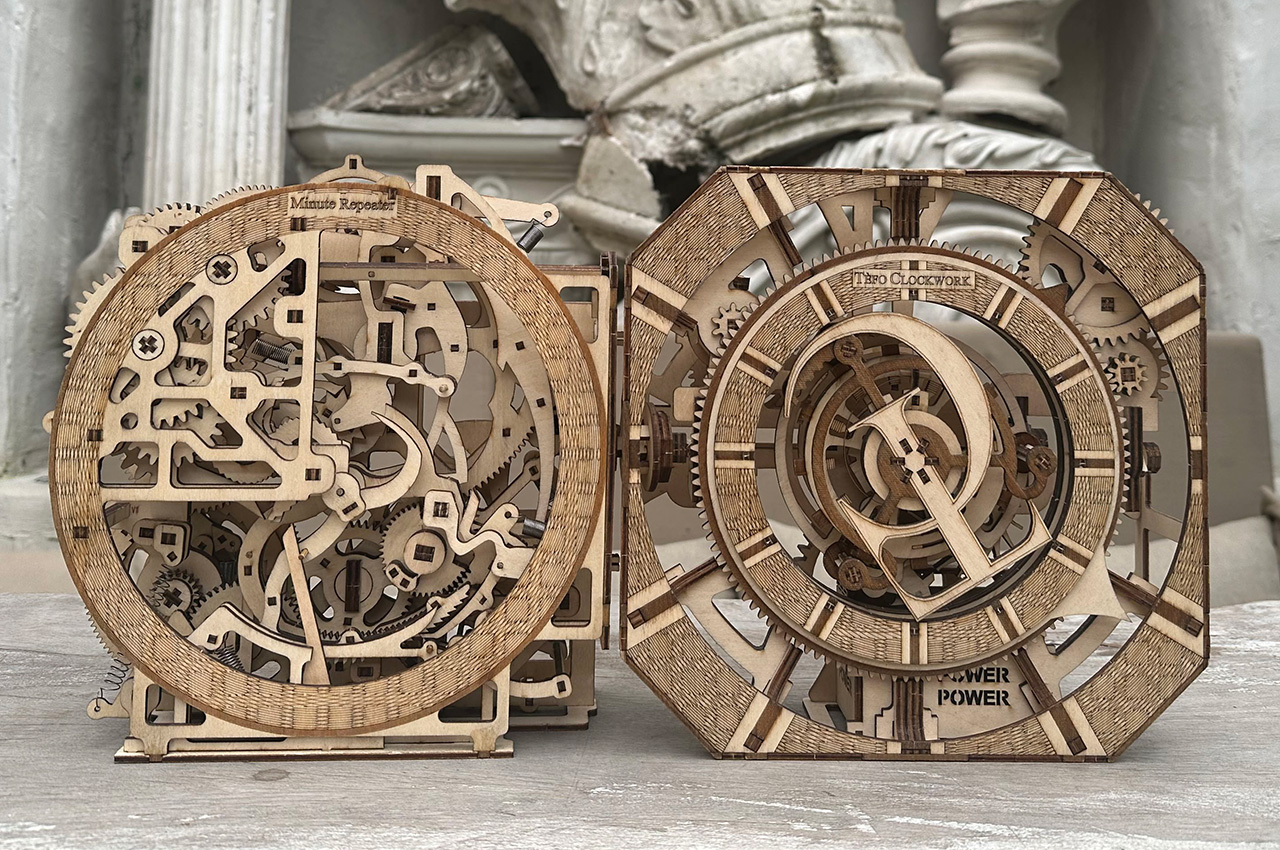
Tèfo Clockwork offers laser-cut wooden DIY kits that allow watch enthusiasts to build their own working mechanisms inspired by luxury watches. The kits include complications such as a Center Tourbillon, Minute Repeater, Fly-back Chronograph, and Perpetual Calendar, which can be assembled into functional table clocks. The kits are made from laser-cut wood with metal load-bearing components and ball-bearings for smooth rotation. The TC-01 clock starts at $249, with the option to add additional complication modules. Global shipping is available, with units expected to ship by November.
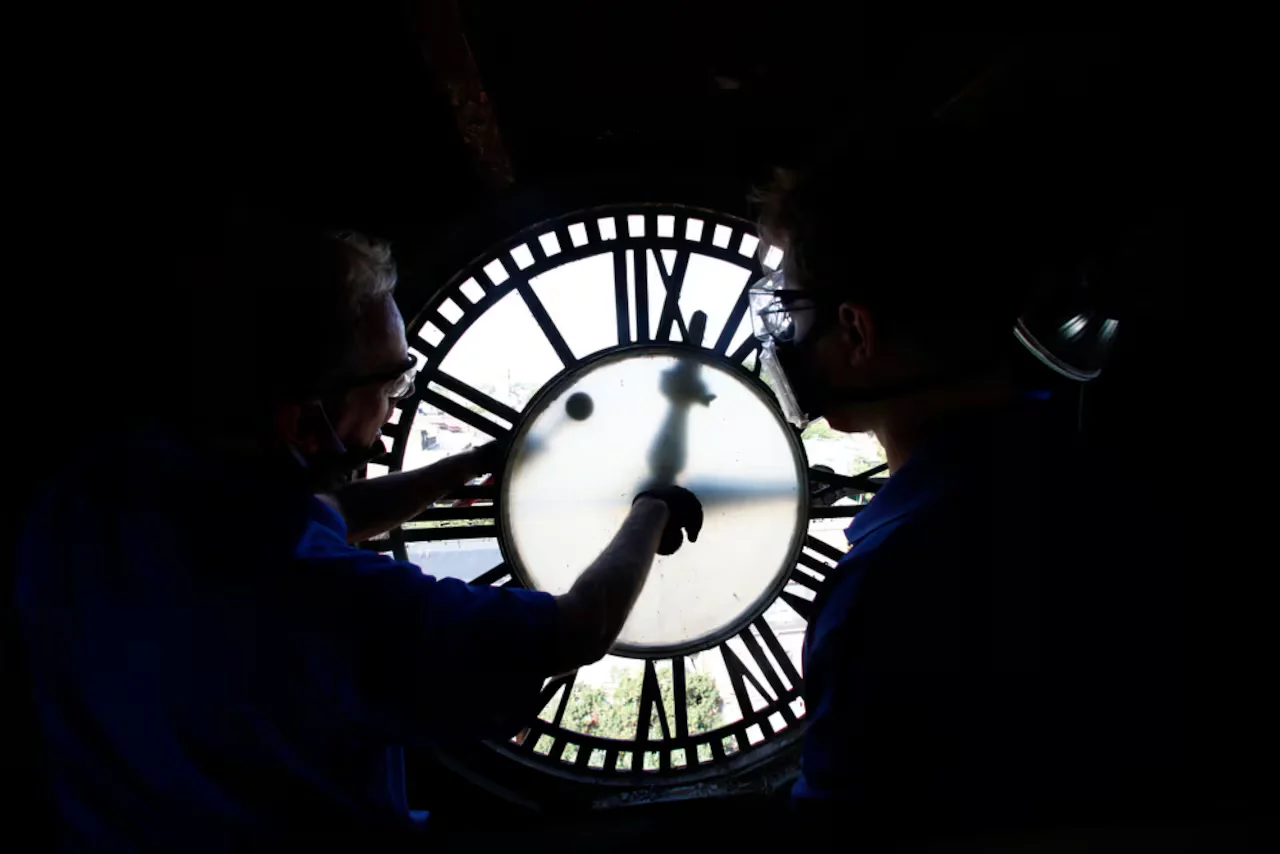
A leading time scientist, Judah Levine, suggests introducing a leap minute to align the Earth's two official clocks, the Universal Time clock and the atomic clock, which currently require leap seconds to stay synchronized. Levine believes that allowing a slight deviation between the clocks could enable the addition of a leap minute every 50 years, providing a more manageable solution. However, industries relying on precise time, such as flight control and stock trading, may face challenges. Some tech companies have already developed their own methods to manage time variations, while a planned 100-year pause on the leap second in 2035 requires global agreement.
Daylight saving time will end on Sunday, November 5 at 2 a.m. local time, allowing Americans to gain an extra hour of sleep. The time adjustment affects the daily lives of millions of people, prompting clock changes and earlier sunsets. Efforts to make daylight saving time permanent have stalled in Congress, and not all states and territories in the U.S. observe it.
Daylight saving time is ending on the first Sunday in November, with clocks falling back an hour at 2 a.m. in most of North America, Europe, Australia, and New Zealand. Some U.S. states, such as Hawaii and most of Arizona, do not participate in the time change. The concept of daylight saving time was proposed by Benjamin Franklin in 1784, but it was implemented in the United States in 1918 to address train transportation coordination concerns during World War I. While there have been efforts to eliminate the semiannual tradition, there is currently no major movement to end daylight saving time in the U.S.
Daylight Saving Time, where clocks are adjusted forward in spring and back in fall, is set to end on November 5th. The practice, which began during World War I to save fuel and power, has been a subject of debate and controversy. While some argue that it disrupts body rhythms and has minimal energy-saving benefits, others highlight its positive effects on public safety, mental health, and the economy. A bipartisan bill to make Daylight Saving Time permanent was passed by the US Senate in March 2022, but it still needs approval from the House of Representatives and President Joe Biden to become law.
Daylight saving time in 2023 will end at 2 a.m. on Sunday, November 5, when clocks will "fall back" one hour. This means darker evenings and lighter mornings under standard time throughout the winter months. Efforts to end the practice include proposals for permanent daylight saving time, permanent standard time, or pushing Pennsylvania into another time zone. Several states have enacted measures for permanent daylight saving time, but an act of Congress is required for the change. In Pennsylvania, various bills have been proposed, including permanent daylight saving time and putting the state in Atlantic Standard Time. Daylight saving time in 2024 will start on March 10 and end on November 3.
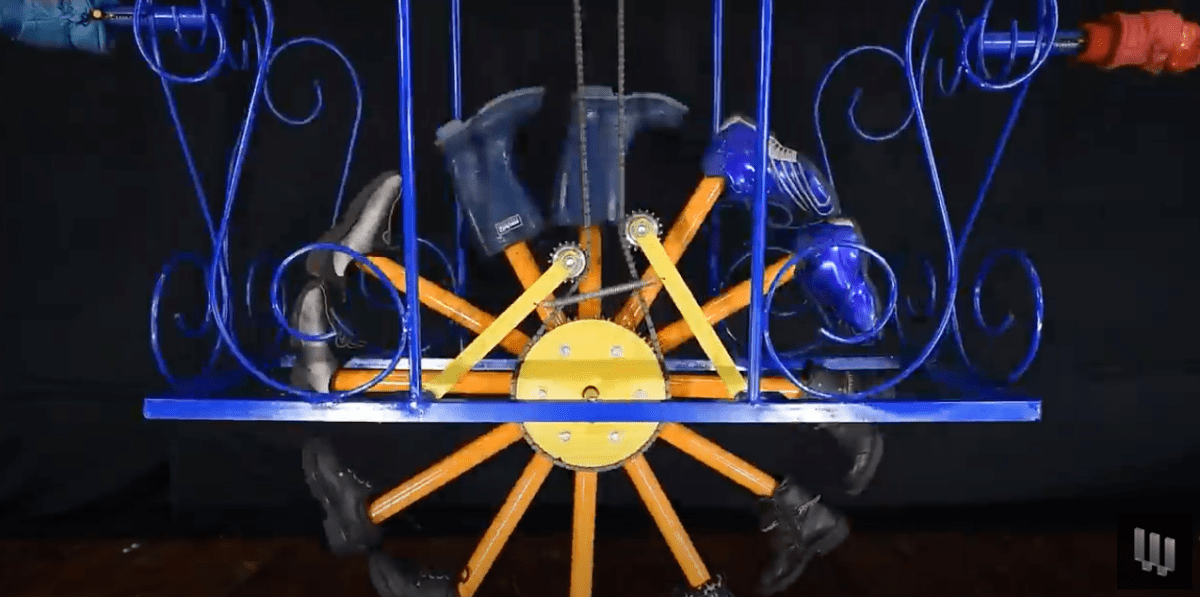
Rick Stanley is a clockmaker who creates beautiful and inventive clocks using found objects such as glass bottles, ramps with rolling balls, and even a walking clock with a circle of shoes. His clocks are the most fantastic clocks ever seen, with the walking clock being a favorite, walking 3,000 miles a year and back and forth once per minute.