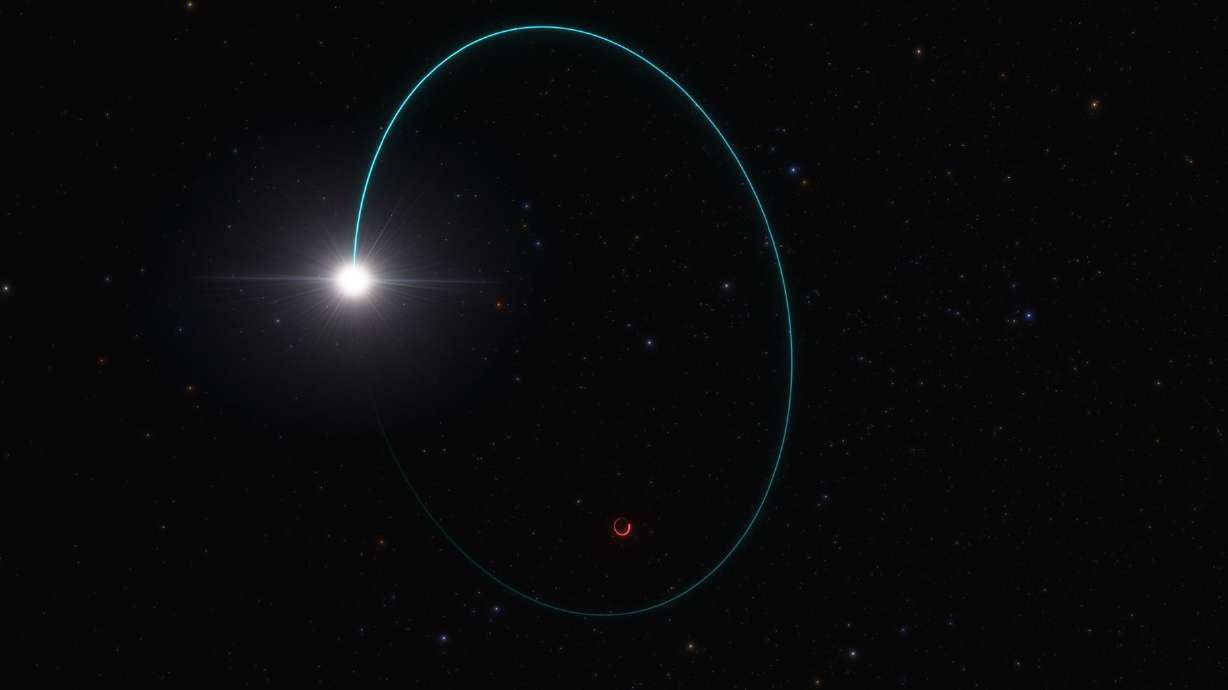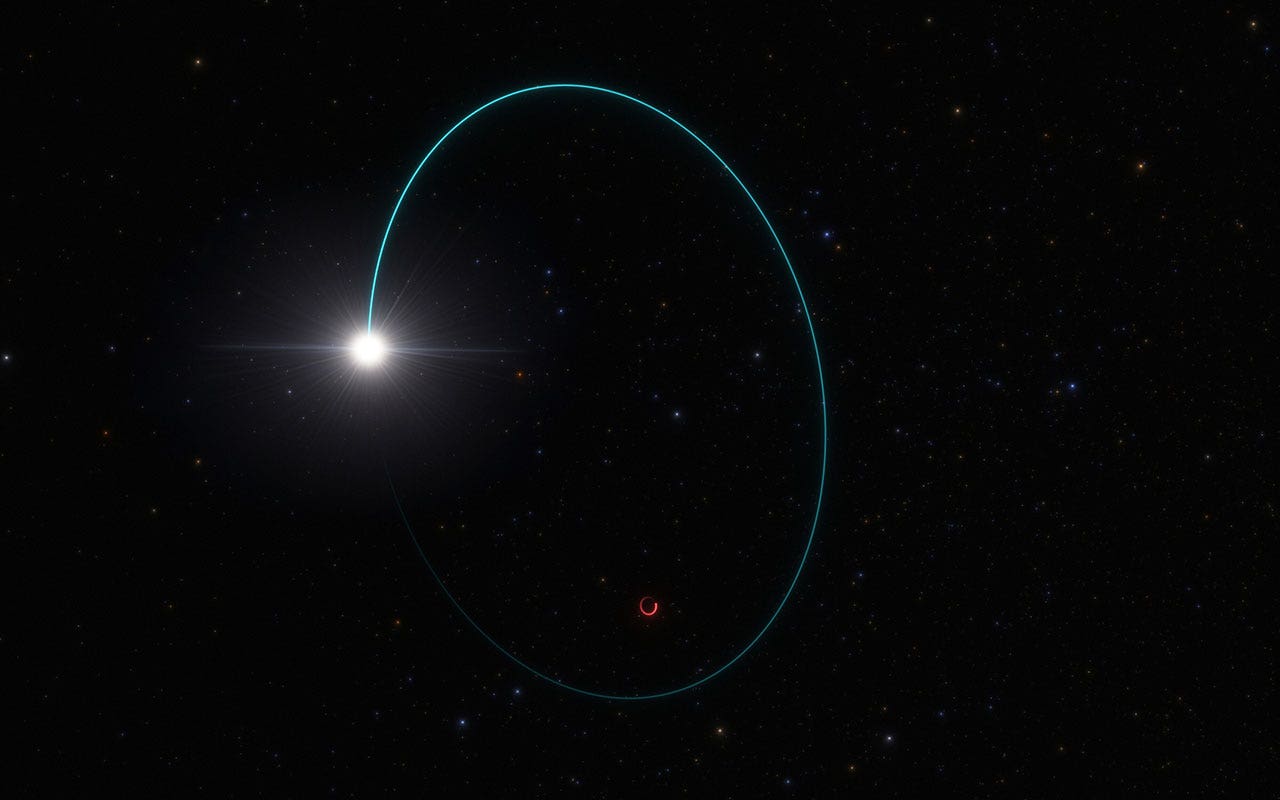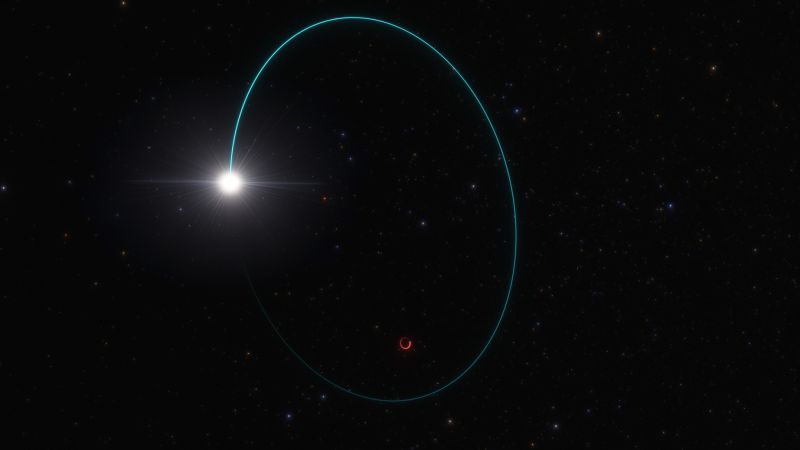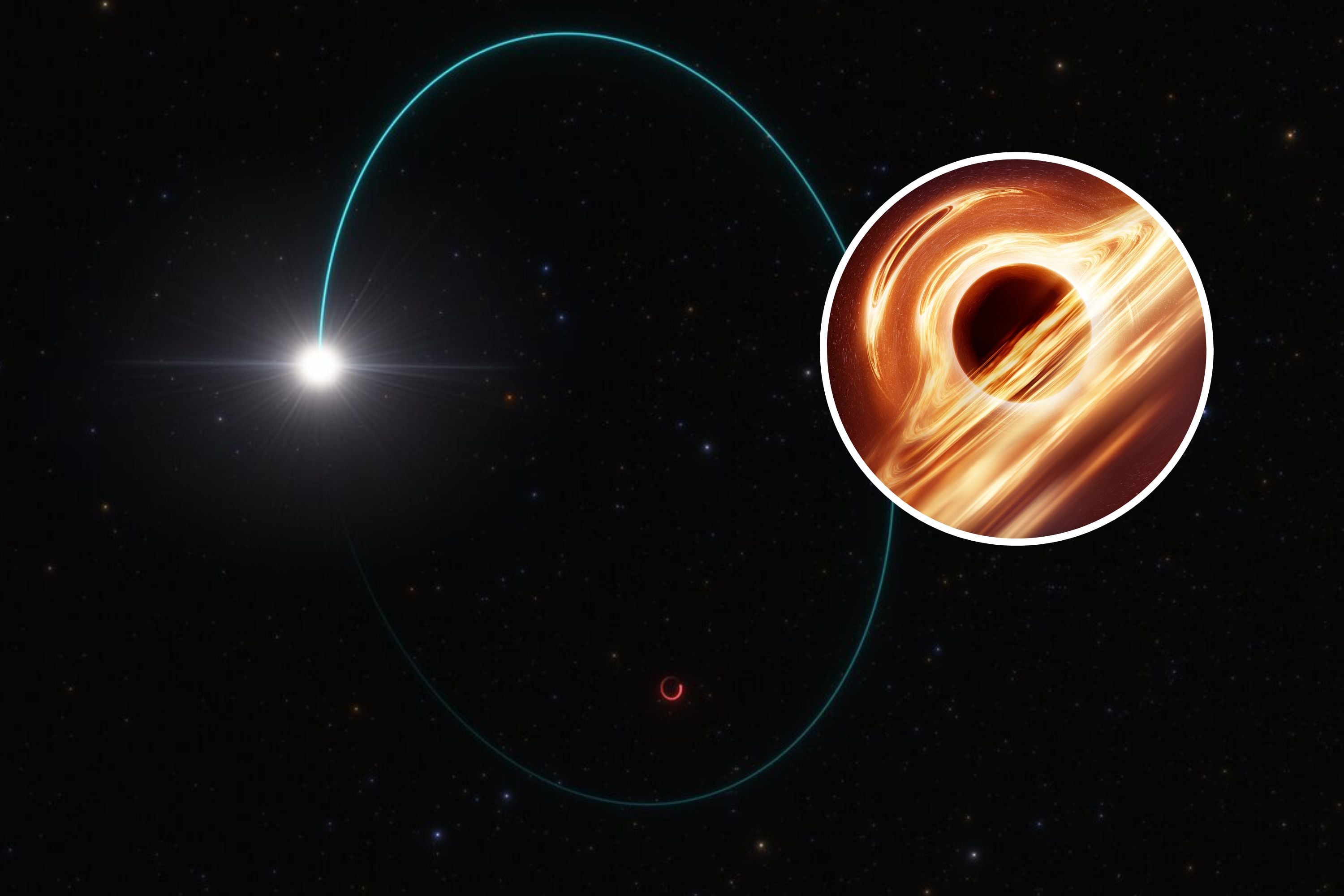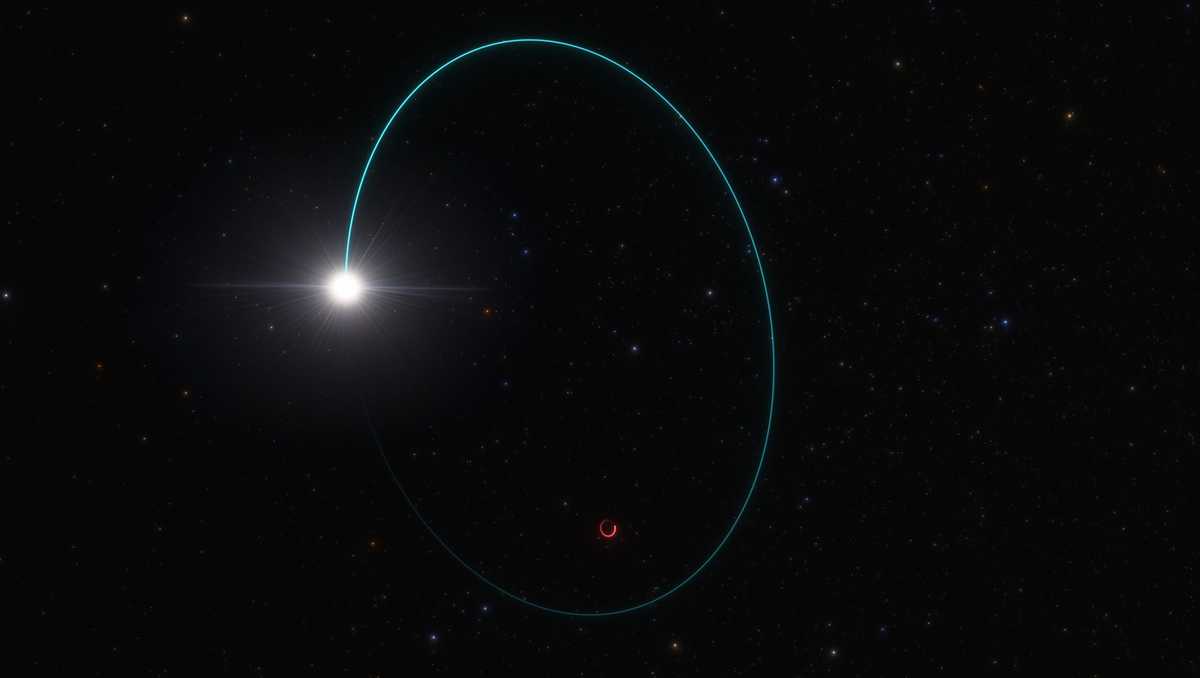
Astronomers have discovered the most massive known stellar black hole in the Milky Way, named Gaia BH3, located 1,926 light-years away in the Aquila constellation. This "sleeping giant" has a mass nearly 33 times that of our sun and was found through observations taken by the Gaia space telescope. The discovery offers new insights into the formation of high-mass black holes and their connection to metal-poor stars. This unexpected find has the potential to transform our understanding of astronomy and astrophysics.
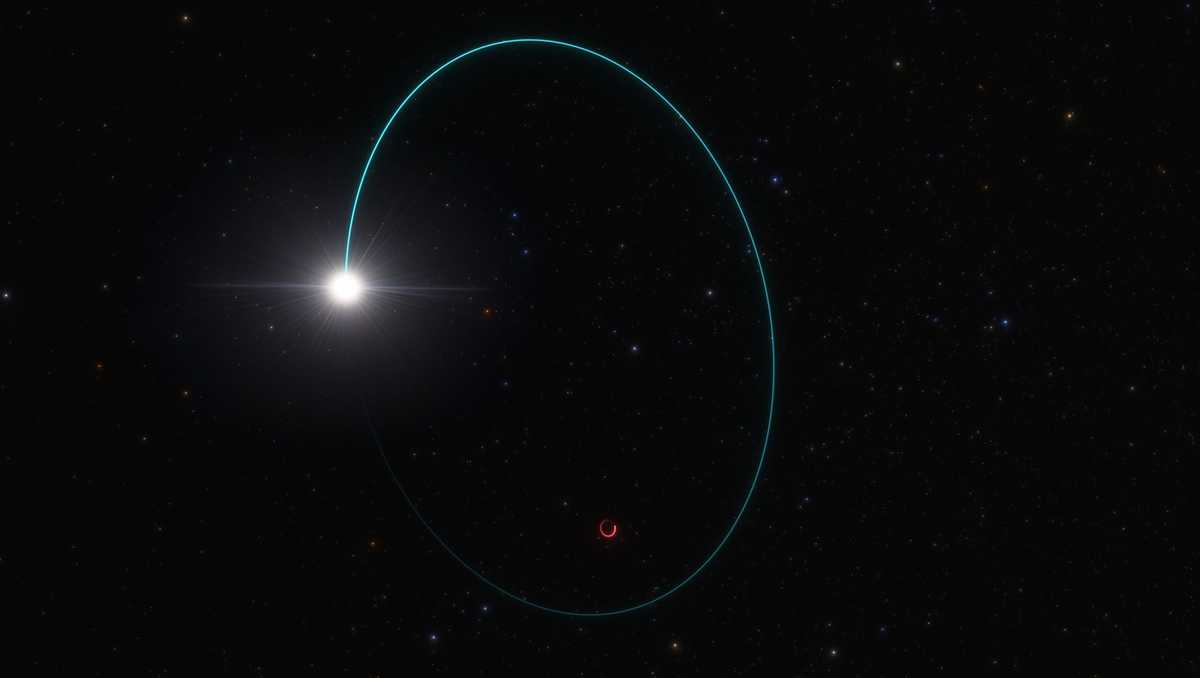
Astronomers have discovered the most massive known stellar black hole in the Milky Way, named Gaia BH3, located 1,926 light-years away in the Aquila constellation. This "sleeping giant" has a mass nearly 33 times that of our sun and was found through observations taken by the Gaia space telescope. The discovery offers new insights into the formation of high-mass black holes and their connection to metal-poor stars. The findings, published in Astronomy & Astrophysics, have the potential to transform our understanding of astronomy and astrophysics.
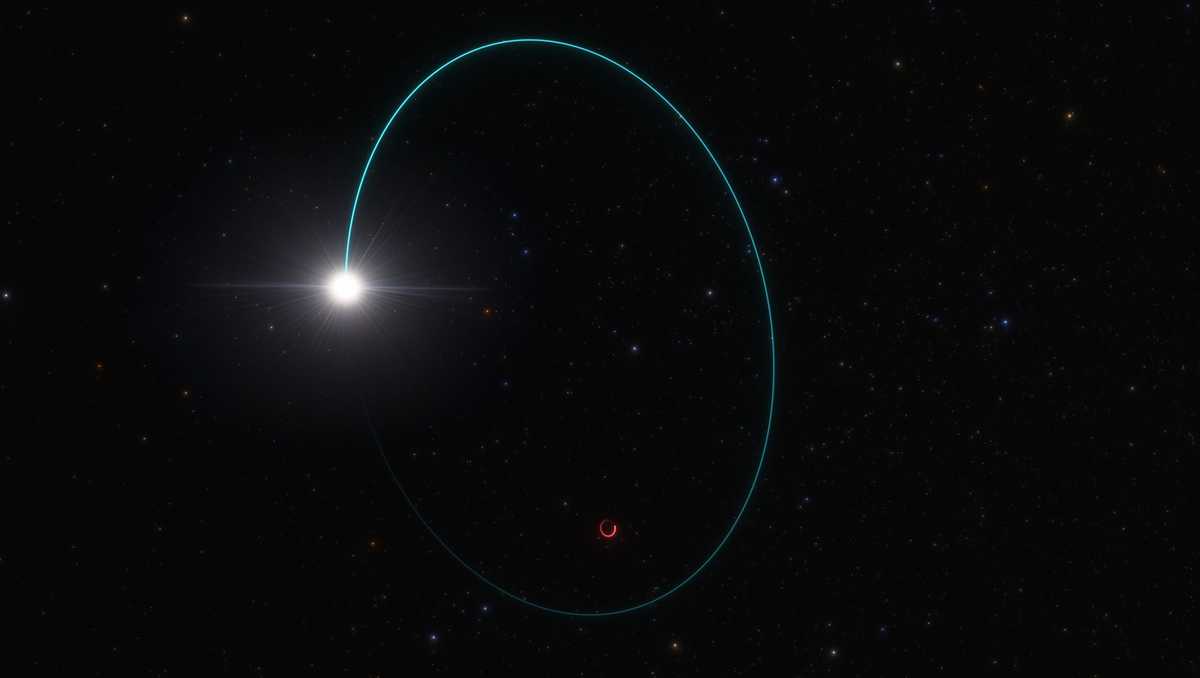
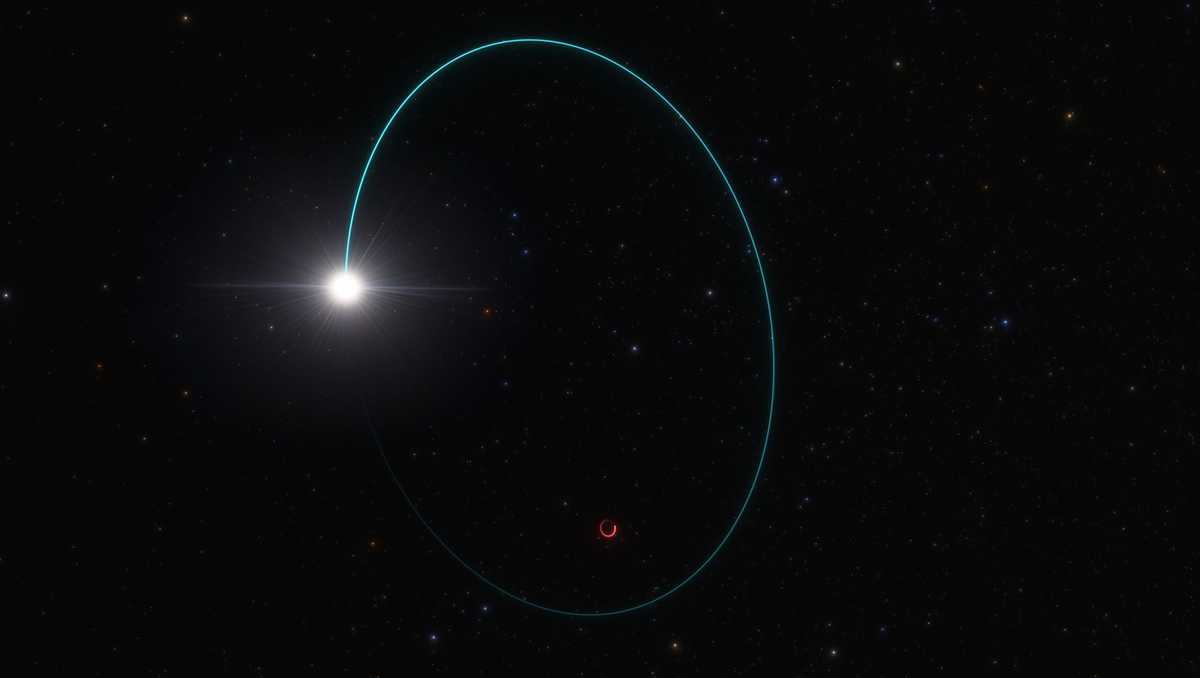
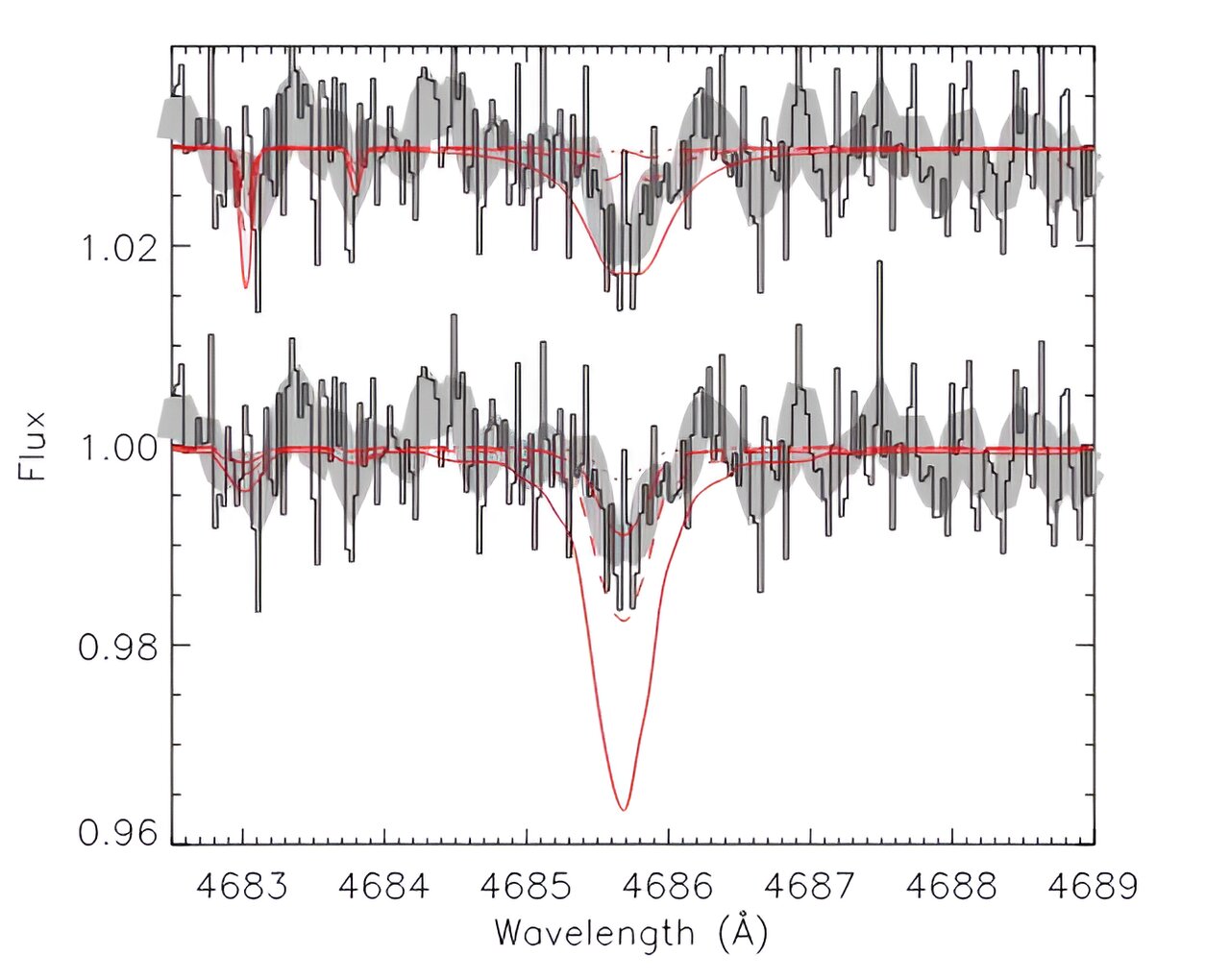
Astronomers have discovered the most massive known stellar black hole in the Milky Way, named Gaia BH3, located 1,926 light-years away in the Aquila constellation. This "sleeping giant" has a mass nearly 33 times that of our sun and was found through an unusual wobble in space. The discovery offers new insights into the formation of high-mass black holes and their connection to metal-poor stars. The findings, published in Astronomy & Astrophysics, were made using the European Space Agency’s Gaia space telescope and ground-based observatories. This unexpected discovery is expected to have a significant impact on astronomy and astrophysics.
Astronomers have discovered a massive stellar black hole, named Gaia BH3, in the Milky Way galaxy, located 1,926 light-years away in the Aquila constellation, making it the second-closest known black hole to Earth. This "sleeping giant" has a mass nearly 33 times that of our sun and was found through observations taken by the Gaia space telescope. The discovery offers new insights into the formation of high-mass black holes and their connection to metal-poor stars, shedding light on the secrets of ancient stars and the evolution of our galaxy.
Using the Southern African Large Telescope (SALT), astronomers have discovered EC 19529−4430, the most metal-poor extreme helium star known to date, located in the Galactic halo about 15,500 light years away. The star's surface is primarily composed of carbon-nitrogen-oxygen-processed helium, and it is the coolest known carbon-poor and nitrogen-rich extreme helium star. Researchers believe it likely formed from the merger of two helium white dwarfs and will evolve into a core helium-burning EHe subdwarf.
Astronomers have discovered a black hole, named Gaia BH3, within the Milky Way with a mass 33 times greater than that of the sun, making it the second-largest known in our galaxy. Located 2,000 light-years away in the constellation Aquila, it has a companion star orbiting it and is peculiar in many aspects, including its direction of travel within the galaxy. The discovery supports stellar evolution models and raises questions about the maximum mass of stellar black holes.
Astronomers have discovered a record-breaking stellar-mass black hole, named Gaia BH3, just 1,924 light-years from the Solar System in the constellation of Aquila. This black hole is the most massive stellar-mass black hole ever spotted in the Milky Way, with a mass 33 times that of the Sun. It was found in a binary orbit with a companion star, and its discovery raises questions about how many more undetected black holes are lurking nearby. The researchers anticipate finding even more black holes upon the fourth release of Gaia data.
Astronomers have discovered a massive stellar black hole, named Gaia BH3, located less than 2,000 light-years away in the Aquila constellation, making it the second-closest known black hole to Earth. This "sleeping giant" has a mass nearly 33 times that of our sun and was found through observations taken by the Gaia space telescope. The discovery offers new insights into the formation of high-mass black holes and their link to metal-poor stars, shedding light on the early universe.
Astronomers have discovered the largest stellar black hole, Gaia BH3, in our galaxy, which is around 33 times the mass of the sun and located 2,000 light years away. This once-in-a-lifetime find was made possible by analyzing data from the European Space Agency's Gaia mission, which revealed a star's wobbling motion caused by its orbit around the black hole. The discovery sheds light on the formation of high-mass black holes and challenges conventional wisdom about their origins, with further data expected to be released in 2025.
Astronomers have discovered the most massive stellar-mass black hole, named Gaia BH3, in the Milky Way, located roughly 2,000 light-years away in the constellation Aquila, making it the second-closest known black hole to Earth. This black hole is 33 times more massive than our sun and was found using the European Space Agency's Gaia spacecraft. The discovery provides insights into the formation and effects of black holes, and the star orbiting it is "metal poor," supporting a theory about the formation of small black holes.
Top astronomers are gathering to challenge long-held assumptions about the universe, including the century-old theory of its constant expansion. Evidence suggests that the universe may be expanding unevenly, with one hemisphere hosting more quasars than the other, potentially undermining our understanding of dark energy. Some researchers propose that the cosmological constant varies across space, contradicting the standard model of physics. Astronomers are eager to reevaluate established principles to gain a deeper understanding of the cosmos.
The brightest gamma ray burst ever recorded, dubbed B.O.A.T. (brightest of all time), was discovered by JWST in 2022 and was found to have originated from a seemingly normal supernova, despite being 2.4 billion light years away. This event, 70 times brighter than the current second place, has puzzled astronomers due to its unexpected brightness and lack of heavy element signatures. The study, published in Nature Astronomy, suggests that the narrowness of the gamma ray jets and the extreme starburst nature of the host galaxy may have contributed to this exceptional event, leaving unanswered questions about the origin of heavy elements and the relationship between supernovae and gamma ray bursts.
A small asteroid, named 2024 GJ2, is set to make a close approach to Earth, passing within 0.03 Lunar Distances or about 12,298 kilometers from our planet. Measuring between 2.2 to 4.9 meters, it was discovered in April this year and will make its closest approach at 18:28:42 UTC. Despite being tracked by NASA, it is not considered a concern as it is too small to pose a threat.
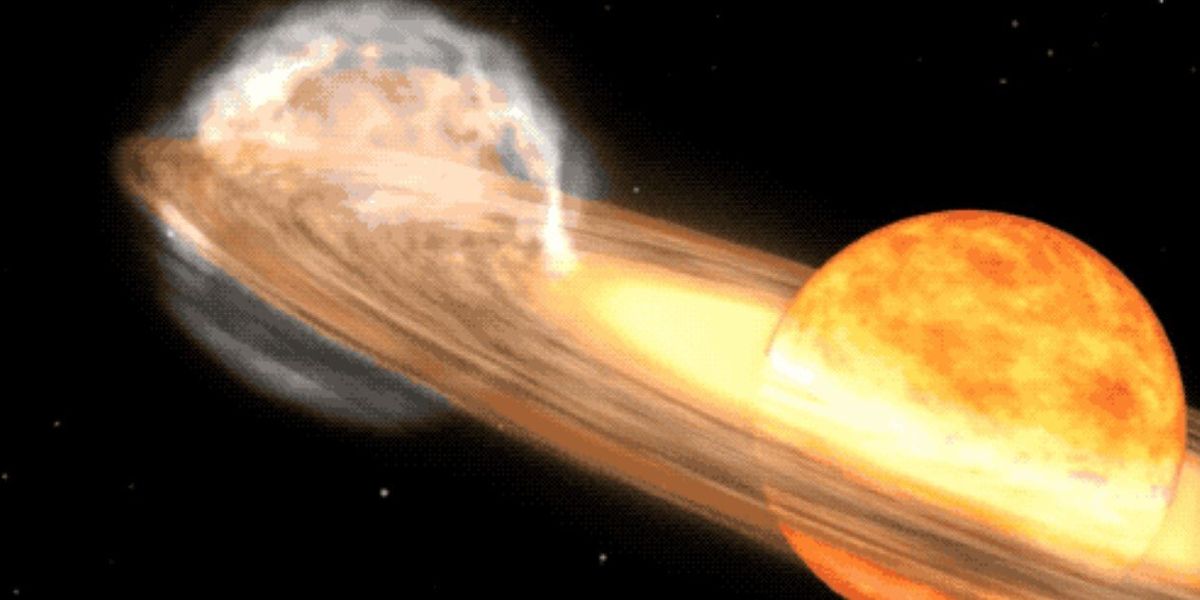
Astronomers are anticipating a rare celestial event later this year as a binary star system in the constellation T Corona Borealis is expected to undergo a massive explosion, making it visible to the naked eye for several days. This phenomenon, known as a recurring nova, occurs every 80 years and is caused by an exchange between a red giant and a white dwarf star. The upcoming event will provide a unique opportunity for astronomers to study and capture images of the explosion, with the James Webb space telescope set to be involved.