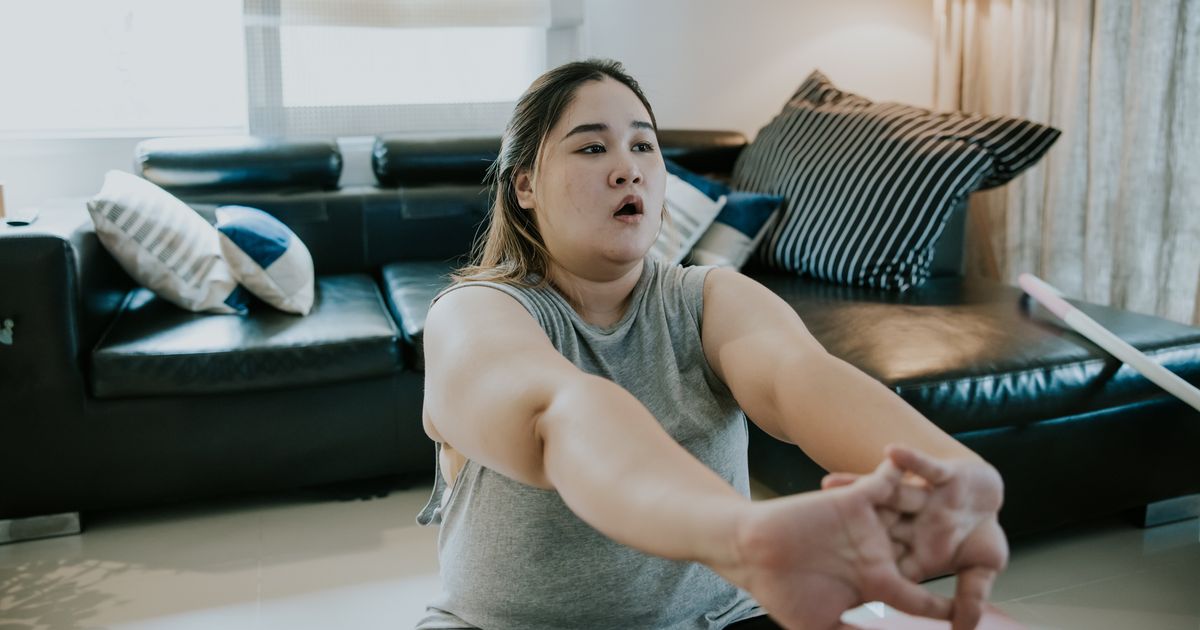
Posture walking, a trending walking technique focused on maintaining upright alignment, can improve digestion, breathing, reduce pain, boost mood, and increase movement efficiency by promoting better body alignment during walks, which benefits overall health and well-being.
Frogs breathe and drink through their porous, moist skin, which contains blood vessels for gas exchange and water absorption, allowing them to survive underwater and during hibernation, though this makes them vulnerable to pollutants and climate change.
MotoGP riders tape nasal dilator strips on their noses to improve airflow, enhance breathing efficiency, and gain a performance edge during races, especially under intense exertion. These inexpensive strips help open nostrils, reduce airflow resistance, and are used by many top riders for better oxygen intake and focus, although scientific evidence on their effectiveness varies.
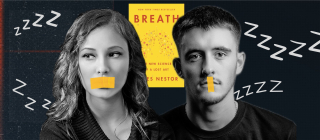
Mouth taping, a trend popularized by James Nestor's book 'Breath', involves sealing the mouth to promote nose breathing and purported health benefits. However, scientific evidence supporting these claims is minimal, and for some with sleep apnea or nasal obstructions, it could be harmful. The trend is driven by social media influencers and fringe health figures, often without rigorous scientific backing.
Researchers at the Salk Institute have discovered a brain circuit linking voluntary breathing control to emotional states, involving the anterior cingulate cortex, pons, and medulla. This circuit can slow breathing and reduce anxiety, providing a neurological basis for practices like yoga and mindfulness. The findings suggest potential therapeutic targets for anxiety and panic disorders, with the possibility of developing drugs to regulate breathing and alleviate stress.
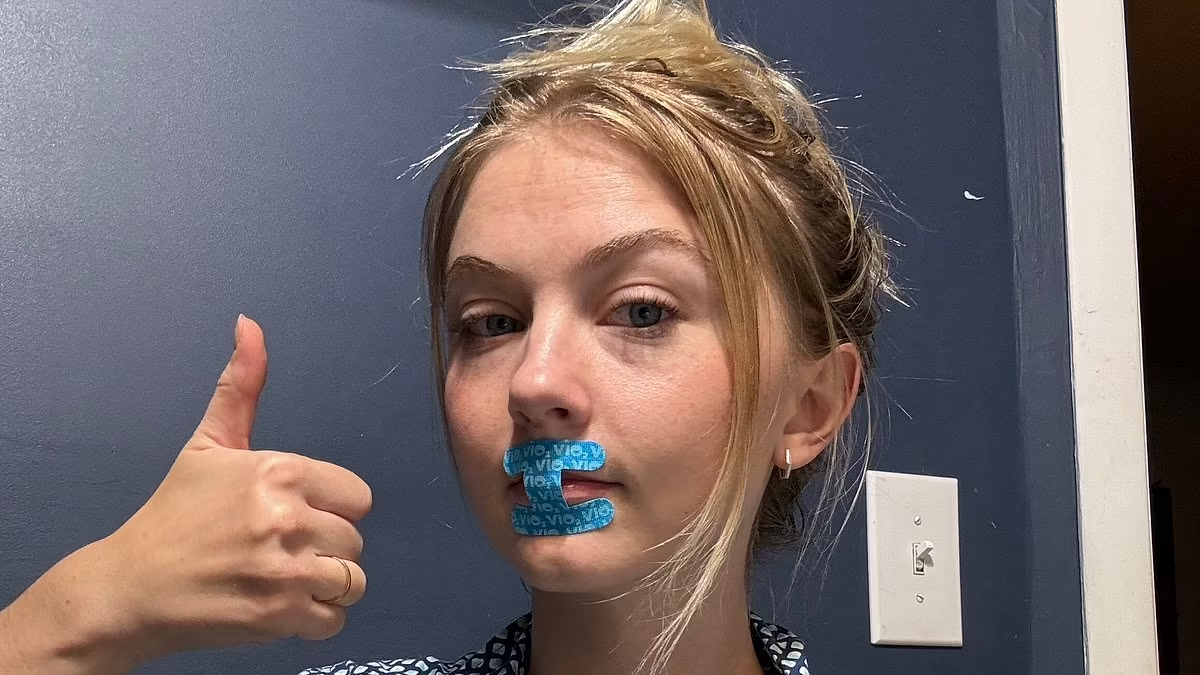
A health reporter experimented with the viral trend of mouth taping during sleep, which claims to improve sleep quality and facial aesthetics by promoting nose breathing. Despite anecdotal support, medical experts caution against its use due to a lack of scientific evidence and potential risks like disrupted sleep and aspiration pneumonia. The reporter experienced discomfort, skin irritation, and no noticeable benefits, concluding that while it might work for some, consulting a doctor is advised before trying it.
A new study funded by Lululemon and conducted by researchers at the University of British Columbia suggests that wearing a too-tight sports bra can affect breathing and impede running performance. The study tracked the breathing and lung function of elite runners and found that a too-tight bra caused them to take more shallow breaths and consume more oxygen, leading to decreased running economy. Experts recommend wearing a sports bra that offers adequate support without being too tight around the rib cage, emphasizing the importance of proper fit for optimal performance and comfort during exercise.
Researchers have identified a brain circuit that coordinates vocalization with breathing, ensuring speech occurs predominantly during exhalation. This circuit, regulated by a brainstem area responsible for breathing rhythm, receives inhibitory signals during inhalation, preventing speech. The study, conducted in mice, sheds light on the neurological control of speech and breathing coordination, suggesting a shared mechanism across species, including humans.
A groundbreaking study published in Nature Communications has revealed a significant link between breathing patterns during sleep and the brain's ability to consolidate memories. Researchers found that specific brain activities during sleep, such as slow oscillations and sleep spindles, were intricately synchronized with breathing patterns, impacting the process of memory reactivation. While the findings are correlational and further research is needed to establish causality, the study sheds light on the potential role of breathing in organizing memory-related activities during sleep and suggests implications for maintaining good sleep hygiene and exploring interventions to enhance memory consolidation.
MIT has developed an ingestible sensor that can record a person's breathing patterns by monitoring the movement of their intestines. The sensor, which is about the size of a multivitamin pill, could provide valuable insights into respiratory health and help diagnose conditions such as asthma and sleep apnea.
Researchers have identified a potential brain mechanism associated with sudden unexpected death in epilepsy (SUDEP). By studying individuals with uncontrollable epilepsy, they found a correlation between the amygdala, a brain region involved in emotion processing, and postictal apnea, a dangerous pause in breathing after a seizure. Seizures originating in specific amygdala subregions may suppress breathing and the alarm signal of "air hunger," potentially through novel connections to the brainstem. These findings provide insights into SUDEP and open avenues for further research, preventive measures, and targeted treatments.
Breathing through your nose is encouraged for several reasons. The nose acts as a filter and humidifier, trapping debris and ensuring that air reaches the lungs at the right temperature and humidity. Mouth breathing can lead to discomfort, dental issues, and hinder the filtration and lung benefits of nasal breathing. However, there are times when mouth breathing is necessary, such as during a cold. Mouth taping to promote nasal breathing should be done cautiously and after ruling out any underlying issues. If you struggle to breathe through your nose, it's advisable to consult an ear, nose, and throat doctor for proper evaluation and guidance.
Mouth taping, the practice of taping one's mouth shut during sleep to encourage nasal breathing, has gained popularity on TikTok as a way to improve sleep quality and address issues associated with mouth breathing. Mouth breathing can lead to dry mouth, sore throat, bad breath, tooth decay, and even sleep apnea. By taping the mouth shut, individuals may reduce snoring, improve sleep quality, increase daytime energy levels and focus, and reduce the risk of oral health problems. However, it is important to consult with a medical professional before trying mouth taping, especially for those with underlying health issues like sleep apnea. Other alternatives, such as sleeping on your side or using nasal sprays, may also help alleviate breathing difficulties during sleep.
Breathing plays a crucial role in coordinating brain activity in the prefrontal brain network during wakefulness, according to a study published in Scientific Reports. The research suggests that respiration can synchronize neural activity, particularly in the gamma rhythm frequency range, in cognitive areas of the brain. This finding provides new insights into the relationship between breathing and cognitive processing and could have implications for meditative practices that involve controlled breathing. The study also highlights the importance of understanding the connection between body and mind in cognitive experiences.
Recent scientific research has uncovered intricate links between breathing and memory recall, with studies revealing that the rhythm of our breathing can influence neural activity, impacting cognitive functions such as emotional processing and memory recall. The most compelling evidence highlights that inhalation, particularly through the nose, can improve memory function. The amygdala and hippocampus, brain areas linked to emotion and memory, are significantly affected by the rhythm of breathing, suggesting that the act of breathing can modulate the functions of these regions. Deep, controlled breathing, often used in mindfulness practices, can improve working memory capacity, the kind of memory we use to hold and manipulate information over short periods.