medical-science-news3.5 min read
Levothyroxine Tied to Increased Osteoporosis Risk in Seniors
1 year ago•Source: News-Medical.Net

The latest medical science news stories, summarized by AI
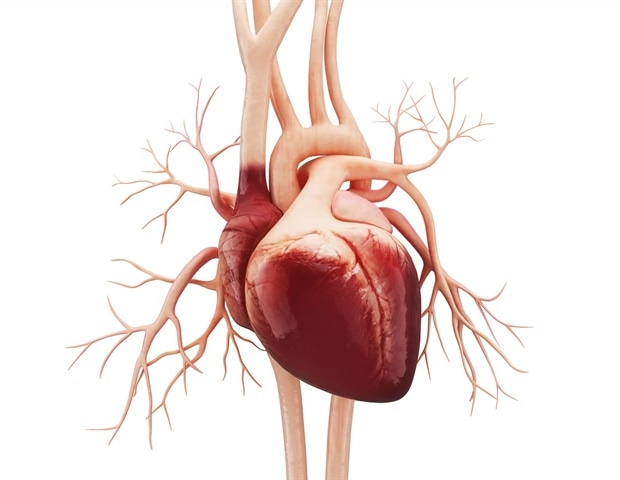
A new study conducted in mice suggests that regular use of acetaminophen at moderate doses, considered safe at 500 mg/day, can alter proteins in the heart tissue, potentially leading to heart issues as a result of oxidative stress or toxin buildup. The research, presented at the American Physiology Summit, found that acetaminophen caused significant changes in the levels of proteins associated with various biochemical pathways in the heart. While the study was conducted in mice and may not directly apply to humans, researchers recommend limiting acetaminophen use to a few days at a stretch and discussing concerns about high-dose use with a healthcare provider.

News-Medical.Net•1 year ago
News-Medical.Net•2 years ago
A study from the University of Chicago reveals that lantibiotics, a class of bacteriocins used as food preservatives, have potent effects on both pathogens and commensal gut bacteria. The research found that these lantibiotics, including the popular nisin, can kill both harmful and beneficial gut bacteria, potentially disrupting the delicate balance of the gut microbiome. The study highlights the need to better understand the impact of lantibiotics on gut health and to harness their antimicrobial properties for beneficial use.
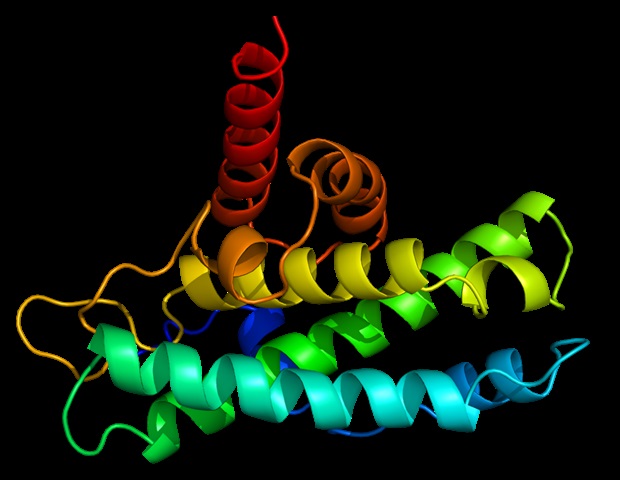
Researchers from Tokyo Metropolitan University have discovered that the protein Musashi-2 (Msi2) plays a crucial role in regulating muscle mass and metabolic processes in skeletal muscle. By studying mice with the Msi2 gene knocked out, they found a decrease in muscle mass due to a reduction in type 2a muscle fibers, as well as decreased myoglobin and mitochondria. Understanding the regulation of type 2a fibers could lead to new therapies for muscle-related conditions and improve training regimens for muscle strength.
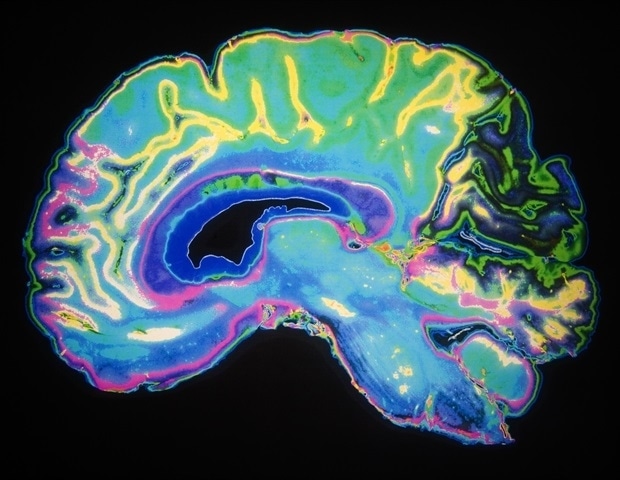
Researchers at Lund University and Gothenburg University have developed temporary, organic electrodes that can be injected into the body using a needle, eliminating the need for surgery. The electrodes self-organize into a conducting structure and integrate with the body's cells, providing a minimally invasive approach to electrotherapy. The electrodes break down and are excreted from the body after treatment, making them suitable for non-chronic diseases that are difficult to treat. The new method opens up possibilities for more effective therapies in areas such as cancer and nerve injuries.
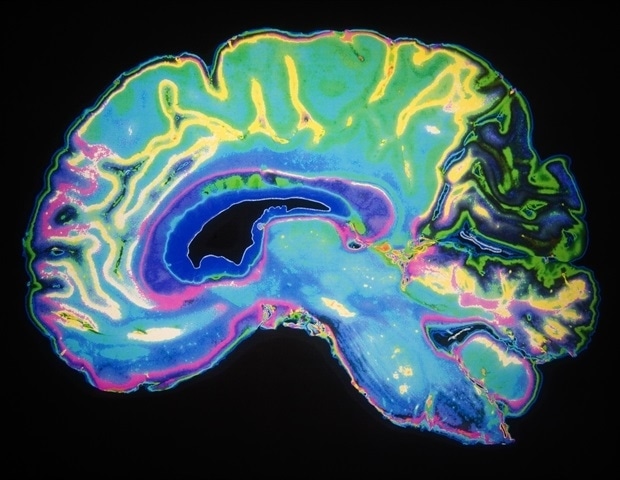
Researchers at Lund University have discovered that psychedelic drugs, such as LSD and ketamine, cause synchronized brain waves in rats. Using a technique that simultaneously measures electrical signals from 128 areas of the brain, the researchers found that both LSD and ketamine resulted in the same wave patterns, despite affecting different receptors in the brain. The study suggests that this wave phenomenon, rather than individual neuron activity, is strongly linked to the psychedelic experience. The findings could potentially be used as a research model for psychoses and may provide insights into the mechanisms behind consciousness.

A new study from Tel Aviv University has uncovered the science behind the delayed tanning process that occurs after sun exposure. The research reveals that the body's initial response is to prioritize repairing DNA damage in the skin cells, which inhibits the mechanism responsible for skin pigmentation. The study found that the repair mechanism takes precedence over other systems in the cell, temporarily disabling the pigmentation mechanism. Only after the DNA repair is complete does the production of melanin, which darkens the skin, begin. The findings could lead to innovative treatments for protecting the skin against radiation damage and potentially preventing skin cancer.
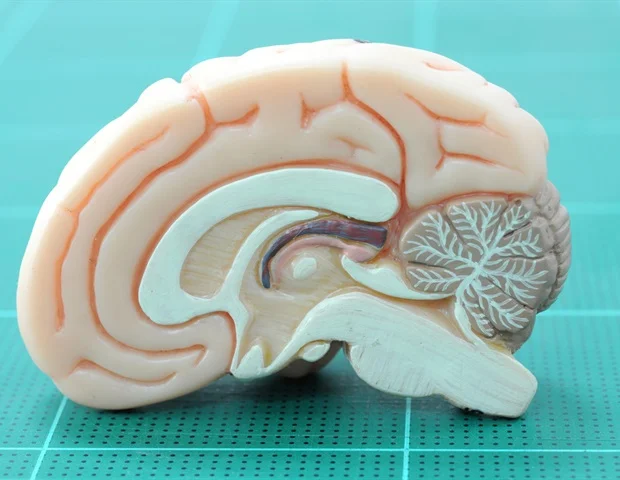
A study conducted by neuroscientists at the University of California, Irvine found that exposing older adults to fragrances while they slept for two hours every night for six months resulted in a 226% increase in cognitive capacity compared to a control group. The researchers believe this non-invasive technique could potentially strengthen memory and help deter dementia. The study involved participants aged 60 to 85 without memory impairment, who used a diffuser with different natural oils each night. The enriched group showed improved cognitive performance, better brain pathway integrity, and reported better sleep quality. The researchers hope to further investigate olfactory therapies for memory impairment and plan to release a product based on their study this fall.
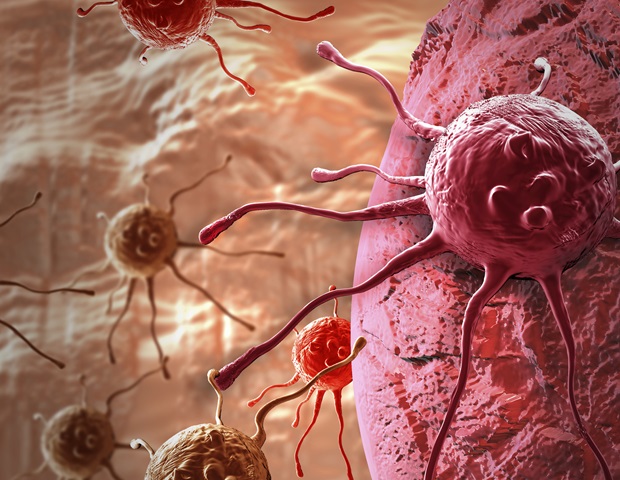
Researchers at Nagoya University in Japan have developed a technology to capture and release cell-free DNA (cfDNA) on nanowire surfaces from urine, allowing for the detection of genetic mutations associated with gliomas, a type of brain tumor. The technique overcomes the challenge of isolating cfDNA from urine samples and could potentially be used for early cancer detection. The researchers successfully detected the IDH1 mutation, a characteristic genetic mutation found in gliomas, from a small urine sample. This method opens up possibilities for detecting other types of tumor mutations that cannot be isolated by conventional methods.
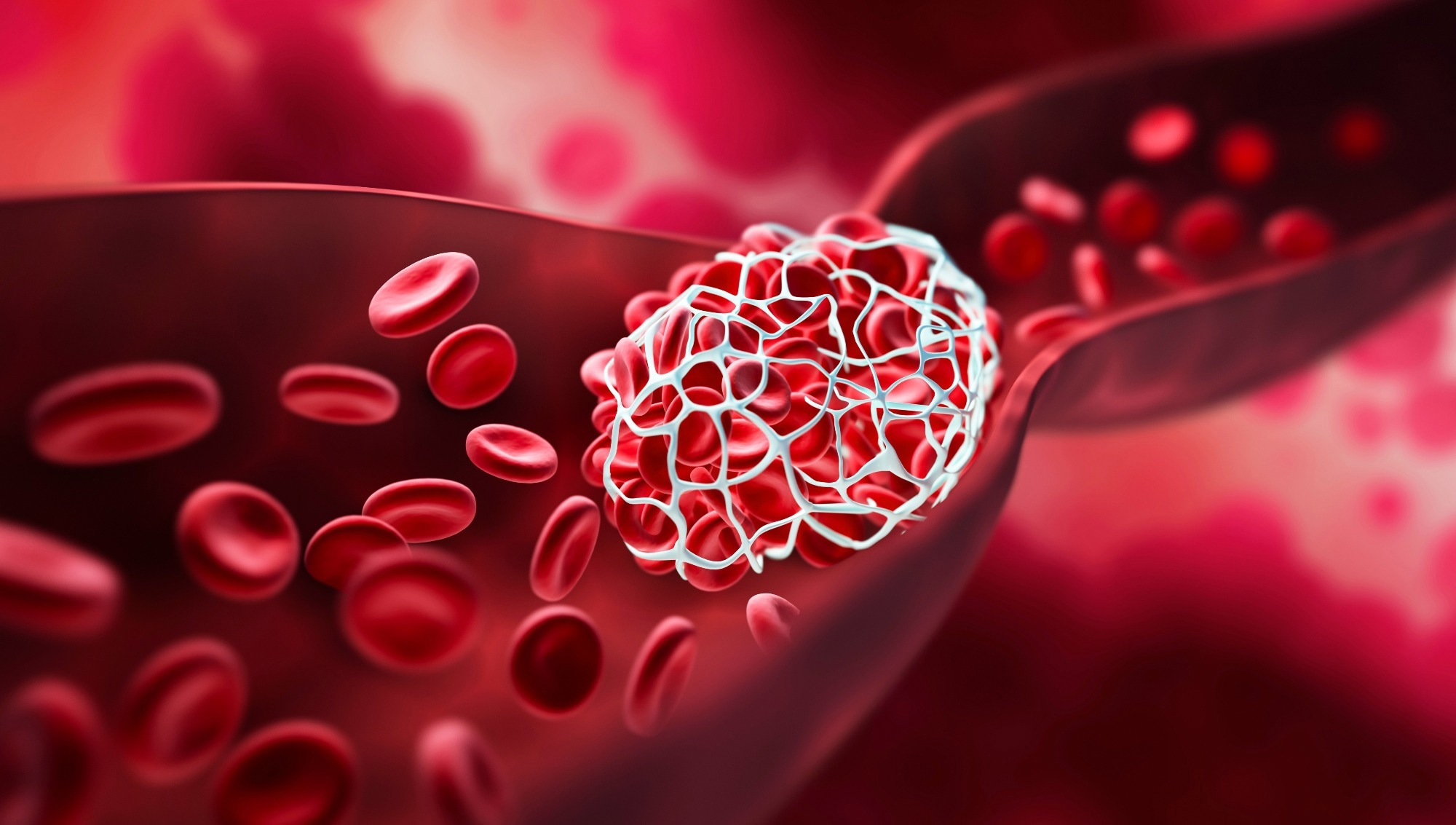
A study published in Scientific Reports found that autoantibodies against the blood clotting protein ADAMTS13 were observed in nearly one-third of hospitalized COVID-19 patients, indicating a potential role in disease severity. These autoantibodies, along with increased levels of von Willibrand factor (VWF), contributed to a decreased ADAMTS13/VWF ratio, which is associated with COVID-19 severity. The study suggests that measuring ADAMTS13 autoantibody levels could be useful in predicting the severity of COVID-19. Plasma exchange therapy was also found to restore the balance between VWF and ADAMTS13, providing a potential treatment option for severe COVID-19 cases.

Researchers at McMaster University have discovered that the hormone GDF15 has the potential to promote weight loss and maintain calorie burning during dieting. The hormone blocks the slowing of metabolism that occurs during calorie restriction by increasing energy burn in muscle. This finding opens up new possibilities for helping people maintain weight loss after dieting and developing combination therapies with GDF15 and appetite-suppressing drugs. Further research is needed to confirm these findings in humans and explore the impact of GDF15 on weight loss.

Researchers from the University of Pennsylvania School of Dental Medicine and the Adams School of Dentistry and Gillings School of Global Public Health at the University of North Carolina have discovered that a bacterial species called Selenomonas sputigena can have a major role in causing tooth decay. The study showed that S. sputigena, previously associated only with gum disease, can work as a key partner of Streptococcus mutans, greatly enhancing its cavity-making power. Disrupting these protective S. sputigena superstructures using specific enzymes or more precise and effective methods of tooth-brushing could be one approach to prevent cavities.