Gemini AI is now embedded in the Chrome browser on ChromeOS, delivering a robust, full-featured assistant via a sidebar with model switching, full chat history, a pop-out window, and live screen sharing—making Chromebooks more capable, though some image/video tools aren’t yet available.
Ladybird’s lead developer ported LibJS, the browser’s JavaScript engine, from C++ to Rust in about two weeks using human-directed prompts and multiple AI reviews, achieving byte-for-byte identical output between the Rust port and the original C++ baseline; the thread also explores Rust’s role in browser development, interop with C++, and the broader implications of AI-assisted coding in large projects.
Google’s AI Overviews can be hidden by appending an en dash and letters to your search query (for example, –ai), a trick that mostly works on desktop browsers; you can also switch to Classic Search or use another engine like DuckDuckGo or Brave to avoid AI summaries, but beware AI summaries can still be inaccurate and you should verify by visiting the source.
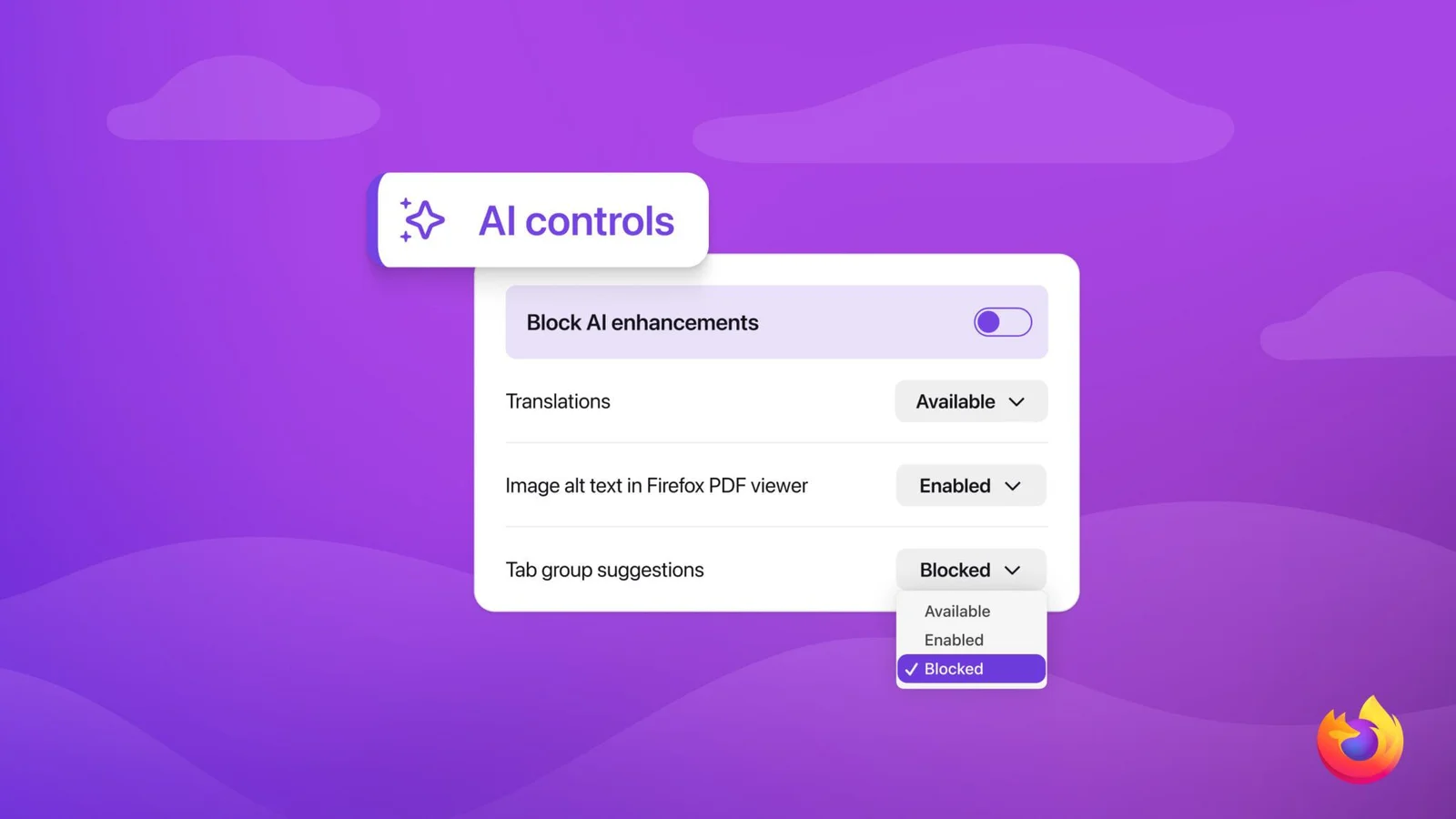
Mozilla says Firefox 148, rolling out Feb. 24, will add per-feature AI controls (translations, PDF alt text, AI-powered tab grouping, link previews, and the AI chatbot in the sidebar) plus a global Block AI Enhancements toggle, allowing users to disable all current and future AI features or choose which to use.
Google Chrome is adding a persistent Gemini side panel and an autonomous “Auto Browse” feature that can perform multi-step web tasks (such as researching prices, filling forms, scheduling, managing subscriptions, and shopping) while staying within a user-defined budget. It also brings in-browser AI image generation with Nano Banana, and Google says a future “Personal Intelligence” feature will offer more personalized help. The Gemini sidebar and Nano Banana are rolling out via a server-side update, with Auto Browse currently limited to AI Pro/Ultra subscribers in the U.S. and requiring user permission for tasks involving login credentials or sensitive actions.
Skeptics scrutinize Cursor’s claim of an autonomous, from-scratch browser built by hundreds of AI agents. Discussion shows the project uses open-source components (notably Servo) and only reached a compiling state after human intervention, with doubts about actual JS execution and browser functionality. Critics say the hype outpaced verifiable evidence of a working browser built entirely by autonomous agents.
Kagi has released an alpha version of Orion for Linux, introducing a third browser engine to diversify the Linux browser ecosystem, which is currently dominated by Firefox and Chromium. The move aims to improve WebKitGTK upstream and benefit open source development, but concerns remain about media playback, DRM, and Orion's closed-source status. The developers plan to open source Orion once it becomes self-sufficient, emphasizing business sustainability and IP protection. The community debates the importance of open source for browsers, with some prioritizing privacy and transparency, while others focus on practical issues like media support and OS integration.
Microsoft is launching a major UI refresh for Edge, incorporating design elements from Copilot, including rounded corners, updated menus, and a new tab page, aiming to make the browser more AI-focused without creating a new browser.
The article emphasizes the importance of clearing your iPhone's browser cache at the start of the new year to improve performance and free up storage, providing step-by-step guides for Safari, Chrome, and Firefox, and suggesting doing this every month or two for optimal browsing experience.
Mozilla's new CEO plans to integrate AI features into Firefox, but due to community backlash, a 'kill switch' will be added by 2026 to disable AI functionalities, reflecting ongoing tensions between innovation and user trust.
Waterfox, a Firefox fork, is taking a stand against AI integration, explicitly refusing to include large language models (LLMs) in its browser, in contrast to Mozilla's plans for a more AI-enabled Firefox ecosystem. Mozilla has responded by promising an opt-in AI feature with a kill switch, but Waterfox's stance appeals to users seeking an AI-free browsing experience. Waterfox continues to cater to users who value privacy, customization, and legacy add-ons, positioning itself as a preferred alternative amidst Mozilla's evolving AI ambitions.
Mozilla's new CEO plans to transform Firefox into a 'modern AI browser' by investing in AI and expanding the browser into a broader ecosystem, despite community backlash over default AI features that many find unnecessary and intrusive.
The author tried OpenAI's ChatGPT Atlas browser, which integrates AI features directly into web browsing, but found it unnecessary for their casual, mobile-first browsing habits, preferring the simplicity and familiarity of Chrome until Atlas becomes available on mobile devices.
OpenAI's new ChatGPT Atlas browser aims to revolutionize web browsing with AI-powered features, but currently faces limitations like usage caps and the need for a subscription, raising questions about its practicality, privacy, and potential to challenge dominant browsers like Google Chrome.