A study from the University of Colorado Boulder suggests that erythritol, a common sugar substitute found in many products, may immediately impair brain blood vessel function by increasing vessel constriction and reducing clot breakdown, potentially elevating the risk of stroke and heart attack, especially with daily consumption.
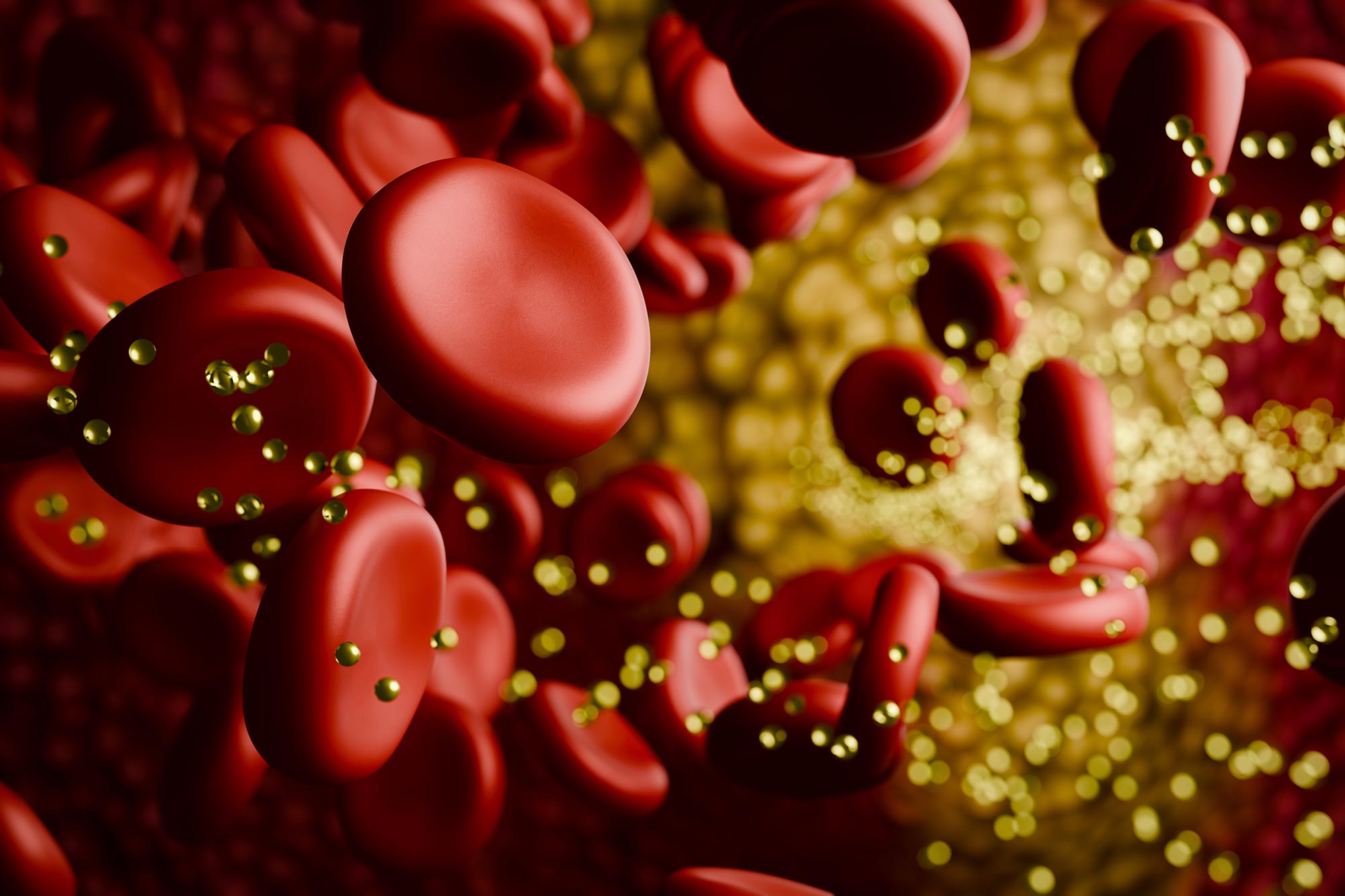
New research indicates that microplastics can directly damage blood vessels and accelerate artery-clogging plaque formation in male mice, potentially impacting human heart health, with effects differing between sexes and not linked to cholesterol or weight changes.
Recent studies suggest that erythritol, a common artificial sweetener, may increase oxidative stress, disrupt vascular signaling, and impair clot regulation in brain blood vessel cells, potentially raising the risk of stroke and heart attack, especially with high consumption. While approved and widely used, its long-term effects remain uncertain, prompting further research into its safety.
Recent studies show that an extra artery in human arms, the median artery, is becoming more common, increasing from 10% in the 19th century to about 30% today, indicating ongoing microevolution that could influence our health and anatomy in the future.
Scientists at UC San Diego discovered that rhythmic muscle movements in the gut may explain how brain blood vessels coordinate their expansion and contraction, revealing a surprising link between gut and brain rhythms through synchronized oscillations.
A top doctor highlights common habits that can damage blood vessel linings and increase the risk of deadly strokes, with a concerning rise in strokes among under 45s over the past decade.
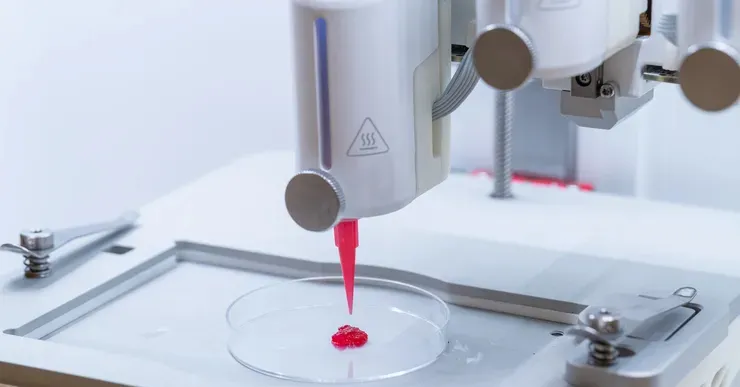
Swedish researchers have developed innovative 3D bioprinting techniques to create artificial skin with blood vessels, potentially revolutionizing treatment for severe burns and trauma by enabling more functional skin regeneration.
Scientists used advanced synchrotron X-ray imaging to discover preserved blood vessels in a T. rex fossil, Scotty, revealing new insights into dinosaur biology, injury healing, and fossilization processes, which could enhance future paleontological research.
Caffeine withdrawal headaches, which can be intense and migraine-like, occur when regular caffeine intake is suddenly stopped, likely due to blood vessel dilation and adenosine buildup, and are best managed by gradual reduction of caffeine consumption.
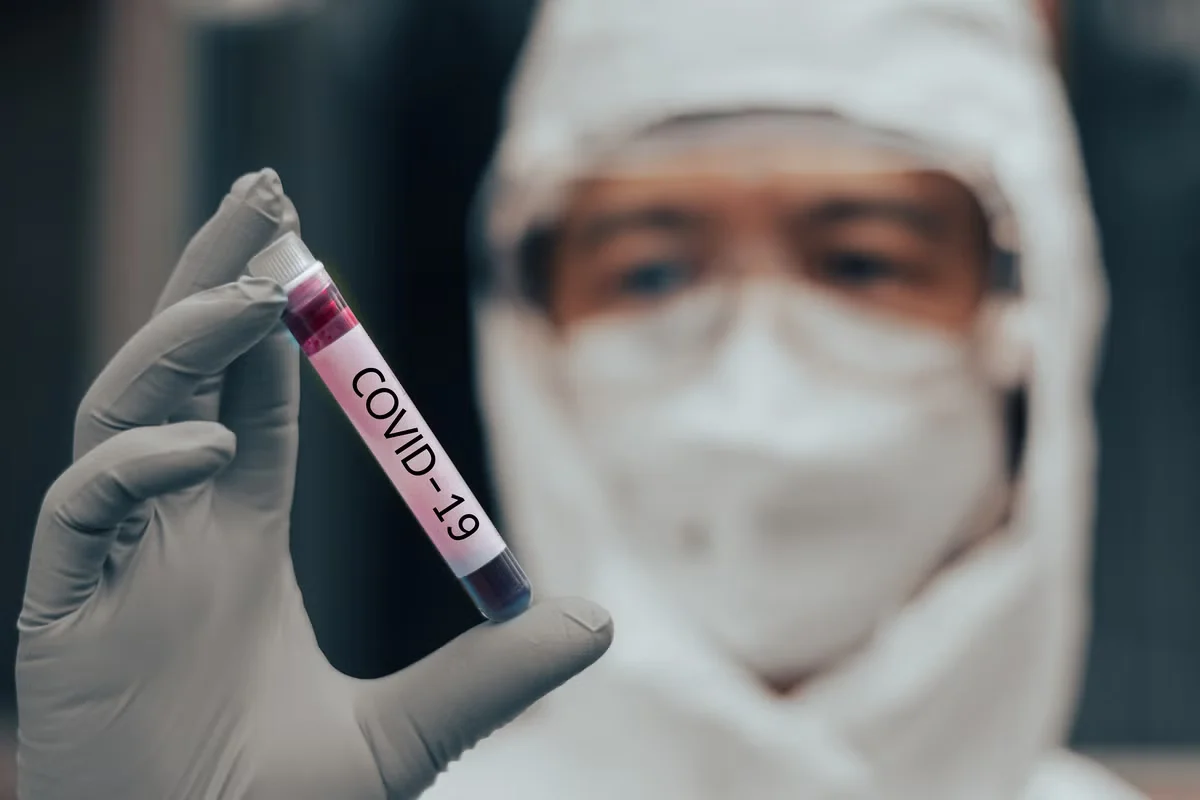
A new study suggests Covid can prematurely age blood vessels by about five years, especially in women, increasing the risk of heart attack and stroke. Vaccinated individuals show less arterial stiffening, highlighting the importance of vaccination for vascular health post-infection.
Research shows that COVID-19 infection can accelerate blood vessel aging by about five years, especially in women and those with long COVID symptoms, increasing the risk of cardiovascular disease; vaccination appears to mitigate this effect.
A physicist studying fossils discovered preserved blood vessels in a T. rex fossil, using advanced 3D modeling and synchrotron X-ray technology, which could revolutionize understanding of dinosaur biology and healing processes.
Scientists have discovered that deoxyribose sugar, a natural component of DNA, may be as effective as current treatments like minoxidil in reversing hereditary-pattern baldness by promoting blood vessel formation and hair regrowth, based on promising early research in mice.
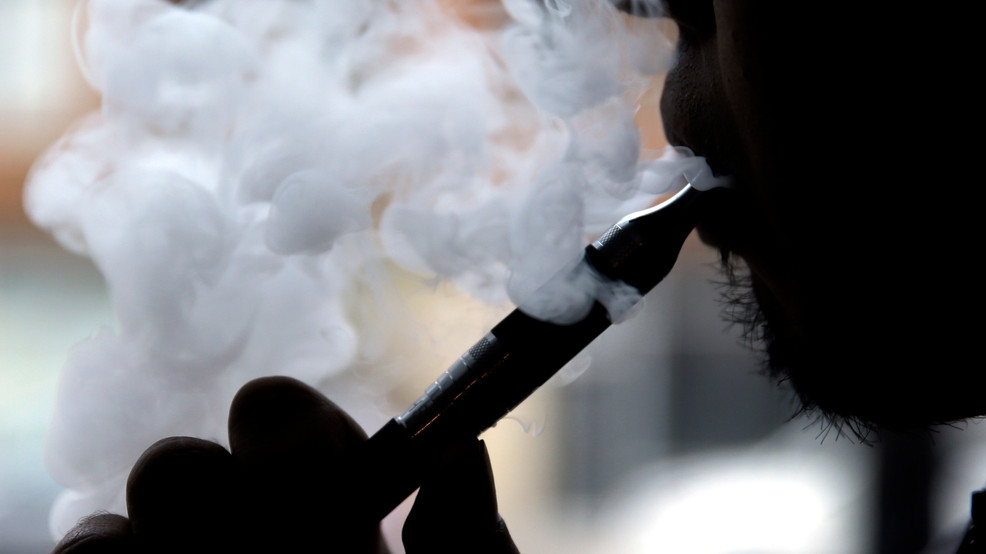
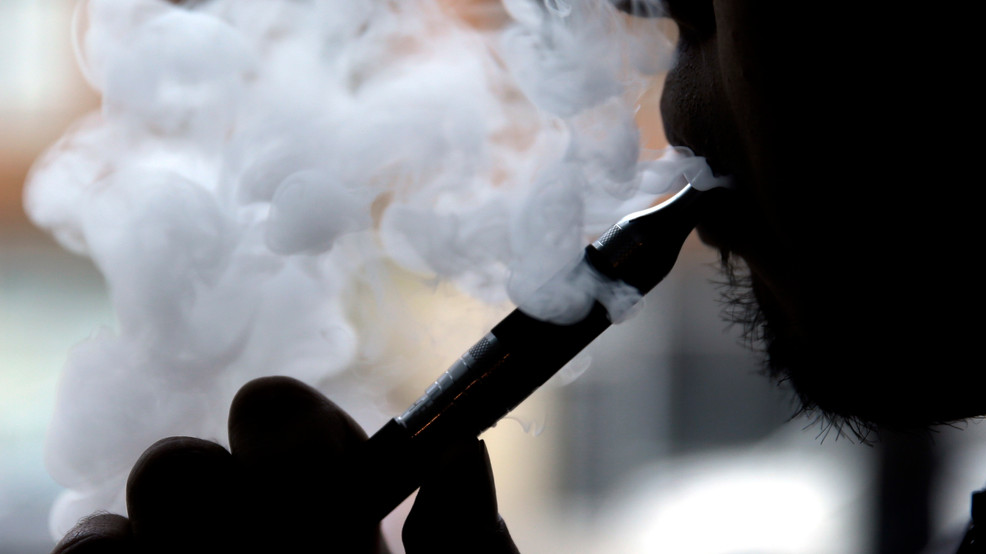
A new study presented at the Radiological Society of North America highlights the immediate effects of vaping on blood vessels and oxygen intake, suggesting potential health risks. Researchers, including Alan Blum and Keith Ferdinand, emphasize that while e-cigarettes may not be as harmful as traditional cigarettes, they still pose significant health concerns, such as reduced venous oxygen saturation and stiffer blood vessels. The study underscores the need for further research into the long-term health impacts of vaping.
A new study presented at the Radiological Society of North America highlights the immediate effects of vaping on blood vessels and oxygen intake, suggesting potential health risks. Researchers, including Alan Blum and Keith Ferdinand, emphasize that while e-cigarettes may not be as harmful as traditional cigarettes, they still pose significant health concerns, particularly affecting blood vessel elasticity and lung oxygenation. The study underscores the need for further research into the long-term health impacts of vaping, as it is not FDA-approved for smoking cessation.